search
search

Tamang Heritage Wellness Trek

globe_location_pin

Country

Nepal

calendar_clock

Duration

11 Days

avg_pace

Difficulty

Moderate
partly_cloudy_day

Best Season

Mar, Apr, May, Sept, Oct, Nov

conversion_path

Start / End Point

Kathmandu/Kathmandu

landscape_2

Max. Altitude

2,600m (Tatopani)

landscape

Nature Of Trek

Teahouse/Lodge to Camping trekking

footprint

Activity

Trekking

location_on

Region

Langtang Region

groups

Group Size

2 - 16

hiking

Activity Per Day

4–7 hours of trekking, volunteering, or wellness sessions

home

Accommodation

Hotel+Teahouse+Camping
flatware

Meals Included

Breakfast, Lunch, Dinner
editor_choice

Recommended For

Conscious travelers, wellness practitioners, families, and voluntourists

Tamang Heritage Wellness Trek Highlights

  • Explore community camping to stay closer to village life rather than standard tourist accommodations.
  • Take part in school volunteering and cultural exchange activities.
  • Stay in traditional stone-built homestays in Tamang villages such as Gatlang and Thuman.
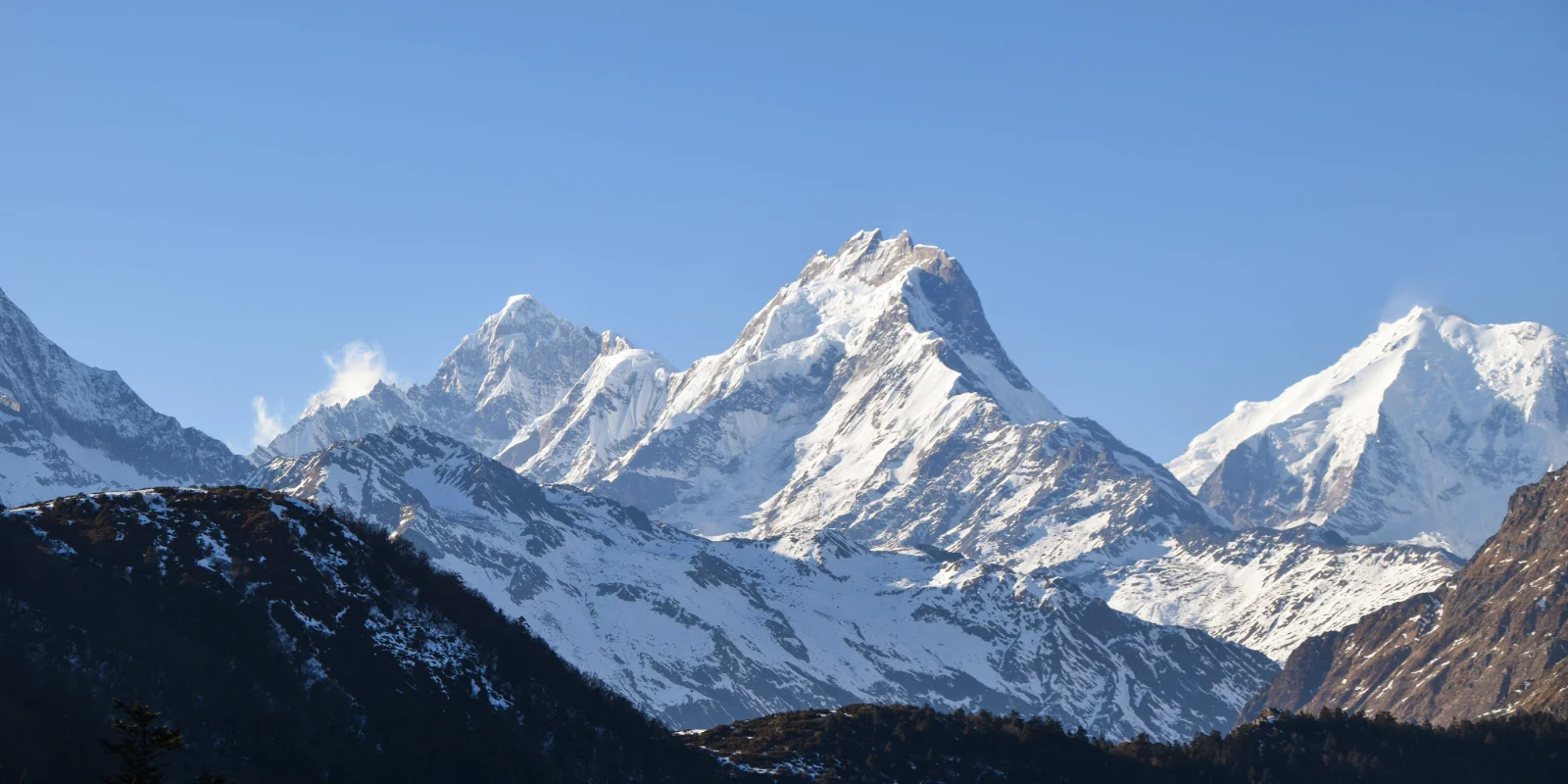
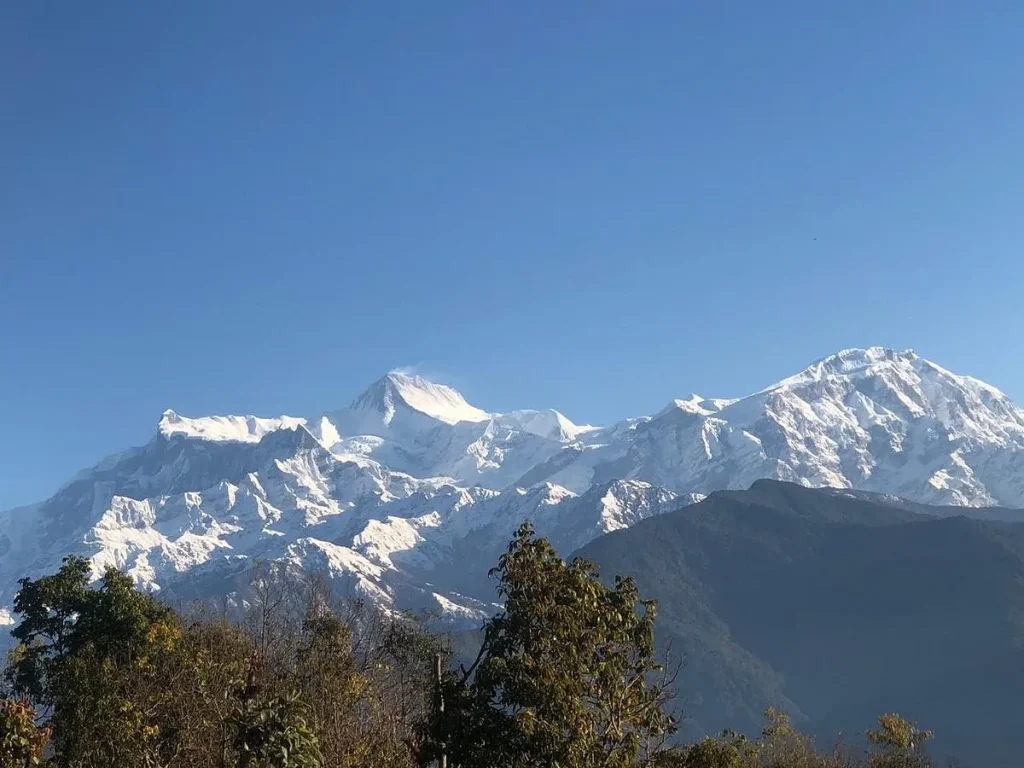
  • Enjoy outdoor yoga, meditation, and sound healing sessions with beautiful Ganesh and Langtang Himal range views.
  • Relax and enjoy a bath in the natural hot springs of Tatopani.
  • Explore traditional Himalayan farming culture and learn how local millet beer is made.
  • Spend three nights camping with meals prepared by a private village kitchen team.

Tamang Heritage Wellness Trek Overview

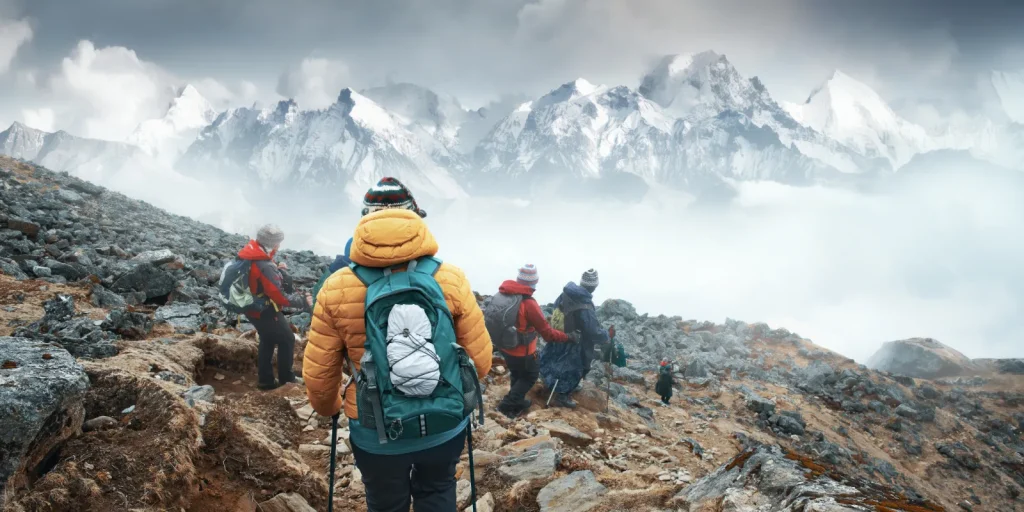
Many travelers want to give back while exploring Nepal, but sometimes regular tours feel too simple and disconnected from local life. You may want to enjoy the beauty of the Himalayas while also making a positive impact on the communities you visit. Understanding this situation, we have designed a unique 11-day Tamang Heritage Wellness Trek in the Langtang region that combines mountain trekking with local healing traditions, wellness activities, community support programs, and real interaction with Himalayan people.

This Himalayan Wellness & Community Trek takes you beyond standard trekking routes. You will spend time with Tamang families, support local community projects, and learn how mountain life works in Himalayan settlements. Travelers can also observe traditional dances, local festivals, handmade crafts, and mountain farming systems still used by local families today. This creates a direct cultural connection instead of a simple sightseeing journey.

The region also plays an important role in biodiversity conservation. The forest zones are home to rhododendron, bamboo, pine, and Himalayan wildlife such as red panda, snow leopard, musk deer, wild boar, Himalayan monals, and langur monkeys. Natural hot springs in villages like Tatopani also connect this trek with Himalayan wellness traditions and physical recovery.

This “Trek for Good” is designed to support both your personal growth and social responsibility. If you would like to be part of this unique trekking experience in Nepal, feel free to reach out to us.

Tamang Heritage Wellness Trek Detailed Itinerary

Day 1 :

Arrival in Kathmandu (1,324m) & Hotel Transfer

road

Drive Distance

5.8km

departure_board

Drive Duration

25-30 minutes

home_pin

Place

Kathmandu

After arriving at Tribhuvan International Airport in Kathmandu, you will be welcomed by your private guide and driver outside the arrival terminal. As part of a traditional Nepali greeting, you may receive a marigold garland or a silk Khada scarf before beginning the short drive to your hotel. Once at the hotel, the guide will assist with check-in, luggage, and room arrangements.

The afternoon is kept free so you can recover from your international flight. If you need any trekking gear, the Thamel area has many outdoor shops offering equipment for sale and rental at affordable prices.

In the evening, you’ll attend an official pre-trip briefing with your guide and fellow travelers. During this session, the guide will explain the full 11-day itinerary, safety instructions, transportation details, and the community support activities planned in Gairinai village. Important trekking permits and documents will also be checked and distributed.

Day 2 :

Drive from Kathmandu (1,324m) to Syabrubesi (1,503m)

road

Drive Distance

122km

departure_board

Drive Duration

7–9 hours

home_pin

Place

Syabrubesi

After an early breakfast in Kathmandu, you will leave the hotel around 7:00 AM and start the drive toward Syabrubesi in a comfortable vehicle. The journey follows the Trishuli River basin for most of the route before entering the mountain road areas. You will stop for lunch in places like Trishuli Bazar or Battar, where local meals such as dal bhat or noodles are served.

In the afternoon, you’ll enter the buffer zone of Langtang National Park. At Dhunche, your guide will complete the necessary park permit and check-in formalities with the authorities. Once verified, the final drive takes you directly to Syabrubesi. It is located at the meeting point of the Bhote Koshi and Langtang rivers.

Day 3 :

Trek from Syabrubesi (1,503m) to Gatlang (2,238m)

directions_walk

Trek Distance

10–12km

av_timer

Trek Duration

5–6 hours

home_pin

Place

Gatlang

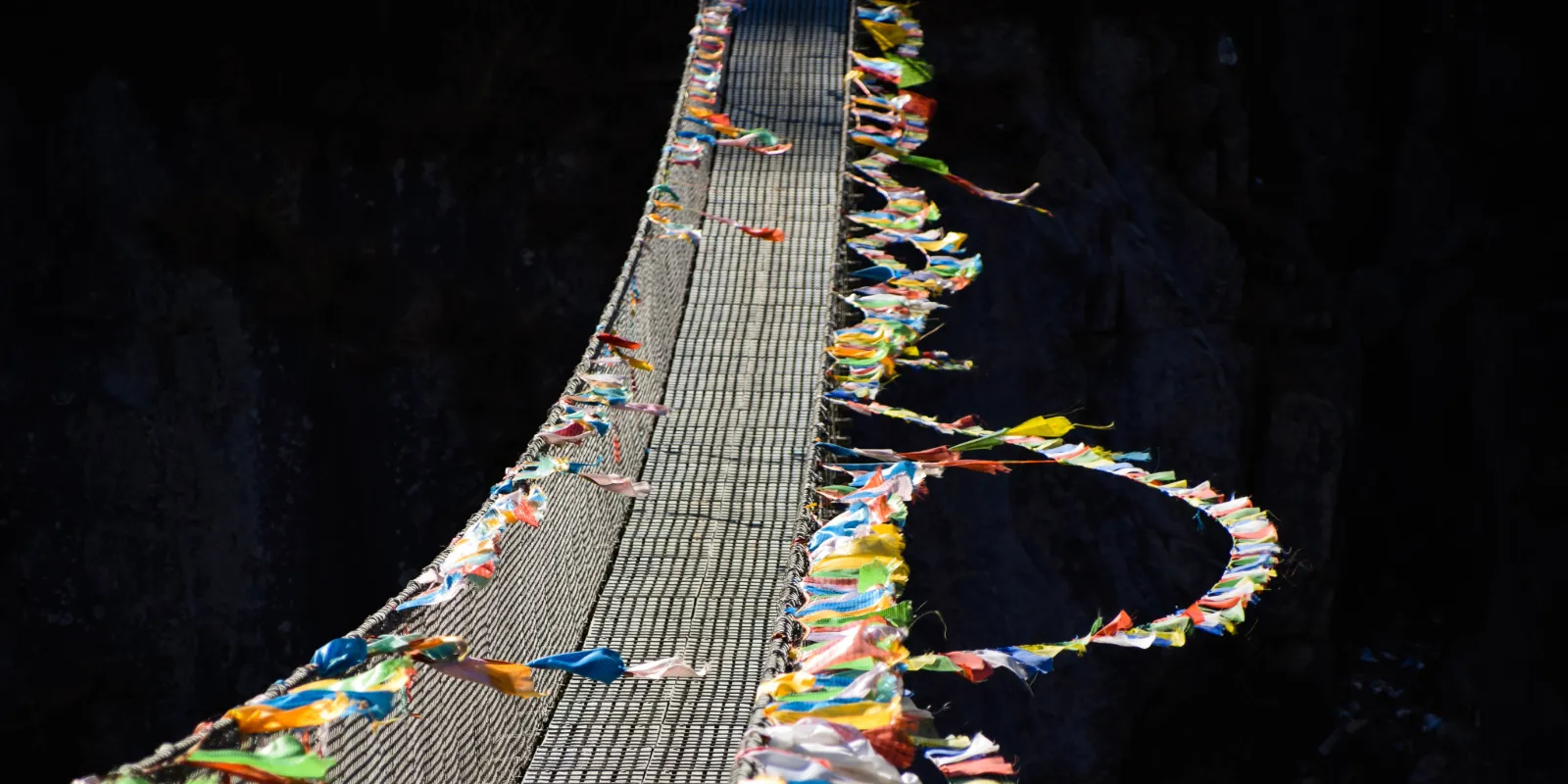
Once morning formalities are done, you will start your trek by crossing a suspension bridge over the Bhote Koshi River. The trail immediately enters pine and rhododendron forests and continues up to the viewpoint of Rongga Bhanjyang. From the ridge, you can see the Ganesh Himal, Gosainkunda range, and Goljung Valley.

By mid-afternoon, you’ll arrive at the large Tamang settlement of Gatlang. This village is known as the “Black Village” because its houses are built close together and the roofs are made from dark, hand-carved wooden shingles.

After settling into your community lodge, you’ll have time to explore the local monastery and observe traditional wool weaving done on outdoor handlooms. In the evening, you’ll have dinner prepared by local people, which is shared around a wood-burning stove. It is a good time to connect with your hosts, learn a few Tamang words, and understand their culture in a natural way.

Day 4 :

Trek from Gatlang (2,238m) to Tatopani (2,600m)

directions_walk

Trek Distance

10–12km

av_timer

Trek Duration

6–7 hours

home_pin

Place

Tatopani

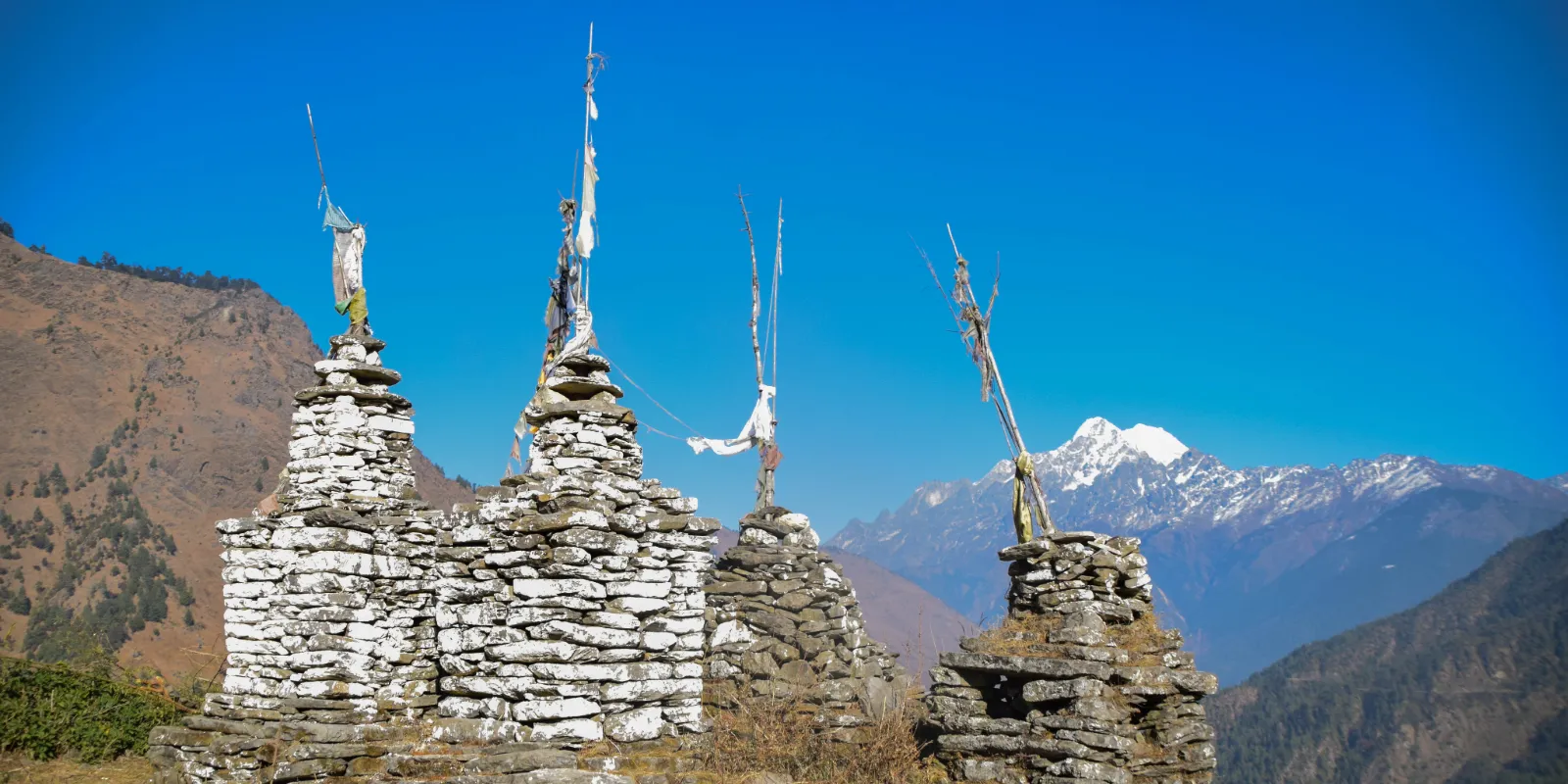
The morning starts in Gatlang with a breathing and stretching session at the lodge. After breakfast, you’ll pack your bags and continue your trek through terraced farmland. Chortens, mani walls, and small stone hamlets come in your way as you drop down toward the Chilime River valley.

This area is known for the Chilime Hydropower Project, one of the important community-supported energy projects in Nepal. The hydropower station supplies electricity to many villages and has improved roads, schools, and local services in the region.

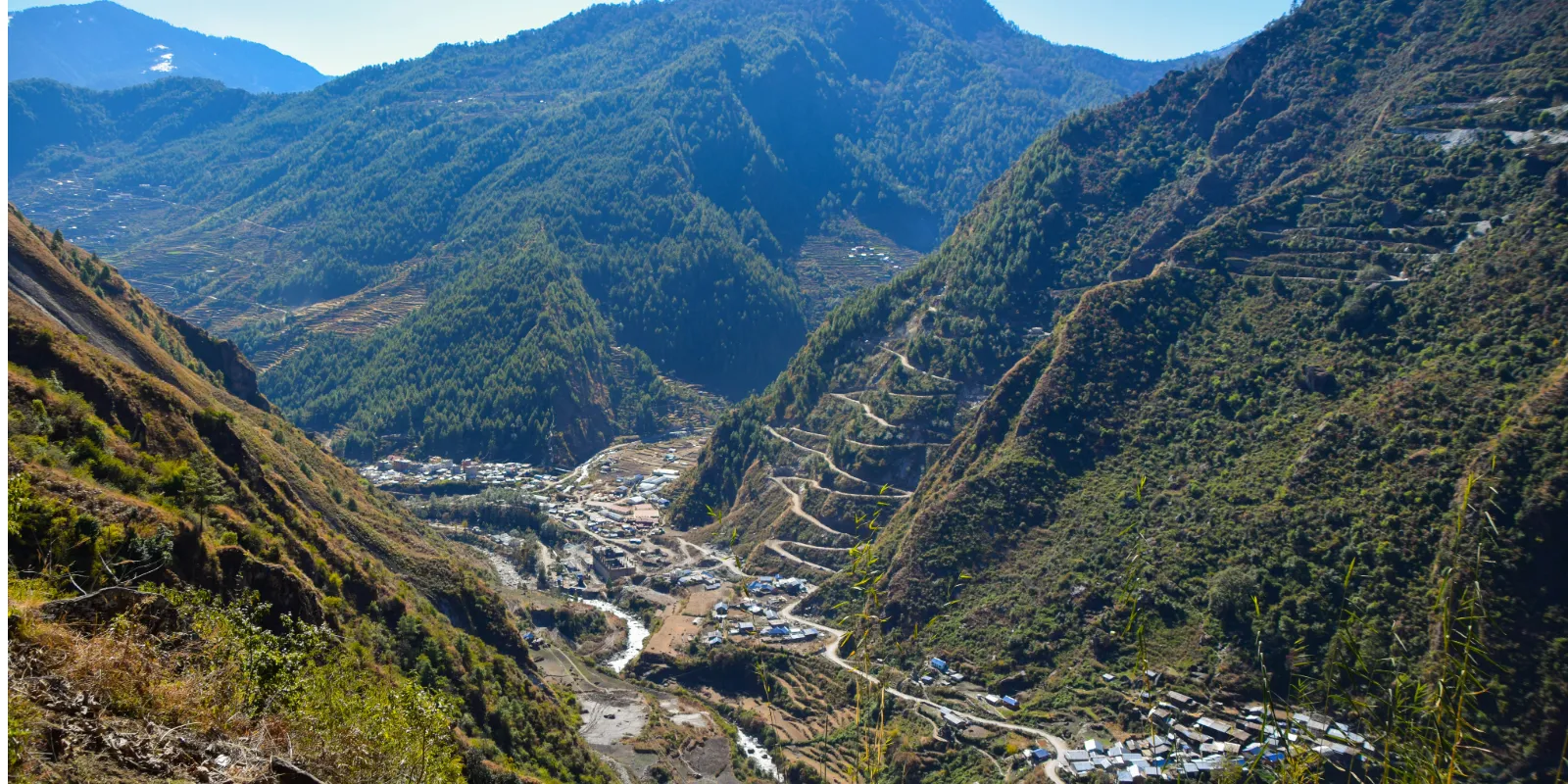
After crossing a suspension bridge over the Chilime River, the trail climbs for several hours through forests of oak, rhododendron, and bamboo. By late afternoon, you’ll arrive at Tatopani. The village is famous for its natural hot springs, as the name “Tatopani” translates to “hot water” in Nepali. Surrounded by green hills and the views of Ganesh Himal, it is a perfect stop to relax after a long trekking day.

Day 5 :

Trek from Tatopani (2,600m) to Thuman (2,300m)

directions_walk

Trek Distance

9–12km

av_timer

Trek Duration

5–6 hours

home_pin

Place

Thuman

On the 5th day of your Tamang Heritage Wellness and Community trek, the trail leaves Tatopani and enters an alpine ecosystem. After about 3 hours of trekking, you’ll reach Brimdang, a small settlement known for its community monastery built with local wood and mud-brick materials.

Continuing onward, the route reaches Nagthali, the highest point of the trek and one of the best viewpoints in the region. On clear days, you can see panoramic views of Langtang Lirung (7,227m), Ganesh Himal (7,422m), Sanjen peaks, and Kerung in Tibet. From Nagthali, the trail drops down toward the village of Thuman. This traditional Tamang settlement is known for adopting Tibetan architecture and culture for centuries.

By mid-afternoon, you’ll arrive at the community lodge and then go for village exploration with a guide. By communicating with the locals and guides, you can understand the challenges faced by the community and support them through donations or other helpful contributions that may improve their daily living conditions.

Day 6 :

Trek to Syabrubesi (1,503m), Private Drive to Gairinai, & Basecamp Set-Up

directions_walk

Trek Distance

10–12km

av_timer

Trek Duration

4-5 hours

road

Drive Distance

50–60km

departure_board

Drive Duration

3 hours

home_pin

Place

Gairinai

Your day starts with a light stretching and simple warm-up exercises to prepare your body for the long downhill walk ahead. It takes around four hours to trek from Thuman to Syabrubesi, where the Tamang Heritage Trail finally comes to an end. From there, you’ll board a private 4×4 vehicle for a 3-hour drive to the remote village of Gairinai.

Upon arrival, the group is welcomed by village elders and local families with traditional Khada scarves and fresh marigold garlands. This village has seen limited development and still depends heavily on farming, livestock, and strong community cooperation.

Together with the expedition crew, you’ll set up camp in an open village field using weatherproof dome tents, while the support team prepares the dining and camp facilities for the stay ahead. With the help of your guide as a translator, you can speak with residents, learn about their routines, and better understand the challenges and traditions of this remote Himalayan community.

Day 7 :

School Visit & Cultural Exchange

Walking from the campsite, you’ll visit the local village school before the morning assembly begins. Schools in remote Himalayan villages operate with limited resources, so if you want, you can assist with simple English conversations, classroom activities, creative games, or distribute useful supplies such as notebooks, pencils, clothing, and other educational materials. These small contributions can have a positive impact on students who walk long distances each day to attend school.

Throughout the day, you’ll have the opportunity to connect directly with the children through group activities, storytelling, and informal conversations. In the afternoon, the school community organizes a cultural exchange program to welcome the group. Students perform traditional songs, school dances, and local musical presentations that reflect the culture of the Tamang community.

Local villagers will also join the celebration later in the evening with traditional instruments such as the Damphu and Tungna. As the music begins, you may join the dance circle and learn the steps of Tamang Selo, a traditional dance of the Tamang community.

Day 8 :

Himalayan Farm Life & Culinary Activities

You’ll spend time with local host families and join them in seasonal agricultural work. Depending on the season, the activities may include digging mountain potatoes, planting leafy vegetables, removing weeds from millet crops, or harvesting corn by hand. You may also help with farm animal work, such as feeding goats, cutting fresh fodder, or milking cows and buffaloes.

Later in the day, the ingredients collected from the fields are taken into a village kitchen. Local hosts will demonstrate how to prepare spices, ginger, garlic, and herbs using a silauto, a flat grinding stone still used in rural Nepal. The cooking activity takes place around a chulo, a mud-brick stove fueled by firewood. During the session, you’ll learn how to prepare traditional meals such as millet or buckwheat dhido, seasonal saag, lentil soup, and homemade achar.

In the evening, villagers gather near the campsite for a final community program. Local elders, known as Geba, share stories about family lineages, traditional house-building methods, and the long history of Tamang culture in the region.

Day 9 :

Final Day Enhancement – Jungle Walk, Yoga & Meditation

directions_walk

Trek Distance

3–5km

av_timer

Trek Duration

2–3 hours (jungle walk)

home_pin

Place

Gairinai

The morning starts with a walk inside the forest area of the Langtang National Park Buffer Zone. The guided jungle walk lasts around two hours and follows the public forest route used by locals while herding their animals or collecting fodder. 

During the walk, you should stay aware of your surroundings and focus on natural sounds like birds and flowing water. In some sections, animals like rhesus macaques, barking deer, and Himalayan monal pheasants may appear, although sightings depend on silence and timing. This slow walking style is based on forest therapy, which studies show can reduce stress and improve mental focus.

After returning from the forest, a yoga session takes place in an open space facing the valley and river. The session focuses on breathing exercises and light movement to relax muscles that have been used during the trek. In the afternoon, a community gathering takes place where villagers, school staff, and visitors share experiences from the journey and end the day with a farewell ceremony.

Day 10 :

Drive back to Kathmandu (1,324m)

road

Drive Distance

120-130km

departure_board

Drive Duration

7–9 hours

home_pin

Place

Kathmandu

After the final meetup with the local people, you’ll board a private vehicle for the return to Kathmandu. The road follows rough mountain tracks that pass waterfalls, canyon walls, and roadside settlements before connecting with the Prithvi Highway.

By late afternoon or evening, you’ll arrive back in Kathmandu. If the farewell dinner was not held in Gairinai the previous day, it can be arranged in Kathmandu to celebrate the end of the journey together.

Day 11 :

Final Departure & Airport Transfer

It’s time to say goodbye. Pack your bags, keeping your passport, flight tickets, and tracking permits in your daypack for easy access at the airport. If the flight is scheduled later in the day, you can use the morning for last-minute souvenir shopping.

The drive from your hotel to Tribhuvan International Airport takes around 25 to 30 minutes, depending on city traffic. However, we will leave the hotel 2–3 hours before for an easy airport entry. Assistance with luggage handling and airport entry procedures will also be provided. We hope to welcome you again on another journey in the future.

Cost Includes

Transportation:

  • Airport pickup and hotel transfers in a private vehicle
  • Drive from Kathmandu to Syabrubesi and back to Kathmandu by Tourist Bus( transport )

Trek Permits and Expenses: 

  • Langtang National Park permit fee and TIMS card
  • All government, local taxes, and official expenses

Accommodation:

  • In Kathmandu: accommodations on a twin/double sharing basis with breakfast
  • During Trek: Total 5 nights Standard rooms on a twin/double sharing basis

Meals:

  • Breakfast in Kathmandu
  • Standard full-board meals during the treks
  • Fresh seasonal fruit served along the trail after dinner
  • Farewell dinner at the end of the trek in Kathmandu

Guide and Porter: 

  • Government-licensed holder, highly experienced, English-speaking guide
  • One assistant guide for more than 12 trekkers
  • 12.5 kg baggage allowance carried by porters (1 porter for 2 trekkers)
  • All staff’s insurance, salary, equipment, flight or transport, food, and accommodation

Medical Assistance: 

  • Assistance in arranging rescue operations in case of complicated health conditions (funded by travel insurance)
  • Medical kits, including an oximeter to monitor blood oxygen saturation levels in high altitudes

Equipment and Extra: 

  • Use of a Snow View Trek’s Team down jacket and sleeping bag during the trek (If needed)
  • One trekking duffel bag (70 L) per participant
  • Complimentary one Langtang route map and T-shirt
  • An appreciation certificate after the successful trek

Cost Excludes

  • Visa fees
  • Domestic airfare and airport tax
  • Int’l air fare
  • Personal expenses (phone calls, laundry, boiled water, shower, battery recharge, Bar bills or extra porters)
  • Excess baggage charges
  • Rescue & Evacuation
  • Travel and rescue insurance
  • Extra night in Kathmandu (if you are arrival early or late from the mountain)
  • Lunch & evening meals in Kathmandu.
  • Tips for guides and porters (for staff

Private Trip

Prefer a more personal journey? Our private packages offer flexible dates, custom itineraries, and dedicated support—perfect for those seeking a tailored travel experience.

Tamang Heritage Wellness Trek Trip Information

Tamang Heritage Wellness Trek Distance, Duration, and Altitude Summary

Day Route Walking Distance (km/ miles) Duration Elevation Loss/Gain
1 Arrival in Kathmandu
2 Kathmandu – Syabrubesi 122km / 76miles (drive) 7–9 hours Gain: 159m
3 Syabrubesi – Gatlang 10–12km / 6.2–7.5miles 5–6 hours Gain: 735m
4 Gatlang – Tatopani 10–12km / 6.2–7.5miles 6–7 hours Gain: 160m
5 Tatopani – Thuman 9–12km / 6.5–8miles 5–6 hours Loss: 300m
6 Thuman – Syabrubesi – Gairinai (drive + trek) 10–12km trek + 50–60km drive 7–8 hours total Loss: 797m (to Syabrubesi)
7 Gairinai Village (School & Cultural Activities)
8 Gairinai Farm & Culinary Experience
9 Gairinai Jungle Walk, Yoga & Meditation 3–5km / 1.8–3.1miles 2–3 hours
10 Gairinai – Kathmandu (drive) 120–130km / 75–81miles 7–9 hours Loss: 1324m
11 Departure from Kathmandu


Accommodation and Meals During the Tamang Heritage Trail 

Accommodation on the Tamang Heritage Trail with the Community Support Program is provided at locally operated community lodges and traditional homestays, with camping in more remote areas of the route. Rooms are simple with unheated twin-sharing wooden beds, foam mattresses, pillows, and basic blankets. Shared bathroom facilities are common, hot showers are occasionally available, while services such as Wi-Fi, charging electronic devices, and hot bucket water are also offered at extra cost, depending on village infrastructure and altitude.

Food on the trail is freshly prepared and designed to provide high energy for trekking. Most places follow a fixed menu that focuses on carbohydrate-rich dishes, with the most common staple being Dal Bhat. Common breakfast options include Tibetan bread, oatmeal, eggs, and tsampa porridge, while lunch and dinner come with fried rice or noodles, momos, Sherpa stew, vegetable thukpa, and local potato-based dishes.

Camping, Village Life & Cultural Learning in the Journey

During days 6 to 9, the itinerary shifts from trekking to a fully camping and community experience in Gairinai (Gairigaun). A private campsite is established using weather-resistant dome tents arranged on a twin-share basis, designed for high-altitude comfort. Each tent is equipped with insulated foam sleeping pads and sub-zero-rated sleeping bags with fresh liners for safety in colder mountain conditions.

The experience goes beyond accommodation into hands-on cultural and agricultural participation with local families. You’ll join village farming routines such as harvesting vegetables, digging potatoes, and seasonal planting. Local craftsmen and elders also teach traditional skills like bamboo basket weaving, sheep wool spinning, and stone house construction.

Food and culture are also an important part of the program. You’ll learn how to grind spices on a silauto and cook meals over a traditional wood fire (chulo). In the evenings, travelers join Nepali and Tamang language lessons, listen to stories from village elders, and enjoy Tamang Selo music with the Damphu drum.

What Makes This Community-Based Trek Different from Other Nepal Treks?

Unlike many popular Nepal treks that focus on mountain views and long hiking days, this Himalayan Wellness & Community Trek is built for social connection, cultural exchange, and community support. Here’s what makes this trek different:

  • You’ll engage with local communities as cultural mentors, teachers, and guides, not just as service providers or porters.
  • Participate in cultural exchange programs, school visits, and simple volunteer activities, rather than hiking to viewpoints.
  • Follow a trekking schedule with wellness days, village interaction, yoga, and meditation.
  • Witness how tourism supports rural education, creates jobs for local people, and contributes to small village development.
  • Stay in community-run lodges and camps instead of large commercial teahouses built mainly for mass tourism.
  • Learn traditional farming, cooking, and basic survival skills used in the mountains

How Does the Cultural Exchange Program Connect You with the Tamang Community?

The cultural exchange program creates a direct personal connection with the Tamang community through music, dance, and storytelling. In the evenings at Gairinai, villagers gather around a bonfire to play the Damphu, a traditional Tamang hand drum, and perform Tamang Selo dances. Instead of watching from a distance, travelers are invited to join the circle, learn the steps, and take part in the celebration.

Connection also grows through school visits, farming, and cooking activities. You’ll work alongside local teachers in village classrooms, helping with simple lessons, games, and art activities that support rural education. In the kitchen, you’ll join families in preparing meals by cooking over a traditional wood fire. These shared daily tasks remove barriers and build real friendships through cooperation and learning.

If you prefer a more classic trekking experience focused on traditional villages and Himalayan scenery, explore our Tamang Heritage Trek, a cultural journey through the heart of the Langtang region.

How Does Yoga & Meditation Enhance the Tamang Heritage Wellness Trek?

Yoga and meditation help the body recover after long trekking days on the Tamang Heritage Trail. Light stretching sessions focus on main muscles like the legs, lower back, and shoulders, and reduce stiffness from carrying a daypack. Simple movements also keep the knees, ankles, and spine flexible, which helps lower muscle pain and improves comfort.

Breathing exercises and meditation also improve energy and focus during the trek. Daily morning breathing practice increases lung capacity and keeps breathing balanced while walking uphill. This makes it easier to manage effort and reduce tiredness on longer trail sections. Quiet meditation and mindful walking in the natural surroundings of the Langtang region also help trekkers stay calm, notice small details in nature, and enjoy the journey in a more peaceful way.

FAQs about Tamang Heritage Trail Volunteer & Homestay Trek

Our Latest Blog

Attractions, Tips & Activities. Explore Now!

View All Blog

Plan Your Perfect Adventure

Tell us where you want to go and we’ll take care of the rest.
Get a custom travel plan tailored to your interests and schedule.

Start Planning