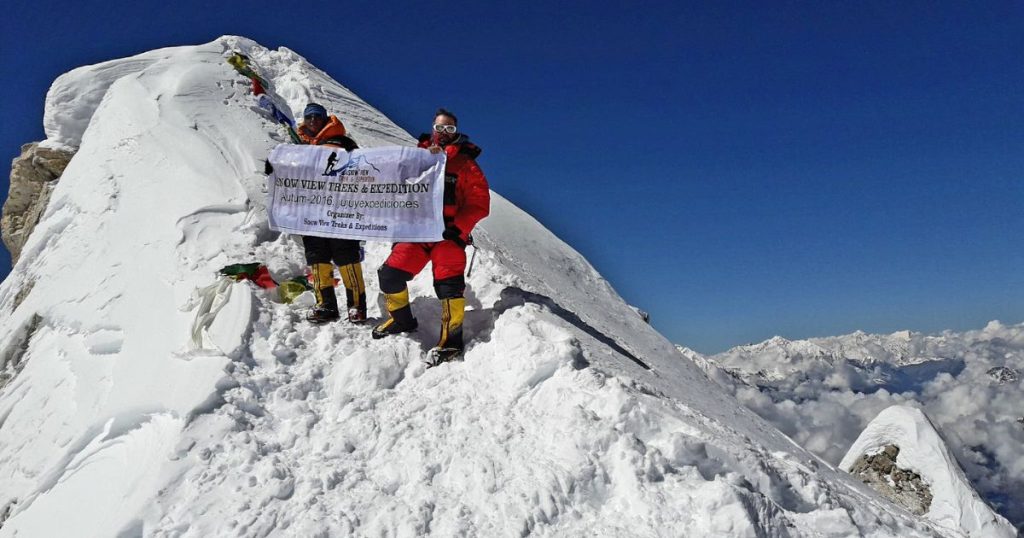
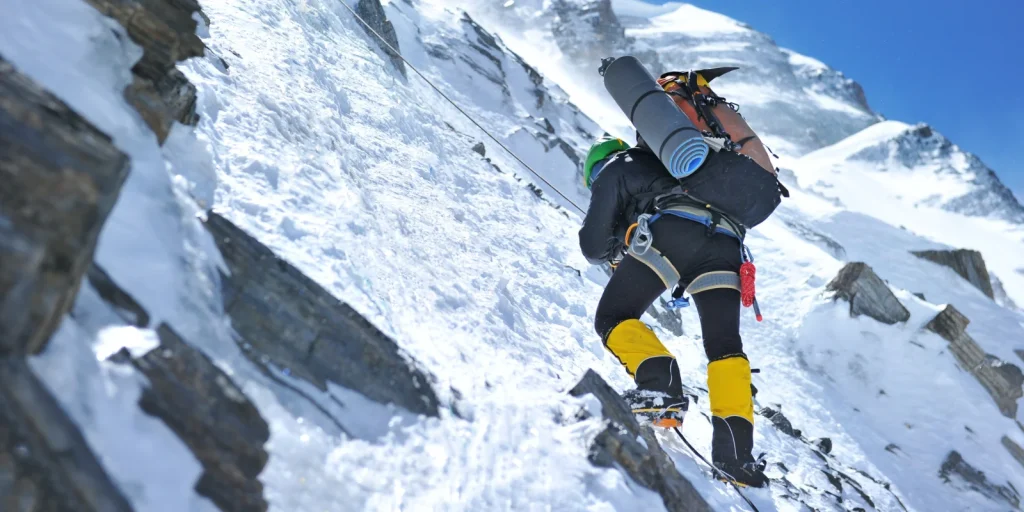
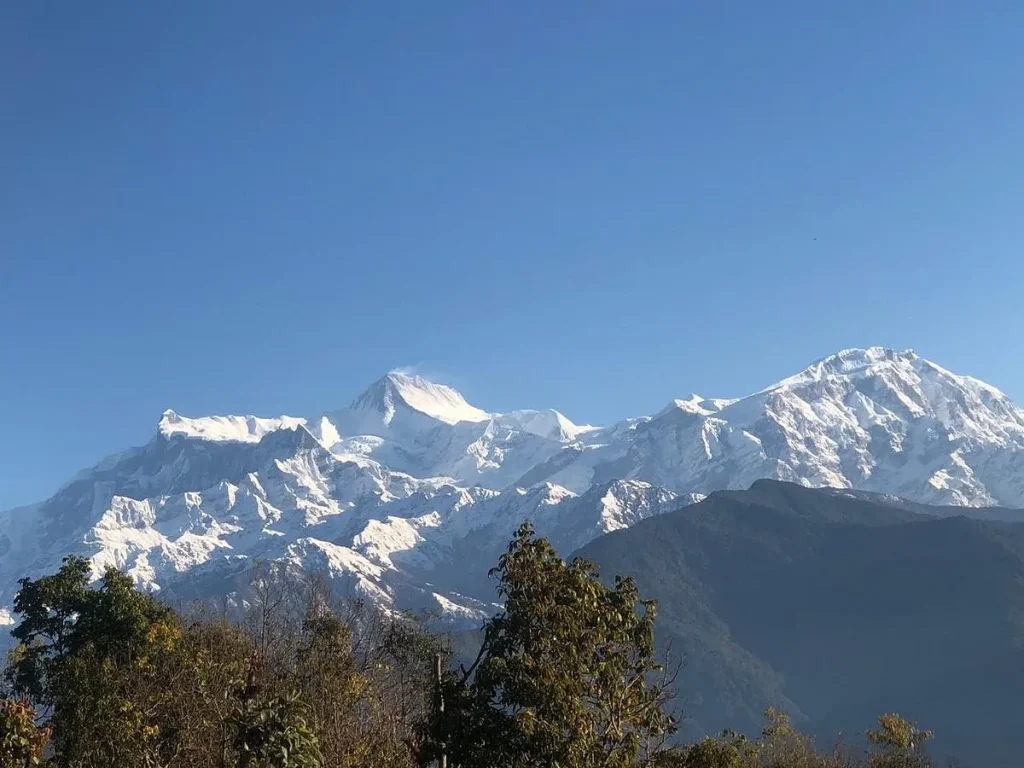
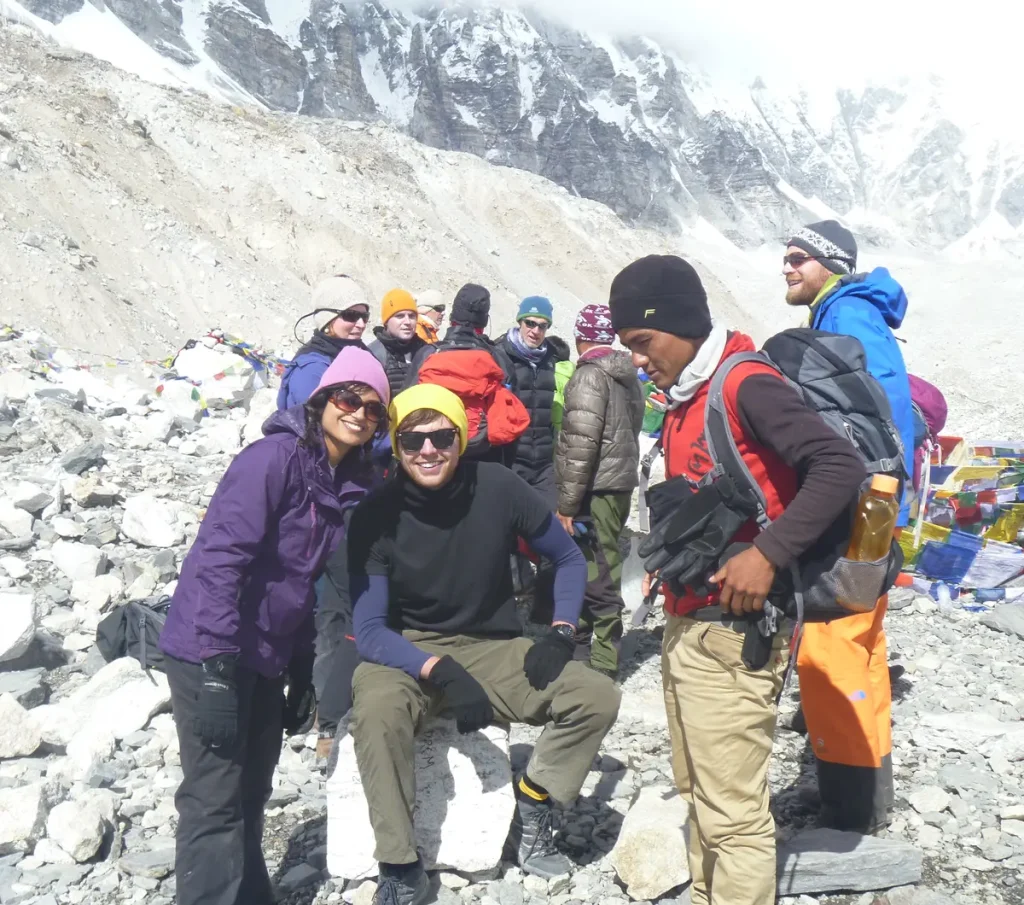
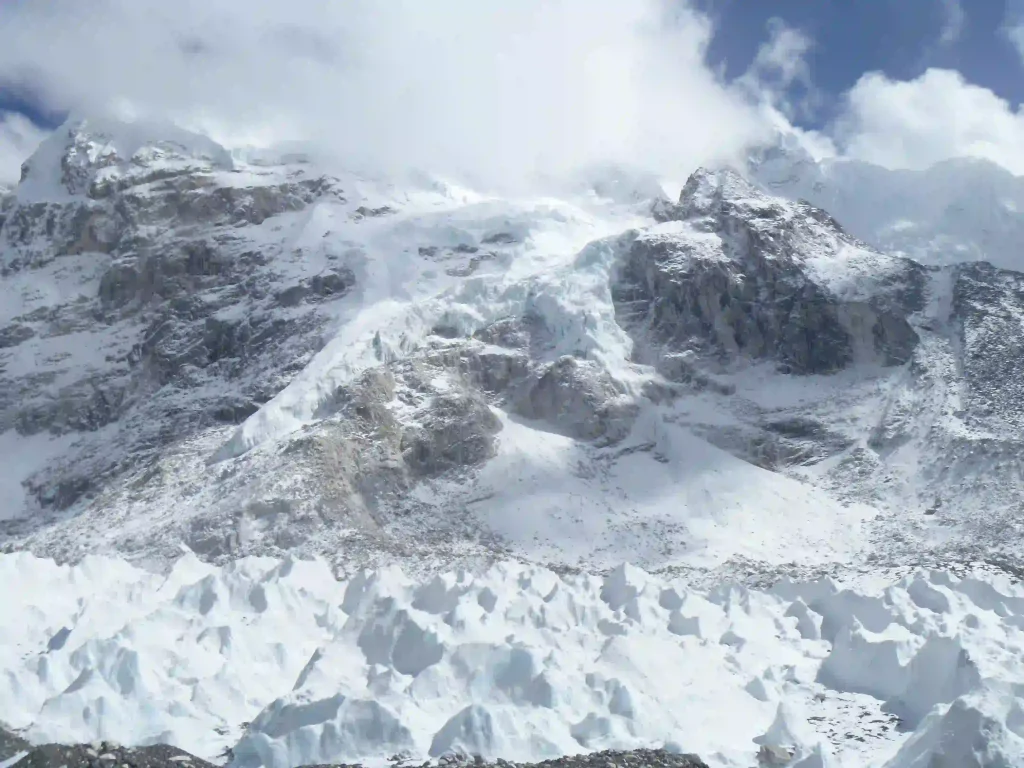
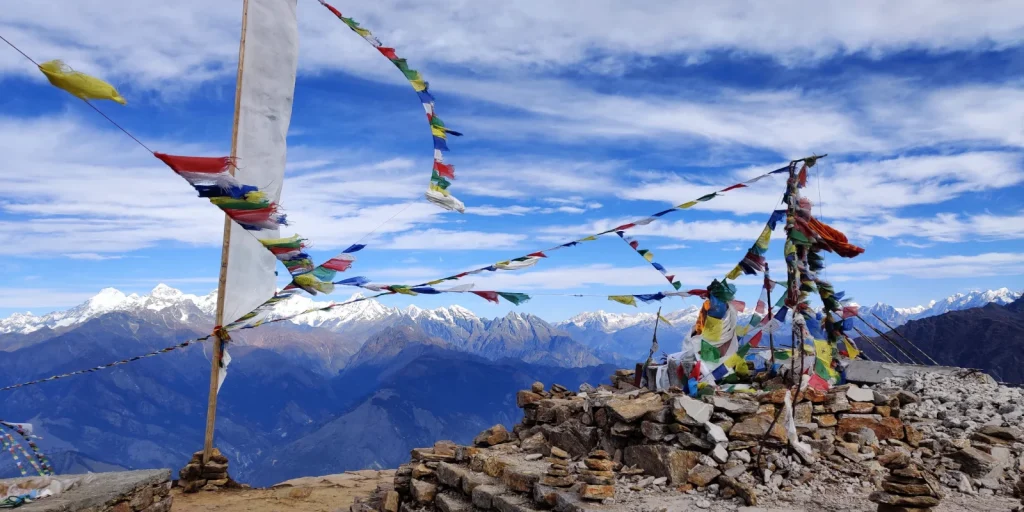
Tsum Valley, with views of the Ganesh and Sringi Himal ranges, is a natural region situated in northern Gorkha, Nepal.
It is home to the Tsumba people, who are renowned for their distinctive way of life, ancestry in Tibetan Buddhism, and historic monasteries like Mu Gompa.
You will pass this protected area, which offers chance to see wildlife, including the rare snow leopard.
Trekkers will find the varied terrain, which ranges from high alpine peaks to lush woodlands and terraced farmland, to be both demanding and enjoyable.
Less populated than other well-known trekking routes in Nepal, providing a more tranquil and pleasant trekking experience.
Experience the kind hospitality of the Tsumba people, who provide homestay lodgings and a window into their customs and everyday life.
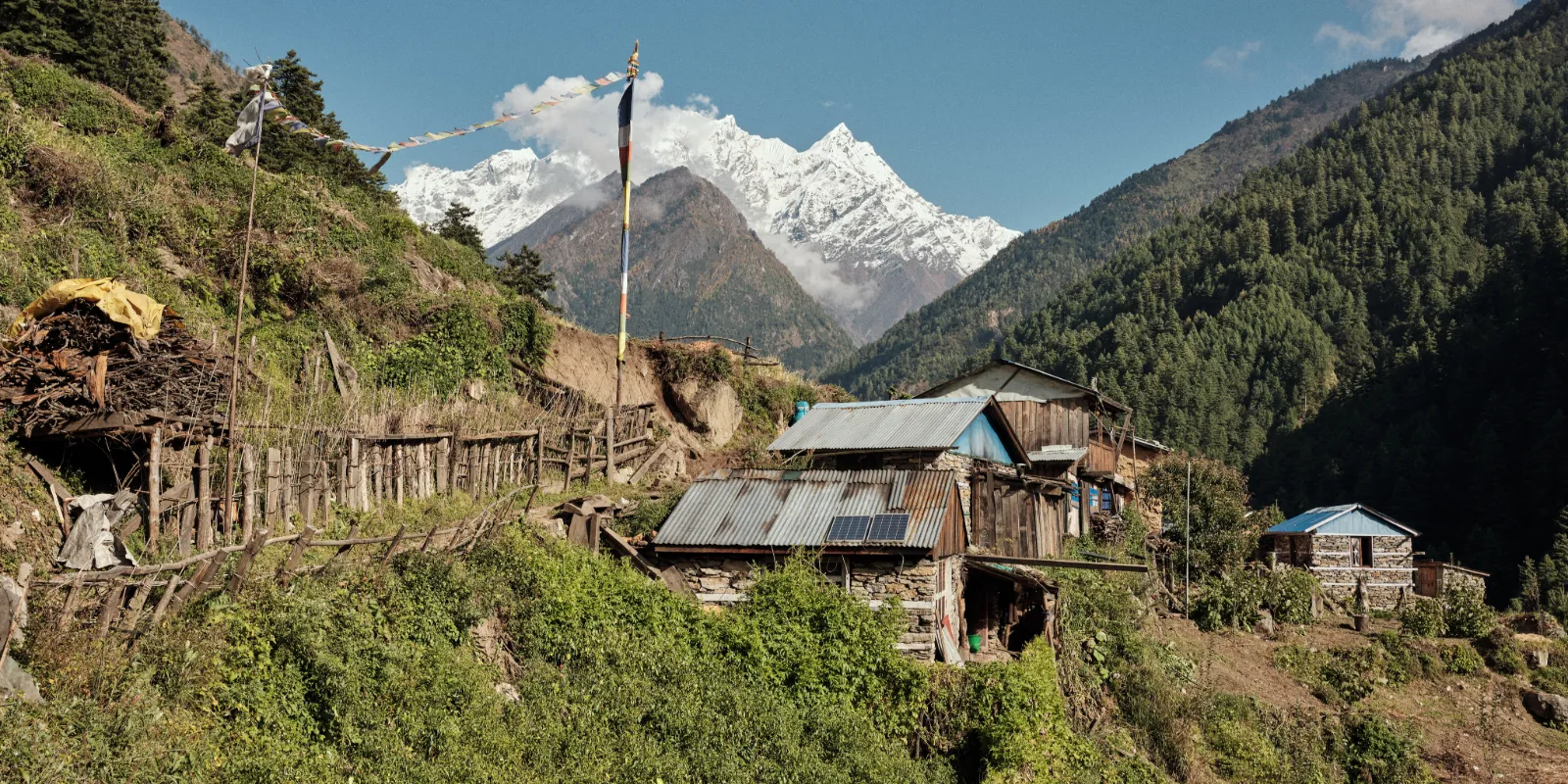
Breathtaking vistas of snow-capped peaks, such as Manaslu, Himalchuli, and Ganesh Himal.
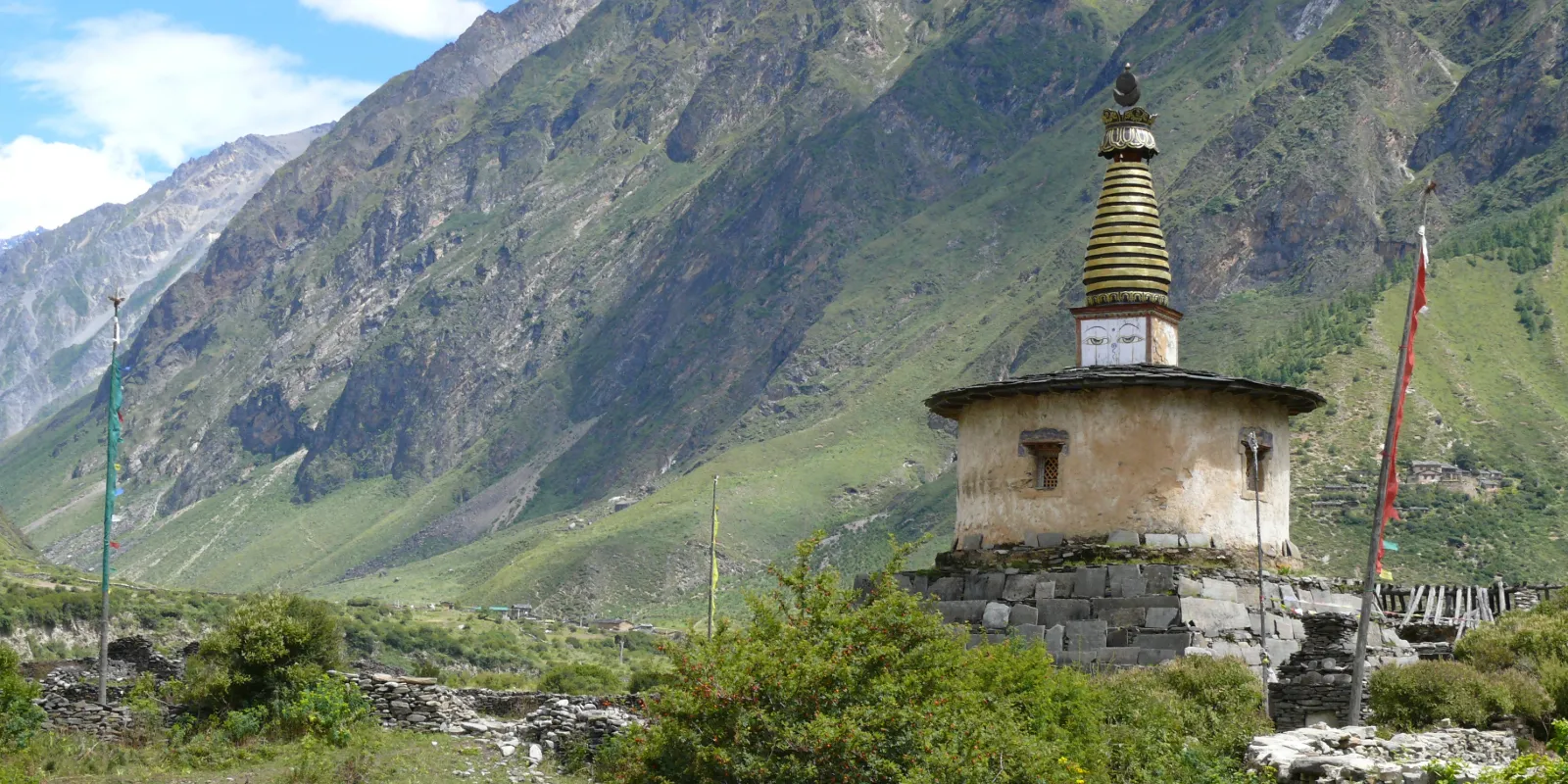
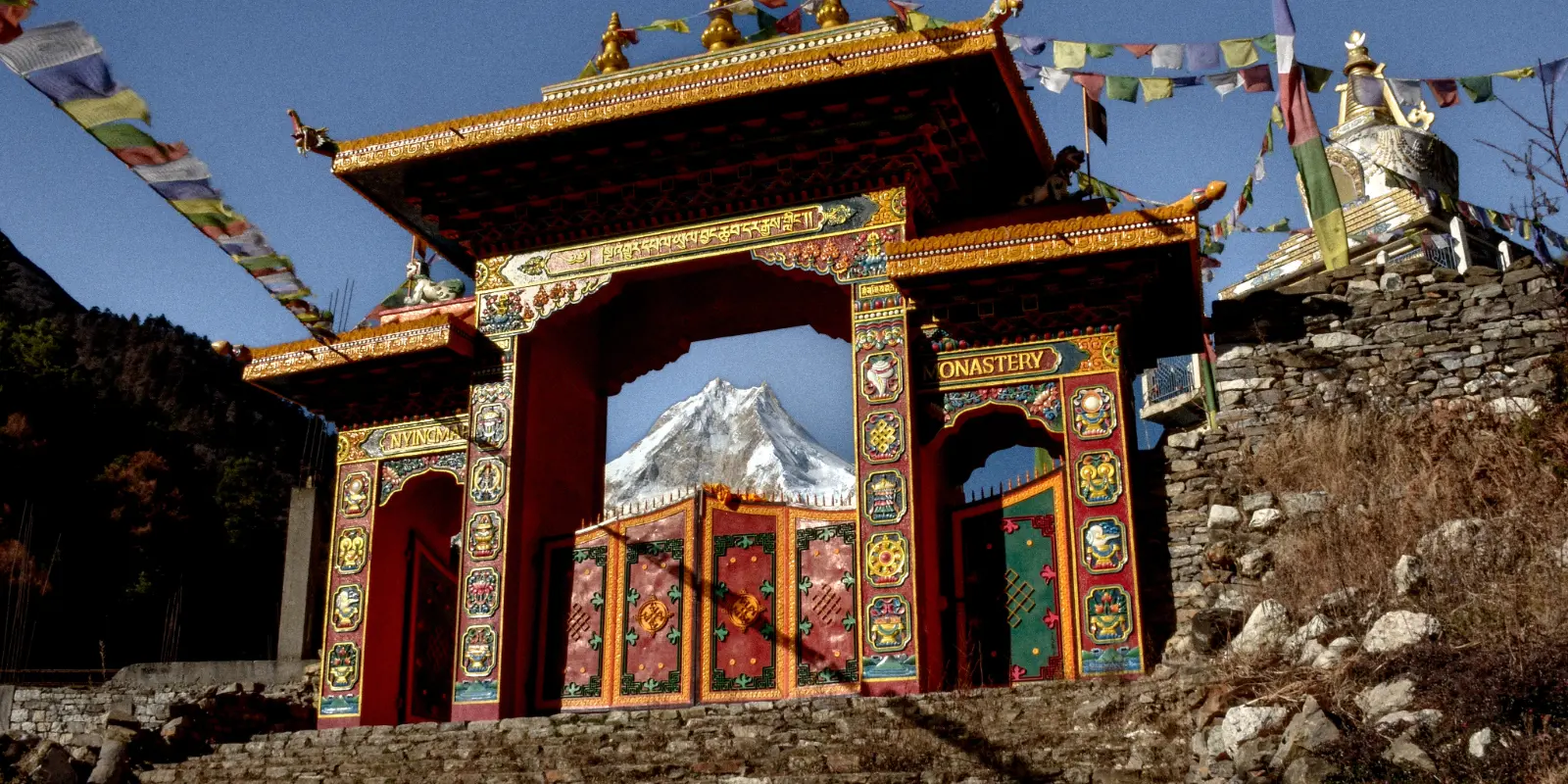
Explore historic Buddhist temples, prayer flags, and chortens that are a reflection of the area’s deeply rooted Tibetan Buddhist culture.
Tsum Valley Trek Overview
The Tsum Valley Trek is a fascinating excursion through a hidden jewel tucked away in Gorkha, Nepal’s northern region. The journey, which is well-known for its magnificent scenery and rich cultural legacy, provides a special fusion of spiritual experiences and the breathtaking beauty of nature.Starting from Arughat, the Tsum Valley trekking route progressively ascends past verdant fields, terraced woods, and charming Tsumba villages. These native people are of Tibetan origin and have managed to hold onto their centuries-old customs, which can be seen through the monasteries, prayer flag-draped chortens, and kind greetings they give to trekkers.The Tsum Valley trekking trail leads into the Manaslu Conservation Area, which is home to a variety of wildlife, including the critically endangered snow leopard. Trekkers are rewarded with breathtaking vistas of magnificent peaks like the towering Manaslu, the eighth-highest mountain in the world, Ganesh Himal, and Sringi Himal.Highlights of the culture include trips to historic Buddhist monasteries like Mu Gompa, where visitors can witness the calm atmosphere of Tibetan Buddhism. Trekking takes on a deeper spiritual meaning because the valley is considered holy in itself. Trekking to Tsum Valley requires a high degree of fitness due to the high altitude, long days, and minimal accommodations along the way.
Tsum Valley Trek Nepal
Day 1 :
Drive from Kathmandu to Arughat , then to Soti Khola, 6 to 8 hours (A, B, L, D)
Following an early morning meal, we will start the tour with a picturesque drive to Arughat and then to Soti Khola. The bus will go along the banks of the Trishuli River and the Prithivi Highway west of Kathmandu. We are going to Dhading Bensi, the district capital of Dhading, in a few hours. The bus will go to Arughat Bazaar from Dhading Bensi by following the Budhi Gandaki River, offering breathtaking views of Mt. Manaslu and Ganesh Himal along the route. We will reach Soti Khola from Arughat after around two hours of driving.
Day 2 :
Trek from Soti Khola to Machha Khola, 6 to 7 hours (A, B, L, D)
av_timer
Trek Duration
6-7 hrs
home_pin
Place
Machha Khola
Today, we’re going to Machha Khola early in the morning. Crossing the Soti Khola at the start of the journey offers picturesque views of several waterfalls and rivers. After that, we’ll go through a stunning Sal forest and reach a hill overlooking the huge Budhi Gandaki rapids. We will descend from Khursane along the edges of terraced farmlands to Lapubesi, an ethnic Gurung settlement. Following that, the trail opens up into a wide valley, and we follow the sandy banks of the Budhi Gandaki River to arrive at Nauli Khola, which we have to cross to go to Maccha Khola.
Day 3 :
Trek from Machha Khola to Jagat, 6 to 7 hours (A, B, L, D)
av_timer
Trek Duration
6-7 hrs
home_pin
Place
Jagat
We will hike through a rich environment, through various ups and downs, and eventually arrive at Tharo Khola, which we will cross to enter Khorlabesi, after eating an early morning meal. After that, we’ll go from Khorla Besi and head for Tatopani. We will then be walking through a smaller valley that leads to the Budhi Gandaki River, which we must cross via a suspension bridge. Following that, a prayer flag-adorned stone stairway leads to Tharo Bharyang. We hike to Jagat, a town located west of the Budhi Gandaki River, by way of a stone-paved route.
Day 4 :
Trek from Jagat to Lokpa, 6 to 7 hours (A, B, L, D)
av_timer
Trek Duration
6-7 hrs
home_pin
Place
Lokpa
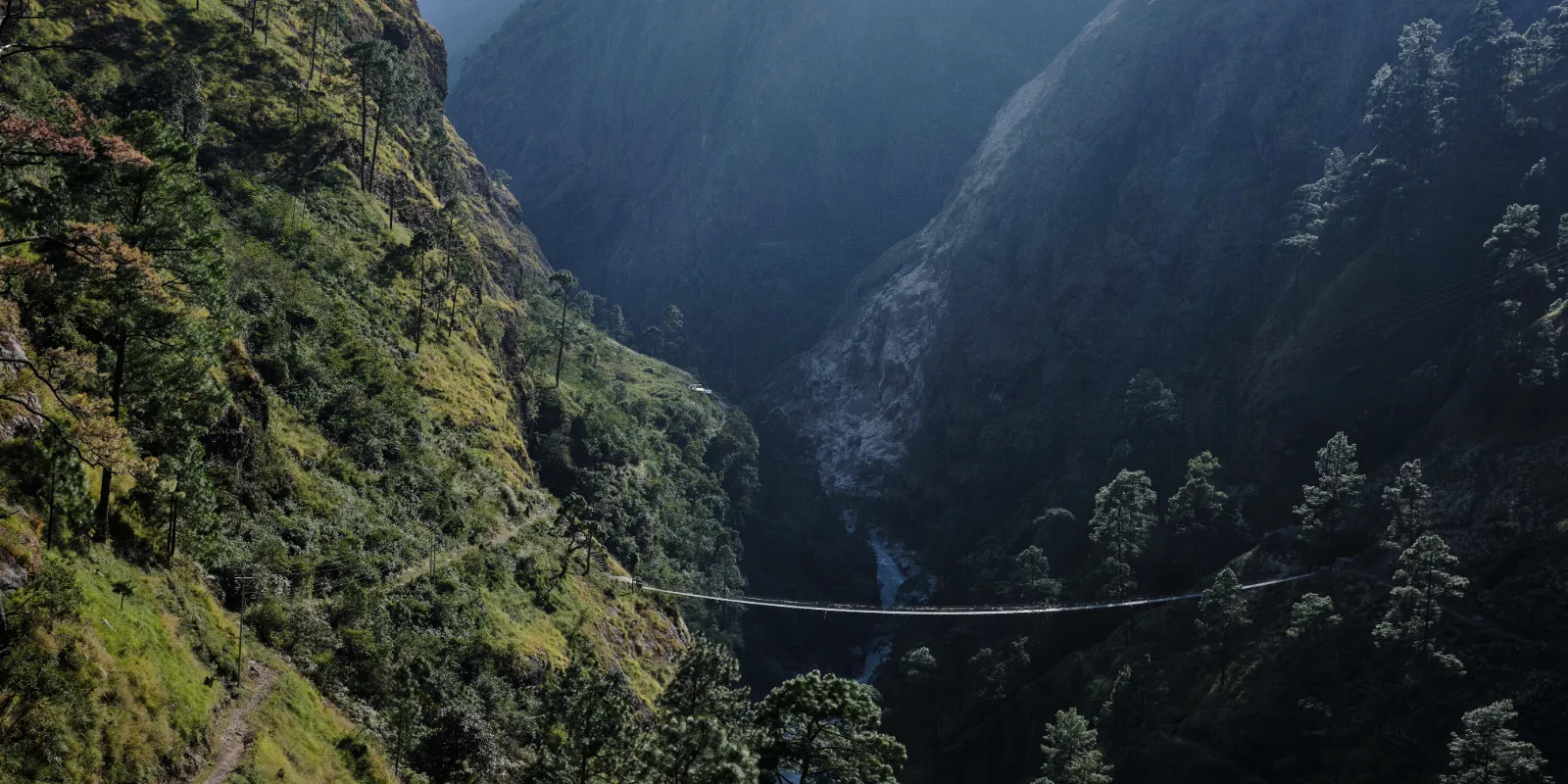
We register our permits for Manaslu and Tsum valleys at the Jagat entrance crossing before moving on to Lokpa. After crossing a steep slope, we will climb to Salleri, where we will pause to take in the views of Mount Sringi before making our way down to Sirdibas. We hike on, arriving at Ekle Bhatti and then Lokpa, the entrance to Tsum Valley, after crossing the largest suspension bridge in Nepal at Sirdibas. The stunning Manaslu range is seen from this town, which is the first in the Tsum valley.
Day 5 :
Trek from Lokpa to Chumling, 5 to 6 hours (A, B, L, D)
av_timer
Trek Duration
5-6 hrs
home_pin
Place
Chumling
The day begins with a hike from Lokpa village, which is the starting point for the Tsum Valley path. However, the real entry to Tsum Valley is found at the bottom of a steep, narrow valley that leads to Lokpa. We will get breathtaking views of Ganesh Himal and Boudha Himal from the walk. The path then descends to the valley of the Lungwa River and continues through a thick forest with pine, juniper, and rhododendron trees. After that, we’ll go to Gumling, and not too long after that, you’ll get to Syar Khola, which indicates that we’ve arrived in Chumling village. We will have plenty of time to see Chumling’s three primary monasteries, Panago Gompa, Mani Dhungyur, and Gurwa Gompa.
Day 6 :
Trek from Chumling to Chhokangparo, 5 to 6 hours (A, B, L, D)
av_timer
Trek Duration
5-6 hrs
home_pin
Place
Chhokangparo
We set out early in the morning, with Chhokangparo as our target for the day. Located on a level terrain, Chhokang Paro is the starting point of the upper Tsum Valley. In reality, Chhokangparo consists of two settlements: Paro and Chhokang. The biggest settlement in Tsum Valley, Domje, is reached by following Shair Khola. We will ascend from Domje to Chhokagnparo, where we will be rewarded with breathtaking vistas of Himalchuli and Ganesh Himal.
Day 7 :
Trek from Chhokang Paro to Nile, 4 to 5 hours (A, B, L, D)
av_timer
Trek Duration
4-5 hrs
home_pin
Place
Nile
The final settlement north of the upper Tsum Valley is the village of Nile, which is located on the western side. From Chhule, we have to walk for twenty minutes to reach the Nile, which is on the sunny side of the Shiar Khola. We will pass the revered Phiren Phu Cave, also known as Pigeon Cave, on our route.
We’ll pass lush meadows and nutrient-rich, constrained landscapes as we go. In this area, there are two other gumbas that are covered in Buddhist paintings. There are beautiful writings engraved on the stones of these gumbas. In order to reach the Nile settlement, we will have to cross a suspension bridge over the Shair Khola.
Day 8 :
Trek from Nile to Mu Gompa, visit Dhephyudonma Gompa, 3 to 4 hours (A, B, L, D)
av_timer
Trek Duration
3-4 hrs
home_pin
Place
Mu Gompa
We will leave Nile Village after an early breakfast and hike up a route to Mu Gompa, the biggest monastery in this area. But first, we will arrive at Dephyudonma Gumba (monastery), one of the oldest in the area and a symbol of the beginning of the Buddist faith in this valley, following a two-hour hike from Nile village.
Located at the highest and farthest point in the Tsum Valley, Mu Gompa was founded in 1895. It has several sacred texts, including the Kangyur, a life-size statue of Avalokiteshwara, and pictures of the Buddhist gurus Tara and Padmasambhava. We will travel through various yak farms and parched Trans Himalayan landscapes before arriving at Mu Gompa.
Day 9 :
Trek from Mu Gompa to Rachen Gompa, 4 to 5 hours (A, B, L, D)
av_timer
Trek Duration
4-5 hrs
home_pin
Place
Rachen Gompa
We leave for Rechen Gompa, a monastery located in the Shiar Khola Valley in the foothills of the Himalayas separating Tibet and Nepal, shortly after breakfast. We will head back via Chhule and descend all the way to Phurba. After that, we’ll go across grasslands covered with boulders along the east side of Siyar Khola to arrive at Rachen Gompa. Built in 1905, this gompa is home to nuns from the Ngak-pa sect. There are several paintings on Buddhism and its history inside the Gompa.
Day 10 :
Trek from Rachen Gompa to Gumba Lungdang, 5 to 6 hours (A, B, L, D)
av_timer
Trek Duration
5-6 hrs
home_pin
Place
Gumba Lungdang
The trail proceeds south into Chumling, passing through Chhokangparo. We shall encounter a little white gompa at Gho after two hours of trekking. We will soon find ourselves walking down a route from this monastery that crosses Siyar Khola on a wooden bridge. We will arrive at Domje, which is home to a school and a clinic for Tibetan herbal medicine, once we cross this bridge. We rise eastward from Domje through a grove of pine, juniper, and rhododendron. Along the way, we will come across multiple mani walls and prayer flags. We will climb up through the silver pine forest one more time to arrive at Lungdang Gompa.
Day 11 :
Trek from Gumba Lungdang to Ganesh Himal Base Camp and back to Gumba Lungdang, 7 to 8 hours (A, B, L, D)
av_timer
Trek Duration
7-8 hrs
home_pin
Place
Gumba Lungdang
We will have a thrilling trip to the Ganesh Himal Base Camp today. Although the walk will begin with an ascent, the scenery will more than make up for it. We will also pass through smaller valleys on the way. The pathways may not be evident because not many people travel to Ganesh Himal Base Camp, but don’t worry; our guides will point you in the right direction. It will take us around four hours to get to Ganesh Himal Base Camp. Following our appreciation of the vistas from Ganesh Himal Base Camp, we will spend the night in Gumba Lungdang.
Day 12 :
Trek from Gumba Lungdang to Lokpa, 6 to 7 hours (A, B, L, D)
av_timer
Trek Duration
6-7 hrs
home_pin
Place
Lokpa
We return to Lokpa. We will first descend to Domje by crossing the Laudang Khola and using the higher track. We will go south from Domje to Ripche over stunning deep forests and suspension bridges. After there, we’ll drop by Batti Ghumlong and then climb a little further to get to Lokpa.
Day 13 :
Trek from Lokpa to Jagat, 6 to 7 hours (A, B, L, D)
av_timer
Trek Duration
6-7 hrs
home_pin
Place
Jagat
Now is the time to descend to Jagat, from where the Budhi Gandaki river will reappear. We will catch a few glimpses of the mountains from the paths. Before getting to Jagat, we have to cross several suspension bridges to get to Sirdibas village.
Day 14 :
Trek from Jagat to Lapu Bensi, 7 to 8 hours (A, B, L, D)
av_timer
Trek Duration
7-8 hrs
home_pin
Place
Lapu Bensi
Following an early breakfast, we will make our way down to Lapu Bensi. We’ll be walking downward for the majority of the hike, but there will be thrills from the suspension bridges. We will travel to Machha Khola first, then cross the Nauli Khola suspension bridge and follow the sandy Budhi Gandaki river bed to Lapu Bensi, a stunning Gurung village.
Day 15 :
Trek from Lapu Bensi to Arughat Bazaar, 4 to 5 hours (A, B, L, D)
av_timer
Trek Duration
4-5 hrs
home_pin
Place
Arughat Bazaar
The journey back to Arughat Bazaar today will not be long. To go to Soti Khola, we first spend a few hours following the Budhi Gandaki River. We’re going to take a Jeep to Arughat Bazaar from Soti Khola. We will drive for a few hours and arrive at the Arughat Bazaar.
Day 16 :
Drive back to Kathmandu from Arughat, 7 to 8 hours (A, B, L)
Following a hearty breakfast, we will take you back to Kathmandu by car. The bus will go alongside the lovely Trishuli River, providing for a picturesque trip. The hills’ verdant surroundings will also be visually appealing. The bus soon travels along the Prithivi Highway eastward to Kathmandu. The trek package to Tsum Valley concludes in Kathmandu.
Cost Includes
Transportation:
Airport pickup and hotel transfers in a private vehicle
Drive from Kathmandu to Sotikhola then Dharapani to Kathmandu by Local transport
Trek Permits and Expenses:
Restricted Area Permit (RAP)
Manaslu Conservation Area Permit (MCAP)
Annapurna Conservation Area Permit (ACAP)
TIMS Card (Trekkers’ Information Management System)
All government, local taxes, and official expenses
Accommodation:
In Kathmandu, accommodations on a twin/double sharing basis with breakfast
During Trek: Total 14 nights on a twin/double sharing basis
Meals:
Breakfast in Kathmandu
Standard full Board Meals During the Treks (one main course per meal with tea and coffee)
Fresh seasonal fruit served along the trail after dinner
Farewell dinner at the end of the trek in Kathmandu
12.5 kg baggage allowance carried by porters (1 porter for 2 trekkers)
All staff’s insurance, salary, equipment, flight or transport, food, and accommodation
Medical Assistance:
Assistance in arranging rescue operations in case of complicated health conditions (funded by travel insurance)
Medical kits, including an oximeter to monitor blood oxygen saturation levels in high altitudes
Equipment and Extra:
Use of a Snow View Trek’s Team down jacket and sleeping bag during the trek (If needed)
One trekking duffel bag (70 L) per participant
Complimentary one Langtang route map and T-shirt
An appreciation certificate after the successful trek.
Cost Excludes
Visa fees
Domestic airfare and airport tax.
Int’l air fare
Personal expenses (phone calls, laundry, boiled water, shower, battery recharge ,bar bills or extra porters)
Excess baggage charges
Rescue and evacuation
Travel and rescue insurance
Extra night in Kathmandu (if you arrive early or late from the mountain)
Lunch & evening meals in Kathmandu
Tips for guides and porters (for staff)
Altitude in:
Departure
Private Trip
Prefer a more personal journey? Our private packages offer flexible dates, custom itineraries, and dedicated support—perfect for those seeking a tailored travel experience.
The majority of lodging options for the Tsum Valley Trek are teahouses and homestays. Along the road, some teahouses provide simple but comfortable overnight alternatives. These usually consist of twin or dormitory-style rooms with common toilets. After a hard day of trekking, trekkers can get the vital nourishment they need at these teahouses, which serve meals like dal bhat (rice and lentils), noodles, and other regional specialties.
In certain Tsum Valley communities, homestays with local families are also offered for a more in-depth cultural experience. Trekkers can build a closer relationship with the Tsumba people, experience their hospitality firsthand, and learn more about their traditional way of life by staying in a homestay. Homestays provide a true window into the habits and culture of the host community but with fewer amenities than teahouses. This makes for an interesting and fulfilling trekking experience in the Himalayas.
MEALS DURING TSUM VALLEY TREK
Meals are usually served at teahouses along the Tsum Valley Trek route. These filling lunches are intended to help hikers regain their energy. Dal bhat, a typical Nepali meal of rice served with lentil soup (dal), veggies, pickles, and occasionally meat (commonly chicken or buffalo), is frequently the main course of choice. This dish is filling and gives you the proteins and carbs you need to hike at high altitudes.
Teahouses provide a wide range of other meals besides dal bhat, including fried rice, pancakes, porridge, noodles (chowmein or thukpa), and soups. Typical breakfast fare consists of porridge, Tibetan bread, boiled, fried, or omelette eggs, along with tea or coffee. Along with snacks, the majority of teahouses sell packaged snacks, chocolate bars, and biscuits.
Teahouses sell either bottled or boiled and filtered drinking water. Having a personal water filter or tablets with you can help you carry more water when you need it while walking. Overall, teahouses in Tsum Valley make sure that trekkers are well-fed and sufficiently powered throughout their journey, despite the menu selections being fairly basic and restricted.
PERMITS REQUIRED FOR TREKKING TO TSUM VALLEY
To hike to Tsum Valley, you must have the necessary permits:
Restricted Area Permit: Tsum Valley requires a Restricted Area Permit (RAP), which is provided by the Department of Immigration in Nepal. Seasons affect the cost.
Manaslu Conservation Area Permit (MCAP): Trekking through the Manaslu Conservation Area requires a Manaslu Conservation Area Permit (MCAP). Acquired from the Nepal Tourism Board or approved organizations.
Annapurna Conservation Area Project (ACAP) Permit: If any portion of your itinerary passes through the Annapurna region, you may need to get an Annapurna Conservation Area Project (ACAP) permit.
ALTITUDE SICKNESS DURING TREKKING TO TSUM VALLEY
Due to the high altitudes, altitude sickness, also known as acute mountain sickness (AMS), can cause symptoms including headaches, nausea, dizziness, and weariness during a walk to Tsum Valley. Severe instances require immediate descent since they might develop into potentially fatal disorders such as high-altitude cerebral edema (HACE) or high-altitude pulmonary edema (HAPE).
To reduce dangers, proper acclimatization is necessary. This includes a slow ascent and the “climb high, sleep low” approach. Other advantages are drinking enough water, eating a balanced diet, and abstaining from caffeine and alcohol. Under medical advice, some medications, such as acetazolamide (Diamox), may be administered. To prevent severe altitude sickness and ensure a safer and more pleasurable journey in Tsum Valley, it is essential to monitor symptoms and respond promptly.
PACKING ESSENTIALS FOR 16-DAY TREK TO TSUM VALLEY
Clothing
Base layers (thermal tops and bottoms)
Insulating layers (fleece or down jacket)
Outer layers (waterproof and windproof jacket and pants)
Trekking shirts (long and short-sleeved, quick-dry)
Trekking pants (lightweight and comfortable)
Warm hat and gloves (insulated)
Sun hat
Buff or scarf
Underwear and socks (several pairs, including thermal socks)
Tsum Valley is a secluded and surreal destination known for its pristine natural beauty and rich cultural history. It is tucked away in the northern region of Nepal’s Gorkha District.
Tsum Valley is a place of natural beauty, verdant forests, and terraced farms that merge into the backdrop of snow-capped peaks such as Ganesh Himal and Sringi Himal.
The uncommon snow leopard is among the many creatures protected by the Manaslu Conservation Area, adding to the valley’s attraction as a trekking destination.
Culturally speaking, the Tsumba people, who have Tibetan ancestry, make up the majority of the population of Tsum Valley. The valley’s unique architecture, ancient monasteries adorned with prayer flags, and warm welcomes to guests are witnesses to its rich traditions.
The valley is also very important religiously, as several Buddhist monasteries, like Mu Gompa, are spiritual hubs where tourists can observe traditions and experience the peaceful atmosphere of Tibetan Buddhism.
Tsum Valley is still mostly unexplored by tourists, giving trekkers a unique chance to see untouched Himalayan scenery and interact with a warm and welcoming local community.
BEST SEASON FOR TREKKING TO TSUM VALLEY
The ideal season for trekking to Tsum Valley is most enjoyable in the spring (March to May) and autumn (September to November). The weather is usually bright and steady throughout these times, providing good visibility of the surrounding Himalayan peaks and cozy walking conditions.
Tsum Valley experiences mild to roughly warm spring temperatures, with lower elevations seeing average daily highs of 15°C to 25°C (59°F to 77°F). The vibrant, lush rhododendron and other wildflower blooms in the valleys add to the trek’s scenic appeal.
With pleasant daytime temperatures in the lower elevations of 10°C to 20°C (50°F to 68°F), autumn is another great season to hike to Tsum Valley. The frequently clear sky gives stunning views of the snow-covered Himalayan peaks. In contrast to the monsoon season, hiking is easy because of the dry and sturdy routes. Trekkers can expect an amazing experience in Tsum Valley’s tranquil scenery and rich cultural legacy during both seasons.
BOOK YOUR TREK TO TSUM VALLEY WITH US
Here at Snow View Trek, we offer visitors a wide selection of options to see Nepal. One of several programs that lets you discover the Himalayas and heightens the excitement of high-altitude trekking is our Tsum Valley Trekking package.
Our team of knowledgeable and skilled specialists has meticulously designed this 11-day trekking itinerary for the Tsum Trek. We make sure to take care of everything, including permits, lodging, food, and transportation, so you can travel safely and comfortably with us. Please get in touch with us if you have any further questions or to book your trip.
This site uses cookies to optimize your user experience. By using this site, you are consenting to our use of these cookies. Check out our Privacy Policy.
Chat with our travel expert
Please fill out the form below to initiate a chat on WhatsApp and resolve your queries quickly.