search
search

Annapurna Base Camp Trekking

globe_location_pin

Country

Nepal

calendar_clock

Duration

14 Days

avg_pace

Difficulty

Moderate
partly_cloudy_day

Best Season

Apr, May, June, July, Sept, Oct

conversion_path

Start / End Point

Kathmndu /Kathmandu

landscape_2

Max. Altitude

4,130m

landscape

Nature Of Trek

Teahouse to teahouse trekking

footprint

Activity

Trekking

directions_walk

Trek Duration

14

location_on

Region

Annapurna Region

groups

Group Size

2 - 19

code_blocks

Trip Code

SVTABC-09

hiking

Activity Per Day

4-7 hours walking

home

Accommodation

Hotel+Teahouse/lodge
flatware

Meals Included

Breakfast, Lunch and Dinner
editor_choice

Recommended For

Beginners and experienced trekkers

  • Reach Annapurna Base Camp (4,130m) below Annapurna I (8,091m), the tenth-highest mountain in the world.
  • Climb to Poon Hill (3,210m) for a sunrise view over Dhaulagiri, Annapurna South, and Nilgiri.
  • Relax in the natural hot springs at Jhinu Danda, warmed by underground heat near the river.
  • Walk inside rhododendron and bamboo forests inside the Annapurna Conservation Area.
  • Spot Himalayan tahr, a wild mountain goat, on the rocky hills near Deurali.
  • View the holy peak of Machhapuchhre from Machhapuchhre Base Camp at 3,700m altitude.
  • Explore Gurung and Magar culture in Chommrong and Ghandruk.

Overview

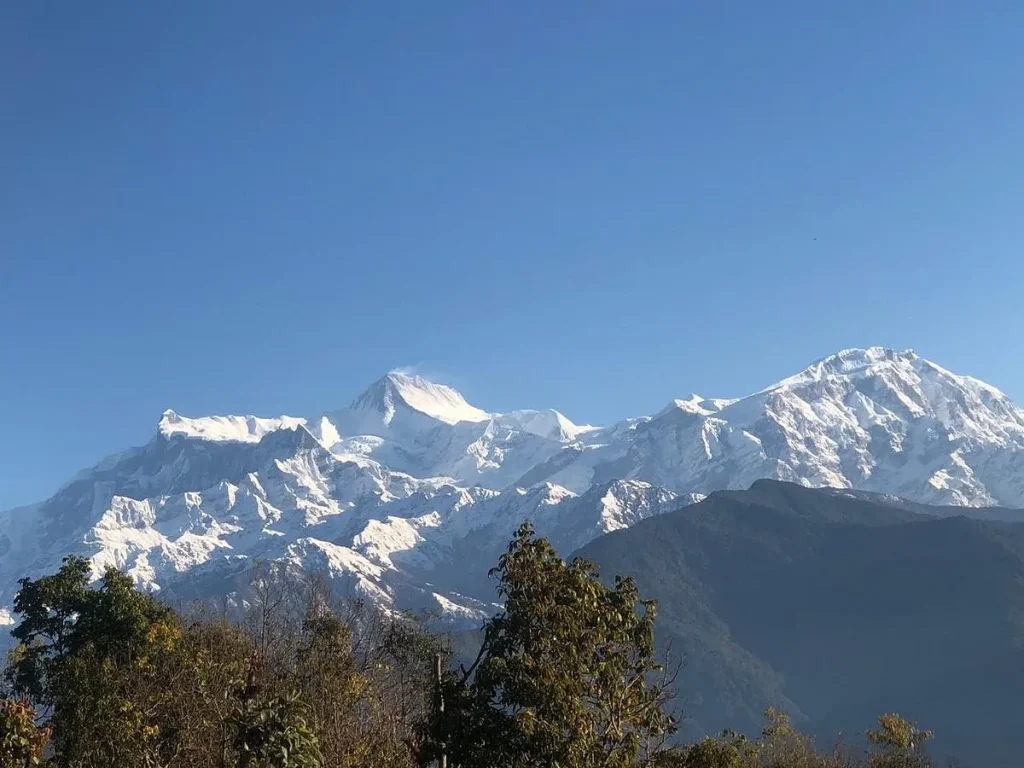
The 14-day Annapurna Base Camp Trek takes travelers to the base of Annapurna I (8,091m) while passing the Poon Hill valley for sunrise views over Dhaulagiri and the Annapurna range. On the way, trekkers can witness Machhapuchhre (Fishtail), Annapurna South, and Hiunchuli peaks that are not visible from lower valleys elsewhere in Nepal. Unlike the Annapurna Circuit, which loops around the Annapurna massif over higher passes, this route travels directly into the Annapurna Sanctuary, making it a shorter option for travelers with limited time who still want to stand among 7,000m and 8,000m peaks.

The trail traverses Gurung and Magar villages such as Chommrong, Sinuwa, and Dovan, where old stone houses and Buddhist monasteries showcase the customs of local Indigenous communities. Trekkers can visit local gompas, observe traditional farming practices, and interact with families who have guided travelers through these hills for generations.

The itinerary of this trek balances physical achievement with day-to-day comfort. Teahouses on the route provide private rooms, hot meals, and charging facilities, while areas around Jhinu Danda offer access to natural hot springs where trekkers can recover after several days of ascent. Support staff, porters, and experienced guides manage the logistics so travelers can focus fully on the trekking experience.

Overall, the trek suits people who want a complete Himalayan experience within two weeks: mountain views comparable to longer routes, connection to Gurung culture and history, and a physically tough but non-technical climb to an 8,000 m peak’s base camp. Snow View Treks organizes this itinerary with licensed local guides and fixed departure support for travelers planning their Annapurna Base Camp journey. If you’re interested, feel free to contact us today.

Annapurna Base Camp Trekking Itinerary

Day 1 :

Arrival in Kathmandu (1,400m) and Transfer to Hotel

road

Drive Distance

5–10km

departure_board

Drive Duration

Approx 20–40 minutes

altitude

Highest Altitude

1345m

home_pin

Place

Kathmandu

Your journey to Nepal starts the moment your plane touches down at Tribhuvan International Airport in Kathmandu. If you need a visa on arrival, head to the kiosk machines first. Scan your passport and fill out the short form on screen. Print the slip and take it to the bank counter to pay the fee in cash (US dollars are strongly preferred, so bring USD 30 for 15 days or USD 50 for 30 days). Once that is done, join the immigration line and wait for your passport to get stamped. Then collect your bags and walk out.

Outside the terminal, you will find a crowd of drivers holding signs with names written on them. Scan the group for your name or the logo of our trekking agency. Your driver will greet you and carry your bags to the car. From here, it’s a 30 to 45 minute drive from the busy streets of Kathmandu to the Thamel area. Once you reach your hotel, you can check in, unpack, and take a hot shower to wash off the tiredness of your flight.

Day 2 :

Drive from Kathmandu (1,400m) to Pokhara (822m) by Tourist Bus

road

Drive Distance

Approx. 200km

departure_board

Drive Duration

6–8 hours

altitude

Highest Altitude

900m

home_pin

Place

Pokhara

Your alarm will ring early today, somewhere around 6:00 AM, as you get ready for the ride to Pokhara. After a quick breakfast, you will check out of your Kathmandu hotel and make your way to Tourist Bus Station, just a short walk or taxi ride from Thamel. The bus pulls out right on time and starts the long drive west.

The road out of the Kathmandu Valley follows the Prithvi Highway and the Trishuli and Marsyangdi rivers for much of the way. You will stop once in the late morning for tea, coffee, and a light bite, and again around early afternoon for a proper lunch break. By mid to late afternoon, the bus enters the Tourist Bus Park in Pokhara, where your guide or a waiting taxi will pick you up and drive you straight to your hotel in Lakeside.

Day 3 :

Drive from Pokhara (822m) to Nayapul (1,070m) and Trek to Tikhedhunga (1,540m)

directions_walk

Trek Distance

8km

av_timer

Trek Duration

3–4 hours

road

Drive Distance

40km

departure_board

Drive Duration

1.5–2 hours

altitude

Highest Altitude

1570m

home_pin

Place

Tikhedunga

The day starts with an early breakfast at your Pokhara hotel before your guide picks you up at 7:30 AM. The drive follows the Baglung Highway with views of Machhapuchhre (Fishtail Peak) before reaching the trail town of Nayapul (1,070m) after about two hours. Here, you can rest your legs and meet your porters as they get your bags ready for the trail ahead.

With your daypack on your shoulders, you will take your first steps toward the riverside village of Birethanti (1,025m). Your guide will stop here so your permits can be checked and registered at the counter. From there, you will cross a suspension bridge over Bhurungdi Khola, which will stay close by your side for the rest of the day.

Around 1:00 PM, you will stop for lunch at a small teahouse in Sudame or nearby Hille. After lunch, the path rises a little more, and by early afternoon, you will reach the village of Tikhedhunga (1,540m), where slate-roofed teahouses welcome you for the night.

Day 4 :

Trek from Tikhedhunga (1,540m) to Ghorepani (2,860m)

directions_walk

Trek Distance

12km

av_timer

Trek Duration

6–7 hours

altitude

Highest Altitude

2840

home_pin

Place

Ghorepani

After a good breakfast, you will set out around 7:15 AM for the famous Ulleri staircase, a 3,300-stone-step staircase built into the hillside. Take your time here. Short, careful steps and good use of your trekking poles will save your legs a lot of pressure. By around 10:00 AM, the steps finally slow down as you reach the large Gurung village of Ulleri (2,080m). This is a great spot to rest at a teahouse with a hot lemon tea and look back at how far you have climbed.

From Ulleri, the trail enters a forest of old rhododendron and oak trees wrapped in moss. If you are here in spring, the whole forest turns pink, red, and white as the rhododendrons bloom. Around 1:00 PM, you will stop at the forest village of Nangethanti (2,460m) for lunch before continuing for another one and a half to two hours to reach Ghorepani (2,860m). Once you drop your bags at the lodge, step outside and look west to see Dhaulagiri (8,167m), the seventh-highest mountain in the world.

Day 5 :

Morning Hike to Poon Hill (3,210m) and Trek to Tadapani (2,630m)

directions_walk

Trek Distance

12km

av_timer

Trek Duration

6–7 hours

altitude

Highest Altitude

3210m

home_pin

Place

Tadapani

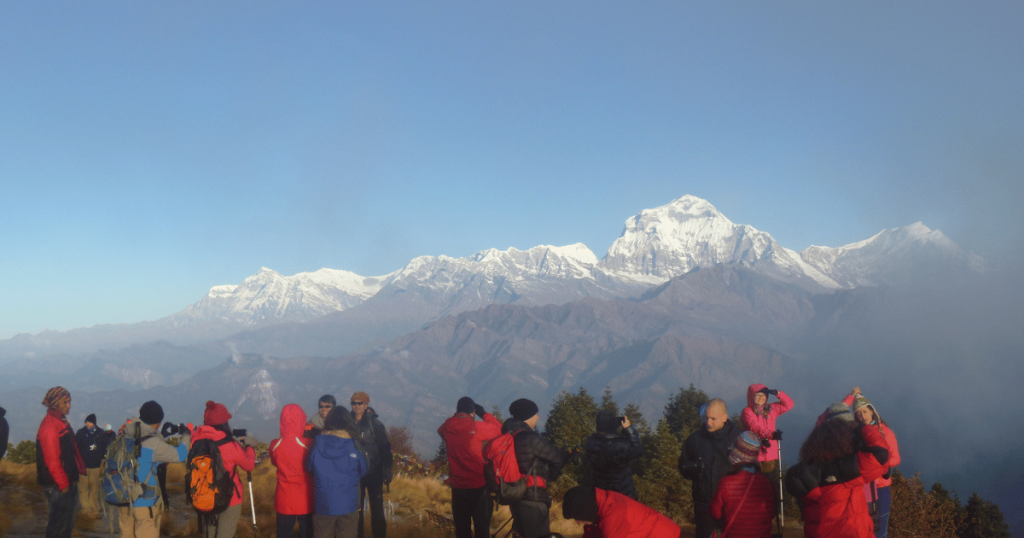
Long before sunrise, put on your warmest layers, strap on your headlamp, and meet your guide in the lobby by 5:00 AM. From there, you will join a line of headlamps climbing a stone staircase up the ridge, gaining about 350m over 45 minutes to an hour. Just as you reach the top of Poon Hill (3,210m), the peaks of Dhaulagiri and Annapurna I turn gold and pink right before your eyes. From up here, you can see more than 20 peaks on the horizon, including Machhapuchhre and Nilgiri.

Once you have had your fill of photos, you will walk back down to your lodge in Ghorepani for breakfast and pack up before hitting the trail again. Around midday, you will stop at Deurali Pass (2,960m) for lunch before the trail drops down toward a stream and then climbs back up to Tadapani (2,630m). Step out from your teahouse porch in the evening, and you will find Machhapuchhre and Annapurna South looking closer and bigger than ever before.

Day 6 :

Trek from Tadapani (2,630m) to Chommrong (2,170m)

directions_walk

Trek Distance

10–11km

av_timer

Trek Duration

5–6 hours

altitude

Highest Altitude

2140m

home_pin

Place

Chommrong

Once you hit the trail after breakfast, the path drops through an oak and rhododendron forest toward Chuile village, where fields of millet and stone houses give you a real mountain life experience. The trail keeps dropping past local schools and farms until you reach the bottom of the canyon and cross a suspension bridge over the Kimrong Khola at 1,900m.

Once you cross the river, the trail wastes no time and sends you straight back up into bamboo groves to the small junction village of Taulung, a perfect stop for lunch. From here, the trail joins the main path coming up from Ghandruk; before long, you walk into Chommrong (2,170m), the largest village on this part of the trail. Chommrong is considered a sacred village, and meat is not allowed on the trail beyond this point out of respect for the local mountain gods. So, enjoy your last plate of eggs or a favorite treat here, since the menus from here onward will turn simple, vegetarian, and full of carbs to keep you going.

Day 7 :

Trek from Chommrong (2,170m) to Dovan (2,600m)

directions_walk

Trek Distance

10km

av_timer

Trek Duration

5–6 hours

altitude

Highest Altitude

2500m

home_pin

Place

Dovan

An early breakfast gets you ready for the trail, and right from the start, you will come face to face with the famous Chommrong staircase. The steps bottom out at the canyon floor, where you will cross a big suspension bridge over the Chommrong Khola. The moment you step off the bridge, the trail flips completely and sends you climbing up rocky steps through the jungle. After an hour of climbing, you will reach the ridge village of Upper Sinuwa (2,360m).

From Sinuwa, the trail enters a forest full of moss, ferns, and tall orchids, so keep your eyes open for Gray Langur monkeys that you may spot on the branches above. The path then drops down a stone staircase into the village of Bamboo (2,310m) for lunch before a final hour of walking brings you to the forest settlement of Dovan (2,600m).

Day 8 :

Trek from Dovan (2,600m) to Machhapuchhre Base Camp (3,700m)

directions_walk

Trek Distance

9 km

av_timer

Trek Duration

5–6 hours

altitude

Highest Altitude

3800m

home_pin

Place

Machhapuchhre Base Camp (MBC)

The trail takes you uphill from the start today to Himalaya Hotel (2,920m), a cluster of lodges situated under a huge cliff. Not far past here, you will walk by the old Hinu Cave, a large rock overhang used by early explorers and shepherds as shelter from the weather. As you continue, the tall trees and bamboo start to thin out and give way to low shrubs and dry grass as you reach Deurali village (3,200m).

Deurali is a good place to rest for about an hour to adjust your body to the altitude, and a hot bowl of garlic soup here is a local favorite believed to help with the effects of altitude. Leaving Deurali, the trail follows the bank of the Modi Khola River before climbing up the moraine of the glacier. As you reach the top of this climb, the valley opens wide, and the huge peak of Machhapuchhre, also called Fishtail Mountain, comes into view right in front of you.

By mid-afternoon, you will walk into Machhapuchhre Base Camp (3,700m), where you can drop your bags and head to the warm dining hall to relax. At this height, avoid sudden exertion, drink plenty of water—around 3 to 4 liters a day—and let your guide know right away if you feel a headache or any dizziness so they can keep an eye on you.

Day 9 :

Trek from Machhapuchhre Base Camp (3,700m) to Annapurna Base Camp (4,130m) and Back to Bamboo (2,310m)

directions_walk

Trek Distance

16–18km

av_timer

Trek Duration

7–9 hours

altitude

Highest Altitude

4130m

home_pin

Place

Bamboo

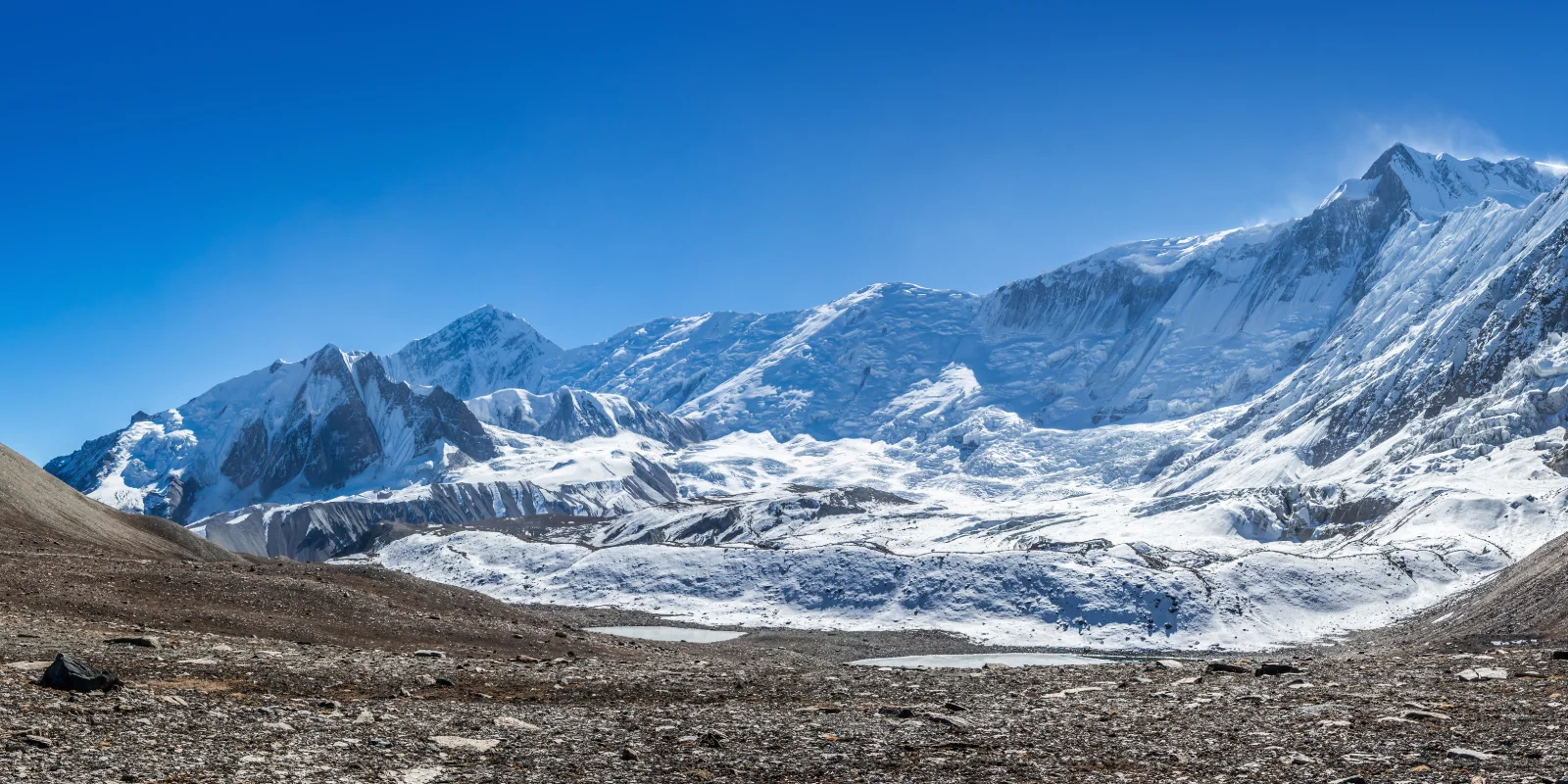
Bundle up in your warmest gear, switch on your headlamp and set off with your guide well before sunrise. The route climbs the rocky edge of the South Annapurna Glacier before reaching Annapurna Base Camp (4,130m). The massive face of Annapurna I stands right above you alongside Annapurna South, Hiunchuli and the Machhapuchhre peak.

After breakfast, you will pack up and turn back down the valley, and this part of the day moves fast as every step downhill brings more oxygen into your lungs. You will pass quickly by MBC and drop down to reach Deurali by around noon for a quick lunch. By late afternoon you will arrive back at Bamboo (2,310m) village. Drop your bags, treat yourself to a hot shower and enjoy an evening with your team after reaching the center of the Annapurna Sanctuary.

Day 10 :

Trek from Bamboo (2,310m) to Jhinu Danda (1,780m)

directions_walk

Trek Distance

8–10km

av_timer

Trek Duration

5–6 hours

altitude

Highest Altitude

1750m

home_pin

Place

Jhinu Danda

Today you get a small break from the early wakeups and can enjoy a comfortable breakfast before setting off. The route takes you straight to the Sinuwa (2,360m) settlement, a good place to pause and take one last look back up the valley at the high peaks of the sanctuary you have just left behind. From here the trail drops down to the suspension bridge over the Chommrong Khola. Once you cross the river, you come face to face with the Chommrong stone steps again, only this time you are heading up.

By late morning you will reach the top of the ridge in Upper Chommrong. You are now back below the sacred sanctuary boundary so the menu opens right up, and you can eat eggs or a plate of Dal Bhat to mark the end of your high altitude trek. After lunch, you will leave the main trail toward Ghandruk and head towards Jhinu Danda (1,780m).

Day 11 :

Trek from Jhinu Danda (1,780m) to Nayapul (1,070m) and Drive to Pokhara (822m)

directions_walk

Trek Distance

13–14km

av_timer

Trek Duration

5–6 hours

road

Drive Distance

40–45km

departure_board

Drive Duration

1.5–2 hours

altitude

Highest Altitude

1010m

home_pin

Place

Pokhara

Just minutes out of the village, you will reach the famous 287m long Jhinu Danda suspension bridge above the Modi Khola river. You will pass subtropical scenery with banana trees and small farmhouses along the way until you reach Nayapul settlement, where your journey on foot comes to an end.

At Nayapul, your jeep or shared transport will be waiting to take you the rest of the way. The first part is a drive on the rough mountain road through the Modi Khola valley, passing back Hemja and Phedi where your trek first began. From Nayapul, the road smooths out as you join the paved Baglung Highway all the way down to Pokhara. By midday you will pull up to your hotel in the Lakeside area, ready for the small luxuries you have missed for the past week.

Day 12 :

Pokhara City Tour

road

Drive Distance

20–30km

departure_board

Drive Duration

3–5 hours

home_pin

Place

Pokhara

north to Mahendra Cave, a large limestone cave first found by local shepherds back in the 1950s. Just a short walk away is the Bat Cave, also known as Chameri Gufa, a darker experience where a headlamp lets you spot thousands of horseshoe bats clinging to the ceiling above. From there you will head to the K.I. Singh Bridge to look down into the Seti River Gorge.

The tour continues south to Davis Falls, locally called Patale Chhango, where the Pardi Khola river disappears straight down into an underground tunnel instead of falling over an open cliff. Right across the street you can walk down spiral stairs into Gupteshwor Mahadev Cave, one of the longest cave systems in Nepal, and reach a spot where you can see the base of Davis Falls from underneath.

After lunch back near Lakeside, your vehicle will carry you up to the World Peace Stupa. To end the day, you will head back down to the lake and board a wooden Dunga boat for a row out to Tal Barahi, a two-tiered temple situated on its own tiny island in the middle of Phewa Lake.

Day 13 :

Drive Back from Pokhara (822m) to Kathmandu (1,400m) by Tourist Bus

road

Drive Distance

200km

departure_board

Drive Duration

6–8 hours

home_pin

Place

Kathmandu

Once you find your bus and hand your bags to the driver, you can settle into your seat as the bus pulls out and starts the long ride back toward Kathmandu. The route follows the Prithvi Highway once again and runs beside the Marsyangdi and Trishuli river canyons. The road can get a little slow in places due to ongoing construction, so keep a book, some music or a charged power bank handy to pass the time.

By late afternoon, the bus will roll back into Kathmandu. From there, a taxi ride or a meeting with our agency driver will take you straight to your hotel in Thamel, where you can relax after two incredible weeks in the mountains.

Day 14 :

Final Departure

road

Drive Distance

5–10 km

departure_board

Drive Duration

20–40 minutes

home_pin

Place

Kathmandu

Your final morning starts with packing up your gear for the last time. Once your bags are ready head down to the front desk to check out and settle any last bills before your driver arrives to take you to the airport. Since Kathmandu traffic can be unpredictable, it is best to leave your hotel around three and a half hours before your flight, even though the airport is not far from Thamel. 

At the airport, you will show your passport and ticket to enter the terminal before heading to your airline counter to drop your bags and collect your boarding pass. Hope to see you again soon, with the same level of energy and enthusiasm you have shown throughout these past few weeks!

Cost Includes

  • Airport pick-up & drops.
  • Hotels in Kathmandu as per itinerary.
  • Domestic airfare and airport taxi.
  • All meals & accommodation during the trekking period.
  • All entrance fees and Trekking permit.
  • Highly experienced guide and staff (1 porter for 2 trekkers).
  • Staff, insurance, salary, equipment, flight or transports, food and accommodation.
  • All necessary ground transportation.
  • Travel & rescue coordination/arrangement.
  • Welcome & farewell dinner in Kathmandu at a typical Nepali restaurant.

Cost Excludes

  • Visa fees.
  • Int’l air fare.
  • Personal expenses (phone calls, laundry, boiled water, shower, battery recharge, bar bills or extra porters).
  • Excess baggage charges.
  • Rescue & Evacuation.
  • Travel and rescue insurance.
  • Extra night in Kathmandu (if you arrive early or late from the mountain).
  • Lunch & evening meals in Kathmandu.
  • Tips for guides and porters (for staff).

Departure

Private Trip

Prefer a more personal journey? Our private packages offer flexible dates, custom itineraries, and dedicated support—perfect for those seeking a tailored travel experience.

Good to Know

The itinerary can be changed or customized according to your duration of holidays & as per your requirements. The trip price will be according to Deluxe, Standard, Budget and group size so please kindly provide us your details for tailor made program. If this above itinerary is not suffice or have any questions, you can ask one of our expert team  for help.

FAQs for Annapurna Base Camp Trekking

Transportation to Annapurna Base Camp Trek

The journey to the Annapurna Base Camp Trek starts with travel from Kathmandu to Pokhara, which is about 200 km by road. A domestic flight from Tribhuvan International Airport to Pokhara takes around 25–30 minutes and is the quickest choice. A tourist bus takes about 7–9 hours based on road and traffic conditions. Tourist buses cost around USD 10–25 per person, while a private car or jeep can cost about USD 150–250 for the vehicle. We will arrange the transportation for you.

From Pokhara, you need a road transfer to the trek’s starting point (Nayapul). A private 4WD jeep from Pokhara to Nayapul takes around 2 hours and costs about USD 50–60 per vehicle. Shared local vehicles are cheaper at around NPR 400–600 per person but can take longer due to passenger stops and road conditions. From Nayapul, the trail continues toward Tikhedhunga and the Modi Khola valley before reaching Annapurna Base Camp.

What Food Is Available During the Annapurna Base Camp Trek?

Here is a breakdown of the typical food available on the trek across breakfast, lunch, and dinner:

Meal Type Items Hot Drinks
Breakfast
  • Tsampa porridge
  • Tibetan Bread
  • Plain or apple porridge
  • Eggs (Boiled, Fried, Scrambled, or Plain/Veg Omelets)
  • Pancakes (Plain, Banana, Chocolate, or Apple)
  • Toast with butter, jam, or honey
  • Ginger Lemon Honey Tea (best for immunity/altitude)
  • Masala Milk Tea (Chai)
  • Black/Green tea
  • Coffee
Lunch
  • Dal Bhat
  • Veg Momos
  • Chow Mein
  • Fried Rice (Egg/Veg)
  • Macaroni (with cheese, tomato sauce, or vegetables)
  • Sherpa Stew
  • Spring Rolls
  • Basic Veg Burgers or Sandwiches
  • Mint tea
  • Hot Lemon drink
  • Hot Mango or fruit juice
Dinner
  • Dal Bhat
  • Potato dishes
  • Thukpa (Hot noodle soup to warm up in cold evenings)
  • Pizza (Basic flatbread topped with local Yak cheese and tomato sauce)
  • Pasta/Spaghetti
  • Hot Chocolate
  • Warm Milk with honey
  • Ginger tea

What Can You See During the Annapurna Base Camp Trek?

The Annapurna Base Camp Trek takes you through mountain landscapes, forests, and high Himalayan valleys. On the route, you can see several major peaks, culture, rivers, and wildlife within the Annapurna Conservation Area.

  • Annapurna I (8,091 m): See the world’s 10th-highest mountain from Annapurna Base Camp.
  • Machhapuchhre (6,993 m): The famous double-peaked Fishtail Mountain appears from several parts of the trail and is considered sacred by local communities.
  • Annapurna South and Hiunchuli: These two peaks form a high mountain wall above parts of the trail and become more noticeable as you approach the base camp.
  • Terraced Fields: Around villages such as Ghandruk and Landruk, you can see large farming terraces.
  • Rhododendron and Bamboo Forests: The lower and middle parts have dense forests with rhododendron, bamboo, and other mountain plants. Spring brings rhododendron flowers in many parts of the trail.
  • Modi Khola River: The trail follows the Modi Khola much of the upper valley, with several suspension bridges crossing its streams and smaller side rivers.
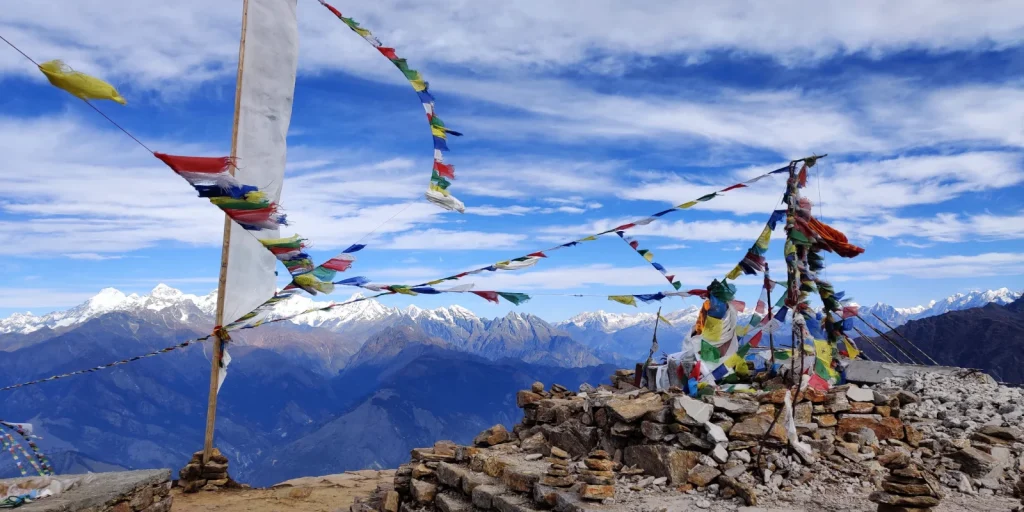
  • Gurung and Magar Villages: Ghandruk, Chommrong, and other settlements let you see stone houses, schools, prayer flags, and daily village life.
  • Mountain Wildlife: The protected area is home to animals such as Himalayan tahr, gray langurs, and the Himalayan monal (Nepal’s national bird).

Annapurna Base Camp vs Poon Hill Trek

The Annapurna Base Camp (ABC) Trek and the Ghorepani Poon Hill Trek are both incredible routes in Nepal, but they offer completely different experiences. Let’s have a look at them:

Aspect Poon Hill Trek Annapurna Base Camp Trek
Duration 6-9 days 7-14 days
Maximum Elevation 3,210 m 4,130 m
Distance Shorter loop (Ulleri, Ghorepani, Tadapani) Longer route into the Annapurna Sanctuary
Endpoint Poon Hill viewpoint Annapurna Base Camp
Route Overlap Does not continue past Ghorepani area Passes through or near Poon Hill on the way in
Mountain Views Dhaulagiri, Annapurna South, Nilgiri Machhapuchhre, Hiunchuli, Annapurna I from inside the sanctuary
Altitude Risk Minimal Moderate
Hot Springs Access Not included Jhinu Danda hot springs included
Best Suited For Travelers wanting a shorter trek Travelers wanting a full sanctuary experience and higher achievement point

Annapurna Base Camp Trek Permits

As of 2026, only one permit is required for the Annapurna Base Camp Trek: the ACAP. The TIMS card is not needed.

Permit Cost (Foreigners) Cost (SAARC Nationals) Purpose
ACAP (Annapurna Conservation Area Permit) NPR 3,000 (USD 20) NPR 1,000 Entry into the Annapurna Conservation Area

Note: Children under 10 are exempt from this fee, though their details are still recorded at the permit office.

Who Is Annapurna Base Camp Trek Suitable For?

The Annapurna Base Camp Trek is suitable for active travelers with moderate fitness who can walk for about 5–7 hours a day on rough mountain trails. It is a good choice for hikers who want to see 8,000-m peaks at close range without undertaking a long Himalayan expedition. Most itineraries take around 7–14 days, so the trek also suits travelers with limited time.

ABC is also a good option for trekkers who prefer teahouse accommodation instead of camping. You can stay in village lodges on the route and find basic services such as meals, hot showers, and Wi-Fi at many stops. The trek also suits people who want ever-changing scenery within a short distance, from rice terraces and rhododendron forests to bamboo forests and the rocky mountain basin around Annapurna Base Camp.

What Should You Pack?

Category Items to Pack Recommended Quantity / Details
Backpack & Bags Trekking backpack 30–40 L
Rain cover 1 suitable for your backpack
Dry bags/packing cubes 2–4 for organizing clothes and valuables
Clothing Moisture absorbing T-shirts 2–3
Trekking pants 2 pairs
Thermal innerwear 1–2 sets
Fleece jacket 1
Down jacket 1 warm jacket
Waterproof jacket 1
Underwear 4–5 pairs
Warm socks 3–4 pairs
Gloves 1 warm pair
Sun hat / cap 1
Warm hat 1
Footwear Trekking boots 1 pair, well broken-in
Camp shoes / sandals 1 pair
Gaiters 1 pair, useful in snow or wet conditions
Sleeping & Personal Items Sleeping bag 1 warm sleeping bag rated for cold mountain nights
Headlamp 1 with spare batteries
Quick-dry towel 1
Sunglasses 1 pair with UV protection
Sunscreen SPF 30–50+
Lip balm 1
Personal toiletries Small travel-size kit
Water & Food Reusable water bottles 2 bottles or around 2–3 L total capacity
Water purification tablets/filter 1 set
Energy snacks Chocolate, nuts, energy bars, or dried fruit
Health & Safety Personal medicines Enough for the entire trek
Basic first-aid kit Bandages, blister care, antiseptic, etc.
Hand sanitizer 1 bottle
Face mask 1–2
Water-resistant document pouch For passport, permits, and cash
Electronics Mobile phone 1
Power bank 10,000–20,000 mAh
Charging cables Required cables for your devices
Universal travel adapter 1
Useful Extras Trekking poles 1 pair
Small padlock 1
Toilet paper 1–2 rolls
Wet wipes 1 pack
Small garbage bags A few
Camera Optional
Earplugs Optional for shared teahouse rooms

Our Latest Blog

Attractions, Tips & Activities. Explore Now!

View All Blog

Plan Your Perfect Adventure

Tell us where you want to go and we’ll take care of the rest.
Get a custom travel plan tailored to your interests and schedule.

Start Planning