search
search

Langtang Valley Trek

globe_location_pin

Country

Nepal

calendar_clock

Duration

10 Days

avg_pace

Difficulty

Moderate
partly_cloudy_day

Best Season

Oct, Nov, Dec, Feb, Mar, Apr, May

conversion_path

Start / End Point

Kathmandu/Kathmandu

landscape_2

Max. Altitude

4,984m (Tserko Ri)

landscape

Nature Of Trek

Lodge to lodge trekking

footprint

Activity

Trekking

directions_walk

Trek Duration

5 - 7 hours walking

location_on

Region

Langtang Region

groups

Group Size

2 - 30

code_blocks

Trip Code

LVT9

hiking

Activity Per Day

5-7 hrs

home

Accommodation

Hotel + Teahouse/Lodge
flatware

Meals Included

Breakfast, Lunch and Dinner
local_taxi

Transportation

Bus and Jeep

editor_choice

Recommended For

Beginner, Fit, and Moderate Trekkers

Langtang Valley Trek Highlights

  • Trek inside Langtang National Park, the first Himalayan National Park in Nepal.
  • Explore areas just 15km (straight line) from the Tibet border in upper Langtang.
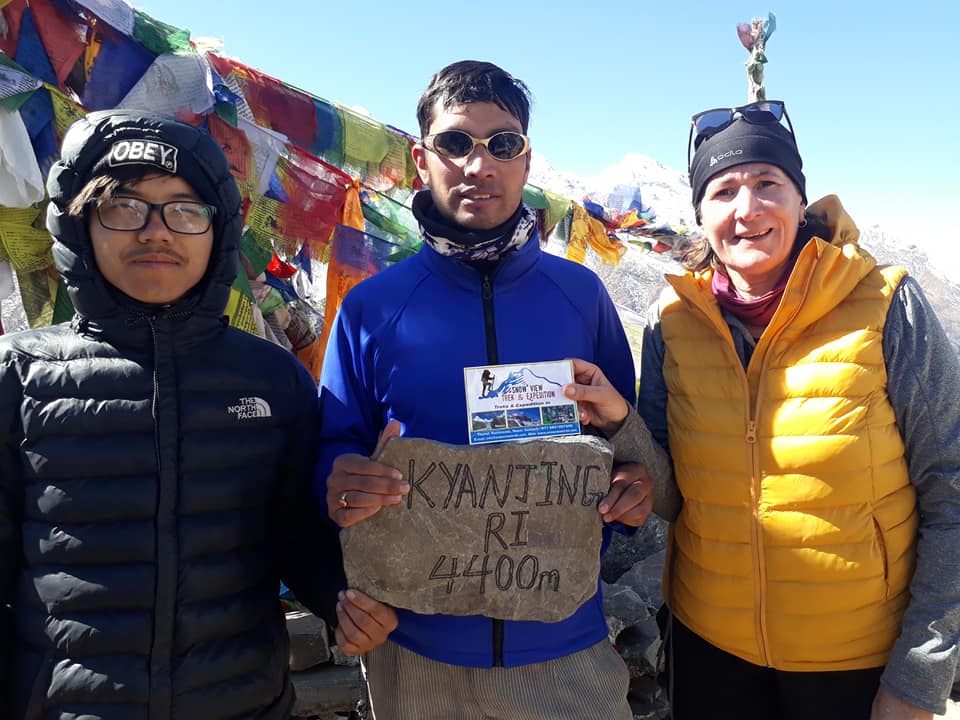
  • Stay overnight at Kyanjin Gompa (3,870m), the highest sleeping point on 10-day itineraries.
  • Taste yak cheese at the 1950s Swiss-supported cheese factory at Kyanjin Gompa.
  • Travel the valley known as the primary source for Yarsagumba (Ophiocordyceps sinensis), the world’s most expensive fungus.
  • See small hydroelectric plants powering teahouses above 3,000m.
  • Discover flowering plants growing near Tserko Ri, close to 5,000m, which is considered a biological “dead zone” in many parts of the world.
  • Travel entirely by road from Kathmandu without worrying about flight delays.

Langtang Valley Trek Overview 

If Everest feels too crowded, try a trek near Kathmandu that offers similar mountain views and cultural encounters. We are talking about the Langtang Valley Trek. The trek takes 7–10 days and suits beginners with good fitness. Its highest viewpoints, Kyanjin Ri (4,773m) and Tserko Ri (4,984m), are popular points that trekkers climb to see the beautiful Langtang mountain range.

Your journey begins with a drive from Kathmandu to Syabrubesi. From there, the trail follows the Langtang River until you reach Lama Hotel. From Lama Hotel, you’ll continue to Langtang village and reach Kyanjin Gompa. From here, a side trip leads to either Kyanjin Ri or Tserko Ri before you return the same route.

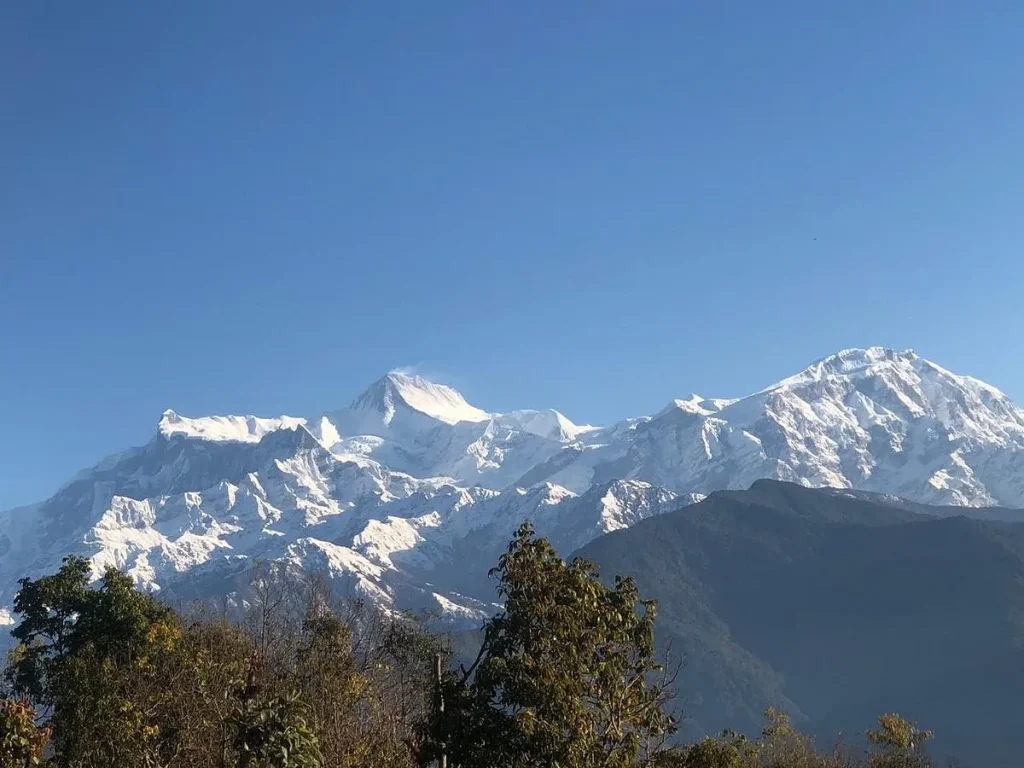
“The mountains are calling, and I must go,” wrote John Muir, a feeling that fits perfectly here. The valley is surrounded by Langtang Lirung and its glaciers. Other peaks in the area include Dorje Lakpa (6,966m), Langshisha Ri (6,427m), Gangchempo (6,387m), and the trekking peak Yala Peak (5,520m).

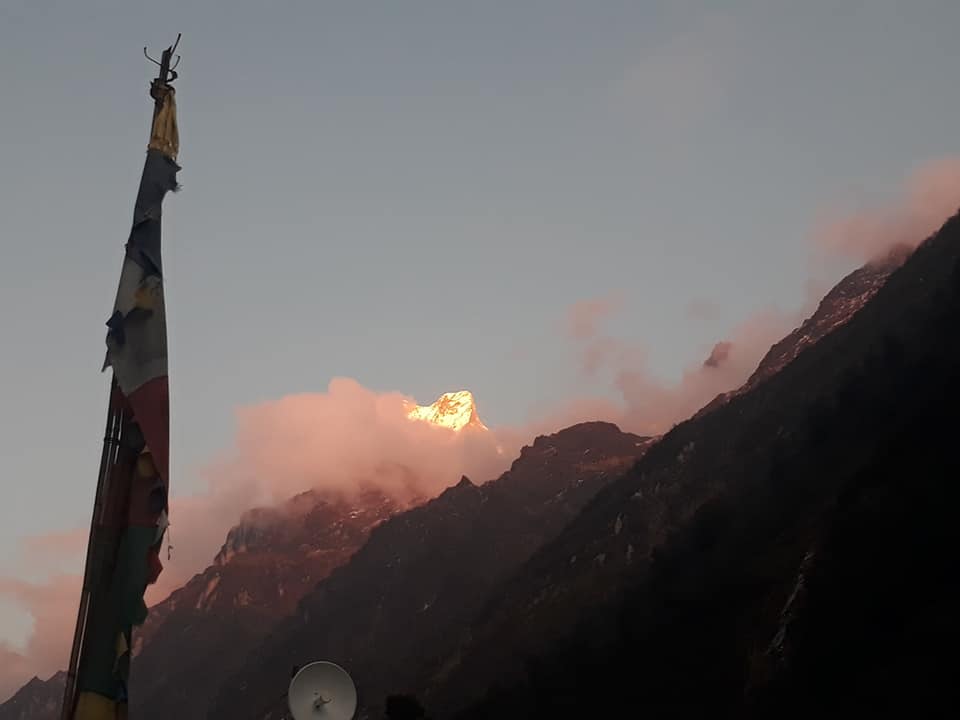
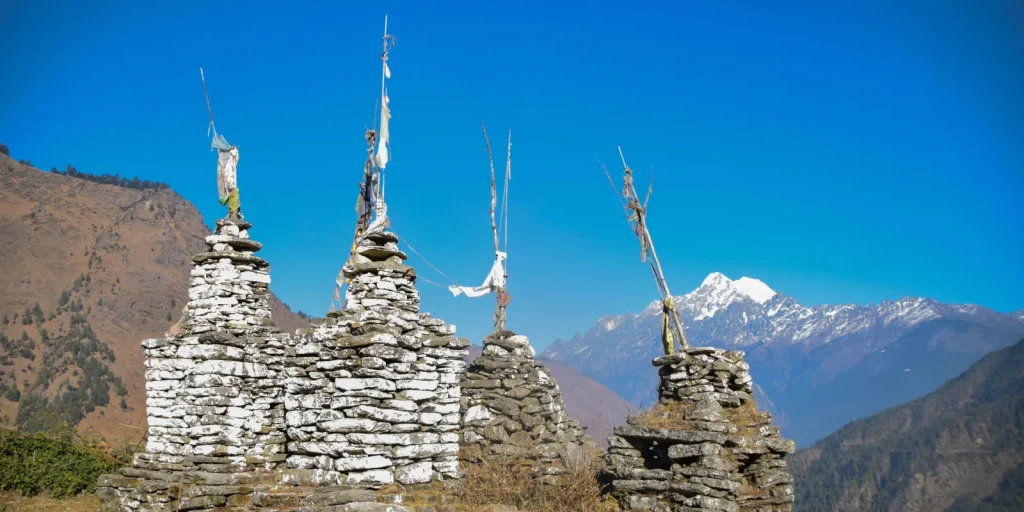
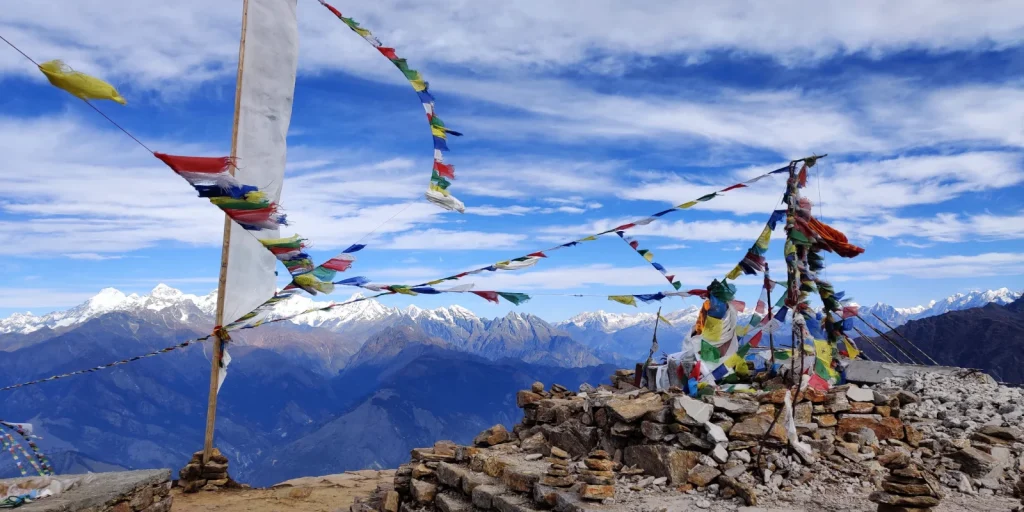
The Langtang region is home to the Tamang people, whose culture is connected with Tibetan Buddhism. Prayer flags, mani walls, and chortens are all over the trail, and they celebrate Losar (the Tibetan New Year) as the main festival.

The trek runs fully inside Langtang National Park. It protects red panda habitat and high-altitude forests. More than 250 bird species live here. The park ranges from 1,000m to over 7,000m, creating strong biodiversity over a short distance.

After the 2015 earthquake, Langtang village was rebuilt in a safer zone. Tourism numbers are rising again, yet this route still sees far fewer trekkers than Everest or Annapurna. Road access has improved, and teahouses now provide solar power and better communication services. If you’re looking for a short Himalayan trek and are a first-time traveler, this is the perfect choice.

Langtang Valley Trek Detailed Itinerary 

Day 01 :

Arrival at Kathmandu Airport (1,324m) and Transfer to Your Hotel

Your journey begins at Tribhuvan International Airport, the main gateway to Nepal and the starting point for most of the treks in the Himalayas. After landing, you proceed to immigration, where most travelers can obtain a Visa on Arrival. In 2026, it is strongly recommended that you complete the Online Tourist Visa Form before flying to reduce waiting time at the kiosks. Visa fees are structured at 30 USD for 15 days, 50 USD for 30 days, and 125 USD for 90 days.

Once you exit the terminal, you will meet a Snow View Trek representative who will welcome you and assist with your transfer to the hotel in Kathmandu. After check-in, you will attend a pre-trek briefing with your guide. This session is important because you will review your trekking permits, confirm your entry documents for the Langtang region, and carefully check your equipment.

Day 02 :

Drive from Kathmandu (1,324m) to Syabrubesi (1,503m)

road

Drive Distance

122km

departure_board

Drive Duration

7-9 hours

home_pin

Place

Syabrubesi

Today, you leave Kathmandu and begin your drive toward Syabrubesi. The road heads north out of the valley through Tokha and follows the Trishuli River corridor until you reach Trishuli Bazaar. Here you can stop for a traditional Dal Bhat lunch. The highway is part of the main route that connects Nepal to the Chinese border.

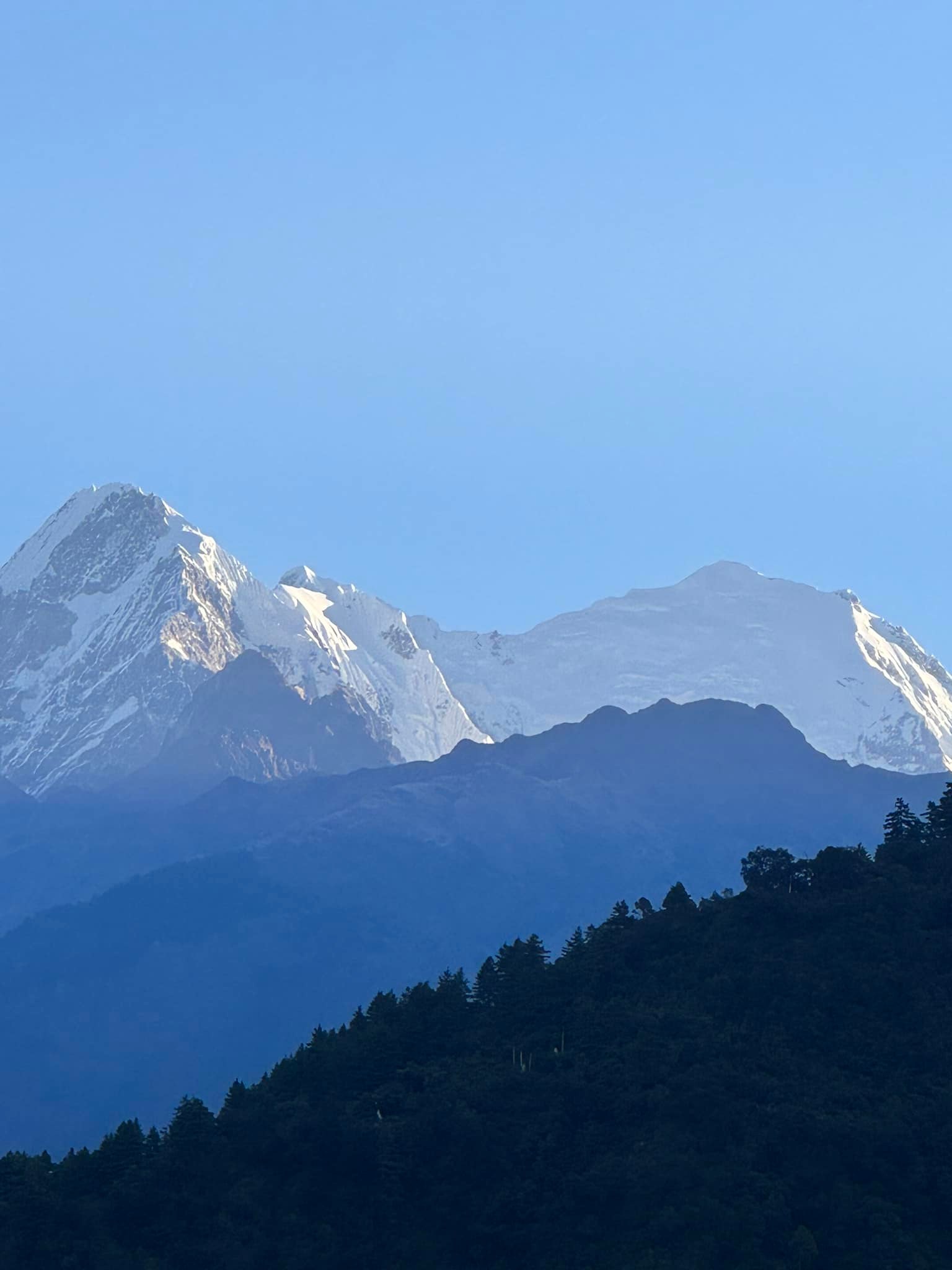
The route has more than one thousand bends. So if you’re prone to motion sickness, it’s best to take medicine in advance. After about an hour of driving, you’ll reach Kalikasthan. Here you may catch your first sight of Ganesh Himal and Langtang Lirung.

The drive continues toward Dhunche. It is the administrative center of Rasuwa District and the main entry point to Langtang National Park. You must present your original trekking permits at the army checkpoint here, so keep them ready in your daypack or give them to your guide. Beyond Dhunche, the road descends toward the Syabtubesi. It is located beside the Bhote Koshi River.

Day 03 :

Trek from Syabrubesi (1,503m) to Lama Hotel (2,480m)

directions_walk

Trek Distance

11-12km

av_timer

Trek Duration

5-6 hours

home_pin

Place

Lama Hotel

Your first walking day begins from Syabrubesi as you cross a suspension bridge over the Bhote Koshi River. You’ll walk inside the forests that are part of Langtang National Park. This park is home to more than 250 species of birds and mammals, such as the Himalayan black bear, langur monkeys, and the red panda.

The path then passes through Pairo (1,680m). The forest here is thick with oak, maple, and bamboo. Wild bees build large hives on rocky walls, and you may notice them hanging high above the trail. The trail gradually climbs toward Bamboo (1,970m). It is a common lunch stop surrounded by deep green bamboo groves. This area offers good chances to spot langur monkeys.

After Bamboo, you’ll head to Rimche (2,400m). It is a small settlement that receives more sunlight than the forest below. By late afternoon, you reach Lama Hotel (2,480m). From here, you can sometimes see parts of the Ganesh Himal range through gaps in the forest.

Day 04 :

Trek from Lama Hotel (2,480m) to Mundu Village (3,550m)

directions_walk

Trek Distance

14-15km

av_timer

Trek Duration

6-7 hours

home_pin

Place

Langtang Village

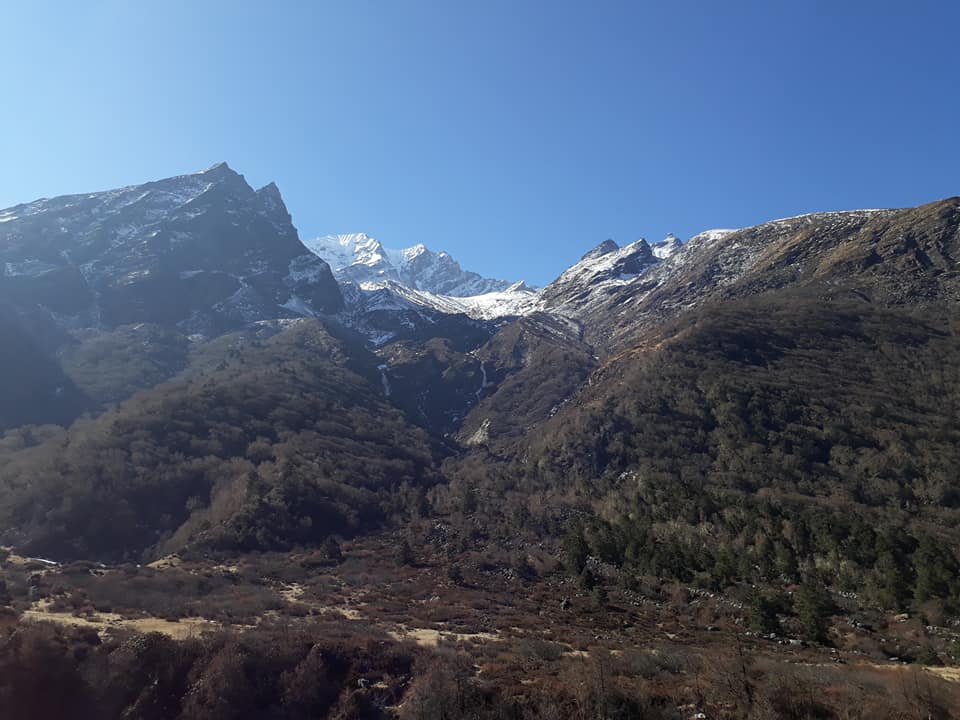
The morning starts with a climb inside rhododendron, oak, and maple forests. You may see glimpses of Langtang Lirung through the trees during this trek. Soon you’ll reach Ghodatabela (2,970m), where a former government horse-breeding farm is now a popular lunch stop. The army checks permits here before you enter the higher sections of the valley.

Beyond Ghodatabela, the landscape opens up, and peaks like Langtang II and Naya Kanga are clearly visible. You pass the site of the Old Langtang Village, which was completely destroyed by the 2015 earthquake and avalanche.

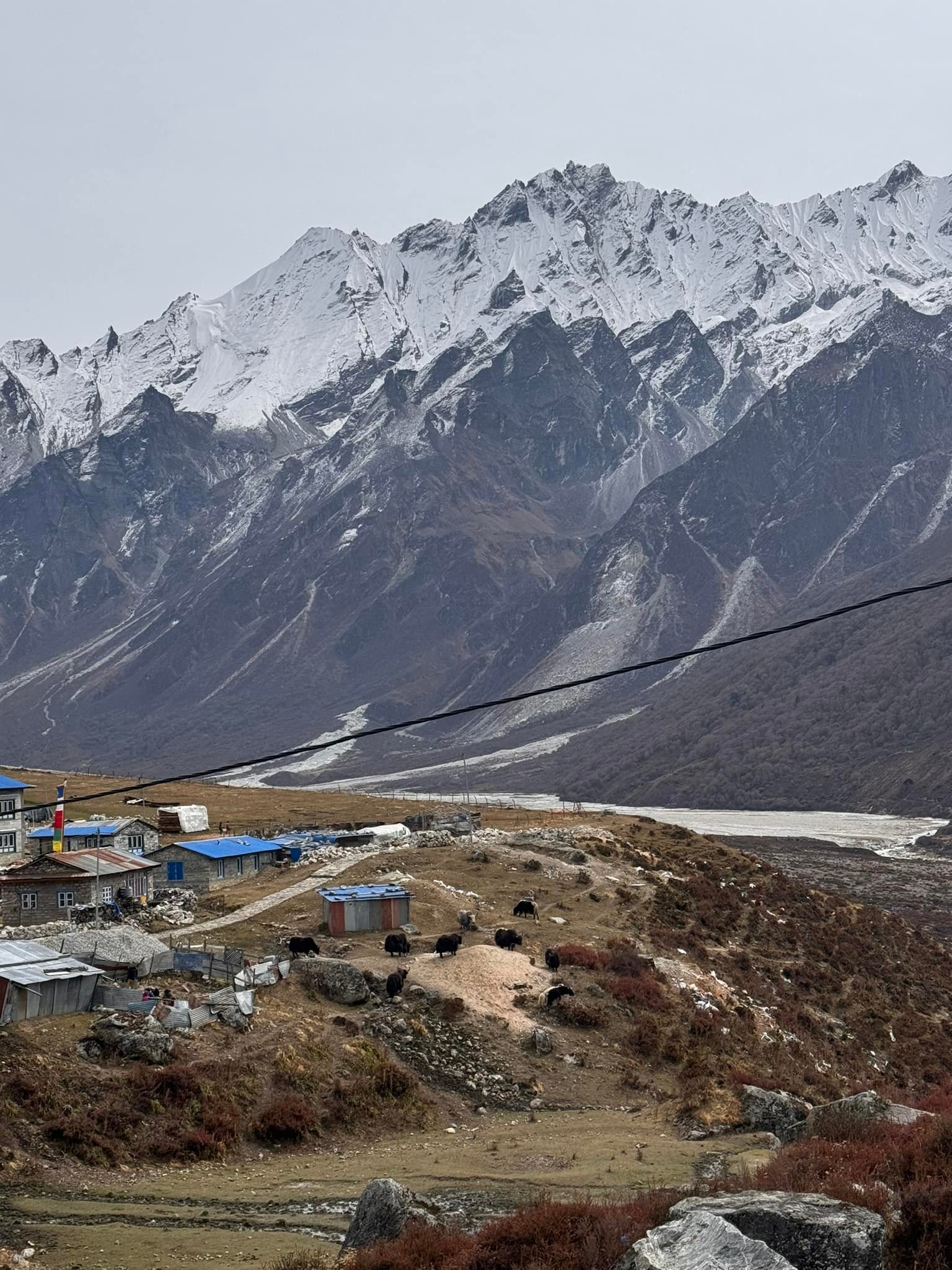
A short walk brings you to New Langtang Village (3,430m). This rebuilt settlement has modern teahouses, a school, and a small health post. From there, the trek continues to Mundu Village (3,550m). This is the overnight stay for today. It is a peaceful stop for acclimatization from where Mount Ganchenpo and Tsergo Ri are seen at their finest.

Day 05 :

Trek from Mundu Village (3,550m) to Kyanjin Gompa (3,830m)

directions_walk

Trek Distance

6-7 km

av_timer

Trek Duration

3-4 hours

home_pin

Place

Kyanjin Gompa

Today you trek from Langtang Village toward Kyanjin Gompa. The trail passes large mani walls and small chortens that are sacred to the local Buddhist community. You should always walk to the left of these structures in a clockwise direction as a mark of respect.

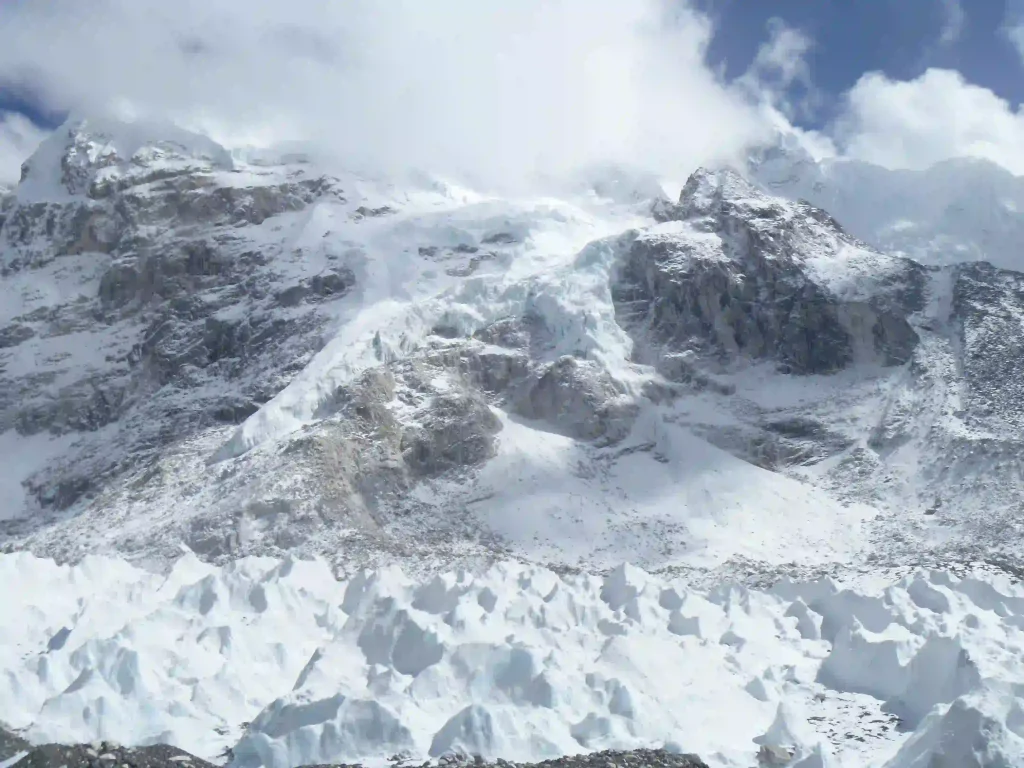
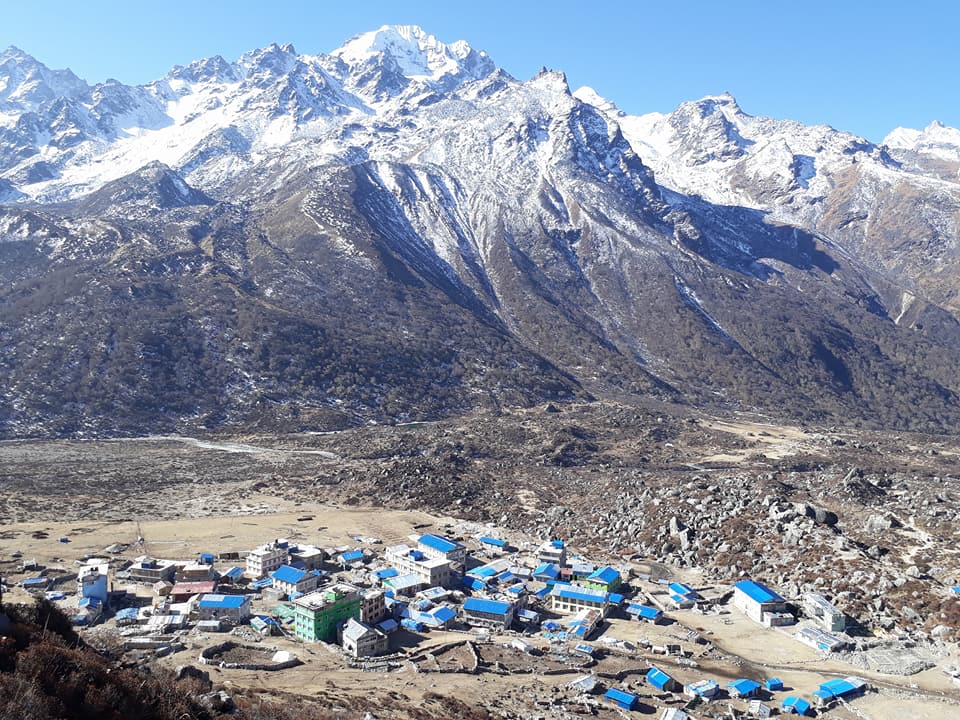
As you approach the head of the valley by passing Sindum and Yamphu village, the massive icefall of Langtang Lirung comes into sight. Its frozen walls reflect sunlight in blue and white shades. You can also see peaks like Langtang II, Naya Kanga, and Kyanjin Ri.

Kyanjin Gompa is a settlement of stone and wood teahouses. The area has a monastery that gives the village its name. From here, you can take short walks to see Urking Kanggars, Ganja La, Yubra, and Kinshung.

Day 06 :

Hike from Kyanjin Gompa (3,830m) to Tsergo Ri (4,984m) and back to Kyanjin Gompa (3,830m)

directions_walk

Trek Distance

12km

av_timer

Trek Duration

7 hours

home_pin

Place

Kyanjin Gompa

You begin very early, around 5:00 AM, to climb Tsergo Ri. You should bring energy snacks and at least two liters of water. The trail starts behind Kyanjin Gompa and crosses high-altitude yak pastures and glacial moraines. The air is thin and cold, and the temperature drops significantly as you climb.

Once you reach the summit, you’ll get one of the most beautiful views of the Himalayas that you have ever seen in this entire trek. From Langtang Lirung, Langtang II, Naya Kanga, Ganchenpo, Tsergo Ri, Langtang Glacier, Urking Kanggars, Kyanjin Ri, Ganja-la, Yubra, Kinshung, Dorje Lakpa, Yala Peak, to peaks in Tibet, such as Shishapangma.

After taking in the views, you descend carefully back to Kyanjin Gompa by lunchtime. The afternoon is perfect for exploring the village. You can visit Kyanjin Monastery, which has been beautifully restored since the 2015 earthquake. A short walk brings you to the oldest yak cheese factory in Nepal.

Many teahouses offer local sea buckthorn juice made from wild orange berries that are rich in Vitamin C. The high-altitude adventure and cultural experience make today one of the most memorable days in the Langtang Valley.

Day 07 :

Trek from Kyanjin Gompa (3,830m) to Lama Hotel (2,480m)

directions_walk

Trek Distance

18-20km

av_timer

Trek Duration

6-7 hours

home_pin

Place

Lama Hotel

The day begins with a final look at the high peaks surrounding Kyanjin Gompa. As you leave the high alpine zone, you retrace the trail of the Langtang Khola. You pass through Mundu and Langtang Village, where you can stop for tea or to support local families by buying small handmade crafts.

The trail continues toward Ghodatabela. After this point, the landscape changes quickly. By late afternoon, you arrive back at Lama Hotel. The cluster of forest teahouses feels warmer and more humid compared to the dry, cold air of Kyanjin.

Day 08 :

Trek from Lama Hotel (2,480m) to Syabrubesi (1,503m)

directions_walk

Trek Distance

11-12km

av_timer

Trek Duration

4-5 hours

home_pin

Place

Syabrubesi

The final trekking day begins at Lama Hotel as you descend once more into the forest. The trail passes the wildlife zones inside Langtang National Park. The morning hours are the best chance to spot the red panda and the yellow-throated marten. You walk through Rimche and continue toward Bamboo, where many trekkers stop for a meal.

As you move lower, the woodland slowly opens into terraced farmland. You pass Pairo and cross suspension bridges over Langtang Khola. The trail eventually connects near the route toward Thulo Syabru before you reach the final bridge into Syabrubesi.

Day 09 :

Drive from Syabrubesi (1,503m) to Kathmandu (1,324m)

road

Drive Distance

122km

departure_board

Drive Duration

7-9 hours

home_pin

Place

Syabrubesi

After having breakfast, you’ll return to Kathmandu by jeep after completing your mountain journey. You will pass the Ramche landslide zone, which is a rough three-kilometer road that is unpaved. This section can be challenging after rain, so Four Wheel Drive vehicles have a clear advantage in 2026. At Dhunche, you may face a final permit check at the army post as you officially exit Langtang National Park. From here, the road improves as you approach the Trishuli River valley.

The journey follows the Trishuli River for most of the time. It is one of the major river systems in Nepal and a popular site for white-water rafting. As you approach Kathmandu, traffic increases, and modern buildings replace forests. The return to the capital is the completion of your Langtang Valley Trek. We’ll have a farewell dinner here, or we can arrange it in Syabrubesi, whichever you prefer for your comfort

Day 10 :

Transfer to the international airport for your departure

It is strongly recommended that you arrive at the airport at least three hours before your flight. Kathmandu traffic can be unpredictable between 10 AM and 6 PM when roads around the Ring Road are congested. Our guide will meet you at your hotel lobby at the pre-arranged time and assist with your luggage.

At the airport, you must pass through several security checks before boarding. Baggage screening takes place more than once, so keep important documents easily accessible. If you purchased souvenirs such as statues or traditional art, make sure they comply with the export regulations of Nepal.

Make sure to share your journey with your friends and homies, and come back to visit Nepal again with the Snowviewtrek team in the future.

Cost Includes 

 Transportation:

  • Airport pickup and hotel transfers in a private vehicle
  • Drive from Kathmandu to Syabrubesi( both ways) by Local transport

Trek Permits and Expenses:

  • Langtang National Park permit fee and TIMS card
  • All government, local taxes, and official expenses

Accommodation:

  • In Kathmandu, accommodations on a twin/double sharing basis with breakfast
  • During Trek: Total 7 nights (2 nights comfortable room at Syabrubesi with a private attached bathroom and 5 Night Standard rooms) on a twin/double sharing basis

Meals:

  • Breakfast in Kathmandu
  • Standard full Board Meals During the Treks (one main course per meal with tea and coffee)
  • Fresh seasonal fruit served along the trail after dinner
  • Farewell dinner at the end of the trek in Kathmandu

Guide and Porter:

  • Government-licensed holder, highly experienced, English-speaking guide
  • One assistant guide for more than 12 trekkers
  • 12.5 kg baggage allowance carried by porters (1 porter for 2 trekkers)
  • All staff’s insurance, salary, equipment, flight or transport, food, and accommodation

Medical Assistance:

  • Assistance in arranging rescue operations in case of complicated health conditions (funded by travel insurance)
  • Medical kits, including an oximeter to monitor blood oxygen saturation levels in high altitudes

Equipment and Extra:

  • Free use of a Snow View Trek’s Team down jacket and sleeping bag during the trek (If needed)
  • One trekking duffel bag (70 L) per participant
  • Complimentary one Langtang route map and T-shirt
  • An appreciation certificate after the successful trek.

Cost Excludes

Internationa Flight:

  • International flight costs

Extra Accommodation:

  • Upgrades accommodations in Kathmandu
  • Extra night accommodation in Kathmandu due to early arrival or late departure, or early return from the trek.

Extra Meals:

  • All meals in Kathmandu, before and after the journey

Visa:

  • Nepal Entry Visa Fees for multiple entries on arrival at Tribhuvan International Airport (15 days – $30, 30 days- $50, and 90 days- $125)

Trekking Gears:

  • Personal trekking gear, clothing, and equipment (jackets, trekking poles, gloves, and hiking boots).

Travel Insurance:

  • Travel insurance that covers emergency high-altitude rescue, medical treatment, trip cancellations, interruption, and repatriation (compulsory)

Personal Expenses:

  • Personal expenses (shopping, snacks, boiled water, extra hot (Tea/ Coffee) and cold drinks, hot shower, alcohol, Wi-Fi, telephone call, battery recharge fee, extra porters, etc)

Filming and Drone Fees:

  • Fees for special equipment, including cameras, drones, and filming permits, as required by local authorities.

Extra Activities:

  • Additional services, activities, or excursions not explicitly mentioned in the itinerary, such as private tours or customized arrangements.

Tips:

  • Tips for guides and porters (recommended)

Departure

Private Trip

Prefer a more personal journey? Our private packages offer flexible dates, custom itineraries, and dedicated support—perfect for those seeking a tailored travel experience.

Additional Information 

Langtang Valley Trek Distance, Duration, and Altitude Summary

To help you prepare for the Langtang trek, here is an easy overview of the daily walking distances and times. This table shows how we gain altitude each day and then travel back to the city together.

Day  Route / Activity Distance (km/miles) Duration  Altitude Gain/Loss
1 Arrival in Kathmandu
2 Kathmandu – Syabrubesi 122km/75.8miles 7–9 hours Gain: 179m
3 Syabrubesi – Lama Hotel 11-12km/6.8-7.4miles 5–6 hours Gain: 977m
4 Lama Hotel – Mundu Village 14–15km/8.7-9.3miles 6–7 hours Gain: 1,070m
5 Mundu Village – Kyanjin Gompa 6-7km/3.7-4.3miles 3-4 hours Gain: 280m
6 Kyanjin Gompa – Tserko Ri – Kyanjin Gompa 12km/7.4miles 7 hours Gain: 1,154m

Loss: 1,154m

7 Kyanjin Gompa – Lama Hotel 18–20km/11.2-12.4miles 6–7 hours Loss: 1,350m
8 Lama Hotel – Syabrubesi 11-12km/6.8-7.4miles 4–5 hours Loss: 977m
9 Syabrubesi – Kathmandu 122km/75.8miles 7–9 hours Loss: 179m
10 Departure

What Makes the Trek to Langtang Valley Unique

The Langtang Valley Trek stands out for its Himalayan views, Tamang culture, and trails that are less crowded than other popular regions of Nepal. Below are the things that make this trek unique.

Close Location from Kathmandu

One of the key advantages of this trek is its close location to Kathmandu. Unlike routes in the Everest region that require a flight to Lukla, you travel overland to Syabrubesi, which reduces costs and avoids flight delays caused by weather. Road access provides flexible logistics, and in 2026, private jeeps and deluxe buses operate regularly. Because travel time is shorter, the overall trek can be completed within a limited holiday schedule without a long time commitment.

Langtang National Park

A major highlight of this region is Langtang National Park. Within a short span, you pass through 14 vegetation types and 18 ecosystem zones, which shift from bamboo and oak forests to glacial moraines. The park protects more than 1,000 plant species, including 28 endangered medicinal plants such as the Himalayan blue poppy. It is home to 46 mammal species and 345 bird species, including the Himalayan Monal and rare high altitude birds like the ibisbill.

View of Langtang Lirung from the Valley Floor

One of the prominent peaks in the valley is the Langtang Lirung. You’ll begin to see clear views of the peak after passing Ghodatabela. The mountain remains visible from villages such as Thyangsyap, Langtang Village, Mundu, and Kyanjin Gompa. Unlike many Himalayan peaks that appear only from select viewpoints, Langtang Lirung stays in constant view once you move beyond the forest line.

Ancient Cheese-Making Tradition in Kyanjin

High in the valley at Kyanjin Gompa, you will find one of the oldest Himalayan cheese traditions. The practice began in 1952 when Swiss dairy expert Werner Schulthess taught local families Alpine methods to preserve surplus yak milk. Since then, the factory has continued to produce cheese using manual techniques. Milk from female yaks known as naks is collected by hand each morning and then boiled, curdled, and pressed into large wheels made from wood.

Strong Tibetan Influence Without Crossing Borders

The Langtang Valley shows a strong Tibetan cultural presence even though it lies entirely within Nepal. The main people living here, called Langtangpa, are Tamang. Their ancestors were Tibetan nomads who migrated from the Himalayas in the 15th century. You will hear the Tamang language spoken widely in Nepal and notice a local language closely related to Tibetan from Kyirong in southern Tibet.

Food and Accommodation in Langtang Valley Trek 

In Kathmandu, you will stay in luxury hotels with modern amenities and city views. Along the trek, accommodation shifts to mountain teahouses and guesthouses. They are made of stone and wood, and are located close to rivers or trails. They don’t have modern facilities, but what is available is enough for every traveler to spend the night comfortably. As you move higher in this remote valley, the types of food also change, so here is a clear table of common foods found in Langtang.

Breakfast Lunch Dinner
  • Tibetan Bread
  • Eggs: Boiled, fried, scrambled, or omelets.
  • Porridge: Oats, millet, or rice pudding.
  • Local: Buckwheat bread or Tibetan chapati.
• Dal Bhat: Lentil soup, rice, and vegetable curry (unlimited refills).
• Momos: Steamed or fried dumplings (veg, cheese, or potato).
• Thukpa: Tibetan noodle soup.
• Western: Pasta, spaghetti, or sandwiches.
• Dal Bhat
• Sherpa Stew: Soup with noodles and vegetables.
• Authentic: Local flavors like Dhindo (millet dough) or Gundruk (fermented greens).
• Comfort: Pizzas, macaroni, or vegetable pies.

Can we Combine the Langtang trek with other Treks in the region? 

Yes, we can combine the Langtang Valley Trek with several treks to create longer Himalayan adventures. One popular extension connects Langtang with the Gosaikunda Lakes (4,380m). It passes Thulo Syabru and climbs to the 108 holy lakes visited by both Hindus and Buddhists. Another option is the Tamang Heritage Trek. In this trek, you’ll walk through villages like Gatlang, Tatopani with its natural hot springs, and Thuman before joining the main Langtang route at Lama Hotel.

The Langtang Gosaikunda Helambu Circuit, sometimes called the “Langtang Trilogy,” combines Langtang Valley, Gosaikunda, and Helambu by crossing the Lauribina Pass (4,610m). For experienced trekkers looking for a more technical journey, the Langtang Valley can be connected with the Ganja La Pass (5,122m). It crosses directly from Kyanjin Gompa into Helambu without retracing your steps.

Hike to Tserko Ri vs Kyanjin Ri: Which Is Better?

Choosing between Kyanjin Ri and Tserko Ri depends on your fitness, time, and how your body handles altitude. Since our itinerary includes only one acclimatization day, it is better to hike Tserko Ri. If you want to climb both peaks, we can arrange it by adding extra days or by doing both in the same timeframe, though that would feel a bit rushed, and we do not recommend it.

Here’s a clear comparison between the two peaks.

Aspect Kyanjin Ri
Tserko Ri (Tsergo Ri)
Max Altitude 4,773m 4,984m
Time 3–5 hours (Round Trip) 7–10 hours (Round Trip)
Difficulty Moderate / Beginner-friendly Hard/ Challenging
Elevation Gain 943m from Kyanjin Gompa 1,154m from Kyanjin Gompa
Best For Acclimatization, sunrise, or short stay Seasoned hikers, panoramic Himalayan views

How Weather Changes Between Lama Hotel and Kyanjin Gompa

As you leave Lama Hotel and follow the trail toward the riverside, the valley feels a bit cool. The oak and maple forests trap moisture and create high humidity. Clouds are caught in the narrow canyon, which can lead to misty afternoons even when the peaks above are clear. Temperatures are stable with daytime highs around 8°C to 15°C and nighttime lows between 2°C and 5°C. Sunlight reaches the trail late in the morning and disappears early in the afternoon.

After Ghodatabela, the forest thins and the valley opens into a sub-alpine plateau near Langtang Village. Here, the climate changes quickly as the wind picks up and the sun shines directly on the exposed area. Daytime temperatures can feel warm, around 18°C in direct sunlight, but drop rapidly to below freezing when the sun sets. This shows how the weather changes quickly from the river canyon to the open high valley.

Glacial Geography of Langtang Valley 

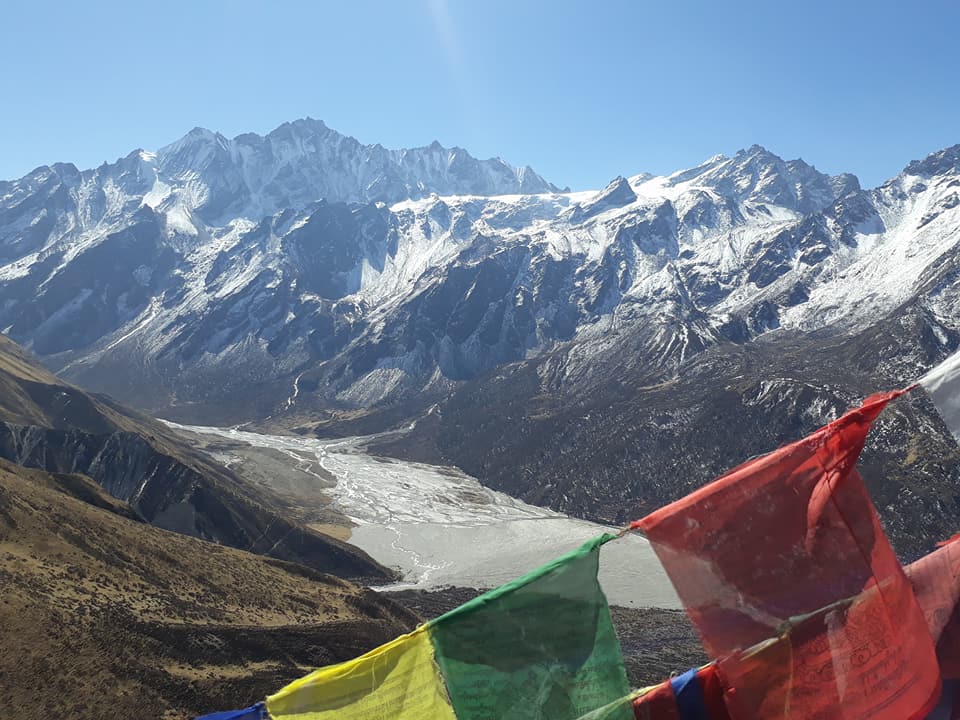
While lower valleys (like near Syabrubesi) are V-shaped due to river erosion, the upper valley from Ghodatabela to Kyanjin is a flat-bottomed U-shape. These glaciers acted like giant sandpaper, smoothing the valley floor and leaving behind granite walls that rise on both sides.

At Kyanjin Gompa, the Langtang Lirung Glacier is the main view. Its lower tongue is covered in thick rock debris, which protects the ice from melting quickly in the sun. Higher up, the glacier forms icefalls that tumble from the 7,227m summit of Langtang Lirung.

Glacial melt has formed small blue-green lakes on top of ice covered with rocks. Authorities monitor these ponds and moraines closely because Glacial Lake Outburst Floods can occur if the natural dam breaks. The glacier and the area around it show both the beauty and the constant change of the high Himalayan landscape.

FAQs

Our Latest Blog

Attractions, Tips & Activities. Explore Now!

View All Blog

Plan Your Perfect Adventure

Tell us where you want to go and we’ll take care of the rest.
Get a custom travel plan tailored to your interests and schedule.

Start Planning