search
search

Annapurna Circuit Corporate Trek – 13 Days

globe_location_pin

Country

Nepal

calendar_clock

Duration

13 Days

avg_pace

Difficulty

Moderate to Challenging
partly_cloudy_day

Best Season

Mar, Apr, May, Sept, Oct, Nov

conversion_path

Start / End Point

Kathmandu/Kathmandu

landscape_2

Max. Altitude

5,416m (Thorong La Pass)

landscape

Nature Of Trek

Lodge to lodge trekking

footprint

Activity

Corporate Treks

directions_walk

Trek Duration

13

location_on

Region

Annapurna Region

groups

Group Size

10 - 40

code_blocks

Trip Code

SVTAC09

hiking

Activity Per Day

5-8 hours

home

Accommodation

Hotel+Teahouse/lodge
flatware

Meals Included

Breakfast, Lunch, Dinner
editor_choice

Recommended For

Experienced high-altitude trekkers

13 Days Annapurna Circuit Corporate Trek Highlights

  • Trek through one of the world’s most renowned trekking trails that circles the Annapurna Massif, the Annapurna Circuit.
  • Cross the Thorong La Pass (5,416m), the highest point of the trek, with sunrise views marking a major team achievement.
  • Explore the natural challenges along the trekking route to foster corporate collaboration, decision-making, and trust.
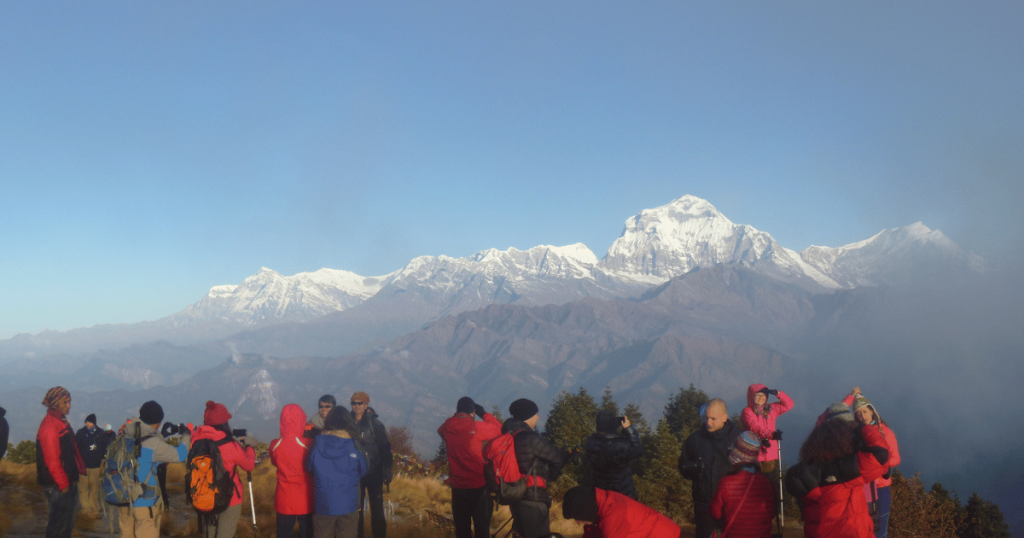
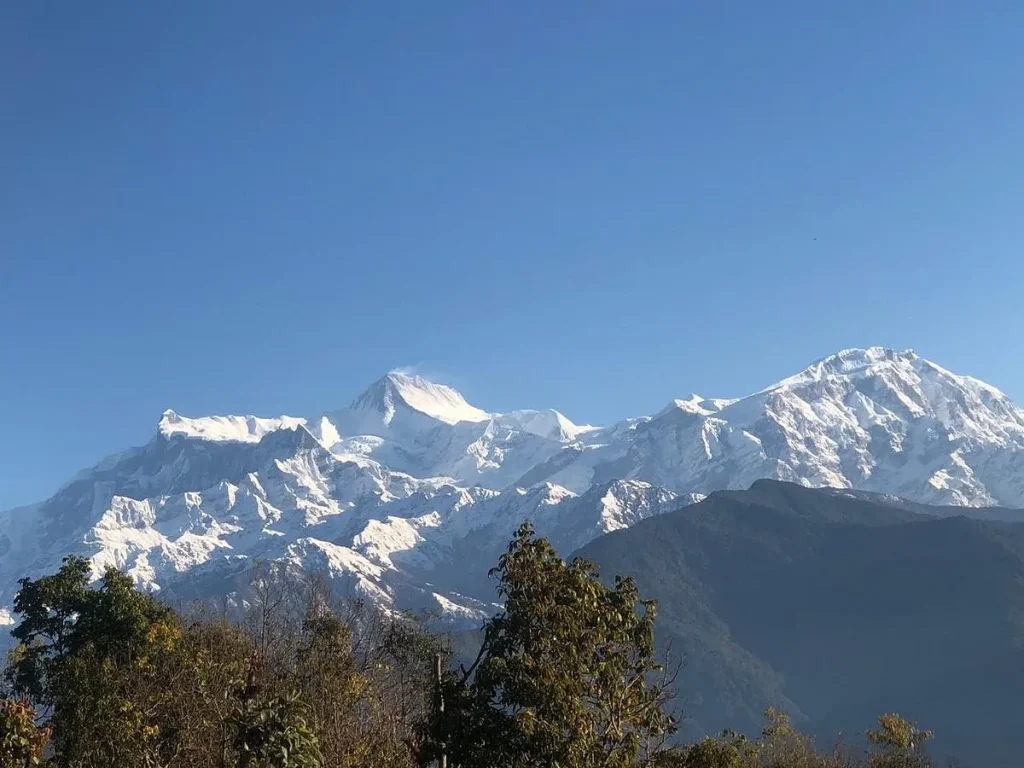
  • Enjoy panoramic views of high-altitude mountains, including Annapurna II, III, IV, Dhaulagiri, Machhapuchre, Gangapurna, and Tilicho Peak.
  • Participate in the acclimatization day in Manang, with optional hikes to Ice Lake or Tilicho Base Camp, while immersing yourself in the diverse landscape.
  • Trek through Gurung and Tibetan-style villages with monasteries, prayer wheels, and apple gardens to foster cross-cultural awareness.
  • Get a chance to visit Muktinath, a sacred pilgrimage site with temples and 108 water spouts.
  • A corporate celebration in Pokhara, with its lakeside serenity and Himalayan backdrops, allows for reflective closure.
  • Get a transformative experience that builds confidence, motivation, and long-lasting professional connections.

Annapurna Circuit Corporate Trek | 13 Days Overview

The Annapurna Circuit Corporate Trek is a 13-day trek around the Annapurna massif that allows you to immerse yourself in local culture and experience the absolutely breathtaking mountain scenery. The trek combines Himalayan views with embedded corporate events structured for professional team-building.

The corporate trek on the Annapurna Circuit features a customized itinerary mainly for corporate teams seeking leadership development and team building. Through corporate events, corporate workers can collaborate, build trust, and improve problem-solving.

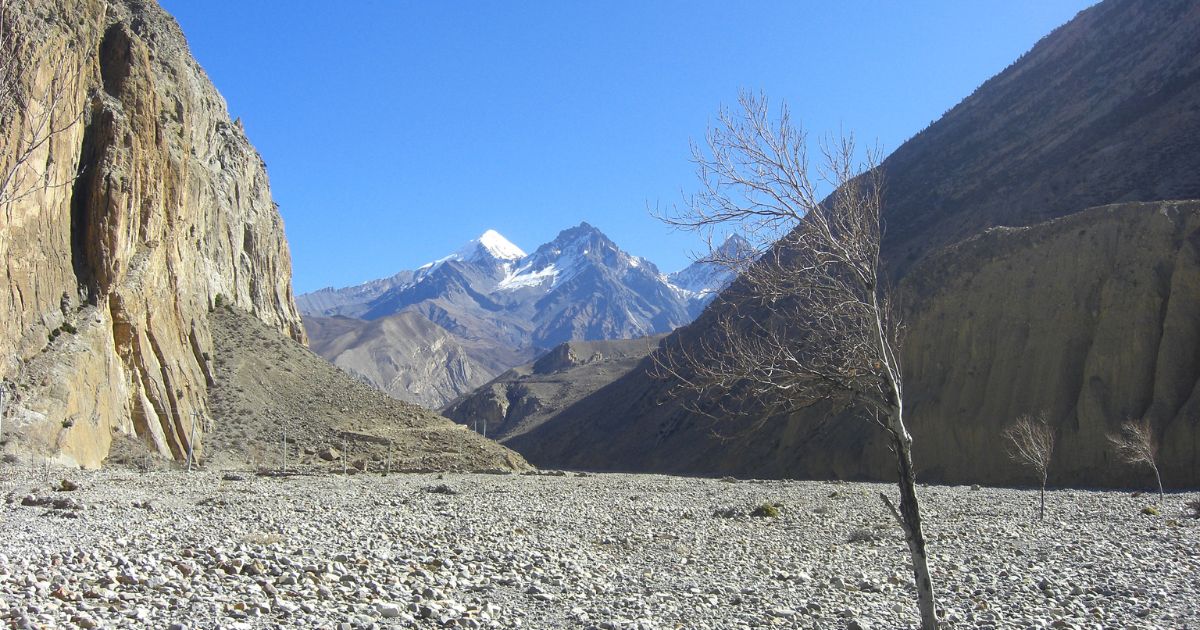
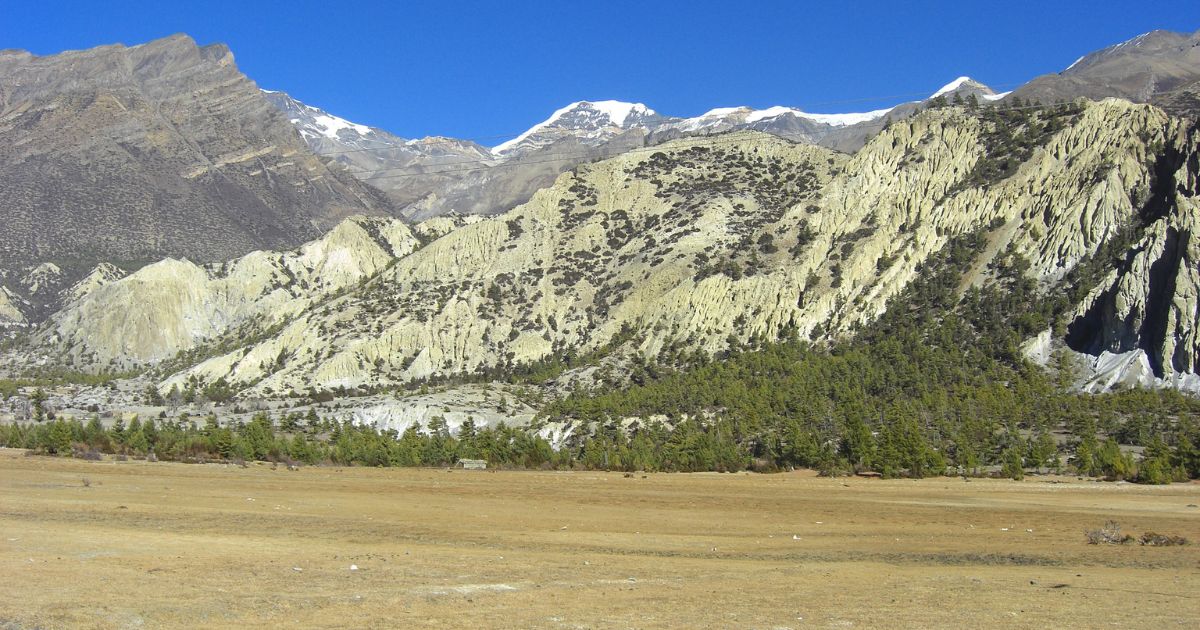
Besides, the trek provides a spectacular opportunity to view Annapurna II, III, IV, Gangapurna, Tilicho Peak, and Dhaulagiri. Noteworthy sunrise and sunset moments along ridges and valleys create memorable photographic opportunities.

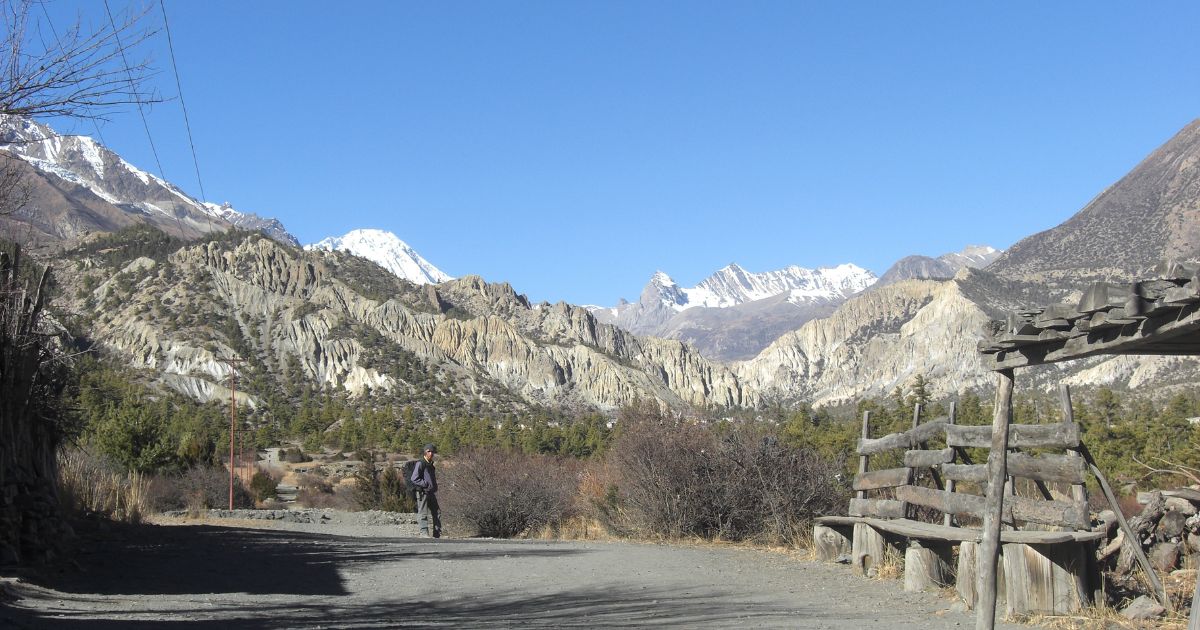
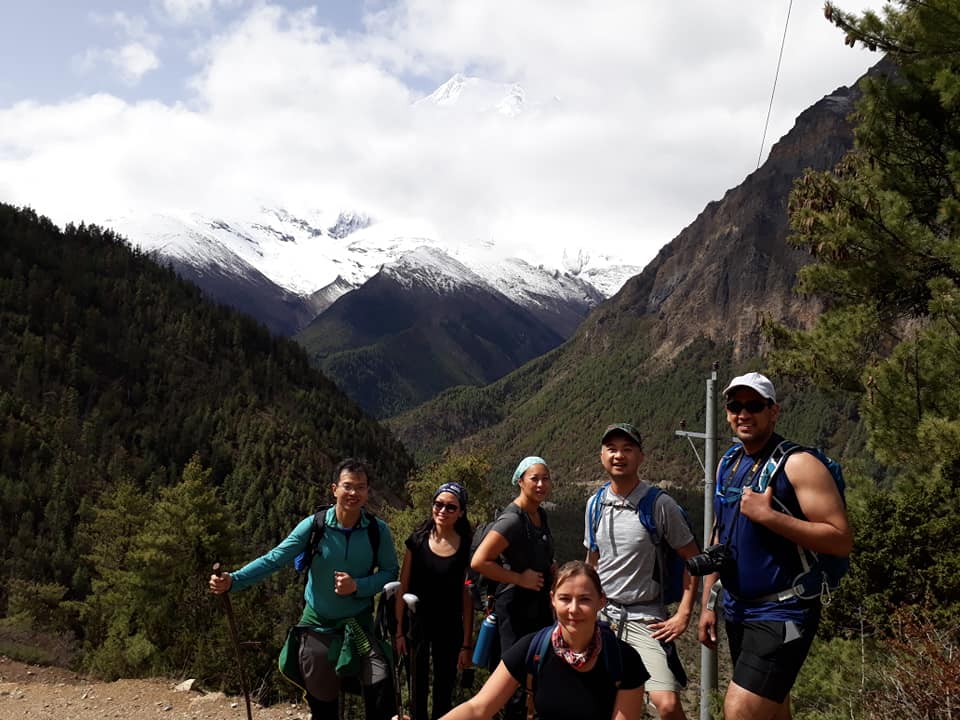
Also, you will slowly climb through Gurung and Tibetan-style villages, forests, rivers, and suspension bridges. Each settlement offers cultural integration, with prayer flags, mani walls, and warm hospitality. The gradual ascent ensures both acclimatization and appreciation of the diverse terrain.

Manang, a notable acclimatization stop, is where the corporate events are hosted, blending professional reflection with cultural immersion. Meeting halls, conference rooms, or meeting spaces are specifically designed for corporate teams to align on company goals.

Besides, optional hikes to Ice Lake or Tilicho Base Camp enhance acclimatization and offer a chance to immerse in diverse landscapes. Similarly, the main highlight of the corporate trek is crossing Thorong La Pass (5,416m), which helps build team resilience, trust, and decision-making skills.

Snow View Trek’s licensed guides, porters, and medical support will accompany you to ensure safety throughout the trek. Our guides and porters accompanying the group ensure medical support, navigation, cultural interpretation, and logistical ease. With the professional framework, participants can focus on the trek’s exploration and corporate teamwork without any concern for risk.

Annapurna Circuit Corporate Trek 13 Days Itinerary Overview

With arrival at the Tribhuvan International Airport and transfer to the hotel, there is a short corporate orientation, sightseeing, and preparation before departure. Onwards, you will leave Kathmandu and follow a drive on the Prithvi Highway, through valleys and rivers, and busy towns by the roadside. The route goes through Mugling, Dumre, and Besisahar before continuing the Marsyangdi corridor.

Cultural highlights en route are the villages of Bulbule, Syange, Jagat, Chamje, and Tal, which ultimately lead you to Dharapani. Dharapani is a peaceful stop on the Annapurna Circuit and offers a chance to connect with another legendary trail, the Manaslu Circuit.

Upon reaching Dharapani, you will enter the gateway to the Annapurna Circuit, surrounded by hills and the Lamjung Himal. From here, the walk begins through forest paths, Gurung villages, monasteries, and apple orchards.

With mostly an uphill climb, the trail leads you to Chame, another beautiful village in the Manang district. Chame is also the district headquarters of Manang, so it is more facilitated than other nearby villages along the trek. The village offers breathtaking views and forested cliffs on every side.

Moving along the village, as you continue on the Annapurna Circuit trekking route, you will reach Upper Pisang, filled with cliffs, bridges, and Tibetan culture. Upper Pisang also provides stunning views of Annapurna II, Annapurna IV, Gangapurna, and Tilicho Peak. With higher views, the next stop is Manang.

Manang is generally regarded as the capital of the Annapurna Circuit, which lies within the Annapurna Conservation Area. The landscape has yak pastures and terraced fields, and it is one of the prominent stops for acclimatization. So you will spend an additional day here to help your body adapt to low oxygen levels.

On the acclimatization day, you can choose to hike to Ice Lake or Tilicho Base Camp. Ice Lake, situated at an altitude of 4,600m, is slightly more challenging than other hikes, but many consider it a popular attraction of the Annapurna Circuit Trek. The lake offers views of Chulu Peak and Annapurna II and IV. Likewise, other optional acclimatization hikes can be to Praken Gompa or Chongkor Viewpoint.

After the acclimatization hike, a scheduled corporate event is held in Manang. The event features meeting halls, mountain views, and opportunities for conferences and seminars that support team building. With the end of corporate events and overnight stays in Manang, the route continues to Yak Kharka and Thorong Phedi, passing through alpine meadows and grazing pastures.

Then, from Thorang Phedi, you will come across the main highlight of the trek, which is Thorang La Pass. Thorong La Pass at 5,416m is the highest and most challenging pass throughout the trek. The challenging, cold Thorang La pass simulates a high-stress business environment. Leaders need to make quick decisions with limited information while balancing team safety.

Then, on the descent, you will continue from Thorong Phedi to Muktinath. Reaching Muktinath, you will visit sacred temples, monasteries, and cultural pilgrimage sites. After your visit to Muktinath, you will continue on the return journey to Pokhara. The return journey is a drive marking the end of the trek.

Driving up to Pokhara, lakeside serenity and Himalayan views accompany a corporate event of the celebration. The trek concludes with a return drive to Kathmandu and a final departure from Tribhuvan International Airport.

Detailed Annapurna Circuit Corporate Trek Itinerary

Day 01 :

Arrive at Tribhuvan International Airport in Kathmandu and transfer to your hotel

road

Drive Distance

5.8km

departure_board

Drive Duration

25 - 30 minutes airport transfer

altitude

Highest Altitude

1,324m

Upon arrival at Tribhuvan International Airport, complete the formalities and head to the arrivals area. You will then meet the personnel from Snow View Trek, who will then transfer you to the hotel. With the drive, you will reach Thamel, the tourist hub of Kathmandu, marked by trekking shops, ATMs, cafes, hotels, and other facilities for foreigners.

When you reach the hotel, refresh and get ready for your trek orientation. Your orientation includes a trek briefing, permit checks, equipment review, and guides. In the afternoon, you can wander the streets of Thamel, lined with trekking shops, hotels, and cafes. This day is about getting accustomed to Nepal’s cultural atmosphere and ensuring we are ready for the trek ahead.

Overnight in Kathmandu.

Day 02 :

Drive from Kathmandu to Dharapani

road

Drive Distance

230km

departure_board

Drive Duration

8-10 hours

altitude

Highest Altitude

1,860m

home_pin

Place

Dharapani

After breakfast at the hotel, you will leave early along the Prithvi Highway. During the drive, you will drive alongside the Tishuli River, with views of valleys, hills, and farmland. The road passes through Mugling and Dumre, then continues to Besisahar, where the Marsyangdi valley begins.

From here, the path becomes narrower, winding past Syange, Jagat, Chamje, and Tal with waterfalls, suspension bridges, and terraced farmland marking the way. The trail conditions range from paved sections to rough mountain roads until Dharapani. As you approach Dharapani, views of Lamjung Himal and the Manaslu region become visible as the valley deepens. Lunch will be at any suitable place along the highway.

By evening, you will reach Dharapani, the official gateway to the Annapurna Circuit. Here you will check permits and continue preparing for the trek. If time permits, explore the village of Dharapani and have dinner.

Overnight in Dharapani.

Day 03 :

Trek from Dharapani to Chame

directions_walk

Trek Distance

15km

av_timer

Trek Duration

7-8 hours

altitude

Highest Altitude

2,670m

home_pin

Place

Chame

Today, after breakfast, you will start trekking from Dharapani, gradually ascending to Chame. The trail is beautiful, along the Marsyangdi river, it is a path winding through forests of pines and oaks with a few river crossings. You will pass through notable villages like Bagarchhap, Danaque, Timang, Thanchok, and Koto along the way, which showcase the predominant Gurung and Tibetan culture in the region. Koto is a key valley in the Annapurna circuit that marks the gateway to Nar Phu treks.

The day is filled with amazing mountain views, apple orchards, prayer wheels, and monasteries that line the way. Other Mani walls and Buddhist chortens add spiritual depth to the journey. Also, the walk of the day is moderate with constant ascents involving some steep sections. Views of Lamjung Himal and Annapurna II dominate the skyline, offering magnificent panoramas to the trekker.

Overnight in Chame.

Day 04 :

Trek from Chame to Upper Pisang

directions_walk

Trek Distance

14-15km

av_timer

Trek Duration

6-7 hours

altitude

Highest Altitude

3,200m

home_pin

Place

Upper Pisang

After breakfast, you will leave Chame and move to Upper Pisang. The trail slowly ascends as it follows the Marshyangdi River. Then, as you progress onwards, you will follow through the pine, fir, and oak forests whose route takes you to Bratang village. Bratang is known for its stunning apple orchards and Tibetan-style villages. Along the way, you will also come across Pungda Danda, a massive carved cliff wall. It is a prominent landmark seen from the trail.

About midway, you will reach Dhukur Pokhari, which can be a suitable lunch spot with a few lodges and teahouses. After lunch, continue along the route, where you will need to ascend higher. The attitude requires you to move slowly and stay well hydrated.

With a steeper ascent, you will reach from Lower Pisang to Upper Pisang. You will get fantastic mountain views on the horizon, with Tibetan-style villages layered in the lower regions. Views of Annapurna II, III, IV, Pisang Peak, Lamjung Himal, and Tilicho Peak follow throughout the day. The settlement of Upper Pisang has a traditional atmosphere, and there are opportunities to participate in prayer ceremonies or meditation, which offer valuable insight into local Tibetan-Buddhist traditions.

Overnight in Upper Pisang.

Day 05 :

Trek from Upper Pisang to Manang

directions_walk

Trek Distance

15-16km

av_timer

Trek Duration

7-8 hours

altitude

Highest Altitude

3,540m

home_pin

Place

Manang

Get ready to leave Upper Pisang with breakfast and continue along the Annapurna Circuit Route to reach Manang. You will typically take the route via Ghyaru and Ngawal, which offers better mountain views and better acclimatization. The trail begins with a steep uphill climb that leads you to the village of Ghyaru. Trails are steep in places, winding through alpine meadows, Buddhist chortens, and prayer flags.

The section can be challenging; however, with teamwork and occasional mountain views, the trail motivates you to keep moving forward. After approaching Ghyaru, the trail becomes more gradual, traversing open alpine terrain with juniper bushes to reach Ngawal. The high route from Ghyaru and Ngawal offers breathtaking panoramic views of Annapurna II, III, IV, Gangapurna, Tilicho Peak, Pisang Peak, and the Chulu ranges.

Natural highlights along the way include eagle sightings and blue sheep grazing. The mani walls and the monastery of Ngawal add to the cultural experience, and the thin air is a reminder to slow down.

After Ngawal, the path leads you gently through the forest area while passing near Braga village, where you can visit the Braga monastery. The day is long but rewarding, combining mountain scenery with Tibetan-style villages, and the final walk is relatively easy, leading you to Manang. Manang is the main settlement in the circuit and serves as a key acclimatization stop. It offers various accommodation options.

Overnight in Manang.

Day 06 :

Acclimatization day with Corporate Event in Manang

directions_walk

Trek Distance

3–5km (optional hiking)

av_timer

Trek Duration

3-4 hours, optional hike + event time

altitude

Highest Altitude

3,540m

home_pin

Place

Manang

You will spend an additional day in Manang for acclimatization and corporate events. The day begins with the acclimatization hike towards viewpoints above Manang. Some popular options include a visit to Chhonkhor viewpoint, Gangapurna Lake, the direction towards Ice Lake, or the route towards Tilicho Base Camp.

In these walks, you will follow the principle of climbing high and sleeping low to adapt the body to low oxygen levels. These acclimatization hikes help your body adjust to high altitude the next day. Along the hiking trail, you will see ancient mani walls, prayer flags, and monasteries like Praken Gompa, which offer a glimpse into the region’s cultural practices. Similarly, throughout the day, you will enjoy views of Gangapurna Mountain, Annapurna II, Annapurna III, Annapurna IV, Tilicho Peak, Khanshar Peak, Chulu East, Chulu Far East, and Pisang Peak.

In the afternoon, a corporate event is held in Manang, featuring meeting facilities, projectors, and a seminar. The corporate event allows for group interaction and problem-solving activities that align with company goals. The day is a balance of rest, immersion in the culture, professional teamwork, and bonding while also ensuring you are well-prepared for the higher elevations ahead.

Overnight in Manang.

Day 07 :

Trek from Manang to Yak Kharka

directions_walk

Trek Distance

9-10km

av_timer

Trek Duration

4-5 hours

altitude

Highest Altitude

4,050m

home_pin

Place

Yak Kharka

On the seventh day, you will have breakfast in Manang and leave for Yak Kharka. The walk begins with the walk out of Manang, taking a gradual ascent. Then, with the thinner air and steady pace, you will follow the trail that reaches above the Marsyangdi River and passes the old village of Manang. The landscape opens up, offering views of high-altitude alpine meadows. You can also see yaks grazing on the yak pastures behind the rugged Himalayan terrain.

As you progress, you will come across Gunsang, an ideal place for rest, hot drinks, and food. So regain your energy here and continue on the climb. The clear views of Gangapurna Mountain and its lake, Annapurna, Tilicho Peak, Khanshar Peak, Chulu East and Far East Peak, and Pisang Peak are visible.

Then the trail continues to be up and down until you reach Yak Kharka, a small settlement with open pasturelands. It is a key stop for resting and acclimatization. So with enough rest and food, prepare for the high elevations on the following days.

Overnight in Yak Kharka.

Day 08 :

Trek from Yak Kharka to Thorong Phedi

directions_walk

Trek Distance

6-7km

av_timer

Trek Duration

3-4 hours

altitude

Highest Altitude

4,450m

home_pin

Place

Thorong Phedi

Leaving Yak Kharka with breakfast, you will make your way to Thorong Phedi, which is a gateway stop before undertaking Thorong La Pass. The trekking time is relatively shorter; however, the altitude plays a vital role here. Keep in mind to maintain a steady and slow pace.

Along the way, you will cross suspension bridges while following a narrow trail on the mountainside. As you progress further, the altitude effects increase, so take occasional breaks, drink hot drinks, and rest.

Those who feel they are strong enough might hike higher to High Camp for acclimatization, then be let down for safer sleep. Views of Gangapurna, Tilicho, and Chulu peaks are constant during this short yet demanding stage.

Overnight in Thorong Phedi.

Day 09 :

Trek from Thorong Phedi to Muktinath via Thorong La Pass

directions_walk

Trek Distance

15-16km

av_timer

Trek Duration

8-10 hours

altitude

Highest Altitude

5,416m

home_pin

Place

Muktinath

Today you will face the highest challenge of the trek: passing the Thorong La Pass, the world’s highest mountain pass. So, you will wake up early, around 4:00 AM, and witness the sunrise at the high pass. The trail is steep with rocky and icy terrain. The prayer flags kept along the route mark the way towards the highest pass.

You can experience thin, harsh conditions covered in snow and ice. Be sure to drink plenty of water and walk slowly. Your guide will also monitor the symptoms of Acute Mountain Sickness (AMS). If you are feeling any symptoms, descending might be the immediate option.

But with corporate motivation, strategy thinking, and teamwork, you can cross the Thorong La Pass. Being at the top, you will witness the view of Gangapurna, Annapurna, Tilicho, Chulu Peak, Thorong Peak, Pisang Peak, Dhaulagiri, and Nilgiri Peak. Soak in the moment, enjoy the views, and get a feel of standing at the top of Thorong La.

After quality time, descend along the long and steep route into the Kali Gandaki Valley to reach Muktinath. Muktinath is a revered Hindu site in Nepal that blends Hinduism and Buddhism. Arriving at Muktinath, choose an accommodation option and rest.

Overnight in Muktinath.

Day 10 :

Drive from Muktinath to Pokhara

road

Drive Distance

173km

departure_board

Drive Duration

6-7 hours

altitude

Highest Altitude

3,800m

home_pin

Place

Pokhara

The day is filled with religious and spiritual encounters, including a visit to the Muktinath Temple. The temple blends both Hinduism and Buddhism. The main temple is dedicated to Lord Vishnu and is also known as the “Temple of Liberation”.

The main attractions of Muktinath are the temple, 108 water spouts, and two kundas (ponds). Most pilgrims visit the temple and take a bath in the 108 water spouts and kundas, believing that doing so will cleanse human sin. If interested, you can also perform the bathing ritual.
Other than that, the site features mani walls, chortens, and monasteries.

After exploring Muktinath, you will drive to Pokhara. The drive follows the Kali Gandaki River while passing through the deepest gorge in the world. Along the way, waterfalls, hot springs, and traditional villages are highlights of the culture and nature.

The drive then takes you through Jharkot, Kagbeni, Jomsom, Ghasa, Kalapani, Tatopani, and Beni, traversing the Kali Gandaki Valley. This corridor also serves as a gateway to Upper Mustang, known for its deserted landscape and ancient Tibetan settlements.

Views of Dhaulagiri, Nilgiri, Dhampus peak, and Annapurna peaks make the journey enjoyable. By the evening, we reach Pokhara, a lakeside city with serenity, Himalayan views, and facilities for corporate celebrations. The tranquil environment of Pokhara fosters both rejuvenation and teamwork.

Overnight in Pokhara.

Day 11 :

Corporate Event & Celebration in Pokhara

altitude

Highest Altitude

820m

home_pin

Place

Pokhara

You will spend an additional day in Pokhara. The day is dedicated to outdoor activities and corporate events, which offer a perfect atmosphere for relaxation and team engagement. Meetings, workshops, and team-building sessions are held in the modern facilities with Himalayan backdrops. The corporate event is designed to foster collaboration and creativity within corporate teams. Also, the event allows reflection on the trek experience.

Later, optional exploration includes boating on Phewa Lake, visiting the World Peace Pagoda, and strolling along lakeside streets. The day consists of alternating periods of professional interaction and relaxation with a cultural immersion and scenic serenity following the trek.

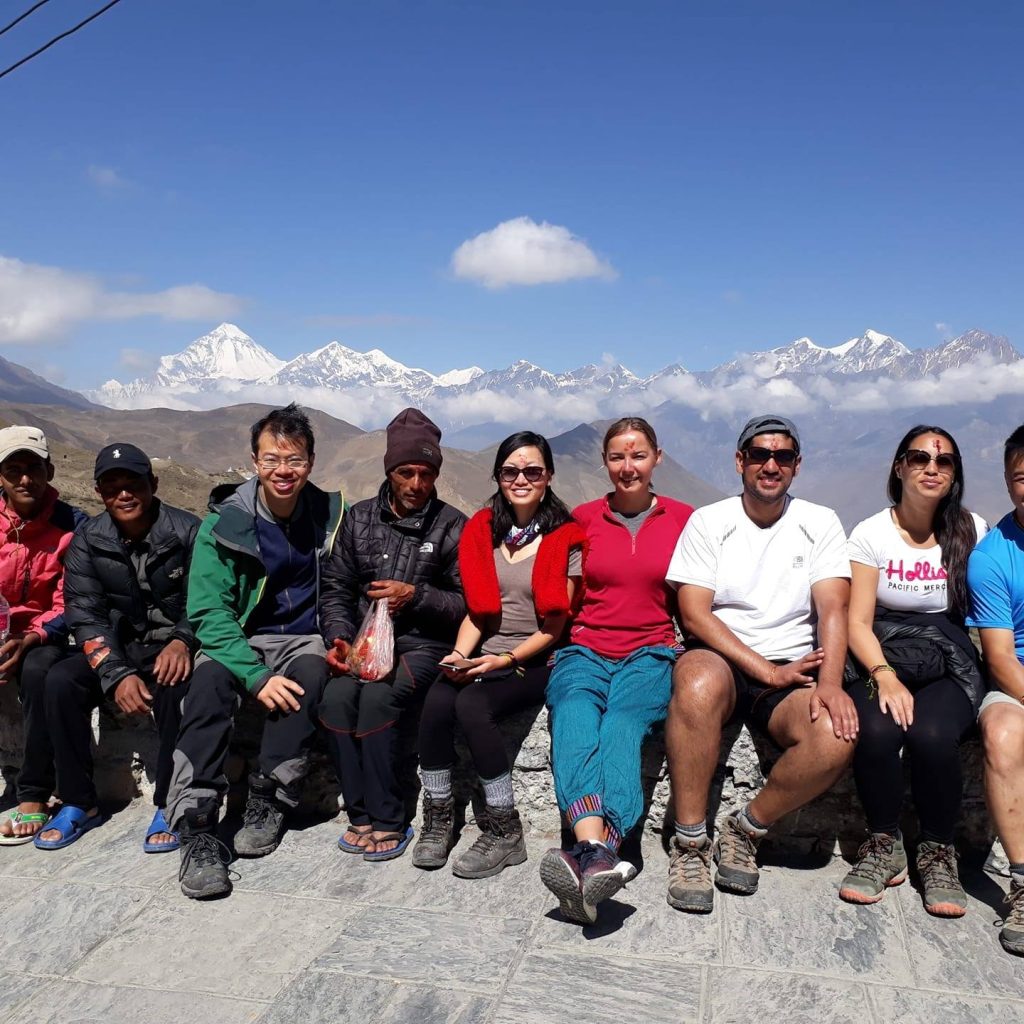
In the evening, you will participate in the celebration where the corporate teams, along with the crew members, will enjoy the successful completion of the Corporate Annapurna Circuit Trek. The celebration will allow for personal acknowledgement and sharing stories. It can strengthen team bonds and reflect on the journey. As the celebration ends with a group dinner, rest further.

Overnight in Pokhara.

Day 12 :

Drive from Pokhara to Kathmandu

road

Drive Distance

200km

departure_board

Drive Duration

6 -8 hours

altitude

Highest Altitude

1,324m

home_pin

Place

Kathmandu

After breakfast, you will leave Pokhara and drive towards Kathmandu. The drive is along the Prithvi Highway, alongside rivers, terraced fields, and busy roadside towns. Stops along the way provide for cultural encounters, local meals, and views of Ganesh Himal and Manaslu.

By evening, we arrive in Kathmandu, where we finish off the trek with some relaxation and preparation for departure.
Overnight in Kathmandu.

Day 13 :

Transfer to Tribhuvan International Airport for departure

road

Drive Distance

5.8km

departure_board

Drive Duration

20 - 30 minutes transfer

The last day starts with hotel check-out and transfer to Tribhuvan International Airport.
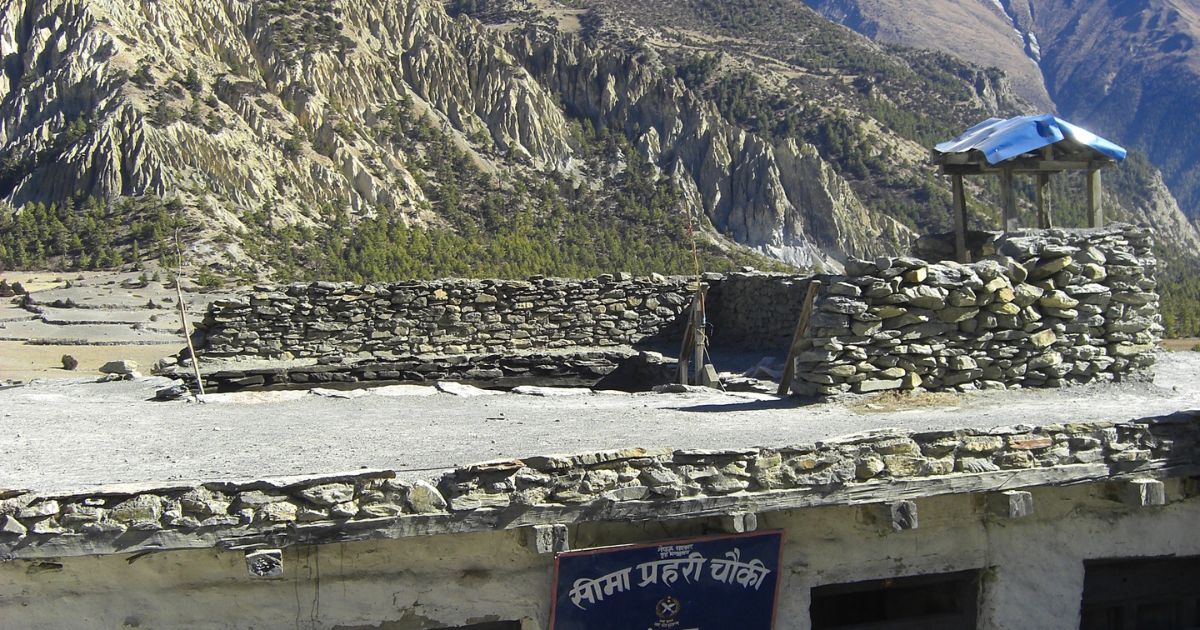
The day marks the end of the overall trek adventure. Depending on flight schedules, participants can enjoy a short walk or do some last-minute shopping in Kathmandu before the flight. The Annapurna Circuit Corporate Trek concludes with memories of high passes, cultural immersion, and team experiences.

Departure from Kathmandu.

Cost Includes

Since you are choosing the Annapurna Circuit Corporate Trek, expect the trip to be carefully organized and executed. From arrival in Kathmandu to departure, services are planned to ensure a hassle-free experience.

Transportation During the Trip:

  • Private vehicle transfers in Kathmandu (hotel-airport-hotel).
  • Drive from Kathmandu to Dharapani, then to Pokhara, and back to Kathmandu by tourist vehicle.

Trek Permit and Expenses:

  • Annapurna Conservation Area Permit (ACAP) and TIMS card.
  • Local municipality fees, government taxes, and official expenses.

Accommodation:

  • Hotels in Kathmandu and Pokhara in the 3-star category, twin/double sharing, breakfast included.
  • 10 nights in teahouses along the trek: Dharapani, Chame, Upper Pisang, Manang (2 nights), Yak Kharka, Thorong Phedi, Muktinath.

Meals and Hot Drinks:

  • Breakfast in Kathmandu and Pokhara.
  • Full board meals during trek: breakfast, lunch, dinner daily.
  • Tea/coffee three times daily, fresh fruit after dinner.
  • Farewell dinner at the end of the trek

Professional Guide and Porter Team:

  • Licensed English-speaking trekking guide.
  • Assistant guide for groups of 12 trekkers.
  • Porter service: 25 kg luggage allowance per two trekkers.
  • Staff insurance, salary, food, and accommodation are included.

Medical Support and Safety:

  • First-aid kit with oximeter for altitude monitoring.
  • Assistance in rescue operations (covered by insurance).

Equipment and Extra:

  • Use of a down jacket and sleeping bag if required.
  • One trekking duffle bag (70 L) per participant.
  • Complimentary Annapurna Circuit route map and T-shirt.
  • Appreciation certificate upon trek completion

Cost Excludes

To give you an idea of how to budget for the Annapurna circuit trek, below are the services and costs not included in the package:  

International Flight:

  • International flight costs to and from Nepal.

Upgrade and extra nights accommodation in Kathmandu & Pokhara:

  • Any upgrades in hotel accommodations.
  • Extra nights due to early arrival, late departure, or early return from trek.

Meals in Kathmandu & Pokhara:

  • All meals (Breakfast, Lunch, Dinner) before and after the trek, unless specified.

Nepal Visa:

  • Nepal Entry Visa fees on arrival: 15 days  –  $30, 30 days  –  $50, 90 days  –  $125.

Personal Trekking Gear:

  • Clothing and equipment such as jackets, trekking poles, gloves, and boots.

Travel Insurance:

  • Mandatory but not included. Must cover high-altitude rescue, medical treatment, cancellations, and repatriation.

Personal Expenses on the Trek:

  • Shopping, souvenirs, snacks, extra drinks, hot showers, Wi-Fi, device charging, and extra porter hire.

Filming and Drone Fees:

  • Costs for cameras, drones, or filming permits required by local authorities.

Extra Activities & Customized Services:

  • Private tours, excursions, or services not mentioned in the itinerary.

Tips for Guides and Porters:

  • Tips are customary and appreciated, but the amount is at your discretion.

Departure

Private Trip

Prefer a more personal journey? Our private packages offer flexible dates, custom itineraries, and dedicated support—perfect for those seeking a tailored travel experience.

The 13-Day Annapurna Circuit Corporate Trek Distance, Duration, and Altitude Summary

Day Route Walking Distance (km/miles) Duration Altitude Gain/Loss
1 Arrival in Kathmandu 5.8km 25-30 min drive
2 Kathmandu – Dharapani Road journey 8-10 hours (drive) Gain: 536m
3 Dharapani – Chame  15km/9.3miles 7-8 hours Gain: 810m
4 Chame – Upper Pisang 14-15 km/ 8.7-9.3miles 6-7 hours Gain: 530m
5 Upper Pisang – Manang 15-16km/9.3-9.9miles 7-8 hours Gain: 340m
6 Acclimatization in Manang, optional hikes + corporate event 3-5km/1.9-3.1miles 4-5 hours Varies by optional hike location
7 Manang – Yak Kharka 9-10 km/5.6-6.2miles 4-5 hours Gain: 510m
8 Yak Kharka – Thorong Phedi 6-7km/3.7-4.3miles 3-4 hours Gain: 400m
9 Thorong Phedi – Muktinath via Thorong La Pass 15-16km/9.3-9.9miles 8-10 hours Gain: 966m,

Loss: 1,616m

10 Muktinath – Pokhara Road journey 7-8 hours drive Loss: 2,980m
11 Corporate event in Pokhara – 
12 Pokhara – Kathmandu Road journey 6-8 hours Gain: 504m

What are the Permits and Expenses Needed for the Annapurna Circuit Corporate Trek?

Annapurna Conservation Area Permit (ACAP) 

To trek in the Annapurna region, every traveler must obtain the ACAP permit. This fee supports conservation of forests, wildlife, and trail infrastructure across the Annapurna region.

  • Foreigners: NPR 3,000 per person (USD 23)
  • SAARC nationals: NPR 1,000 per person
  • Children under 10: Free

You can obtain the permit from the Nepal Tourism Board in Kathmandu or Pokhara.

TIMS Card (Trekkers’ Information Management System)

The TIMS card officially registers trekkers, supporting safety monitoring and rescue operations when needed. Issued by the Nepal Tourism Board in Kathmandu, it remains a standard requirement for the Annapurna Circuit.

  • Foreigners: NPR 2,000 per person (USD 15)
  • SAARC nationals: NPR 600 per person

The Trekker’s Information Management System (TIMS) Card is not mandatory for the Corporate Annapurna Circuit Trek. The Government of Nepal mandates trekking with a licensed guide or through a registered trekking agency like Snow View Trek.

Local Municipality Fees

Certain rural municipalities along the Annapurna Circuit may charge local fees to support community development, infrastructure, and trail maintenance. These are collected at entry checkpoints during the trek.

  • Foreigners: NPR 1,000 – 2,000, depending on the village region
  • SAARC nationals: Same rate as foreigners

These permits and fees support sustainable trekking, protect natural resources, and contribute to the local community.

Note: Snow View Trek can obtain the permit on your behalf for a hassle-free experience.

Trip Cost of the 13-Day Annapurna Circuit Corporate Trek package 2026/2027

Group Size Price Per Person
10  –  20 persons USD 1,900
21+ persons USD 1,800

Note: Prices are per person. For a group of 10 trekkers, the cost is USD1,900 per person. For groups of 21 or more, the discounted rate is USD 1,800 per person. There is a private accommodation surcharge of USD 150 if you ask for a single room.

Best Time to Trek Annapurna Circuit Corporate Trek

Trekking the Corporate Annapurna Circuit may be hectic and tiring. Still, in the right season, it is also enjoyable and calming. So let’s take a look at what each season has in store for us on this corporate trek.

Spring (March to May) | Ideal for Trekking

Spring is also the perfect season to go trekking. The weather is mild and pleasant with long hours of daylight and excellent visibility. Temperatures range from 5 to 18°C (41 to 64.4°F) in lower areas and around -10 °C (14°F) at high passes. Rhododendrons are in bloom, and it is obvious, but there may be light showers. The hillsides are in flower with rhododendrons and wildflowers, which add brilliant scenery to the trek. The weather is generally good except for occasional pre-monsoon showers. Overall, this is another season of good weather for trekking and corporate activities.

Month Day Temp (°C) Night Temp (°C) Precipitation Weather Snowfall
March 5 to 12 5 to -10 60mm Cold mornings, warming days Light at higher altitudes
April 10 to 15 2 to -8 80mm Mild rhododendrons are blooming Rare
May 12 to 18 0 to -5 100mm Warm, clear skies, stable trails Minimal

Autumn (September to November) | Best Season

Autumn is the most popular season for the Annapurna Circuit Corporate Trek. Temperatures are moderate, comfortable, and safe for trekking. There is clear and stable weather. Daytime temperatures vary between 10 to 15°C (50 to 59°F) in lower areas and can fall to -12°C (10.4°F) at higher altitudes. Snowfall is minimal, and views of the mountains are spectacular. Post-monsoon freshness guarantees spectacular views, and the trails are alive with fellow trekkers, creating an energetic atmosphere for both trekking and corporate events.

Month Day Temp (°C) Night Temp (°C) Precipitation Weather Snowfall
September 10 to 15 0 to -5 150mm Clear skies, occasional rain Light at higher altitudes
October 8 to 15 -2 to -8 80mm Stable, crisp skies, clear views Rare
November 5 to 10 -5 to -12 50mm Clear, colder nights, great views Begins at higher passes

Winter (December – February) and Summer monsoon (June – August)

Winter has less favorable weather, extreme cold, and heavy snowfall at high altitudes. Daytime temperatures are often below 5°C (41°F), and nights can drop to -15°C (5°F) or lower at Thorong La Pass. Heavy snowfall is common, making the pass risky or even impassable. Crossing the pass is potentially dangerous, and temperatures are far colder. While trails are quieter, the extreme conditions make them less ideal for corporate treks.

The least favorable weather period is the monsoon season. Although the views are lush and green, the risks outweigh the benefits, and corporate treks have logistical challenges due to disrupted transport and accommodation. Temperatures are 15 to 25°C (59 to 77°F) in lower areas, but heavy rainfall prevails. Trails get slippery, landslides happen, and visibility is poor. Snowfall is rare, but clouds conceal the mountains.

Packing List for the Annapurna Circuit Corporate 13-day Trek

General Essentials:

  • Four-season sleeping bag
  • Down jacket
  • Daypack 35 – 45L with rain cover
  • Trekking poles
  • Water purification tablets/filter
  • Headlamp with spare batteries

Upper Body:

  • Sun hat or cap
  • Warm beanie/knitted hat
  • UV-protected sunglasses
  • Buff/neck gaiter

Torso Layers:

  • Technical base layers
  • 2 short-sleeve trek shirts
  • 2 long-sleeve trek shirts
  • Fleece jacket/pullover
  • Waterproof shell jacket

Lower Body:

  • Thermal leggings/base layer
  • 2 hiking pants
  • Hiking shorts
  • Comfortable teahouse pants
  • Rain/snow shell pants

Hands:

  • Liner gloves
  • Insulated waterproof gloves

Feet:

  • Warm wool socks
  • Hiking socks and liners
  • Waterproof trekking boots
  • Gaiters for snow/mud
  • Casual shoes/slippers

Undergarments & Sleepwear:

  • Quick-dry underwear
  • Sports bras (for women)
  • Thermal sleepwear

Medicals & Personal Care:

  • First aid kit, altitude medication, pain relievers
  • Oral rehydration salts
  • Sunscreen SPF 50+, lip balm SPF
  • Menstrual products for women
  • Hand sanitizer, wet wipes, toiletries

Corporate and Tech Essentials:

  • Power bank 10,000 – 20,000 mAh
  • Solar charger
  • Headphones
  • Notebook and Pen
  • Camera/smartphone
  • Extra memory cards/batteries
  • Universal Adapter
  • USB
  • Laptop/tablets
  • Business casual outfit for event days

Miscellaneous:

  • Trekking duffle bag
  • Lightweight towel
  • Notebook and pen
  • Snacks: energy bars, nuts, chocolates
  • Reusable water bottle/hydration bladder
  • Small lock
  • Lightweight book/Kindle

Equipment and Extras Provided by the company:

  • Down jacket (loaned for trek)
  • Four-season sleeping bag (loaned for trek)
  • Trekking duffle bag (70L, for porter use)
  • Annapurna Circuit trekking route map
  • Trekking T-shirt (souvenir)
  • Appreciation certificate after trek completion
  • First aid kit with oximeter
  • Corporate event facilities (meeting hall, projector, chairs, basic equipment)

Can You Trek the Annapurna Circuit Corporate Trek Solo?

The Annapurna Corporate Circuit Trek cannot be done solo and is designed for corporate teams. The package is part corporate and part Himalayan adventures, with corporate events included in Manang and Pokhara. Licensed guides and porters are required to handle logistics, safety, and corporate activities in Manang and Pokhara.

Since 2023, Nepal has made it mandatory for all trekkers to book licensed guides through registered agencies to reduce accidents, make trekking safer, improve rescue coordination, and ensure proper monitoring of trekkers.

Safety is a significant issue on the Annapurna Circuit Trek. The path passes Thorong La Pass at 5,416m, where altitude-related dangers and fickle weather require the support of a professional. Therefore, trekking with guides and groups is the safest way to experience the trail.

For that reason, the Corporate Annapurna Circuit Trek is strictly a group experience. Solo trekking is neither legal nor practical if you plan to be part of this package.

What are the Meals and Accommodation Like in the Annapurna Circuit Corporate Trek Route?

Meals and accommodation on the Annapurna Circuit Corporate Trek are a trade-off between comfort and genuine Himalayan experiences.

In Kathmandu and Pokhara, you will be staying in 3-star hotels on a twin- or double-sharing basis, with breakfast before and after the trek. Along the trekking route, accommodation is provided in teahouses with clean, comfortable rooms.

Lower-village teahouses might have attached bathrooms, while higher-altitude teahouses usually have shared bathrooms. These traditional teahouses offer a cozy, inviting place to rest after a walk each day.

Meals are served on a full-board basis during the trek. Traditional Nepali dishes like dal-bhat are complemented by noodles, soups, rice, pasta, vegetables, eggs, and bread. Tea and coffee are served three times a day, and fresh seasonal fruit is served after dinner to keep you energized.

Breakfast items include porridge, oatmeal, pancakes, Tibetan bread, eggs, chapati, toast with butter or jam, etc. Lunch includes Dal Bhat, Fried Rice, Chowmein, Thukpa, Sherpa stew, Momo, pasta, soup, sandwich, French fries, etc. For dinner, you can have dal bhat (rice with vegetable curry), pasta, noodles, Momo, Sherpa stew, potato dishes, soup, veg curry with chapati, etc. Food becomes both nourishment and a shared experience throughout the trek.

Visa and Entry Requirements for Annapurna Circuit Corporate Trek 13 Days

Nepal Entry Visa: All foreign travelers must have a Nepal entry visa to join the Annapurna Circuit Corporate Trek. You can obtain the on-arrival visa at Tribhuvan International Airport in Kathmandu or in advance from Nepali embassies abroad. A valid passport with at least 6 months’ validity is required, and a passport-sized photo must be submitted for visa processing.

Visa fees are simple: USD 30 for a 15-day multiple-entry visa, USD 50 for a 30-day multiple-entry visa, and USD 125 for a 90-day multiple-entry visa. Payments are typically made in cash, preferably in US dollars.

In addition to the entry visa, you must obtain the permits for Annapurna. These include the Annapurna Conservation Area Permit (ACAP) and the TIMS card (Trekkers’ Information Management System). Local municipality fees may also apply in some areas of the circuit.

Snow View Trek provides all necessary permits, including these in the package cost, to comply with Nepal’s regulations and to provide a hassle-free experience for corporate groups.

Travel Insurance Requirements and Emergency Rescue Coverage for Annapurna Circuit Corporate Trek

Travel insurance is compulsory in the Annapurna Circuit Corporate Trek. Every participant must carry their own policy that covers high-altitude trekking above 5,000m, especially as the route crosses Thorong La Pass at 5,416m. Without this coverage, you are not legally allowed to participate in the trek.

The insurance needs to cover emergency helicopter evacuation, hospital treatment in Kathmandu or Pokhara, and repatriation to your home country. It should also include trip cancellations, delays, and interruptions since weather is unpredictable and road transport may experience landslides or blockages.

Rescue operations are generally coordinated from Manang, Jomsom, or Pokhara. In case of severe cases, helicopters are used for evacuation. Guides organize the rescue, but you pay for it through your insurance provider. Medical kits carried by guides include oximeters to monitor oxygen saturation at altitude. This helps to look out for signs of early altitude sickness and make medical decisions on time. A comprehensive travel insurance is, therefore, key to safety, compliance, and peace of mind on trek.

Guide and Porter Services, Staffing, and Baggage Allowance for Annapurna Circuit Corporate Trek

  • Trek led by licensed, English-speaking guides experienced in altitude management and local culture.
  • An assistant guide is provided for groups of more than 12 trekkers to ensure balanced supervision.
  • Porters carry 12.5 kg per trekker, with one porter assigned to every two trekkers.
  • All staff are insured, equipped, and provided with food, accommodation, and transport.
  • Salaries and expenses of guides and porters are included in the package cost.
  • Guides and porters ensure safety, manage logistics, and enrich the trek with cultural insights.

Altitude Sickness and Prevention for the Annapurna Circuit Corporate Trek

Let’s now discuss altitude sickness, which is a very significant topic. In all honesty, your body receives less oxygen over 3,000m in the Annapurna region. If you’re not attentive, that’s where issues might arise. Acute Mountain Sickness (AMS) is a sickness that occurs when your body fails to adjust to the elevation. Headaches, nausea, lightheadedness, dyspnoea, exhaustion, or difficulty falling asleep are possible symptoms. Your body uses these signals to tell you to slow down.

Ignoring altitude sickness can have serious consequences. Rarely, it can develop into HAPE, in which fluid accumulates in the lungs, or HACE, in which the brain expands. Both are deadly and require immediate medical attention. If symptoms abruptly worsen rather than improve, you’ll know something is amiss. This is why it’s crucial to pay attention to your guide and your body when trekking.

Fortunately, altitude sickness is typically preventable. Slow acclimation is crucial. Rest days in locations like Namche are very beneficial, and you shouldn’t gain more than 500m every day above 3,000m. “Climb high, sleep low” is a common principle, and it really does work. Similarly, consuming three to four liters of water each day has a significant impact. Steer clear of alcohol and tobacco, eat light, high-carb meals, and stay warm because cold can exacerbate symptoms.

Also, you’re not alone. Guides with you, use oximeters to measure oxygen levels, and carry medical kits for first aid. Rescue operations are organized by the trekking company, with helicopters from Pokhara or Jomsom to transport the patients to hospitals in Pokhara or Kathmandu. This means that even at high altitudes, the Annapurna Circuit Trek may be safe, pleasurable, and stress-free with the correct pace, healthy habits, and appropriate instruction.

Personal Expenses and On-Trek Incidentals to Budget For on the Annapurna Circuit Corporate Trek

  • You should budget for your own personal costs, not included in their package. These typically consist of snacks, bottled water, and additional tea or coffee.
  • Wi-Fi, hot showers, and battery charging in teahouses are charged separately, and costs rise with altitude.
  • Alcohol, soft drinks, and telephone calls are also purely personal expenses. Shopping for souvenirs in villages such as Manang or Jomsom also involves extra cash.
  • Tips for guides and porters are customary. Carry small denominations of Nepali rupees, as ATMs are unreliable in remote areas.

Budgeting for these incidentals will ensure a smooth trek without financial stress along the way.  

Extra Activities and Customized Services Available for Annapurna Circuit Corporate Trek

You can include additional activities, such as private sightseeing tours in Kathmandu or Pokhara, and cultural village walks in Manang or Jomsom. Customized services such as upgraded hotels, private transport, or additional porters for heavier baggage can be arranged upon request.

Helicopter sightseeing flights over the Annapurna range are also available at an additional expense; they offer panoramic views of peaks such as Annapurna 1, Machhapuchhre, and Dhaulagiri. These flights are among the unique ways to enjoy the Himalayas without trekking farther.

Such activities and services are not included in the standard package but can be customized for corporate groups, adding comfort, cultural immersion, and team-building experiences.

Why Trek the Annapurna Circuit Corporate Trek with Us?

Trekking the Annapurna Circuit with us blends adventure, culture, and corporate synergy seamlessly.

  • Snow View Trek offers a customized, tailor-made itinerary that meets corporate needs with leadership sessions and strategy meetings.
  • Proven experience with corporate clients where teams have used the trek to launch new projects, align leadership, and reward high performers.
  • Provides guaranteed departure dates with flexible scheduling to fit the corporate calendar.
  • An all-inclusive package covers permits, domestic flights, accommodation, meals, and staff, allowing corporate teams to focus on their objectives without administrative concerns from start to finish.
  • Highly rated on TripAdvisor and recommended by past corporate clients.
  • Activities and discussions are aligned with different organizational needs, vision, and strategy.
  • Well-equipped to handle both large and small groups, where each individual receives equal attention and support.

FAQ’s

Our Latest Blog

Attractions, Tips & Activities. Explore Now!

View All Blog

Plan Your Perfect Adventure

Tell us where you want to go and we’ll take care of the rest.
Get a custom travel plan tailored to your interests and schedule.

Start Planning