search
search

Annapurna Circuit Trek – 12 Days

globe_location_pin

Country

Nepal

calendar_clock

Duration

12 Days

avg_pace

Difficulty

Moderate to Challenging
partly_cloudy_day

Best Season

Mar, Apr, May, Sept, Oct, Nov

conversion_path

Start / End Point

Kathmandu / Kathmandu

landscape_2

Max. Altitude

5,416m (Thorong La Pass)

landscape

Nature Of Trek

Lodge to lodge trekking

footprint

Activity

Trekking

directions_walk

Trek Duration

12

location_on

Region

Annapurna Region

groups

Group Size

2 - 16

code_blocks

Trip Code

SVACT09

hiking

Activity Per Day

5–7 hours walking (depending on section)

home

Accommodation

Hotel + Teahouse/Lodge
flatware

Meals Included

Breakfast, Lunch, Dinner
editor_choice

Recommended For

Trekkers with prior high-altitude experience and good physical fitness

12 Days Annapurna Circuit Trek Highlights

  • Drive to Dharapani, the gateway to the Annapurna Circuit, passing through rivers and hillside villages. 
  • Walk through Gurung and Tibetan-style villages with monasteries, prayer wheels, mani walls, and apple gardens. 
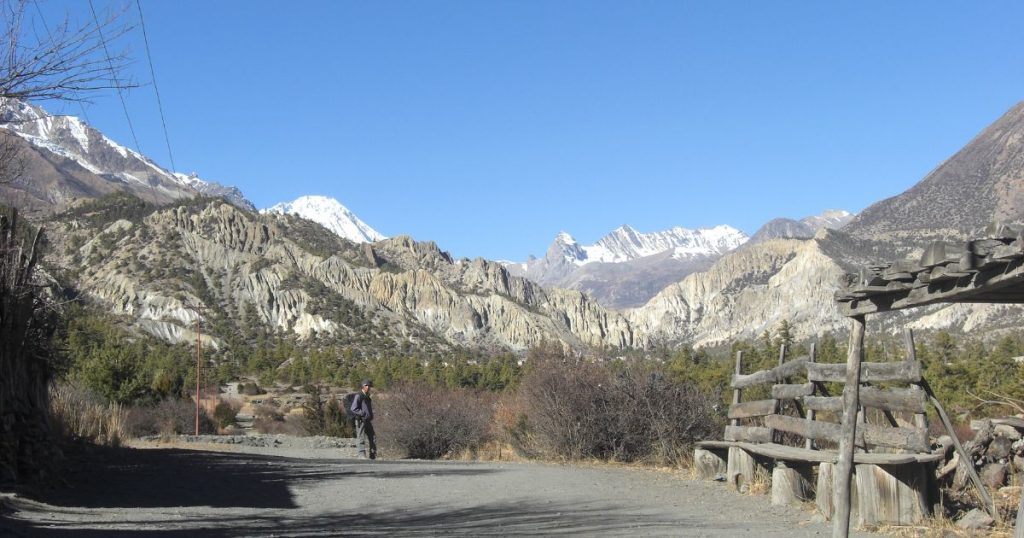
  • Reach Chame and Pisang, which have spectacular cliffs, pine forests, and suspension bridges. 
  • Explore Manang on an acclimatization day, and hike to Ice Lake or Tilicho Base Camp at 4,150m. 
  • Continue to Yak Kharka and Thorong Phedi through alpine meadows and grazing yak fields. 
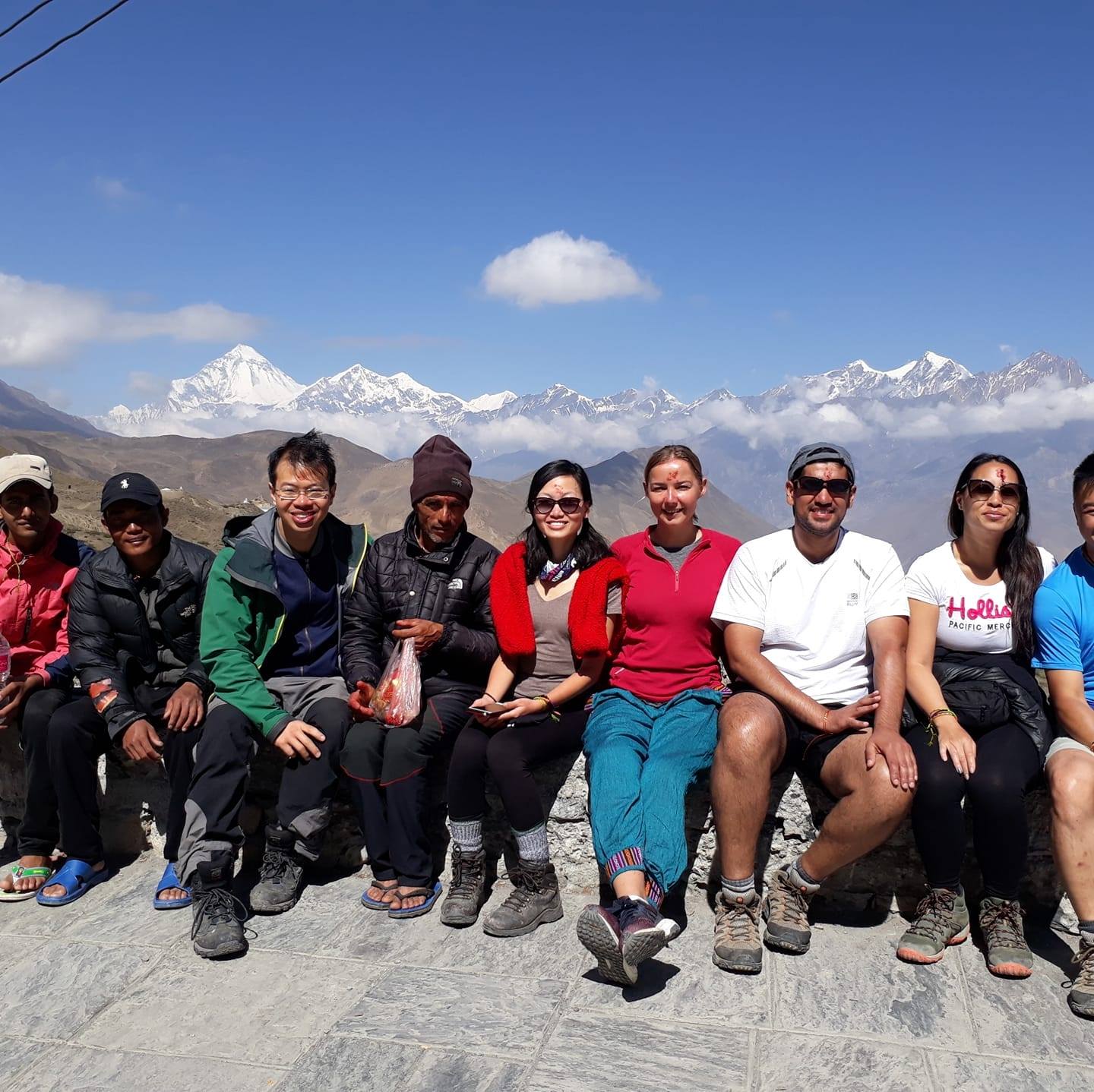
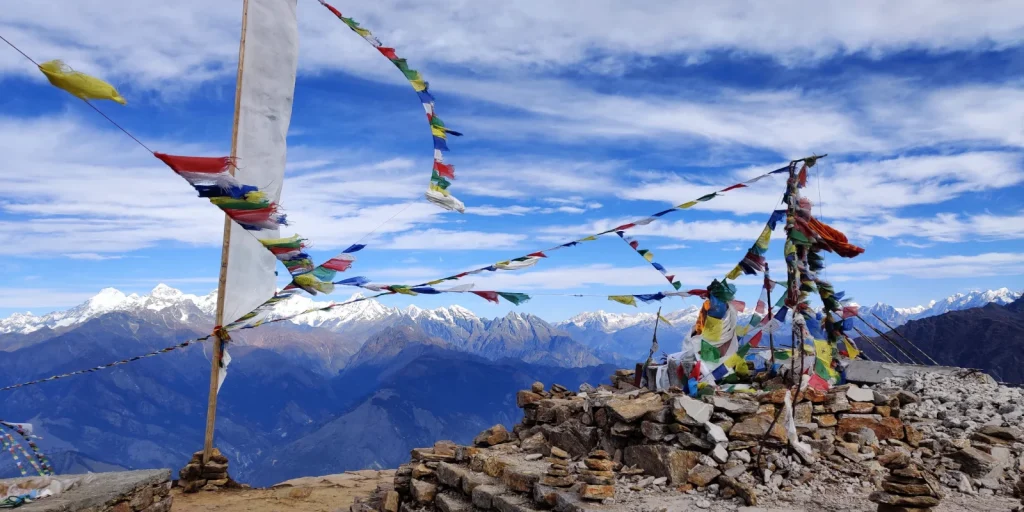
  • Cross the Thorong La Pass at 5,416m, the highest point of the trek, with views of sunrise, mountain views, and prayer flags. 
  • Descend to Muktinath, a sacred pilgrimage site with sacred temples, monasteries, and 108 water spouts. 
  • Drive through the Kali Gandaki Valley towards Pokhara, through Kagbeni, Jomsom, Tatopani hot springs, and explore the deepest gorge in the world.

Annapurna Circuit Trek 12 Days Overview

The Annapurna Circuit Trek is one of the most diverse trek routes in Nepal. This Trek Adventure takes you through some of the most beautiful landscapes of the Himalayas, revealing new vistas and cultural encounters with every passing day. Beginning in the lush valleys and terraced hillsides of central Nepal, the trail gradually ascends through pine forests, alpine meadows, and rugged highlands to the dramatic Thorong La Pass at 5,416m. The path follows the Marsyangdi River Valley before entering the Kali Gandaki Valley. Daily walks range from five to six hours.

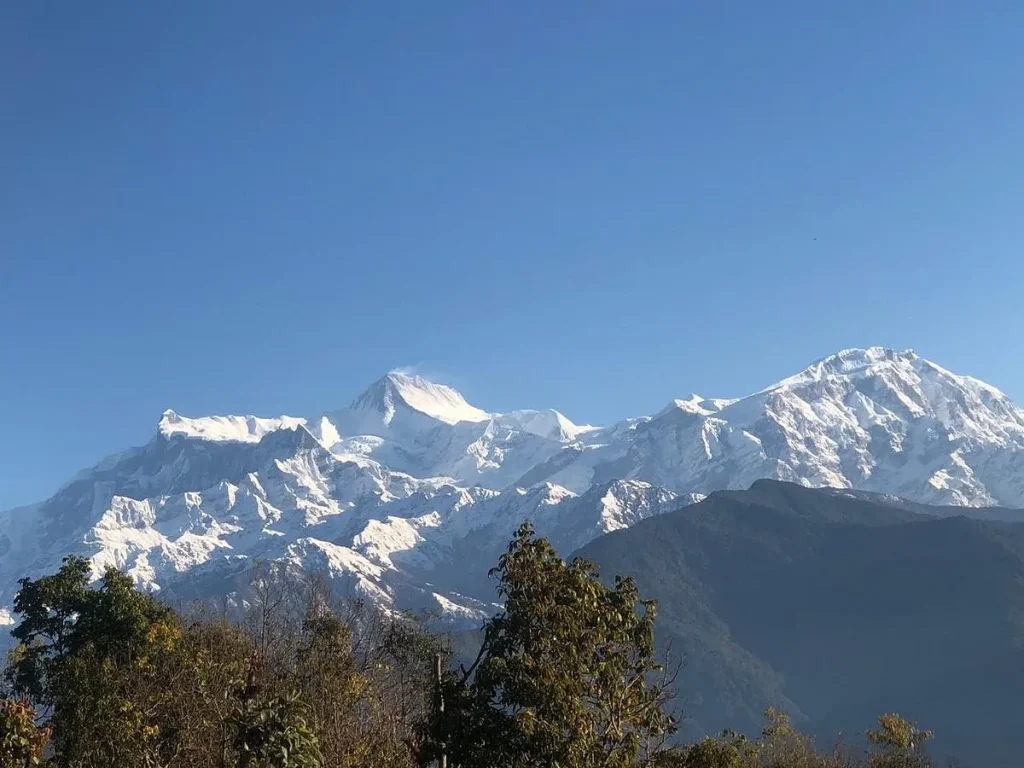
The route starts with a drive to Dharapani (1,860m) and includes Manang (3,540m) as an important acclimatization stop. During acclimatization at Manang, one can do side hikes to Ice Lake (4,600m) or Tilicho Base Camp (4,150m). The highlight of the trek is crossing Thorong La Pass (5,416m), the highest point on the circuit. Along the way, there are picturesque cascading waterfalls, snow-capped peaks, and hospitable Gurung and Tibetan-influenced villages. This section is extremely demanding but rewards the trekker with sweeping panoramic vistas of the Himalayas like Annapurna II, III, IV, and Gangapurna, Tilicho Peak, Dhaulagiri, and Nilgiri, prayer flags, and sunrise.

Descending from the pass, you arrive in Muktinath (3,750m), where you can visit temples, monasteries, and 108 water spouts. This holy area is important to Buddhists and Hindus alike, and features Mani walls, chortens, and desert landscapes. Thus, the trek is not only about the natural grandeur but also about getting immersed in local traditions, from the spiritual ambiance of Manang to the sacred temple of Muktinath.

The Kali Gandaki Valley – home to the deepest gorge in the world – is crossed by Kagbeni, Jomsom, and the Tatopani hot springs. These sights make the journey more interesting and make the exploration more rewarding. On top of that, Pokhara offers a lakeside serenity with Himalayan views as a tranquil ending to the trek.

The diversity of the terrain, culture, and altitude makes the Annapurna Circuit a truly transforming adventure. With the help of a trusted agency, Snow View Trek, the dream of going on this legendary route becomes smooth and safe. Expert advice, cautious acclimatization planning, and cultural knowledge can help you focus on the journey’s beauty while all the loose ends are tied up, turning a challenging trek into a life-changing experience.

Detailed Annapurna Circuit 12-day Trek Itinerary

Day 01 :

Arrive at Tribhuvan International Airport and transfer to your hotel

road

Drive Distance

5 - 6km

departure_board

Drive Duration

25 - 30 minutes airport transfer

altitude

Highest Altitude

1,324m

As you arrive in the arrival section of Tribhuvan International Airport, our company representative will be waiting with a placard for identification. Upon meeting, the representative will transfer you to your hotel in Kathmandu. Kathmandu meets you with its colorful streets, old temples, and bazaars teeming with people. The capital is a cultural mosaic where Hindu and Buddhist traditions coexist, reflected in pagoda-style shrines and centuries-old courtyards.  

Exploring the city offers glimpses of World Heritage Sites, Durbar Square, Swayambhunath, and more. At this altitude, there is no impact on the body, and it is comfortable to start before you head into the Himalayas.

Overnight in Kathmandu.

Day 02 :

Drive from Kathmandu to Dharapani

road

Drive Distance

230km

departure_board

Drive Duration

8-10 hours

altitude

Highest Altitude

1,860m

home_pin

Place

Dharapani

Today, you will drive from Kathmandu to Dharapani. The drive follows the Prithvi Highway and passes through river valleys, green hills, and terraced farms. Along the way, you will cross towns like Mugling, Dumre, and Besisahar. As the road climbs higher, you will see the Marsyangdi River, Lamjung Himal, and many beautiful waterfalls along the hillsides.

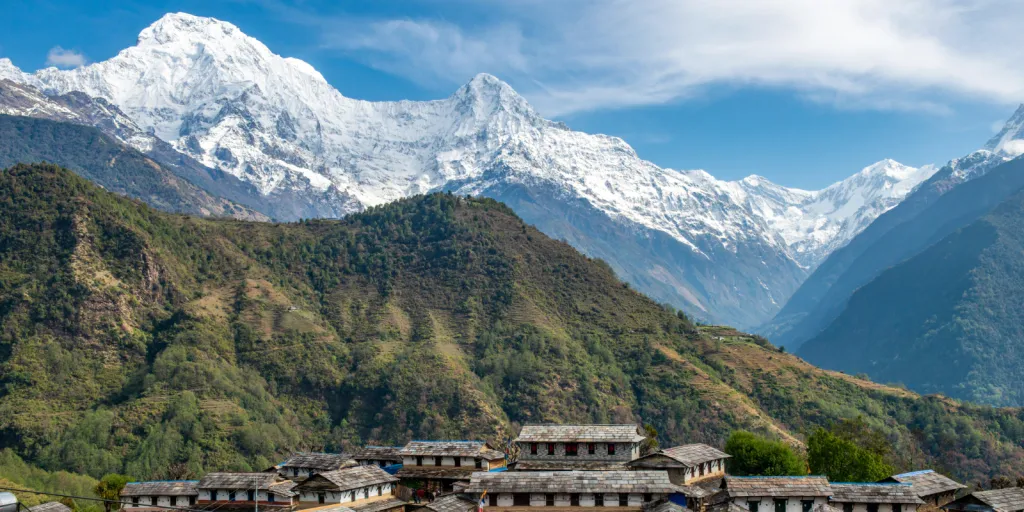
Dharapani sits at 1,860m and is a key village on the Annapurna Circuit trail. The village reflects Gurung and Tibetan culture, with stone houses, prayer flags, and small farms. The cool mountain air and peaceful surroundings make it a perfect place to rest and prepare for the trekking days ahead.

Day 03 :

Trek from Dharapani to Chame

directions_walk

Trek Distance

15km

av_timer

Trek Duration

7-8 hours

altitude

Highest Altitude

2,670m

home_pin

Place

Chame

The trail climbs uphill through forests of pine and fir trees, with the Marsyangdi River flowing nearby. Along the way, you cross suspension bridges that link small villages. As you walk higher, the air becomes cooler and the landscape starts to feel more alpine. This part of the trail slowly prepares you for higher elevations.

Chame is a lively mountain village and an important stop on the trail. You will see stone walls, prayer wheels, and apple orchards around the village. As you go higher, you may start to feel the altitude, but the strong Tibetan Buddhist culture and clear views of Annapurna II and Lamjung Himal make Chame a rewarding place to rest.

Day 04 :

Trek from Chame to Upper Pisang

directions_walk

Trek Distance

14-15km

av_timer

Trek Duration

6–7 hours

altitude

Highest Altitude

3,200m

home_pin

Place

Upper Pisang

The trail rises from Chame to Upper Pisang. Forests and narrow valleys gradually give way to wider landscapes, with apple orchards and traditional stone houses lining the path. Annapurna II and IV are the major peaks that dominate the skyline with breathtaking views at all times of the day.

Upper Pisang reflects Tibetan‑style architecture and sits on dry hillsides, marking the transition into high‑altitude terrain. Higher up, the effects of altitude become more pronounced, and you are advised to walk slowly and stay hydrated. The monastery offers panoramic views of the Marsyangdi Valley, and the village’s atmosphere is very spiritual and rich in culture.

Day 05 :

Trek from Upper Pisang to Manang

directions_walk

Trek Distance

15-16km

av_timer

Trek Duration

7-8 hours

altitude

Highest Altitude

3,540 m

home_pin

Place

Manang

The route climbs gently from Upper Pisang to Manang. You can choose from a lower, easier trail or a higher, more scenic trail through Ghyaru and Ngawal. The upper trail rewards with sweeping views of Annapurna II, III, IV, and Tilicho Peak.  

Manang is a dry valley that is enclosed between cliffs and glaciers. At higher altitudes, the effects on the body are considerable, and acclimatisation is important. The village is a cultural hub with Tibetan houses, monasteries, yak caravans, and a rich tradition of trading, both for exploration and rest.

Day 06 :

Acclimatization and Rest day in Manang

altitude

Highest Altitude

3,540m

home_pin

Place

Manang

Manang is the acclimatization stop. Short hikes to Gangapurna Lake or Bhojo Gompa support a more gradual acclimatization, with some climbing on these side trips before returning to the village. These excursions are rewarded with views of glaciers and high peaks.

The village itself is a cultural centre, with Tibetan-type houses, centuries-old monasteries, and a busy marketplace. Yak caravans and barley fields symbolise the old way of life, and you love to explore the local bakeries, museums, and the calm atmosphere of this high altitude settlement before continuing further up.

Day 07 :

Trek from Manang to Yak Kharka

directions_walk

Trek Distance

9-10km

av_timer

Trek Duration

4–5 hours

altitude

Highest Altitude

4,050m

home_pin

Place

Yak Kharka

The trail from Manang to Yak Kharka is not steep. The landscape changes to alpine meadows and low vegetation, and yaks are grazing on the hillsides. The Marsyangdi River narrows into a high valley, and the crisp air signals the approach to higher Himalayan terrain.

Yak Kharka is a small settlement in the middle of wild hills and open pastures. Going up, the impact of altitude is greater, and you will often find yourself short of breath and fatigued. The village provides a peaceful resting place where the acclimatization process continues, while views of Gangapurna and Tilicho Peak add to the dramatic scenery.

Day 08 :

Trek from Yak Kharka to Thorong Phedi

directions_walk

Trek Distance

6-7km

av_timer

Trek Duration

3-4 hours

altitude

Highest Altitude

4,450m

home_pin

Place

Thorong Phedi

The trail ascends continuously from Yak Kharka to Thorong Phedi. The path passes through suspension bridges and winds through rocky terrain with vegetation thinning out as the altitude increases. The dramatic backdrop of snow-covered peaks creates a sense of anticipation for the pass ahead.

Thorong Phedi, which means ‘foot of the hill,’ is a point of departure to climb Thorong La. Altitude effects are significantly higher up, and you will often feel the effects of thinner air. The settlement is simple but important, providing a place to rest and prepare for the difficult climb to the pass.

Day 09 :

Trek from Thorong Phedi to Muktinath via Thorong La Pass

directions_walk

Trek Distance

15-16km

av_timer

Trek Duration

8-10 hours

altitude

Highest Altitude

5,416m

home_pin

Place

Muktinath

Day 09 is the hardest but also the most rewarding day of the trek. You will start very early, around 4:00 AM, leaving Thorong Phedi and heading toward Thorong La Pass. The trail is rocky, icy, and cold, so we walk slowly and carefully. Colorful prayer flags guide the way as the sun rises, lighting up the Himalayan peaks around us. Thorong La Pass (5,416m) is the highest and most majestic point of the Annapurna Circuit, and reaching it feels like a huge achievement.

After spending some time at the pass, you will begin a long descent toward Muktinath. The trail goes downhill for many hours, so steady steps and patience are important. Drinking plenty of water and watching your body is very important today. If you feel symptoms of altitude sickness, you must descend immediately. After 8–10 hours of walking, you will finally reach Muktinath, a sacred place and a well-earned stop after an unforgettable day in the high Himalayas.

Day 10 :

Drive from Muktinath to Pokhara

road

Drive Distance

173km

departure_board

Drive Duration

6–7 hours

altitude

Highest Altitude

3,800m

home_pin

Place

Pokhara

The journey down from Muktinath to Pokhara is very steep, with significant elevation loss. The drive passes through the Kali Gandaki gorge, the deepest in the world, with views of the Dhaulagiri and Annapurna ranges above.

Pokhara lies next to Phewa Lake and is a lively city with serene waters and a backdrop of the Himalayas. As you descend, altitude impact disappears, and the warm climate feels refreshing after days in the high mountains. The lakeside offers opportunities for exploration, boating, and relaxation.

Day 11 :

Drive from Pokhara to Kathmandu

road

Drive Distance

200km

departure_board

Drive Duration

6–8 hours

altitude

Highest Altitude

1,324m

home_pin

Place

Kathmandu

The drive from Pokhara goes back uphill to Kathmandu. The road winds through river valleys, terraced fields, and busy towns, offering glimpses of rural life along the way.  

Kathmandu greets you with its lively streets and cultural landmarks. After the high-altitude adventure, the city’s energy and warmth are a comforting return to civilization, where the memories of the trek are mixed with the timeless traditions of Nepal.

Day 12 :

Departure from Kathmandu

Kathmandu is the final resting point before taking off. The city’s busy nature contrasts with the serenity of the mountains and offers a final opportunity to visit temples, markets, and cultural sites.

As the journey comes to an end, you will reflect upon the dramatic changes in elevation – from the low valleys to Thorong La Pass – and the cultural richness of the villages that one passes along the way. The Annapurna Circuit makes indelible marks of both nature and the human spirit.

Cost Includes

Since you are opting for the Annapurna Circuit 12-Day Trek, you can expect that the trek will be carefully organized and executed. From arrival in Kathmandu to departure, services are planned to ensure a smooth, hassle-free experience.

Transportation During the Trip:

  • Private vehicle transfers in Kathmandu (hotel–airport–hotel).
  • Drive Kathmandu–Dharapani–Pokhara–Kathmandu in a tourist vehicle for safe, scenic travel.

Trek Permits and Expenses:

  • Annapurna Conservation Area Permit (ACAP) and TIMS card included.
  • Local municipality fees, government taxes, and official expenses are covered.

Accommodation:

  • Hotels in Kathmandu and Pokhara in the 3-star category, twin/double sharing, breakfast included.
  • 9 nights in teahouses along the trek: Dharapani, Chame, Upper Pisang, Manang (2 nights), Yak Kharka, Thorong Phedi, Muktinath.

Meals and Hot Drinks:

  • Breakfast in Kathmandu and Pokhara.
  • Full board meals during trek: breakfast, lunch, dinner daily.
  • Tea/coffee three times daily, fresh fruit after dinner.
  • Farewell dinner at the end of the trek

Professional Guide and Porter Team:

  • Licensed English-speaking trekking guide.
  • Assistant guide for groups of 12.
  • Porter service: 25 kg luggage allowance per two you will.
  • Staff insurance, salary, food, and accommodation are included.

Medical Support and Safety:

  • First-aid kit with oximeter for altitude monitoring.
  • Assistance in rescue operations (covered by insurance).

Equipment and Extras:

  • Use of a down jacket and sleeping bag if required.
  • One trekking duffel bag (70 L) per participant.
  • Complimentary Annapurna Circuit route map, T-shirt, and appreciation certificate upon trek completion.

Cost Excludes

To help you plan and budget for the Annapurna Circuit 12 Day Trek, below you will find some of the services and costs that are not included in the package:

International Flight: 

  • International flight costs to and from Nepal are excluded.

Extra Accommodation in Kathmandu & Pokhara:  

  • Any hotel upgrades are not included.
  • Extra nights due to early arrival, late departure, or early return from the trek are excluded.

Meals in Kathmandu & Pokhara: 

  • All meals (Breakfast, Lunch, and Dinner) before and after the trek are excluded unless specified.

Nepal Visa

  • Nepal Entry Visa fees on arrival: 15 days – $30, 30 days – $50, 90 days – $125.

Personal Trekking Gear:  

  • Clothing and equipment such as jackets, trekking poles, gloves, and boots are not provided.

Travel Insurance

  • Mandatory but not included. Must cover high-altitude rescue, medical treatment, cancellations, and repatriation.

Personal Expenses on the Trek:  

  • Shopping, souvenirs, snacks, extra drinks, hot showers, Wi-Fi, device charging, and extra porter hire are excluded.

Filming and Drone Fees:

  • Costs for cameras, drones, or filming permits required by local authorities are not included.

Extra Activities & Customized Services

  • Private tours, excursions, or services not mentioned in the itinerary are excluded.

Tips for Guides and Porters

  • Tips are customary and appreciated, but the amount is at your discretion

Departure

Private Trip

Prefer a more personal journey? Our private packages offer flexible dates, custom itineraries, and dedicated support—perfect for those seeking a tailored travel experience.

Annapurna Circuit Trek Distance, Duration, and Altitude Summary

Day Route Walking Distance (km/miles) Duration Altitude Gain/Loss
1 Arrival in Kathmandu 5.8km 25-30 min drive
2 Kathmandu – Dharapani Road journey 8-10 hours (drive) Gain: 536m
3 Dharapani – Chame  15km/9.3miles 7-8 hours Gain: 810m
4 Chame – Upper Pisang 14-15 km/ 8.7-9.3miles 6-7 hours Gain: 530m
5 Upper Pisang – Manang 15-16km/9.3-9.9miles 7-8 hours Gain: 340m
6 Acclimatization in Manang, optional hikes + corporate event 3-5km/1.9-3.1miles 4-5 hours Varies by optional hike location
7 Manang – Yak Kharka 9-10 km/5.6-6.2miles 4-5 hours Gain: 510m
8 Yak Kharka – Thorong Phedi 6-7km/3.7-4.3miles 3-4 hours Gain: 400m
9 Thorong Phedi – Muktinath via Thorong La Pass 15-16km/9.3-9.9miles 8-10 hours Gain: 966m,

Loss: 1,616m

10 Muktinath – Pokhara Road journey 7-8 hours drive Loss: 2,980m
11 Pokhara – Kathmandu Road journey 6-8 hours Gain: 504m


Best Time to Trek Annapurna Circuit 

Choosing the right season for the Annapurna Circuit Trek plays a big role in how enjoyable and safe your journey will be. Good weather means clearer mountain views, safer trail conditions, and a more comfortable trekking experience. The Himalayas look their best when the skies are clear and the weather is stable.

Spring (March to May) is one of the best times to trek the Annapurna Circuit. During this season, the weather is mostly stable, the trails are dry, and the visibility is excellent. Snow-covered peaks look sharp and bright, making it a favorite time for photographers. Crossing Thorong La Pass (5,416m) is safer, and rhododendron forests bloom beautifully at lower elevations.

Autumn (late September to November) is also considered the prime trekking season. After the monsoon ends, the air becomes crisp and clear, offering stunning views of the Himalayas. The weather is stable, days are pleasant, and nights are cool. Trails are in good condition, and the high pass crossing feels more secure and rewarding.

Likewise, Winter (December to February) offers peaceful trails and snowy landscapes, but temperatures drop sharply, especially at higher altitudes. Some lodges may be closed due to snow, and Thorong La Pass can be blocked after heavy snowfall. This season is suitable only for well-prepared trekkers.

Monsoon (June to August) is generally not recommended. Heavy rainfall brings clouds, slippery trails, leeches in lower areas, and a higher risk of landslides. Mountain views are often blocked, and travel plans can be disrupted.

Difficulty and Physical Preparation for the Trek of Annapurna Circuit (12 Days)

The Annapurna Circuit trek is approximately 160 to 200km long and takes 12 to 15 days. Most days consist of 5-7 hours of continuous walking on mountain paths, with gradual ascents and descents at high altitude. The toughest part is crossing Thorong La Pass at 5,416m, with its thin air and steep climbs, which put both endurance and mindset to the test.

Physical preparation for Annapurna Circuit

You don’t have to be an elite athlete, but you do need to have good basic fitness. Focus on three things.

Endurance  

  • Regular walking for one to two hours several times per week.  
  • Weekend hikes to hills or stairs to help your legs climb and descend for long periods of time.  

Strength  

  • Simple body weight exercises (such as squats, lunges, and step-ups) two or three times a week.  
  • Focus on legs and core to help you carry a day pack for many hours.  

Heart and lungs  

  • Activities such as brisk walking, cycling, light jogging, or swimming can help to develop cardiovascular fitness.  
  • Many guides recommend starting this kind of training at least 3 months before your trek to Annapurna in Nepal.

Mental stability and mindset

The Annapurna Circuit is not only a challenge for the muscles. It is a test of patience and way of thinking. Each day, the air becomes thinner and thinner, especially above 3,000 meters, and the weather can change without warning.  There are times when your energy is low, and you begin to question your decision. This is where mental stability comes into play.  

Helpful mental habits  

  • Accept that progress is slow at high altitude, and that this is normal.  
  • Don’t think about the entire trek; focus on one part of the trail at a time.  
  • Celebrate the small victories, such as arriving at Manang or climbing the Thorong La Pass.  
  • Listen to your guide and your body, not to pressure from others.  

Studies and experience among guides show that you will arrive with realistic expectations, a calm and flexible attitude, and a much better chance of enjoying the Annapurna Circuit safely. 

Required Documents and Permits for the Annapurna Circuit Trek

The Annapurna Circuit is located in a protected area of the Himalaya, so you must obtain certain licenses before entering the area. At present, there are two major Annapurna Circuit trek permits for foreign travellers:  

  • Annapurna Conservation Area Permit (ACAP)  
  • Trekker’s Information Management System (TIMS) Card  

Recent permit guides confirm that these two documents are the basic requirements for the Annapurna region, while the TIMS card is not mandatory.

The ACAP permit supports conservation work, trail maintenance, and biodiversity protection inside the Annapurna Conservation Area. The TIMS card helps ensure trekker safety, record keeping, and emergency support.  

Both permits can be obtained from Kathmandu or Pokhara before departure, or collected at official checkpoints on the way. Many travelers opt for a guided Annapurna Circuit trek package to avoid the time and confusion of dealing with busy offices and checkpoints, as the company handles the process for them.

Meals, Accommodation, and Internet Status Along the Trek

Teahouses along the Annapurna Circuit serve simple but filling meals that are perfect for trekking days. Breakfast usually includes Tibetan bread, eggs, porridge, or pancakes. For lunch and dinner, Dal Bhat is the most popular choice because it comes with unlimited refills and provides good energy. You will also find pasta, momos, noodles, and soups. Food prices are reasonable in lower areas, around NPR 500–800, but they increase to about NPR 800–1,200 above Manang since all supplies must be carried up by porters or animals.

Accommodation is mainly in teahouses and lodges. In lower villages like Dharapani, Chame, and Pisang, rooms are fairly comfortable with beds, blankets, and sometimes attached bathrooms. As you go higher, especially around Thorong Phedi, lodges become more basic with thinner walls and shared toilets. The cost of a room usually ranges from NPR 500 to 1,200 per night, depending on altitude. Hot showers are available in lower areas for an extra charge, but become rare at higher elevations.

Internet and mobile connectivity are fairly good up to Manang. Wi-Fi services like Everest Link or Airlink are available, and prepaid cards usually cost between NPR 600 and 1,000. Mobile data (4G) also works in many places up to this point. Beyond 4,000m, such as Yak Kharka and Thorong Phedi, the signal becomes weak or disappears completely. Connectivity usually returns after crossing Thorong La Pass, once you reach Muktinath or Jomsom.

Packing List for the Annapurna Circuit Trek 12-day Trek

General Essentials

  • Four-season sleeping bag
  • Down jacket
  • Daypack 35–45L with rain cover
  • Trekking poles
  • Water purification tablets/filter
  • Headlamp with spare batteries

Upper Body

  • Sun hat or cap
  • Warm beanie/knitted hat
  • UV-protected sunglasses
  • Buff/neck gaiter

Torso Layers

  • Technical base layers
  • 2 short-sleeve trek shirts
  • 2 long-sleeve trek shirts
  • Fleece jacket/pullover
  • Waterproof shell jacket

Lower Body

  • Thermal leggings/base layer
  • 2 hiking pants
  • Hiking shorts
  • Comfortable teahouse pants
  • Rain/snow shell pants

Hands

  • Liner gloves
  • Insulated waterproof gloves

Feet

  • Warm wool socks
  • Hiking socks and liners
  • Waterproof trekking boots
  • Gaiters for snow/mud
  • Casual shoes/slippers

Undergarments & Sleepwear

  • Quick-dry underwear
  • Sports bras (for women)
  • Thermal sleepwear

Medicals & Personal Care

  • First aid kit, altitude medication, pain relievers
  • Oral rehydration salts
  • Sunscreen SPF 50+, lip balm SPF
  • Menstrual products (for women)
  • Hand sanitizer, wet wipes, toiletries

Electronics

  • Power bank (10,000–20,000 mAh)
  • Solar charger
  • Camera/smartphone with extra memory cards
  • Adapter plug

Miscellaneous

  • Trekking duffel bag
  • Lightweight towel
  • Notebook and pen
  • Snacks: energy bars, nuts, chocolates
  • Reusable water bottle/hydration bladder
  • Small lock
  • Lightweight book/Kindle

The above list is customized for the 12-day trek package to ensure comfort, safety, and preparedness for different altitudes and weather conditions.

Why Trek the Annapurna Circuit Trek with Us?

Trekking the Annapurna Circuit with us combines adventure, culture, and professional guidance in a very natural and perfect way. You are provided with a customized, tailor-made itinerary that meets the 12-day requirements while also prioritizing acclimatization and safety. The trek is led by licensed local experts who provide invaluable cultural insights into the Gurung, Thakali, and Manangi communities along the route.

Guaranteed departure dates and flexible scheduling make it convenient for groups of all sizes. Our all-inclusive package includes permits (ACAP, TIMS), transport, accommodation, meals, guides, and porters, so you can focus on the journey rather than the logistics. Our strong track record of positive reviews builds trust and confidence in investing in the Annapurna experience. We are well-equipped to accommodate larger groups, with assistant guides and porters for safety, smooth logistics, and care.

The trek is a mix of Himalayan adventure, cultural immersion, and resilience training, and is perfect for both individuals and groups. With us, the Annapurna Circuit 12 Day Trek is not just a trek through some breathtaking landscapes but also a safe, enriching, and memorable trek.

FAQ’s for the Annapurna Circuit Trek | 12 Days

Our Latest Blog

Attractions, Tips & Activities. Explore Now!

View All Blog

Plan Your Perfect Adventure

Tell us where you want to go and we’ll take care of the rest.
Get a custom travel plan tailored to your interests and schedule.

Start Planning