search
search

Everest Base Camp Corporate Trek

globe_location_pin

Country

Nepal

calendar_clock

Duration

15 Days

avg_pace

Difficulty

Moderate
partly_cloudy_day

Best Season

Mar, Apr, May, Sept, Oct, Nov

conversion_path

Start / End Point

Kathmandu / Kathmandu

landscape_2

Max. Altitude

5,555m

landscape

Nature Of Trek

Lodge to lodge trekking

footprint

Activity

Corporate Treks

location_on

Region

Everest Region

groups

Group Size

2 - 10

hiking

Activity Per Day

5-7 hours

home

Accommodation

Hotel + Teahouse/lodge
flatware

Meals Included

Breakfast, Lunch, Dinner
editor_choice

Recommended For

Fit trekkers with prior trekking experience

Everest Base Camp Corporate Trek Highlights

  • Itineraries that are designed with corporate teams in mind promote leadership and teamwork.

  • A guided tour that combines business training with an adventure to Everest Base Camp.

  • Skilled tour leaders who provide security and offer cultural insights.

  • Chance to connect and network in a special, demanding setting.

  • Accommodations that provide a flavor of the hospitality of the area are found in teahouses and lodges.

  • Fully assisted with logistics planning and porters.

  • Adaptable schedule to fit business requirements and timetables.

  • A rewarding encounter includes magnificent Himalayan vistas.

  • Perfect for inspiration, strategic planning, and team development.

Corporate Everest Base Camp Trek 15 Days Overview

The 15-Day Corporate Everest Base Camp Trek is a premium trekking package that lets you stand tall at the base of the world’s highest mountain. The package is designed especially for corporate groups and teams. It offers high-quality service during the unforgettable Everest Base Camp trek. The trek combines the true adventure of reaching the classic Everest Base Camp with comfort, reliable service, and corporate-tailored logistics.

What sets the trek apart is the primary focus on corporate safety and productivity. With personalized support, rigorous safety standards, proper acclimatization days, and upgraded lodges, your corporate team can expect stronger teamwork and peak performance. By participating in team-building activities, strategy discussions, and leadership sessions, trekkers can walk through the most inspiring mountain environment and have a transformative experience.

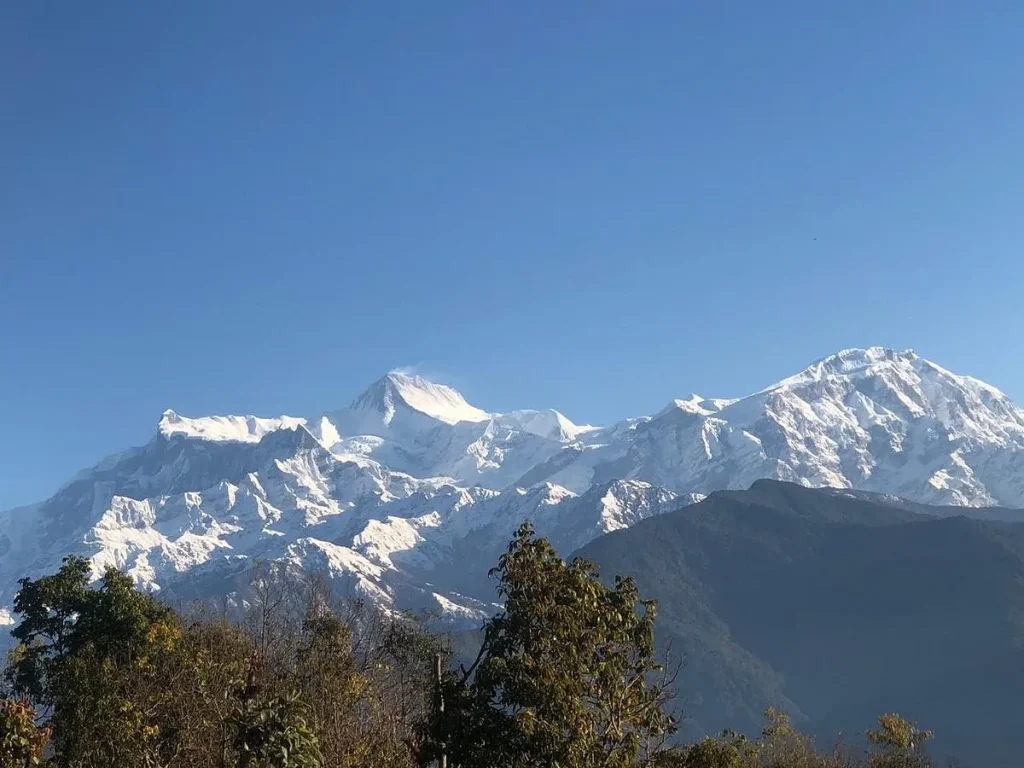
All corporate trekkers get to see the tallest mountain in the world, Mt Everest, and other remarkable mountains of the Mahalangur Mountain Range. One can simply lay into a 360-degree view of the mountains, including Everest, Lhotse, Nuptse, Ama Dablam, Thamserku, Cholatse, Cho Oyu, and others. As they take in the mountain views, trekkers will follow the iconic trekking route, passing notable Sherpa villages including Lukla, Phakding, Namche, Tengboche, Debouche, Dingboche, Lobuche, and Gorakshep. Doing so will allow trekkers to understand Nepal’s local culture and mountain lifestyle.

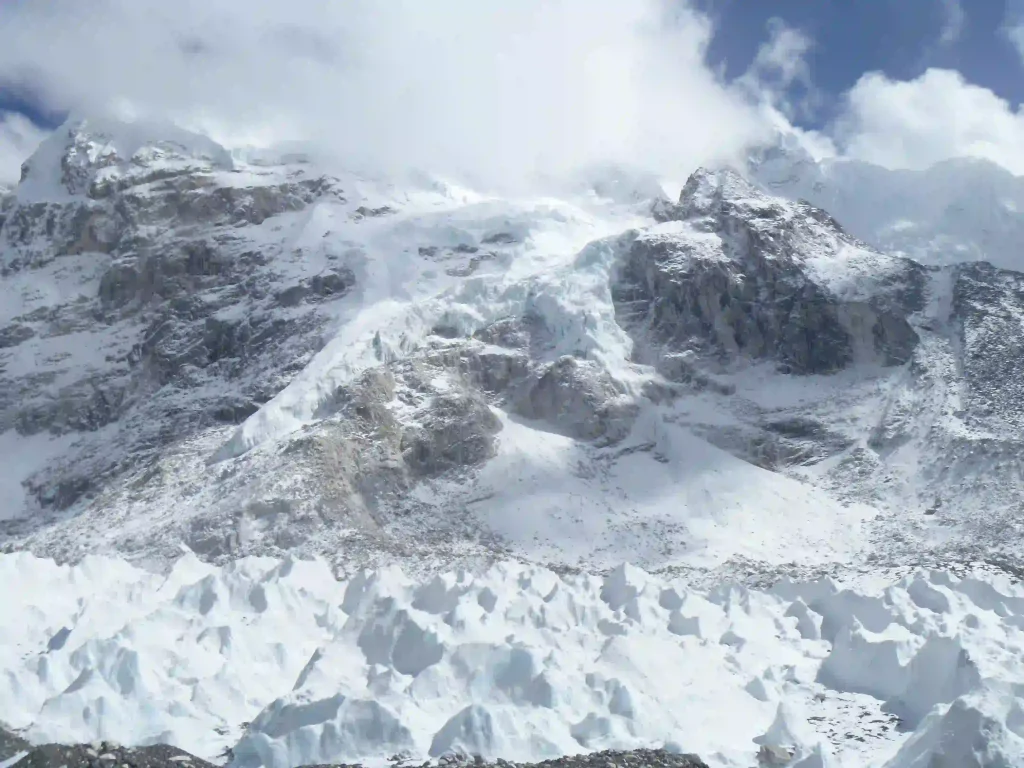
Standing at the base of Everest is a remarkable achievement. To go further, the Everest Base Camp corporate trek pushes the limits of the human body. Trekkers will also reach the highest altitude at Kalapatthar (5,545 meters). The viewpoint at Kalapatthar offers an enjoyable sunrise with the best views of Everest, the Khumbu Icefall, and the Khumbu Glacier. The glacier is the largest in the region. This is a sight one should definitely see.

Detail Itinerary

Day 01 :

Arrive at Tribhuvan International Airport in Kathmandu (1,324m) and transfer to your hotel

road

Drive Distance

5.8km

departure_board

Drive Duration

25-30 minutes

home_pin

Place

Kathmandu

Welcome to Nepal. A representative from Snow View Trek will receive you at the Tribhuvan International Airport in Kathmandu. The representative will then transfer you to a private vehicle for a drive to the hotel. After check-in and a short rest, we will brief you about the upcoming itinerary. O/N at Kathmandu hotel.

Day 02 :

Fly from Kathmandu (1,324m) to Lukla (2,860m), or drive to Manthali/Ramechhap (474m) , followed by flight to Lukla (2,860m). Begin the trek to Phakding (2,610m).

directions_walk

Trek Distance

8-9km

av_timer

Trek Duration

3-4 hours

road

Drive Distance

132km

departure_board

Drive Duration

5-6 hours

flight

Flight Hours

20 or 30 minutes

home_pin

Place

Phakding

From the domestic section of Tribhuvan International Airport in Kathmandu, you will take a thrilling 30 minutes flight to land at Tenzing Hillary Airport in Lukla. The Lukla flight, often considered the world’s most dangerous, provides access to the Everest region. The Lukla gateway offers an exciting start to the journey. Then you will meet the crew and begin the trek. Trek above the Dudh Koshi River trail and head further to Phakding. Potato and buckwheat fields dominate the trail today. We rest at Phakding. O/N at lodge.

During peak season, flights from Kathmandu to Lukla can be crowded. Alternatively, trekkers may drive 5-6 hours to Manthali Airport in Ramechhap, then take a 20-minute flight to Lukla. In such conditions, choosing the Lukla flight from Ramechhap may be preferable to departing from Kathmandu. After landing in Lukla, the trek to Phakding continues.

Day 03 :

Trek from Phakding (2,610m) to Namche Bazaar (3,440m)

directions_walk

Trek Distance

10-11km

av_timer

Trek Duration

5-6 hours

home_pin

Place

Namche

From Phakding, we trek uphill, crossing a few suspension bridges, to reach Monjo. Monjo marks the entry point for Sagarmatha National Park, where your permits are checked. Then, the trek moves straightforwardly to the Sherpa highland of Namche Bazaar. The horseshoe-shaped town of Namche is a vibrant tourist hub in the Everest region. The city has numerous lodges, internet cafes, bakeries, and restaurants that adapt to the traveler’s needs. Namche offers a comfortable stay and an exciting day of exploration. O/N at lodge.

Day 04 :

Acclimatization day at Namche Bazaar (3,440m). Optional hike to Hotel Everest View (3,880m), and Event in Namche (Projectors, Meeting Hall, Chairs, Basic equipment) round trip.

directions_walk

Trek Distance

4–5km (round trip)

av_timer

Trek Duration

4–5 hours

home_pin

Place

Namche

Your second day in Namche is for rest and acclimatization. You will need to acclimate to adapt your body to the low oxygen levels that persist at high altitude. Acclimatization is essential to prevent acute mountain sickness. So, after breakfast, go on the acclimatization hike mostly up to the Everest View Hotel (3,880m). Enjoy panoramic mountain views from the hotel, including Everest, Taboche, Thamserku, Kangtega, Ama Dablam, Nuptse, and Lhotse. After the walk to Everest View Hotel, return to Namche. Later, attend an event in Namche with projectors, a meeting hall, chairs, and basic equipment. Conclude the event and rest in Namche. O/N at lodge.

Day 05 :

Trek from Namche Bazaar (3,440m) to Deboche (3,820m)

directions_walk

Trek Distance

10–11km

av_timer

Trek Duration

5–6 hours

home_pin

Place

Deboche

We begin the trek with a hearty breakfast in Namche. Then we climb to the top of Namche and walk through the forest. The path passes over the traditional Sherpa villages of Kyangjuma and Sanasa, then descends through the forest to reach Phunki Thanga. After a short break, you will continue along the rhododendron forest towards Tengboche. Tengboche is home to the largest monastery in the Khumbu region, Tengboche Monastery. Here you can explore the famous Tengboche monastery and enjoy the best views of Ama Dablam, Everest, Lhotse, Thamserku, Kangtega, Kongde, Nuptse, Taboche, and Cholatse. Then, a short descent through a forest area brings you to Debouche. Explore the stunning village of Debouche and rest in a peaceful lodge. O/N at lodge.

Day 06 :

Trek from Deboche (3,820m) to Dingboche (4,410m)

directions_walk

Trek Distance

9–10km

av_timer

Trek Duration

5–6 hours

home_pin

Place

Dingboche

With a fulfilling breakfast, cross the small bridge and continue through Milingo to Pangboche, one of the oldest Sherpa villages. You can visit the beautiful Pangboche monastery and enjoy a grand view of Ama Dablam. Then, follow the trail to Imja Khola valley, crossing wooden bridges and stone walls, to arrive at Somare and Orsho. As the elevation increases, the scenery changes to barren lands with thinner vegetation. The landscape opens into a high valley with a view of Ama Dablam, the east face of Everest, Lhotse, Nuptse, Taboche, Cholatse, and Island Peak. As you arrive in Dingboche, settle in a relaxing lodge for an overnight stay.

Day 07 :

Acclimatization day in Dingboche with a hike to Nangkartshang Peak (5,083m)

directions_walk

Trek Distance

3–4km

av_timer

Trek Duration

3–4 hours (round trip)

home_pin

Place

Dingboche

Today is your second acclimatization day in the Corporate Everest Base Camp Trek. After breakfast, you will climb to Nangkartshang viewpoint (5,083m) lying above Dingboche. As you move to higher altitudes, the air feels thin, so a slow pace is key. From the upper or lower viewpoint, enjoy the closer view of Ama Dablam and Lhotse. You can enjoy views of other mountain peaks, including Everest, Nuptse, Taboche, Cholatse, Island Peak, Peak 38, and Makalu in the distance. The acclimatization hike to Nangkartshang also offers terrific views of the Imja Valley and the trail to Island Peak and Kongma La. As you adapt the body to low oxygen, conclude the acclimatization hike, and return to Dingboche for a relaxed afternoon.

Day 08 :

Trek from Dingboche (4,410m) to Lobuche (4,910m)

directions_walk

Trek Distance

7–8km

av_timer

Trek Duration

5–6 hours

home_pin

Place

Lobuche

With breakfast, leave Dingboche and trek to Lobuche. Begin the trek into the broad valley that leads to the Khumbu glacier. The trail offers splendid views of Ama Dablam, Lhotse, Nuptse, Lobuche, Cholatse, Island Peak, and Makalu. Eventually reach Thukla and climb steadily up to Thukla Pass. The top of Thukla Pass has a memorial site honoring climbers who lost their lives on the mountain. Paying tribute to the brave souls, spend some quiet moments in the memorial site. Then, continue the trek beside the moraine to the small settlement of Lobuche. The remote village of Lobuche provides an astonishing view of Pumori, Lingtren, Thamserku, and Lobuche Peak. As you arrive in Lobuche, spend the night in a simple but hospitable lodge. O/N at lodge.

Day 09 :

Trek from Lobuche (4,910m) to Gorakshep (5,164m), then to Everest Base Camp (5,364m) and back to Gorakshep (5,164m).

directions_walk

Trek Distance

11–12km

av_timer

Trek Duration

8–10 hours

home_pin

Place

Gorakshep

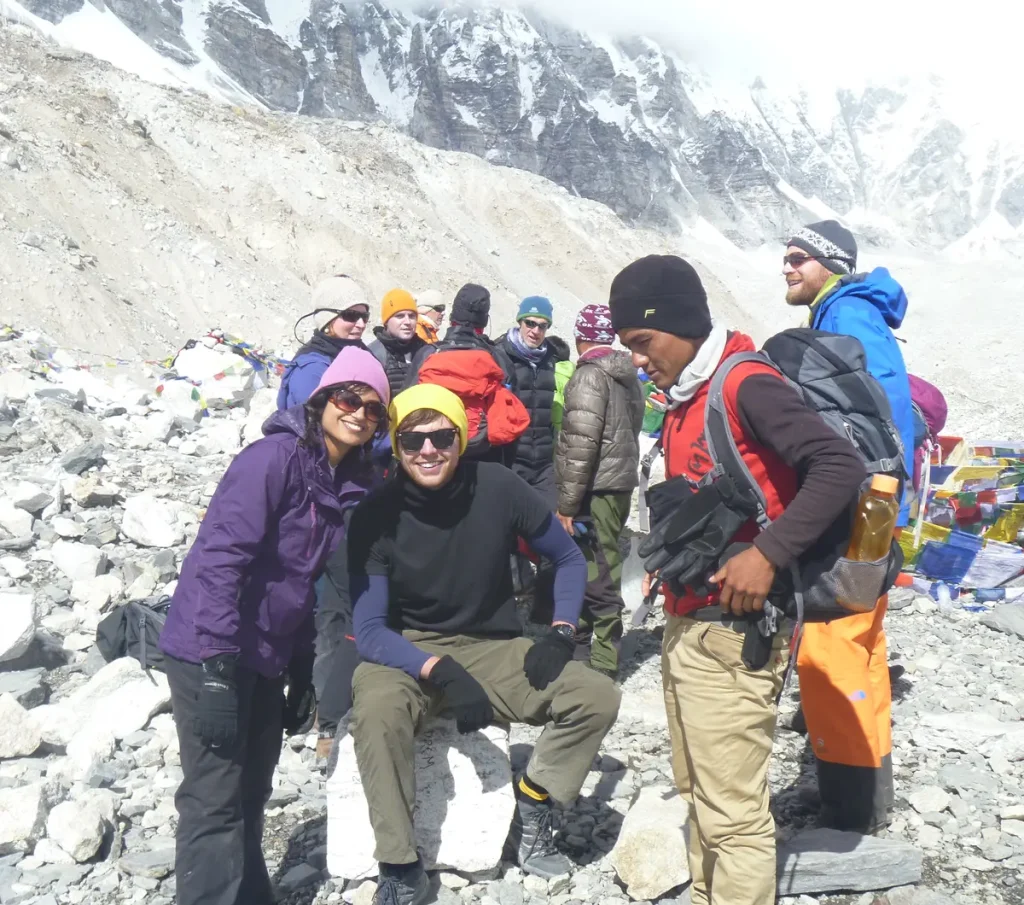
The day marks the climax of the Corporate Everest Base Camp Trek, where you will reach Everest Base Camp via Gorakshep. In the morning, leaving Lobuche after breakfast, you will follow a rocky trail beside the Khumbu Glacier. Then, you will pass the Italian Pyramid research center, which researchers used to measure mountain elevation, glaciers, snow fields, earthquakes, and more. Continuing, you will reach Gorakshep, the highest settlement on the Everest Base Camp trek. With an early lunch at Gorakshep, we set out towards Everest Base Camp. Follow the glacial moraine through thin air and changing views of surrounding peaks to stand tall at the foot of Mount Everest. At Everest Base Camp, get the view of Everest, and click photographs in the iconic rock. Seek out Khumbu icefall and expedition tents if you are travelling in the primary climbing season. Spend about half an hour at Everest while enjoying the sunlight on the snow. Then, return to Gorakshep for an overnight stay.

Day 10 :

Early morning hike to Kala Patthar (5,555m) for sunrise views, then descend to Gorakshep (5,164m), then trek to Pheriche (4,371m)

directions_walk

Trek Distance

11–12km

av_timer

Trek Duration

6-8 hours

home_pin

Place

Pheriche

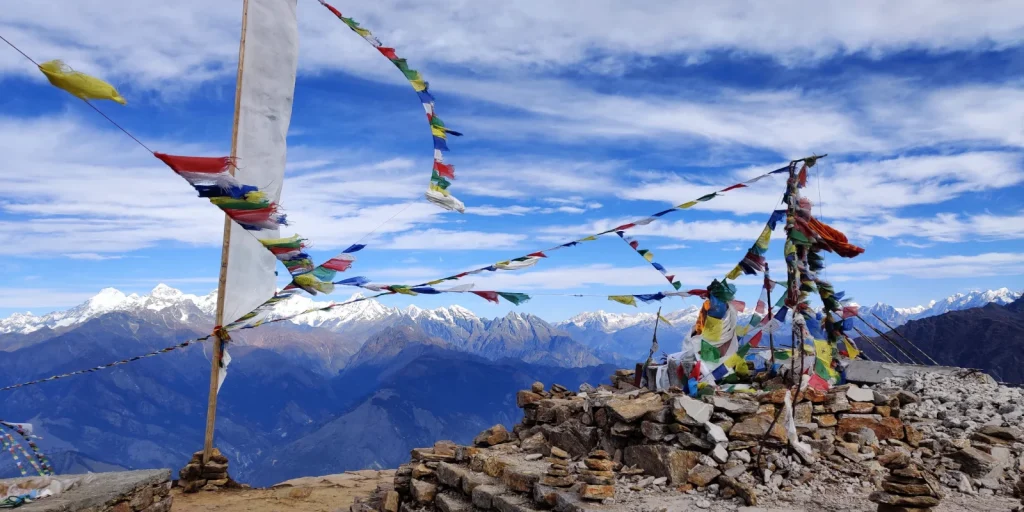
Before dawn, dress accordingly and head to Gorakshep. Carry a headlamp, water, snacks, and layered clothes for a more leisurely walk. Then, aim towards the summit of Kalapatthar. The climb to Kalapatthar is short and steep, with thin air, so progressing slowly is crucial. As you approach the vantage point, immerse yourself in the stunning sunrise view. Witness the golden rays striking the snow-capped mountains of Everest, Lhotse, Nuptse, Ama Dablam, Pumori, Lingtren, Khumbutse, Makalu, Lobuche, Thamserku, and others. Get the grand view of Everest, the Khumbu glacier, and the Khumbu icefall. You will be mesmerized by the player flags spreading in every direction.

Then, drop to Gorakshep for breakfast and start the descent to Pheriche. During the descent, enjoy the success of reaching Everest Base Camp and Kalapatthar. O/N at lodge.

Day 11 :

Trek from Pheriche (4,371m) to Namche (3,440m)

directions_walk

Trek Distance

13–14km

av_timer

Trek Duration

6–7 hours

home_pin

Place

Namche

It is an easy trekking day, so after breakfast, leave Pheriche behind and trek to Namche. Walk at your own pace following the well-marked trekking trail. Then, enjoy the descent and animal activities. Stroll through the rhododendron forest along the Imja Khola to gradually reach vibrant Namche Bazaar. O/N at lodge.

Day 12 :

Trek from Namche (3,440m) to Lukla (2,860m)

directions_walk

Trek Distance

18–19km

av_timer

Trek Duration

6-7 hours

home_pin

Place

Lukla

Begin the trek after breakfast, and head towards Lukla. Cross the suspension bridge and walk through the gentle trail. Enjoy the last trekking day and reminisce about the experience. Witness previous views of Everest and its surrounding mountains and landmarks. Upon arrival at Lukla, explore the settlement and celebrate the trek completion in the evening. O/N at lodge.

Day 13 :

Fly back to Kathmandu (or to Manthali/Ramechhap, then drive to Kathmandu).

road

Drive Distance

132km

departure_board

Drive Duration

5–6 hours

flight

Flight Hours

20 minutes or 30 minutes

home_pin

Place

Kathmandu

According to the flight schedule, get ready to leave Lukla. You will fly back to Kathmandu while soaring above the clouds and enjoying the final views of the Himalayan peaks at a distance. Upon arrival at the airport, our representative will transfer you to the hotel. Later, have some free time for last-minute shopping and refreshment. Enjoy dinner in the evening. O/N at lodge.

The Lukla flight can divert to Ramechhap, especially during the peak season. Even so, after landing at Ramechhap airport, get on a vehicle to drive towards Kathmandu.

Day 14 :

Event in Kathmandu (Projectors, Meeting Hall, Chairs) all.

After breakfast, join the event in Kathmandu with facilities including projectors, a meeting hall, chairs, and more. After the event, relax or stroll around the streets of Thamel. Enjoy the final day in Nepal and spend quality time. O/N at hotel.

Day 15 :

Transfer to Tribhuvan International Airport for your final departure.

Upon concluding the corporate Everest Base Camp trek, our company representative will drop you off at the airport according to the flight schedule. With final departure, we bid you goodbye. See you again.

Cost Includes

Since you are choosing the Snow View Trek, expect your Corporate Everest Base Camp Trek to be carefully organized and carried out. From your arrival in Kathmandu until your return to your desired destination, the services are meticulously planned and executed. For a hassle-free experience, the following amenities are included in the Everest Base Camp package.

Transportation During the Trip

  • Private vehicle from Kathmandu (hotel) to airports / Kathmandu-Manthali-Kathmandu (Both ways)
  • Airfare from Kathmandu/Manthali to Lukla (both ways)

Trek Permit and Expenses

  • Sagarmatha National Park entry permit fee and TIMS card
  • Khumbu Pasang Lhamu Rural Municipality fees
  • All government, local taxes, and official expenses

Accommodation

  • Hotel accommodation in Kathmandu on a twin/double sharing basis. Breakfast included.
  • During the trek, eleven nights in teahouses, including:
  • Eight nights in comfortable rooms at Phakding, Namche, three nights, Debouche, Dingboche (2 nights), and Lukla with a private attached bathroom.
  • Two nights in standard rooms at Lobuche, Gorakshep, and Pheriche on a twin/double sharing basis.

Meals and Hot Drinks

  • Breakfast in Kathmandu as per the program.
  • Full board meals during the trek, including all standard meals of breakfast, lunch, and dinner on each trekking day.
  • Tea and coffee are served three times daily during the trek.
  • Fresh seasonal fruit is served along the trail after dinner.
  • Farewell dinner at the end of the trek”

Professional Guide and Porter Team

  • Government-licensed, highly experienced English-speaking trekking guide for the Corporate Everest Base Camp Trek.
  • For groups with more than 12 trekkers, one assistant guide is allocated for extra care and safety.
  • Porter service with an allowance of 25 kilograms of luggage carried by one porter for two trekkers.
  • All staff costs, insurance, salary, equipment, flight, transport, food, and accommodation.

Medical Support and Safety

  • Assistance in arranging rescue operations in the event of complex medical conditions, funded by your travel insurance policy.
  • Medical kits, including an oximeter to monitor blood oxygen saturation levels in high altitudes.

Equipment and Extra

  • Unrestricted use of a Snow View Trek’s Team down jacket and sleeping bag during the trek (If needed).
  • One trekking duffel bag (70 L) per participant for use during the trek.
  • Complimentary one Everest Base Camp route map and T-shirt
  • An appreciation certificate upon successful completion of the trek.

Cost Excludes

To help you plan your budget for the Everest Base Camp trek, know that the following services and costs are not included in the Corporate Everest Base Camp Trek package.

International Flight

  • International flight costs to and from Nepal.

Accommodations in Kathmandu

  • Any upgrades in your accommodations during the stay in Kathmandu.
  • Extra night accommodation in Kathmandu due to early arrival, late departure, or early return from the trek that is not part of the standard itinerary.

Meals in Kathmandu

  • All meals in Kathmandu (Breakfast, Lunch, and Dinner) before and after the journey are not included unless specifically noted in the final confirmation.

Nepal Visa

  • Nepal Entry Visa Fees for multiple entries on arrival at Tribhuvan International Airport: Cost of visa for 15 days – $30, 30 days- $50, and 90 days- $125

Personal Trekking Gear

  • Personal trekking gear, clothing, and equipment, including jackets, trekking poles, gloves, and hiking boots.

Travel Insurance

  • Travel Insurance is mandatory but not included in the package price.
  • Purchase travel insurance that covers emergency high-altitude rescue, medical treatment, trip cancellations, interruption, and repatriation.

Personal Expenses on the Trek

  • Personal shopping and souvenirs.
  • Snacks and extra drinks, such as boiled water, tea, coffee, cold drinks, and alcoholic drinks.
  • Hot showers in lodges require a separate fee.
  • Usage of Wi-Fi, international calls, and fees for battery or device recharging.
  • Any extra porter hired for personal reasons beyond the standard allocation.

Filming and Drone Fees

  • Fees for special equipment, including cameras, drones, and filming permits, as required by local authorities.

Extra Activities & Customized Services:

  • Additional services, activities, or excursions not explicitly mentioned in the itinerary, such as private tours or customized arrangements.

Tips for the guide and porter

  • Tips for guides and porters are recommended, and they are considered a respected part of trekking culture in Nepal.
  • The amount of giving away is always up to your personal decision.

Private Trip

Prefer a more personal journey? Our private packages offer flexible dates, custom itineraries, and dedicated support—perfect for those seeking a tailored travel experience.

Good to Know

The itinerary can be changed or customized according to your duration of holidays & as per your requirements. The trip price will be according to Deluxe, Standard, Budget and group size so please kindly provide us your details for tailor made program. If this above itinerary is not suffice or have any questions, you can ask one of our expert team  for help.

Corporate Everest Base Camp Trek (EBC) Distance, Duration, and Altitude Summary

Day Route Walking Distance (km/miles) Duration Altitude Gain/Loss
1 Arrival in Kathmandu 5.8km 25-30 minute drive
2 Kathmandu – Lukla – Phakding 8-9km
/5-5.6miles
30-minute flight from Kathmandu

Or 5-6 hours of driving and a 20-minute flight from Ramechhap

3-4 hours trekking to Phakding

Gain: 1,286m
3 Namche – Phakding 10-11km/6.2-6.5miles
5-6 hours Gain: 830m
4 Acclimatization day in Namche, hike to Everest View Hotel 4-5km/2.4-3.1miles 4-5 hours Gain: 440m, Loss: 440m
5 Namche – Deboche 10-11km/6.2-6.5miles 5-6 hours Gain: 380m
6 Deboche – Dingboche 9-10km/5.5-6.2 miles 5-6 hours Gain: 590m
7 Acclimatization day in Dingboche, hike to Nangkartshang Peak 3-4km/1.8-2.4miles 3-4 hours Gain: 673m, Loss: 673m
8 Dingboche – Lobuche 7-8km/4.3-4.9miles 5-6 hours Gain: 500m
9 Lobuche – Gorakshep – Everest Base Camp and back to Gorakshep 11-12km/6.8-7.4miles 8-10 hours Gain: 454m, Loss: 200m
10 Gorakshep – Kalapatthar and back to Pheriche 11-12km/6.8-7.4miles 6-8 hours Gain: 391m, Loss: 793m
11 Pheriche – Namche 13-14km/8.0 – 8.6miles 6-7 hours Loss: 931m
12 Namche –Lukla 18-19km/11.2-11.8miles 6-7 hours
Loss: 580m

How does the Corporate Everest Base Camp Trek Start and End?

Joining the Snow View Trek, the corporate Everest Base Camp Trek starts with arrival at Tribhuvan International Airport in Nepal. Then, with a hotel transfer, trek briefing, and overnight stay in Kathmandu, trekkers fly to Lukla either on a direct flight from Kathmandu or by driving from Ramechhap and then flying. The Ramechhap flight is only operated during peak season. Then, as trekkers reach Lukla, the gateway to Everest, the trek to Everest Base Camp begins.

On the day of arrival at Lukla Airport, trekkers will meet their trekking crew, including a guide and a porter. Then, trekkers will begin the trek to Phakding, the first official overnight stop in the Khumbu region. On the following day, trekkers will make their way to the vibrant town of Namche, known for its horseshoe shape, trekking gear shops, restaurants, museums, and hotels. After some evening exploration, trekkers will spend the night in Namche.

But trekkers will stay an additional night in Namche, where they will commence an acclimatization hike during the day, ascending to the Everest View Hotel at 3,880m. Gradually increasing altitude helps the body adapt to low oxygen levels, aiding adjustment for the coming trekking days. Reaching the Everest View Hotel offers spectacular views of Everest, Ama Dablam, Nuptse, Lhotse, Kangtega, Thamserku, and other notable peaks. Later in the evening, join a cooperative meeting. Our team will assist with managing projectors, the meeting hall, chairs, and other essential equipment.

With the acclimatization hike and two nights in Namche, the Corporate EBC trek continues to Debouche. Along the way, you visit Khumbu’s oldest monastery, Tengboche Monastery, a revered landmark renowned for hosting the Mani Rimdu festival, Everest’s most significant celebration. After exploring the monastery and enjoying quality time, trekkers arrive in Debouche.

From Debouche, the trek continues to Dingboche, which offers the best view of Ama Dablam yet. Trekkers will have their second acclimatization hike in Dingboche, spending an additional day there. During the acclimatization hike, hikers will ascend to Nangkartshang Peak, which lies above Dingboche. The acclimatization hike offers views of the Imja Valley and the trail to Island Peak and Kongma La Pass. Once the body has had time to adapt, the acclimatization hike concludes.

The next day, trekkers head to Lobuche, following a snow-cloaked trail amid thin air. The trek’s remoteness starts to weigh on you, but the vistas of Ama Dablam, Lhotse, Nuptse, Lobuche, Cholatse, and Island Peak inspire you onward.

Finally, after an overnight stay in Lobuche, you triumphantly reach the ultimate highlight of the trek: Everest Base Camp. But before reaching Everest Base Camp, you must pass Gorakshep, the last settlement before the base camp. After a brief, excited halt at Gorakshep, you press on towards Everest Base Camp. As you arrive, your dream meets reality gloriously. Waves of accomplishment rush through you as you stand in awe of Everest, Lhotse, Nuptse, and other panoramic mountains. Congratulations on your remarkable achievement—your dedication and perseverance have truly paid off.

After quality time at Everest Base Camp, begin descending to Gorakshep for an overnight stay. The next morning, head to Kalapatthar for a stunning sunrise. Kalapatthar, at 5,545 meters, is a viewpoint renowned for its close, panoramic view of Everest. As dawn breaks, watch sunlight illuminate the snow-capped peaks, creating a breathtaking natural spectacle. Additional highlights from Kalapatthar include views of the Khumbu Icefall and Khumbu Glacier.

With an early sunrise view from Kalapatthar, descend to Gorakshep for breakfast and then trek down to Pheriche for an overnight stay. From Pheriche, continue the return journey to Namche and the next day to Lukla. Then board a flight back to Kathmandu from Lukla. With an additional event day in Kathmandu, with the celebration of the successful completion of the Corporate Everest Base Camp Trek, fly back from Nepal to your preferred destination.

Why do Travelers Choose Snow View Trek for the Corporate Everest Base Camp?

  • Snow View Trek offers a customized, tailor-made itinerary that meets corporate needs.
  • The company is run by local experts, which allows trekkers to gain invaluable local knowledge during the trek.
  • Provides guaranteed departure dates with flexible scheduling.
  • An all-inclusive package covers permits, domestic flights, accommodation, meals, and staff, allowing corporate teams to focus on their objectives without administrative concerns from start to finish.
  • Strong track record with positive TripAdvisor reviews, which helps us build trust before investing in EBC.
  • Well-equipped to handle larger groups, especially on treks like Corporate Everest Base Camp.

Best time to Trek Corporate Everest Base Camp

The best time for a Corporate Everest Base Camp Trek depends on the group’s priority. The ideal time is when the group has enough days to complete the trek comfortably. Or, it may be the period that best fits the company’s travel schedule. But know that the best time for EBC depends heavily on the travel season.

Spring (March to May)

March to May is the spring season in Nepal, with flawless weather, featuring moderate temperatures and a vibrant atmosphere. If you are considering trekking during the spring season, then let it be known that it is one of the best seasons to do so. Without the complications of rainfall, cloudy weather, and extreme cold, the spring season provides just the right atmosphere for comfortable walking. The forest area of Everest comes alive with blooming rhododendron, so the landscape is painted with red, white, yellow, and pink wildflowers, a true sight to see.

On the other hand, the opulent greenery at the bottom, the snowcapped mountains in the middle, and the clear blue sky at the top provide a mesmerizing contrast truly worthy of a spectacular photograph. For trekking, the trails are dry and visible with an average temperature ranging from -12 to 15°C (10.4-59°F). With proper packing and acclimatization, it is easier to reach Everest Base Camp at this time of year.

Autumn (September to October)

September to October are the months of fall, which is another of the best seasons for the Everest Base Camp. Autumn brings a sense of charm to the Everest region, making it the best season to travel. As autumn begins with the onset of monsoons, there is little to no chance of rainfall and snow. Depending on the time of day, the average temperature ranges from -15 to 15°C (5-59°F), allowing for a comfortable walk. The trails become transparent, which eases navigation and provides safer trekking conditions. The skies are also clear with better visibility of snow-capped mountains. As the hills blend into the profuse vegetation, trekkers only find the motivation to move forward.

Besides, autumn is a remarkable time to be in Nepal. Two of the grandest festivals, including Dashain and Tihar, fall in these months. The whole nation, including the Everest region, will be decorated with lights and lamps. With celebration and warm hospitality in the air, trekkers can experience a blend of Himalayan culture and festive joy amid adventure. Locals will surely invite you to join the festivals, so you can easily participate in prayers, traditional music, and family gatherings.

Monsoon (June to August)

June to August marks heavy rainfall in Nepal. During these months, there are only limited trekking activities. So, the monsoon period is considered the off-season period for travel in Nepal. In areas with heavy rainfall, hilly and mountain regions are prone to landslides, avalanches, and floods. These disasters are life-threatening, and outdoor activities, especially trekking in remote areas, are risky.

Winter (December to February)

December to February is when Nepal experiences winter. The mountain region, especially, has extreme cold, with layers of snow and ice covering most of the land. Due to harsh climatic conditions, trekking is limited, making this another off-season.

How Challenging is the Corporate Everest Base Camp Trek?

The Everest Base Camp trek is a moderate type of trek that requires proper planning, acclimatization, and coordination. Most of the trekkers complete the trek easily; however, it can be difficult for those without prior experience. But unlike an expedition, trekkers do not require any technical climbing to complete the Everest Base Camp trek. The main challenges of the EBC trek include its high altitude, long walking hours, and weather conditions.

  • Altitude: Trekkers reach the highest altitude of 5,364m at Everest Base Camp and 5,555m at Kalapatthar. Any trekking activity above 3,500m can pose the threat of altitude sickness. However, corporate members must acclimate properly to prevent the chances of altitude sickness.
  • Walking Hours: Each day of trekking requires around 5-7 hours of walking. Those who are not adequately fit or are not used to regular walks can find it difficult. But walking as a team at a natural pace, with prior training, can help overcome this challenge.
  • Weather conditions: Weather in the mountain region is unpredictable. Above Dingboche, the temperature reaches below freezing. Walking in such a cold climate may require some adaptability. So, proper clothing with layers is necessary for comfort.

Can a Beginner Trek to Everest Base Camp?

Yes, a beginner can definitely trek to Everest Base Camp. But trekkers require a good level of physical fitness to counter the rough terrain. The trek doesn’t require technical climbing skills, but hikers should keep a few things in mind. Altitude, fitness requirements, cold weather, long walking days, and simple accommodation can make the trek difficult for beginners. Still, with the proper preparation, fitness, acclimatization, and professional support, the trek is manageable.

Food Options During the Corporate Everest Base Camp Trek

Various delicacies are available during the 15-day Corporate Everest Base Camp Trek. Standard teahouses and lodges offer a wide range of cuisine while catering to individual needs. Although most of the food is nutritious and straightforward, the menu is diverse to accommodate all preferences.

  • Breakfast: Oat porridge, fried rice, plain toast, bread, eggs, pasta, pancake, chapati, cereals, Tibetan bread, milk porridge, peanut butter, French fries, mixed vegetables, and others.
  • Lunch: Dal Bhat, Yak Steak, soups, sandwiches, rice and curry, spring rolls, pizza, burger, Mo: Mo, sherpa stew, pasta, Tibetan bread, spaghetti, noodles, and others.
  • Dinner: Dal Bhat, Thukpa, Sherpa stew, soups, noodles, eggs, pizza, ramen, spring rolls, Chowmein, burgers, French fries, potatoes, chapatti, and others.
  • Drinks: Variety of tea, juice, americano, cappuccino, hot chocolate, soft drinks, and others.
  • Extra: Alcoholic beverages are also available throughout the trek, but not recommended during the trek as they cause dehydration, increasing the chances of altitude sickness.

Toilet and Bathroom Facilities During the 15 Days Corporate Everest Base Camp Trek

Lower Region (Lukla to Dingboche):

  • Western-style flush toilets with attached bathroom facilities.
  • Proper running water with improved hygiene standards.
  • Hot showers are available at an additional cost.
  • Hand-washing stations are provided.

High Altitude Region (Lobuche to Gorakshep):

  • Usually, western style, but occasionally, squat style.
  • Bathrooms may be shared, dependent on the accommodation option.
  • Hot showers are limited.
  • Hand washing stations are available.

Internet and Wi-Fi Availability Along the Everest Base Camp Trail

Internet access is available throughout the Everest Base Camp route. Quality, speed, and reliability depend on altitude and location. Most teahouses and lodges offer paid Wi-Fi. The cost increases as you ascend. Internet access is limited in forested areas, mountain passes, and during bad weather.

Mobile data works fine in the lower regions. However, it is not entirely reliable above 4,000m. Do not seek good mobile data coverage above Lobuche.

  • Lukla: Good connectivity, usable for messages, light browsing, and even video calls.
  • Phakding: Fair connectivity; suitable for email, messaging, and light browsing.
  • Namche: Excellent connectivity; suitable for messaging, light browsing, and video calls.
  • Tengboche: Limited connectivity; suitable for simple browsing. Not dependable.
  • Dingboche: Decent connectivity; suitable for light internet usage, maybe messaging.
  • Gorakshep: No reliable Wi-Fi or mobile signal.

Travel Insurance for the Everest Base Camp Corporate Trek

Before traveling to Nepal, all trekkers should purchase travel insurance to safeguard against any unforeseen circumstances. Snow View Trek requires you to buy travel insurance for your high-altitude Everest Base Camp corporate trek. The insurance should be purchased from an authorized company. The travel insurance policy should cover high-altitude helicopter rescue, medical treatment, loss of baggage, personal injury, trip cancellation, trip interruption, and repatriation.

Some of the recommended Insurance companies for high-altitude trekking are:

  • World Nomads
  • Global Rescue
  • InsureandGo

Since you are in Nepal, it is better to look into international insurers that can cover high altitude trekking up to 6,000m. Alternatively, be sure to check for a helicopter rescue. You can consult with Snow View Trek, your local agency, to get an idea of the insurance policy and its full required coverage.

Permits and Documents Required for Everest Base Camp Corporate Trek

The Government of Nepal mandates two permits for trekking in the Everest Region: the Khumbu Pasang Lhamu Rural Municipality Entrance Permit and the Sagarmatha National Park Entry Permit.

Khumbu Pasang Lhamu Rural Municipality Entrance Permit

The permit was introduced in 2018 to support the local government and community of the Khumbu region. Trekkers can obtain the license in Lukla or Monjo. The permit is issued primarily to support the sustainable development of the Sherpa community. The Kumbu Pasang Lhamu Rural Municipality Entrance Permit cost is NRs 2000 per person.

Sagarmatha National Park Entry Permit

A permit is required to enter Sagarmatha National Park, a UNESCO World Heritage Site. Trekkers can obtain the license from the Nepal Tourism Board Office in Kathmandu or from the entry checkpoint at Monjo. The permit is issued to fund conservation efforts for the National Park’s wildlife. The cost of the Sagarmatha National Park Entry Permit for foreigners is NRs 3000 per person.

For convenience, Snow View Trek’s representative can acquire the permit on your behalf.

Documents required to apply for a permit application

  • A valid Passport with photocopies, along with your permit application.
  • 2-4 copies of a recently clicked passport-size photo.

An Extra Day For Your Event in Namche Bazaar

Organizing a workshop, conference, or business event in Namche Bazaar during the EBC Corporate Trek is a special chance to combine professional growth with the breathtaking Himalayan scenery. Namche Bazaar, the Everest entry point, offers a beautiful backdrop for team-building and leadership exercises because of its modern facilities.

Organizing a business event at Namche Bazaar offers participants the opportunity to fully experience the rich Sherpa culture and its professional advantages. Following the day’s training and meetings, team members can go shopping in the neighborhood, check out the Sherpa Culture Museum, or go on short treks to see broad views of Everest and other towering peaks.

The business event’s overall effectiveness is increased as a result of this cultural immersion, which promotes a sense of unity and shared experience. Namche Bazaar is a fantastic location for any business event since it combines team building, professional growth, and cultural discovery. Participants leave feeling inspired and refreshed.

Detailed Information About Flying into Lukla

Direct flight from Kathmandu

Trekkers can catch a domestic flight from Kathmandu’s Tribhuvan International Airport to Lukla. The flight will take about 30 minutes, taking you from Kathmandu to the Tenzing-Hillary Airport in Lukla. The Lukla flight commences on a small aircraft, mainly a De Havilland Canada DHC-6 Twin Otter or a Dornier 228. Snow View Trek arranges the Lukla flight ticket; however, delays may occur due to crowds or unfavorable weather.

Flying from Ramechhap/Manthali

If the Lukla flight from Kathmandu is delayed or cancelled due to overcrowding, you can opt for Ramechhap or Manthali. Our team will organize a private vehicle for a drive to Manthali, Ramechhap, which takes about four hours. Then, you will board the plane to Lukla. The baggage limit for the Lukla flight is 15 kg per person, split into a 10 kg duffel bag and 5 kg hand carry.

How to Prevent Altitude Sickness During the Corporate Everest Base Camp Trek?

Altitude sickness occurs when the body fails to adapt to the low oxygen level existing at high altitudes. Here are a few measures to prevent altitude sickness:

  • Acclimatization: The key to preventing altitude sickness. Trekkers should include an acclimatization day in the itinerary and follow the acclimatization schedule. Rest days in Namche and Dingboche include hiking at higher altitudes to help the body adapt to low oxygen levels. Remember to gain only 500-600m per day above 300m to reduce the chances of altitude sickness.
  • Hydration: Trekkers on long walks should hydrate. Every trekker should drink 3-4 liters of water daily to stay hydrated. Avoid consuming alcohol and smoking, as both cause dehydration.
  • Slow and Steady Pace: Every trekker should maintain a natural pace as they gain altitude. At high altitudes, be sure to walk slowly and steadily. Be sure to take rest in between the walks and avoid rushing or competing with other trekkers.
  • Proper Diet: High altitude can cause loss of appetite; however, hikers should push through and consume a nutritious, balanced diet. Focus on high-energy foods such as rice, pasta, potatoes, soups, and vegetables. Avoid meat or other oily meals.
  • Layering: If the body feels cold, the risk of acute mountain sickness increases. Cold conditions can put stress on the body and weaken acclimatization. So, use a layering system to keep the body warm. Focus on wearing three layers: base, middle, and outer. Cover your hands, feet, head, and chest.
  • Know Symptoms of Altitude Sickness: Headache, vomiting, nausea, difficulty breathing, loss of appetite, dizziness, and difficulty sleeping are some of the early symptoms of altitude sickness. Identify symptoms promptly and take measures to prevent Acute Mountain Sickness (AMS).
  • Immediate Descent: If the symptoms of altitude sickness occur, persist, or worsen, consult with the guide or medical personnel and proceed to descent immediately. Do not climb higher; rest and hydrate.
  • Supplementary Oxygen: Carry an oxygen cylinder, can, or pressure bag to prevent altitude sickness.

Tipping Suggestions for the Everest Base Camp Corporate Trek

Trekking culture in Nepal relies on tipping. Trekkers show gratitude to hard-working guides and porters through tips. Typically, trekkers tip 10-15% of the total trek cost, but they can increase the amount to show extra appreciation.

FAQS

Our Latest Blog

Attractions, Tips & Activities. Explore Now!

View All Blog

Plan Your Perfect Adventure

Tell us where you want to go and we’ll take care of the rest.
Get a custom travel plan tailored to your interests and schedule.

Start Planning