search
search

Dhaulagiri Circuit Trek

globe_location_pin

Country

Nepal

calendar_clock

Duration

17 Days

avg_pace

Difficulty

Moderate
landscape_2

Max. Altitude

5200m

footprint

Activity

Trekking

location_on

Region

Annapurna Region

Dhaulagiri Circuit Trek Highlights

  • Experience a scenic flight to Pokhara with stunning aerial views.

  • Stay in luxury accommodations at comfortable lodges and tea houses.

  • Trek with experienced guides and personalized service.

  • Encounter the diverse flora and fauna and varied landscapes of the Annapurna region.

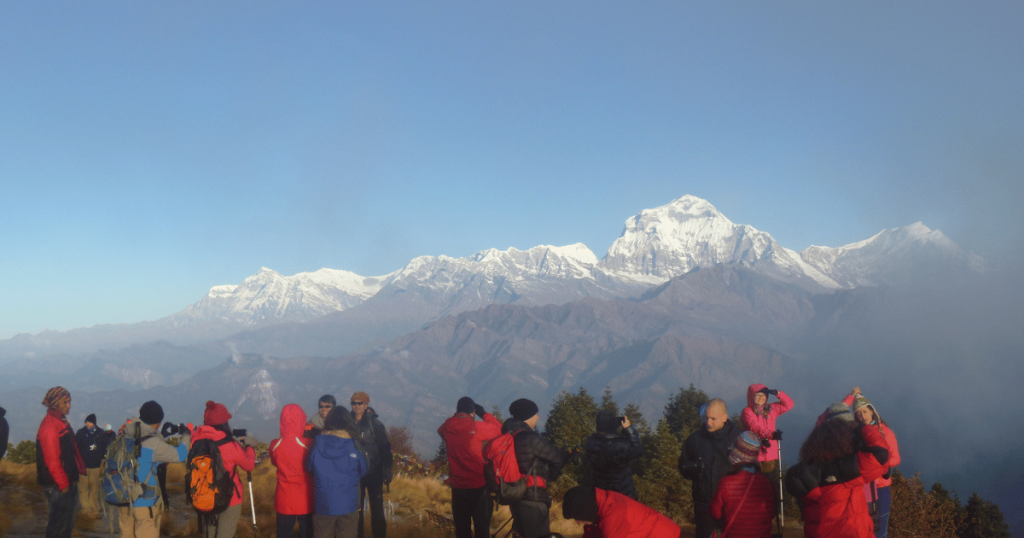
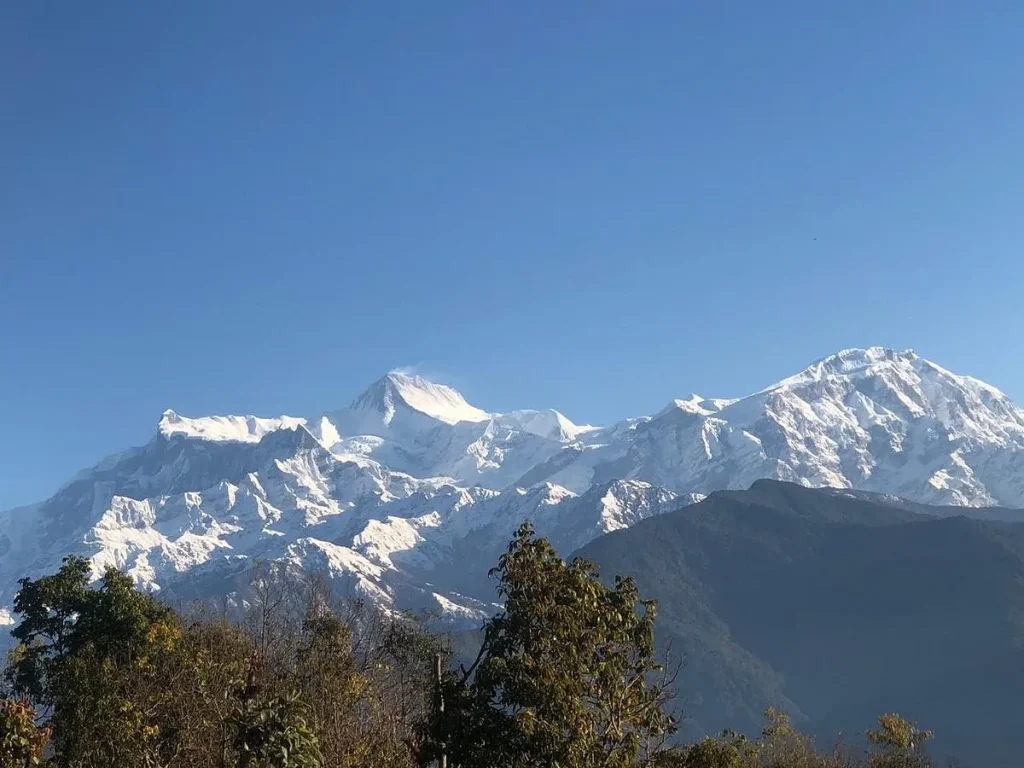
  • Get close-up views of several Himalayan peaks, including Annapurna, Machapuchare, and other peaks.

  • Gain cultural insights from interactions with local Gurung and Magar communities.

  • Enjoy delicious meals with options for both local and international cuisine.

  • Trek through safe and well-planned itinerary with ample acclimatization.

  • Get stunning opportunities for photography and capture

Overview

Dhaulagiri Circuit Trek is one of the most fascinating and thrilling treks in Nepal. The journey takes you to explore the world’s 7th tallest mountain, Mount Dhaulagiri, which is located at an altitude of 8,167 meters (26,795 feet). The trek takes you to remote regions of Nepal with breathtaking views and a chance to explore the cultures of the region.

Compared to other treks in Nepal, trekking to Dhaulagiri Circuit is challenging due to the high passes along the route. Trekkers who complete the challenging and rewarding adventure will experience some of Nepal’s most secluded and beautiful scenery. This difficult path is ideal for anyone looking for seclusion and a genuine wilderness experience because it is less traveled than other well-known trekking routes in Nepal.

The Dhaulagiri Circuit trekking route also offers travelers a fascinating cultural experience because it travels through villages home to the Gurung and Magar ethnic groups, giving them a chance to witness their distinctive customs and way of life. Located down between the passes, the peaceful Hidden Valley provides a peaceful break from the rough landscape.

The trip descends to join the well-traveled Annapurna Circuit path, which takes hikers to the quaint town of Marpha, which is well-known for its apple orchards and authentic Thakali culture. The Trek to Dhaulagiri Circuit combines high altitude, difficult weather, and inaccessible terrain, therefore, completing it takes a strong sense of adventure and physical fitness.

The Dhaulagiri Circuit trekking journey offers trekkers unmatched natural beauty, cultural diversity, and the thrill of completing one of Nepal’s most difficult hiking routes, but the benefits are also tremendous.

Detail Itinerary

Day 1 :

Drive from Kathmandu to Beni, 10 hours (A, B, L, D)

departure_board

Drive Duration

10 hrs

altitude

Highest Altitude

830m

home_pin

Place

Beni

Our route of the Dhaulagiri Circuit trek starts with a 10 hours drive from Kathmandu to Beni. Early in the morning, we will pick you up from your hotel and drive towards Beni. The road offers views of rural Nepali life as it passes past green valleys, terraced crops, and charming towns. The views of the surrounding hills and scattered mountain peaks are breathtaking as the route follows the Trishuli and Marsyangdi rivers. After hours of driving, we will finally reach Beni for our overnight stay.

Day 2 :

Trek from Beni to Babiachaur, 4 to 5 hours (A, B, L, D)

av_timer

Trek Duration

4-5 hrs

altitude

Highest Altitude

950m

home_pin

Place

Babiachaur

After breakfast, we will start our trek towards Babiachaur from Beni. Along the Myagdi Khola River, the route meanders past lush woods, terraced farmland, and small settlements. We will see beautiful vistas of the verdant surroundings and the everyday life of the nearby villages. This day is easy and fun because the trail is clearly marked and rises gently. The view gets more and more gorgeous as we get closer to Babiachaur, providing a serene environment to relax and prepare for the journey ahead.

Day 3 :

Trek from Babiachaur to Dharapani, 7 to 8 hours (A, B, L, D)

av_timer

Trek Duration

7-8 hrs

altitude

Highest Altitude

1560m

home_pin

Place

Dharapani

Today we will head towards Dharapani after having a fulfilling breakfast in our teahouse at Babiachaur. The hike offers expansive views of the surrounding hills and valleys as it progressively climbs past terraced farmlands and woodlands. We will go to several traditional Gurung and Magar villages, where we will get to engage with hospitable locals and witness daily life. During the day, the terrain becomes rougher and more rocky, with rare steep areas and tiny stream crossings.

Day 4 :

Trek from Dharapani to Muri, 6 to 7 hours (A, B, L, D)

av_timer

Trek Duration

6-7 hrs

altitude

Highest Altitude

1850m

home_pin

Place

Muri

After breakfast, we will start our trek towards Muri. The route begins by following the Myagdi River, which meanders through verdant woodlands and terraced fields dotted with springtime rhododendron blooms. We will pass through several traditional Gurung and Magar villages on their ascent, each providing insight into the culture and hospitality of the area. As the trail gets closer to Muri, it becomes progressively steeper and offers expansive vistas of the Dhaulagiri and Annapurna mountains.

Day 5 :

Trek from Muri to Boghara, 5 hours (A, B, L, D)

av_timer

Trek Duration

5 hrs

altitude

Highest Altitude

2080m

home_pin

Place

Boghara

Today we will move from Muri to Boghara after a fulfilling breakfast. Initially, the route descends through terraced fields and thick forests, providing vistas of traditional Magar settlements. The trail continues to drop, taking us through rocky and steep areas, over streams, and with occasional views of the surrounding peaks. After a few hours of trekking, we will finally reach Boghara for our overnight stay.

Day 6 :

Trek from Boghara to Dobang, 5 to 6 hours (A, B, L, D)

av_timer

Trek Duration

5-6 hrs

altitude

Highest Altitude

2520m

home_pin

Place

Dobang

Today, we will trek from Boghara to Dobang after breakfast. The path begins with an ascent through thick forests and passes many ridges, with occasional glimpses of stunning valleys and tumbling waterfalls. The trail then drops sharply to the banks of the Myagdi Khola, where it crosses a suspension bridge and ascends through woods of rhododendrons and bamboo.

Day 7 :

Trek from Dobang to Chroiban Khola, 5 hours (A, B, L, D)

av_timer

Trek Duration

5 hrs

altitude

Highest Altitude

3110m

home_pin

Place

Chroiban Khola

After breakfast, we will start our trek from Dobang to Chroiban Khola. Along the Myagdi Khola, the route progressively ascends while going through thick pine and juniper trees. As the trail rises higher into the alpine zone, we will pass through rocky portions and cross multiple streams. After hours of trekking, we will finally arrive at Chroiban for our overnight stay.

Day 8 :

Trek from Choriban Khola to Italian Base Camp, 5 hours (A, B, L, D)

av_timer

Trek Duration

5 hrs

altitude

Highest Altitude

3660m

home_pin

Place

Italian Base Camp

Today we will trek from Choriban Khola all the way to the Italian Base Camp after breakfast. The trek offers breathtaking views of the Dhaulagiri massif and nearby peaks as it progressively rises via rocky slopes and moraines. As we make our way up towards Italian Base Camp, we will traverse steep slopes, glacial streams, and harsh terrain.

Day 9 :

Acclimatization and side exploration day at Italian Base Camp (A, B, L, D)

altitude

Highest Altitude

3660m

home_pin

Place

Italian Base Camp

Since we have climbed far higher than 2,500 meters, when altitude sickness is a possibility, this day will be used for acclimatization and exploration. Since exercise is advised for a more efficient acclimatization process, we can go on a few quick walks around the base camp and take in the breathtaking views of the Himalayas from below.

Day 10 :

Trek from Italian Base Camp to Glacier Camp, 6 to 7 hours (A, B, L, D)

av_timer

Trek Duration

6-7 hrs

altitude

Highest Altitude

4210m

home_pin

Place

Glacier Camp

Today we will go to Glacier Camp after having a fulfilling breakfast at the Italian Base Camp. The track climbs sharply, passing over rocky slopes and mountains and offering stunning vistas of massive glaciers and high peaks. Before arriving at Glacier Camp, we will travel across a mountainous and untamed terrain, breaking through frozen streams.

Day 11 :

Trek from Glacier Camp to Dhaulagiri Base Camp, 7 hours (A, B, L, D)

av_timer

Trek Duration

7 hrs

altitude

Highest Altitude

4740m

home_pin

Place

Dhaulagiri Base Camp

Today we will finally reach Dhaulagiri Base Camp from the Glacier Camp. The route steadily ascends farther, passing through glacial streams and moraines and providing sweeping vistas of the surrounding snow-capped summits. As we go closer to Dhaulagiri Base Camp, the terrain gets more untamed and rocky, and we will travel through rocky and ice areas.

Day 12 :

Acclimatization day at Dhaulagiri Base Camp (A, B, L, D)

altitude

Highest Altitude

4740m

home_pin

Place

Dhaulagiri Base Camp

The second day of acclimatization is today. We will utilize today to make up for lost energy and fully acclimate to the high-altitude environment, because you have been pushing the trekking adventure for longer hours over the past two days despite the growing altitude. Only then will we go on to the next sections of the journey.

Day 13 :

Trek from Dhaulagiri Base Camp to Hidden Valley via French Pass, 5 to 6 hours (A, B, L, D)

av_timer

Trek Duration

5-6 hrs

altitude

Highest Altitude

5140m

home_pin

Place

Hidden Valley

Today we will trek from Dhaulagiri Base Camp all the way to Hideen Vallley via French Pass. When we ascend French Pass (5,360 meters), we will be rewarded with breath-taking panoramic vistas of Dhaulagiri, Tukuche Peak, and the Annapurna range. The path starts with a tough ascent. Before arriving in the quiet and isolated Hidden Valley, we must go through rugged and even icy terrain on the descent from French Pass.

Day 14 :

Trek from Hidden Valley to Yak Kharka via Dhampus Pass, 5 to 6 hours (A, B, L, D)

av_timer

Trek Duration

5-6 hrs

altitude

Highest Altitude

5200m

home_pin

Place

Yak Kharka

Today we will head towards Yak Kharka from Hidden Valley, crossing Dhampus Pass. Starting from Hidden Valley, the path gradually ascends towards Dhampus Pass, providing sweeping views of the neighboring peaks, such as Dhaulagiri and Tukuche Peak. As they descend from Dhampus Pass into Yak Kharka, we will go across rough terrain and maybe snow-covered areas.

Day 15 :

Trek from Yak Karka to Marpha, 4 to 5 hours (A, B, L, D)

av_timer

Trek Duration

4-5 hrs

altitude

Highest Altitude

2670m

home_pin

Place

Marpha

Today, we will descend from Yak Karka all the way to Marpha. With its steady descent through rhododendron woods and alpine meadows, the path offers breathtaking vistas of the surrounding Himalayan peaks. We will see the traditional way of life of the Thakali people living nearby as we go through charming villages and terraced fields.

Day 16 :

Drive from Marpha to Pokhara, 5.5 hours

departure_board

Drive Duration

5.5 hrs

altitude

Highest Altitude

827m

home_pin

Place

Pokhara

Today, after having a fulfilling breakfast in Marpha, we will drive to Pokhara. Initially, the road descends along the gorgeous valley of the Kali Gandaki River, passing past quaint settlements like Tukuche and Ghasa. We will be treated to breathtaking vistas of the Dhaulagiri and Annapurna mountain ranges as the route travels along the river. There are many opportunities to see rural Nepali life and traditional architecture as the journey continues through verdant woods, terraced slopes, and waterfalls.

Day 17 :

Drive back to Kathmandu from Pokhara, 7 hours

We will drive back from Pokhara to Kathmandu, which concludes our 17-day trek to Dhaulagiri Circuit.

Cost Includes

  • Airport picks up & drops.
  • Transportation for a drive from Kathmandu to Beni.
  • Transportation for a drive from Marpha to Pokhara.
  • Transportation for a drive from Pokhara to Kathmandu.
  • Hotels in Kathmandu as per itinerary.
  • All meals & accommodations during the trekking period.
  • All entrance fees, trekking permits, and Tims cards.
  • Highly experienced guide and staff (1 porter for 2 trekkers).
  • Staff, insurance, salary, equipment, flight or transport, food and accommodation.
  • All necessary grounded transportation.
  • Travel & Rescue arrangements.
  • Welcome & farewell dinner in Kathmandu at typical Nepali restaurant.

Cost Excludes

  • Visa fees
  • Domestic airfare and airport tax.
  • Int’l air fare
  • Personal expenses (phone calls, laundry, boiled water, shower, battery recharge ,
  • bar bills or extra porters)
  • Excess baggage charges
  • Rescue & Evacuation
  • Travel and rescue insurance
  • Extra night in Kathmandu and Pokhara (if you arrive early or late from the mountain)
  • Lunch & evening meals in Kathmandu and Pokhara
  • Tips for guides and porters (for staff)

Annapurna Luxury Trek Altitude Chart

Altitude in:

Private Trip

Prefer a more personal journey? Our private packages offer flexible dates, custom itineraries, and dedicated support—perfect for those seeking a tailored travel experience.

Good to Know

THRILLING EXPERIENCE OF TREKKING TO DHAULAGIRI CIRCUIT

Trekking the Dhaulagiri Circuit is a unique experience that takes you through some of the most stunning and varied landscapes in Nepal. The trip starts in the lower areas’ lush subtropical forests and terraced farmlands, passing through traditional villages home to the Magar and Gurung communities.

Travelers can get a taste of the local way of life in these early phases, when they might encounter traditions and hospitality. The road rises through thick rhododendron trees and onto alpine meadows where grazing yaks are scattered, creating an unexpected change in the surrounding landscape.

The up-close look of the 8,167-meter-high Dhaulagiri, the seventh-highest peak in the world, is one of the trek’s most breathtaking sights. Trekkers will cross strenuous high passes such as the French Pass (5,360 meters) and the Dhampus Pass (5,200 meters), which provide magnificent views of the Annapurna range, Tukuche Peak, and Dhaulagiri.

In sharp contrast to the glacier scenery, the Hidden Valley, a peaceful and secluded location situated between these passes, offers a singular and calming experience. After navigating one of Nepal’s most demanding and rewarding trekking circuits among some of the world’s most breathtaking natural scenery, the journey ends with a sense of achievement.

BEST SEASON FOR TREKKING TO DHAULAGIRI CIRCUIT

The ideal seasons for trekking the Dhaulagiri Circuit are spring (March to May) and autumn (September to November), when the weather is steady and ideal. Temperatures at these times can vary from -10°C to 20°C (50°F to 68°F) at lower altitudes and from -10°C to 5°C (14°F to 41°F) at higher altitudes.

Rhododendrons grow in the spring, while autumn brings crisp, chilly air that is ideal for trekking. These seasons also offer beautiful skies and breathtaking views of the mountains. Trekking will be safer and more fun when it avoids the summer monsoon rains and the winter’s bitter cold.

BOOK YOUR TREK TO DHAULAGIRI WITH US

Here at Snow View Trek, we offer visitors a wide selection of options to see Nepal. One of several programs that lets you discover the Himalayas and heightens the excitement of high-altitude trekking is our Dhaulagiri Circuit Trekking package.

Our team of knowledgeable and skilled specialists has meticulously designed this 17-day trekking itinerary to the Dhaulagiri Circuit. We make sure to take care of everything, including permits, lodging, food, and transportation, so you can travel safely and comfortably with us. Please get in touch with us if you have any further questions or to book your trip.

ACCOMMODATIONS DURING DHAULAGIRI CIRCUIT 17-DAY TREK

The 17-day Dhaulagiri Circuit trip offers a range of accommodations, from simple teahouses to camping, contingent on availability and location. Trekkers can find pleasant teahouses with basic rooms that have common restrooms, mattresses, and blankets in the more settled and lower altitude regions like Beni, Babiachaur, and Marpha. In addition to serving traditional Nepalese dal bhat (rice and lentils), these teahouses also provide hikers with vital nourishment in the form of pasta and noodles.

There are fewer and fewer lodging alternatives as the hike continues into more isolated and high-altitude regions such as Italian Base Camp, Glacier Camp, and Hidden Valley. In order to have a comfortable and safe trekking journey across the Dhaulagiri Circuit, trekkers must ensure they have enough clothing and supplies for the higher altitudes and more primitive amenities.

MEALS DURING DHAULAGIRI TREK

Meals are usually served at teahouses or lodges along the Dhaulagiri Circuit trekking route. Breakfast usually consists of items like bread, eggs, porridge, and Tibetan bread, which is a delicacy from the area. Dal bhat (rice and lentils) with seasonal vegetables, potatoes, and pickles is the usual lunch and evening fare.

Depending on what’s available, other dinner options might include noodles, spaghetti, soup, and occasionally meat dishes like chicken or yak curries. Tea and hot beverages are also supplied to keep trekkers warm and hydrated in the steep environment. Meals are substantial and intended to give you energy for climbing.

PERMITS REQUIRED FOR TREKKING TO DHAULAGIRI CIRCUIT

Obtaining multiple permits is necessary for trekking to the Dhaulagiri Circuit, as entrance into the area is restricted. Among these permissions are:

Trekkers’ Information Management System: All hikers must have this card, which guarantees their protection and safety throughout the journey. It aids in keeping an eye on hikers and offering support when required.

Annapurna Conservation Area Permit: Trekkers must get an ACAP to access the Dhaulagiri Circuit, which is situated within the Annapurna Conservation Area. This permission contributes to the preservation of the area’s unique culture, animals, and natural environment.

Restricted Area Permit: Since the Dhaulagiri Circuit is so isolated and little frequented, it also needs a Restricted Area Permit. This permit is required to guarantee trekker safety and regulatory compliance.

ALTITUDE SICKNESS DURING TREKKING TO DHAULAGIRI CIRCUIT

Acute mountain sickness (AMS), often known as altitude sickness, is a possible risk when walking the Dhaulagiri Circuit’s higher altitudes. Headache, nausea, lightheadedness, exhaustion, and trouble sleeping are some of the symptoms that generally appear as the body struggles to adjust to reduced oxygen levels at higher altitudes. Trekkers should ascend gradually in order to reduce the danger, allowing for enough acclimatization and rest days as needed.

It’s critical to have a balanced diet high in carbs and to remain hydrated by drinking lots of water. Refraining from smoking and drinking can also help with acclimation. Hikers should keep a close eye on their health, be aware of the early signs of altitude sickness, and notify guides right away if they have any concerns. Recovery and safety must descend to a lower altitude if preventive actions don’t stop the symptoms from getting worse.

PACKING ESSENTIALS FOR 17-DAY DHAULAGRI CIRCUIT TREK

Clothing:

  • Lightweight, moisture-wicking base layers
  • Insulating layers (fleece jacket or down jacket)
  • Waterproof and windproof outer shell jacket and pants
  • Trekking pants and shorts
  • Thermal underwear for higher altitudes
  • Comfortable trekking socks (wool or synthetic)

Footwear:

  • Sturdy, broken-in trekking boots with ankle support
  • Camp shoes or sandals for rest days

Gear:

  • Sleeping bag suitable for cold temperatures (down or synthetic, rated for at least -10°C)
  • Sleeping mat or pad for camping sections
  • Trekking poles for stability and reducing impact on knees

  Accessories:

  • Sun hats and sunglasses with UV protection
  • Warm hats and gloves
  • Buff or scarf for neck and face protection
  • Headlamp or flashlight with spare batteries
  • Lightweight, quick-dry towel
  • Personal toiletries and medications

Equipment:

  • Backpack (40-50 liters) with rain cover
  • Water bottles or hydration bladders (total capacity of at least 2-3 liters)
  • Snacks and energy bars for quick energy boosts
  • Water purification tablets or filters

Miscellaneous:

  • Trekking permit (ACAP, RAP, TIMS card)
  • Personal identification and travel documents
  • Cash for purchasing snacks, drinks, and tipping guides and porters
  • Camera or smartphone for capturing memories

Our Latest Blog

Attractions, Tips & Activities. Explore Now!

View All Blog

Plan Your Perfect Adventure

Tell us where you want to go and we’ll take care of the rest.
Get a custom travel plan tailored to your interests and schedule.

Start Planning