search
search

Everest Base Camp Trek With Helicopter Return

globe_location_pin

Country

Nepal

calendar_clock

Duration

12 days Days

avg_pace

Difficulty

Moderate
partly_cloudy_day

Best Season

Mar, Apr, May, Sept, Oct, Nov

conversion_path

Start / End Point

Kathmandu/ Kathmandu

landscape_2

Max. Altitude

5,555m (Kala Patthar)

landscape

Nature Of Trek

Lodge to lodge trekking

footprint

Activity

Trekking

directions_walk

Trek Duration

12 days

location_on

Region

Everest Region

groups

Group Size

2 - 10

code_blocks

Trip Code

SVTH-01

hiking

Activity Per Day

5-7 hours

home

Accommodation

Hotel + Teahouse/Lodge
flatware

Meals Included

Breakfast, Lunch , Dinner
local_taxi

Transportation

Flight

editor_choice

Recommended For

Experienced high-altitude trekkers

Everest Base Camp Trek with Helicopter Return Overview

The Everest Base Camp Trek with Helicopter Return is a classic trek of Nepal’s Khumbu region. The trek offers a long return walk and, for the return journey, a scenic helicopter flight. Traversing the legendary Khumbu valley, crossing a suspension bridge, visiting traditional Sherpa villages, and climbing the vantage point of Kalapatthar, the EBC trek with Heli Return covers it all. The journey to EBC is as regular as it gets. But instead of retracing the return journey, a helicopter soars above the high mountain and returns in style and comfort.

It is an ideal option for trekkers who do not want the physical pressure of returning to Lukla. Suppose trekkers prefer to avoid the demanding descent, have limited time, but still want a spectacular aerial view. In that case, the Everest Base Camp trek with helicopter return is the right choice.

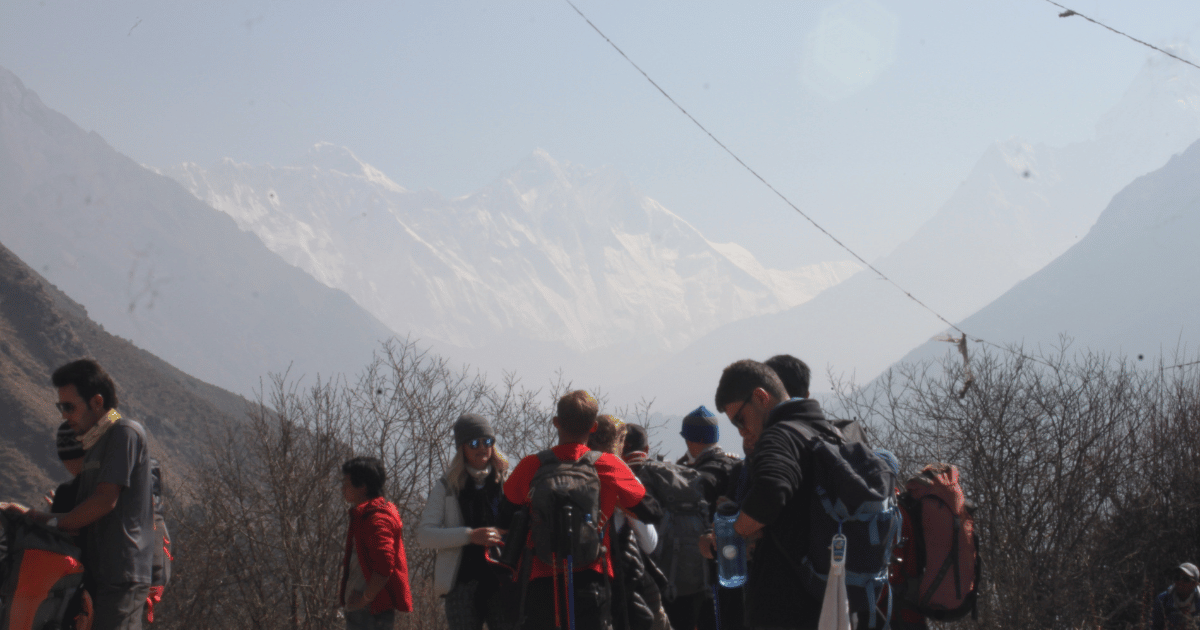
From the moment you land at Lukla with teams of Snow View Trek, the views begin. Lower down, you walk beside the Dudh Koshi river with first sights of Kongde and Thamserku above green hills and Sherpa villages. As the trail climbs to Namche Bazaar, the great amphitheatre of the Khumbu opens, with sweeping views of Kusum Kanguru, Khumbila, and the famous skyline of Everest, Lhotse, and Ama Dablam from classic viewpoints near Hotel Everest View. On the way to Deboche and Dingboche, you pass through pine and rhododendron forest, cross the Imja Khola, and watch Ama Dablam rising like a silver tower over old monasteries and stone-walled fields.

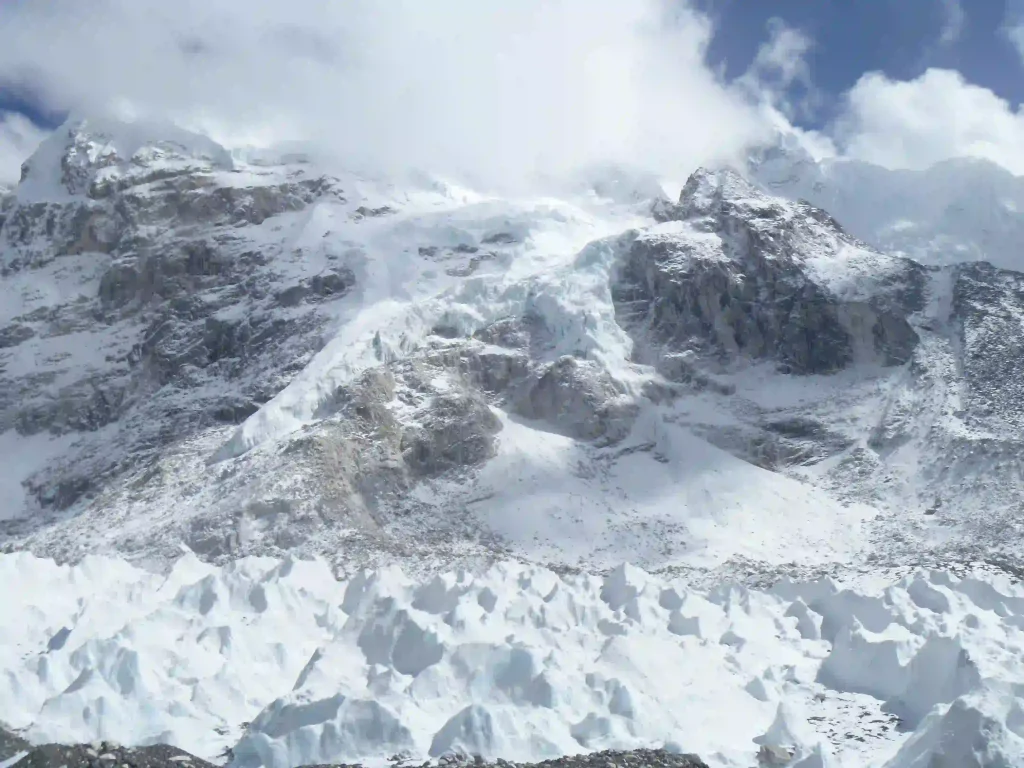
Higher up, the landscape turns wild and glacial. From Dingboche to Lobuche, you walk beside the Khumbu valley with close views of Taboche, Cholatse, Pumori, and the broken ice of the Khumbu Glacier. At Everest Base Camp, you stand at more than 5,300m on ancient ice beneath the Khumbu Icefall, surrounded by prayer flags and the high faces of Lhotse and Nuptse. The next morning, you climb Kala Patthar, where sunrise paints Mount Everest and the whole panorama of the Khumbu in gold, a moment many people call the best Everest view in Nepal.

Instead of days of descent, you join a shared helicopter from Gorak Shep and rise above the glacier you have just followed on foot. The flight to Lukla and onward to Kathmandu gives you a rare bird’s-eye view of Everest, Lhotse, Ama Dablam, Pumori, and endless ridges rolling away toward Tibet.

Snow View Trek handles every detail of the heli return, permits, teahouse bookings, and guiding, so that you can focus on the experience. With experienced local guides, luxury-style rooms in key villages, and a carefully paced 12-day Everest Base Camp trek itinerary, Snow View Trek turns a simple search for an Everest Base Camp trek with a helicopter return into a real plan and a life-changing journey.

Why Everest Base Camp Trek with Helicopter return?

The Everest Base Camp Trek with Helicopter Return, designed by Snow View Trek, is a comprehensive trekking package that lets trekkers skip the strenuous return from the base camp. The trek removes the stress of the repetitive return walk, which can take 3-4 days. So instead, trekkers can take a scenic helicopter flight from Gorak Shep and return to Kathmandu or Lukla, depending on personal preference.

The Everest Helicopter Flight allows you to skip the demanding trek and reduces the risk of injury or exhaustion. As you soar above the clouds, you can easily take in a panoramic 360-degree view of snow-capped mountains, including Everest, Lhotse, Ama Dablam, and others, adding a different perspective to the adventure.

The helicopter flight is also a suitable option for trekkers with limited time. If you or your group do not have 14-16 days to travel to Everest Base Camp, a helicopter flight can shorten the itinerary to 12 days without compromising any essential experiences. Additionally, the trek is suitable for seniors, beginners, busy professionals, and luxury seekers. You can have the same adventure reaching Everest Base Camp and finish the trip in style with more comfort and memories.

Detailed 12 days Everest Base Camp Trek with Helicopter Return Itinerary

Day 01 :

Arrive at Tribhuvan International Airport in Kathmandu (1,324m) and transfer to your hotel

road

Drive Distance

5.8km

departure_board

Drive Duration

25-30 minute

home_pin

Place

Kathmandu

A friendly Snow View Trek representative greets you at Tribhuvan International Airport and transfers you to your hotel in the city. After a short rest, you meet your guide, check your gear, and receive a clear briefing on the Everest Base Camp trek with a return by helicopter. The evening is free to stroll the nearby streets, sample local cuisine, or relax and prepare for the adventure ahead.

Day 02 :

Fly from Kathmandu (1,324m) to Lukla (2,860m), or drive to Manthali/Ramechhap (474m) , followed by flight to Lukla (2,860m). Begin the trek to Phakding (2,610m)

directions_walk

Trek Distance

8-9km

av_timer

Trek Duration

3–4 hours

road

Drive Distance

132km

departure_board

Drive Duration

5–6 hours

flight

Flight Hours

20-30 minute

home_pin

Place

Phakding

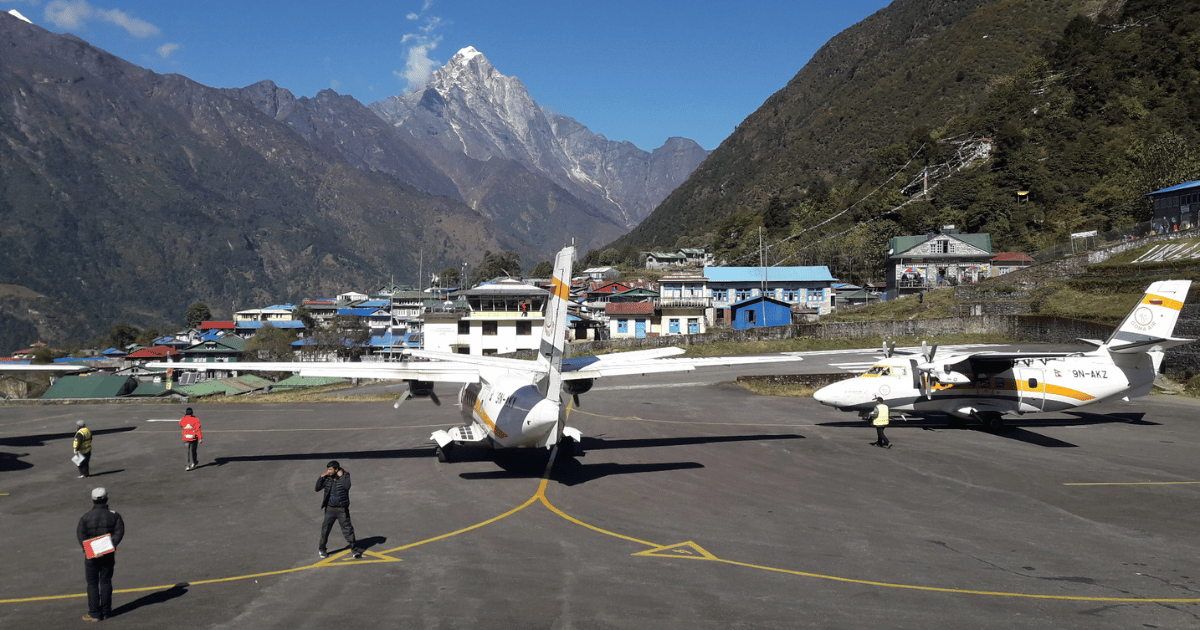
Your Himalayan journey begins with a scenic mountain flight to the famous Tenzing Hillary Airport at Lukla. Snow-covered ridges and deep valleys appear outside the window as you fly toward the gateway of the Everest trek in Nepal. At Lukla, you meet the whole Snow View Trek team, collect your Khumbu Pasang Lhamu permit, and start walking.

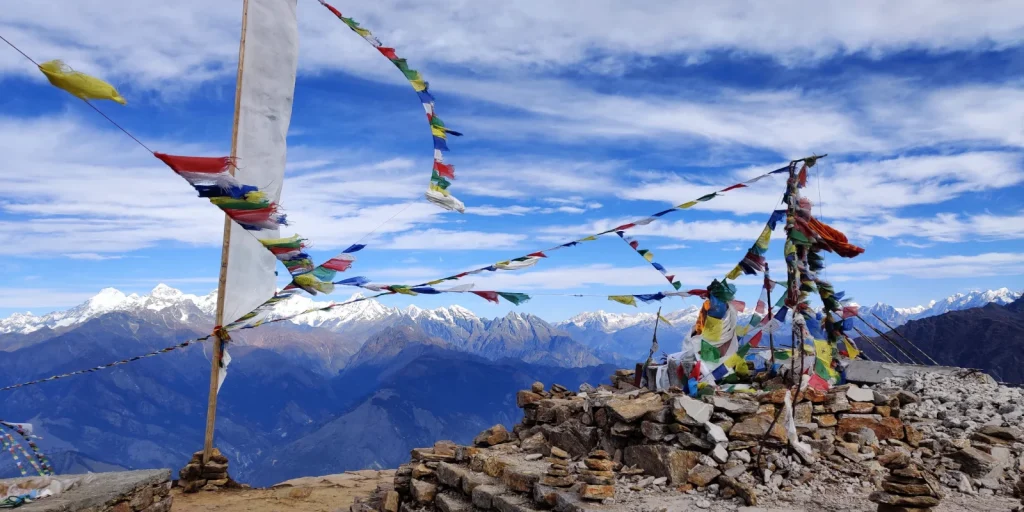
The path passes through nearby communities, including Chhepung, Ghat, and Thulo Gumela. As you make your way, you will pass many mani stones set out up and down the trail, prayer flags flying over you, and cross the Dudh Koshi River with its crystal clear waters. After a straightforward hike on your first day, you will arrive at Phakding, where you can rest at a lovely lodge right on the river.

Day 03 :

Trek from Phakding (2,610m) to Namche Bazaar (3,440m)

directions_walk

Trek Distance

10-11km

av_timer

Trek Duration

5-6 hours

home_pin

Place

Namche

Today, you follow the Dudh Koshi river deeper into the Khumbu. The path passes through the villages of Toktok, Benkar, and Monjo, offering views of Thamserku and Kongde rising above the forest. At the entrance to Sagarmatha National Park, your permits are checked, then you continue through Jorsalle and across high suspension bridges, including the famous Hillary Bridge.

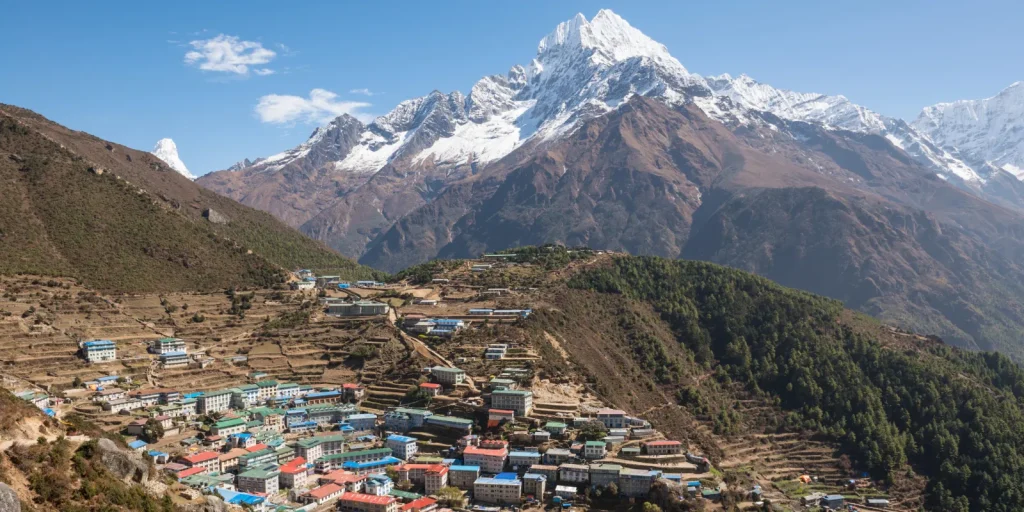
A final steady climb brings you to the Sherpa capital of Namche Bazaar, set in a natural bowl beneath sacred Khumbila. Snow View Trek arranges a luxury-style room where you can enjoy hot drinks and the lively atmosphere of this mountain town.

Day 04 :

Acclimatization day at Namche Bazaar (3,440m). Optional hike to Hotel Everest View (3,880m)

directions_walk

Trek Distance

4–5km

av_timer

Trek Duration

4–5 hours round-trip

home_pin

Place

Namche

This is your first important day of acclimatization. After breakfast, your guide will lead you on a relaxed hike to viewpoints above Namche, including the area near Hotel Everest View. Along the way, you pass traditional Sherpa houses and learn about the routes to Everest Base Camp, Gokyo, and Thame.

As you reach Hotel Everest View, situated at an altitude of 3880m, you can witness panoramic views of the Mahalangur range. Your guide will help you identify notable peaks, including Everest, Lhotse, Nuptse, Ama Dablam, Thamserku, Kangtega, and others.

While enjoying the mountain view, adjust to the altitude and adapt to the low oxygen levels. Your acclimatization hike will help you progress further on the trek in the following days, especially as oxygen levels drop as you move to higher altitudes.

Later, with an enjoyable time in Everest View Hotel, drop off at your accommodation option in Namche, and go on an evening walk in Namche for further exploration. You can visit cafes, bakeries, and the vibrant market of Namche. O/N at a luxury room.

Day 05 :

Trek from Namche Bazaar (3,440m) to Deboche (3,820m)

directions_walk

Trek Distance

10–11km

av_timer

Trek Duration

5–6 hours

home_pin

Place

Deboche

Leaving Namche, you follow a beautiful contouring trail with expansive views across the valley. The path passes through Kyangjuma and Sanasa, then descends through the forest to the riverside at Phunki Tenga. After a break, you climb steadily through pine and rhododendron forest toward Tengboche, home to the largest monastery in the Khumbu region.

Here you can visit the Tengboche monastery and enjoy some of the best mountain views in the area, with Ama Dablam, Everest, Lhotse, Thamserku, Kangtega, Kongde, Nuptse, Taboche, and Cholatse forming a stunning backdrop. A short descent through the forest brings you to the quieter village of Deboche, where you stay in a peaceful lodge among the trees.

Day 06 :

Trek from Deboche (3,820m) to Dingboche (4,410m)

directions_walk

Trek Distance

9–10km

av_timer

Trek Duration

5–6 hours

home_pin

Place

Dingboche

After breakfast, you cross a small bridge and continue through Milingo to Pangboche, one of the oldest Sherpa villages in the region. You may visit the historic Pangboche monastery and enjoy close views of Ama Dablam. The trail then follows the Imja Khola valley, crossing wooden bridges and passing stone-walled fields near Somare and Orsho.

As you gain height, the trees thin out and the landscape opens into a broad high valley with views of Ama Dablam, the east face of Everest, Lhotse, Nuptse, Taboche, Cholatse, and Island Peak. Dingboche appears ahead, protected by long stone walls, and you spend the night in a cozy lodge with private facilities.

Day 07 :

Acclimatization day in Dingboche with a hike to Nangkartshang Peak (5,083m)

directions_walk

Trek Distance

3–4km

av_timer

Trek Duration

3–4 hours (round trip)

home_pin

Place

Dingboche

Today is your second acclimatization day, a key step for a safe Everest Base Camp trek with helicopter return. You climb to the Nangkartsang viewpoint above Dingboche, moving slowly as the air grows thinner. From the upper or lower viewpoint, you are rewarded with a superb close view of Ama Dablam and Lhotse, along with the east face of Everest, Nuptse, Taboche, Cholatse, Island Peak, Peak 38, and distant Makalu.

The hike also offers fantastic views of the Imja Valley and the routes to Island Peak and Kongma La. After enjoying this panorama, you return to Dingboche for a relaxed afternoon.

Day 08 :

Trek from Dingboche (4,410m) to Lobuche (4,910m)

directions_walk

Trek Distance

7–8km

av_timer

Trek Duration

5–6 hours

home_pin

Place

Lobuche

Leaving Dingboche, you head into a broad, often windy valley that leads toward the Khumbu Glacier. The trail offers expanding views of Ama Dablam, Lhotse, Nuptse, Taboche, Cholatse, Island Peak, and Makalu. After reaching Thukla, you pause for tea and lunch, then climb steadily up Thukla Pass, where memorials honor climbers who have lost their lives in the high Himalaya. This is a quiet and powerful spot.

From the pass, the path continues beside the moraine to the small settlement of Lobuche, with views of Pumori, Lingtren, Thamserku, and Lobuche Peak. You spend the night in a welcoming but straightforward lodge, now feeling the real height of the Khumbu.

Day 09 :

Trek from Lobuche (4,910m) to Gorakshep (5,164m), then to Everest Base Camp (5,364m) and back to Gorakshep (5,164m)

directions_walk

Trek Distance

11–12km

av_timer

Trek Duration

6-8 hours

home_pin

Place

Gorakshep

This is one of the most exciting days of the entire Everest Base Camp trek, with a return by helicopter. In the morning, you follow a rocky trail beside the Khumbu Glacier, passing the Italian Pyramid research center and moving carefully over stony ground to reach Gorakshep, the highest lodge village on the route. After an early lunch, you set out toward Everest Base Camp.

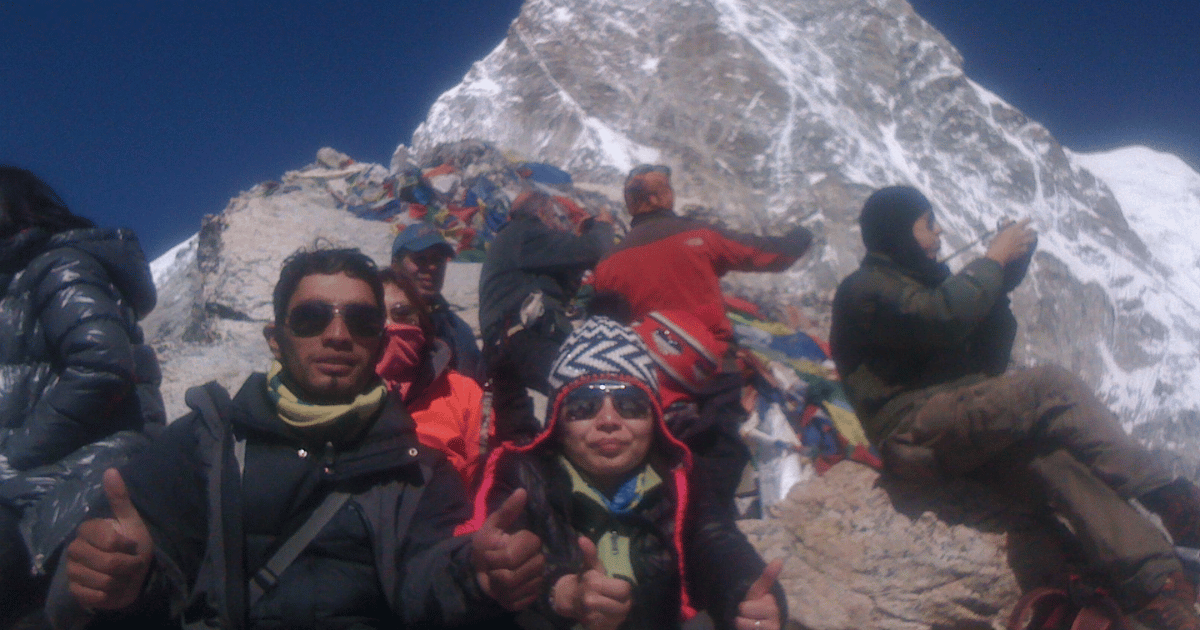
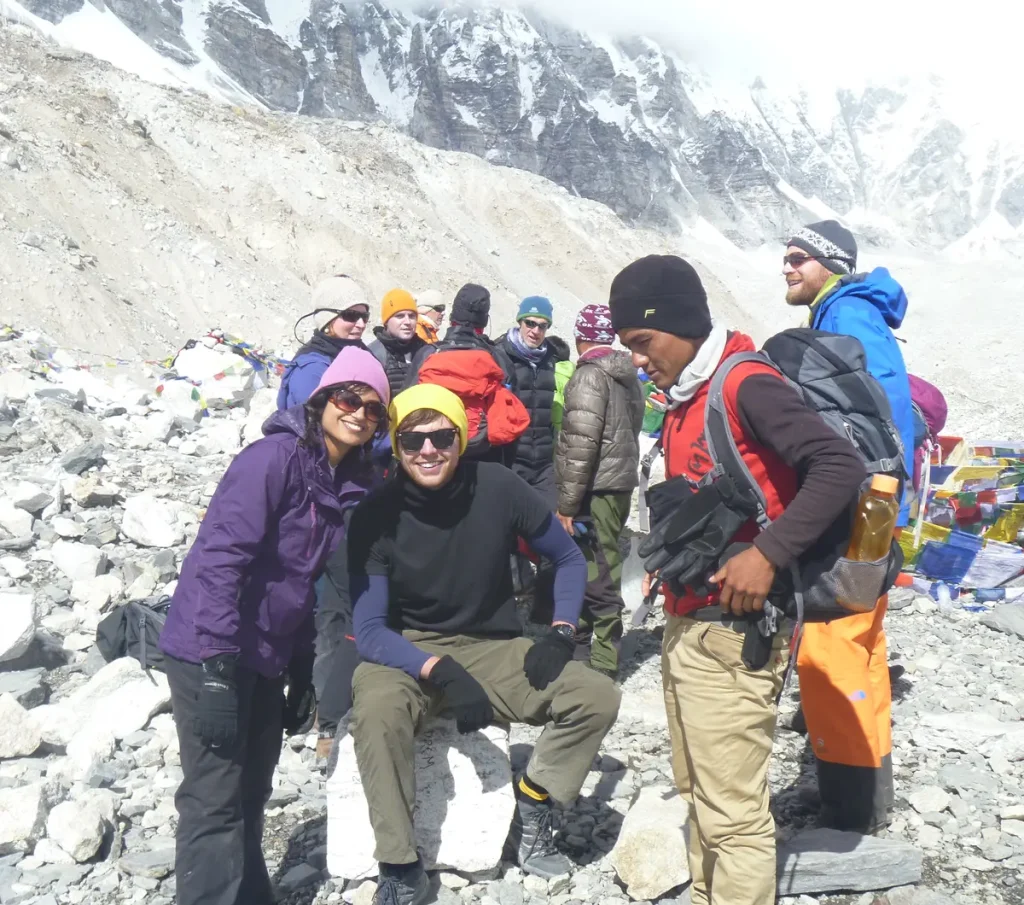
The path crosses glacier moraine, thin air, and shifting views of the surrounding peaks. At Base Camp, you stand amid prayer flags and ice, looking toward the Khumbu Icefall and the tents of expedition teams during the primary climbing season. You spend about twenty to thirty minutes here, taking photos and enjoying the reflection of sunlight on snow, before walking back to Gorak Shep for the night.

Day 10 :

Early morning hike to Kala Patthar (5,555m) for sunrise views, then helicopter flight to Lukla

directions_walk

Trek Distance

~2km

av_timer

Trek Duration

2.5–3 hours

flight

Flight Hours

25 minutes

home_pin

Place

Lukla

Before dawn, you leave Gorak Shep with a headlamp, water, and snacks, aiming for the summit of Kala Patthar. The climb is short, but steep, and the air is fragile, so you move slowly. As the first sunlight touches the peaks, Mount Everest, Lhotse, Nuptse, Ama Dablam, Pumori, Lingtren, Khubutse, Makalu, Lobuche Peak, Thamserku, and many other summits glow in golden light. Prayer flags flutter around you, and the whole panorama of the Khumbu spreads in every direction. After soaking in this unforgettable view, you descend to Gorak Shep for breakfast.

Then the second part of the magic begins. You board a shared helicopter and lift off from Gorak Shep, flying above the Khumbu Glacier and back down the valley with a bird’s-eye view of the peaks and villages you have walked through. In a short, spectacular flight, you reach Lukla, where you spend a final night in the mountains, celebrating your successful Everest Base Camp trek with a heli return with the Snow View Trek team.

Day 11 :

Fly back to Kathmandu (or to Manthali/Ramechhap, then drive 5–6 hours to Kathmandu)

road

Drive Distance

132km

departure_board

Drive Duration

5–6 hours

flight

Flight Hours

20-30 minutes

home_pin

Place

Kathmandu

When the weather allows you to take a morning flight from Lukla back to Kathmandu, you can enjoy one last sweep of the Himalaya from the air. Upon arrival, a Snow View Trek representative will transfer you to your hotel. The rest of the day is free for shopping, cafe visits, spa time, or simply relaxing after your high-altitude adventure. In the evening, you may choose to enjoy a celebration dinner in the city and relive your favorite moments from the trek.

Day 12 :

Transfer to Tribhuvan International Airport for your final departure.

t the scheduled time, Snow View Trek escorts you from your hotel to Tribhuvan International Airport for your onward flight. As you leave Nepal, you carry memories of suspension bridges, Sherpa villages, sunrise from Kala Patthar, and the unique feeling of flying above Everest Base Camp in a helicopter. This carefully paced, twelve-day Everest Base Camp trek with return by heli is designed to give you a complete experience with strong safety, local comfort, and the warm support of the Snow View Trek team from the first welcome to the final goodbye.

Cost Includes

Choosing Snow View Trek means your Everest Base Camp trek with heli return is carefully planned from the moment you land in Kathmandu until you fly home. The following services are included in this twelve-day Everest Base Camp package.

Arrival and departure services:

  • All ground transport in a private vehicle
  • Airport pick up and drop off between Tribhuvan International Airport and your hotel in Kathmandu.

Transportation during the trip:

  • Two-way flight to Lukla from Kathmandu or Manthali
  • Shared helicopter flight from Gorak Shep to Lukla after your Kala Patthar hike
  • Private vehicle between your hotel in Kathmandu and the domestic airports or Kathmandu and Manthali in both directions

Trek permits and official expenses:

  • Sagarmatha National Park entry permit
  • Trekkers information management system card
  • Khumbu Pasang Lhamu Rural Municipality fees
  • All government taxes, local taxes, and official service charges connected with these services

Accommodation:

  • Hotel accommodation in Kathmandu on a twin or double sharing basis with breakfast
  • During the trek, nine nights in teahouses are as follows
  • Six nights in luxury rooms at Phakding, Namche, two nights, Deboche, and Dingboche, two nights, with a private bathroom attached on a twin or double sharing basis
  • Two nights in standard rooms in Lobuche and Gorak Shep on a twin or double-sharing basis

Meals and hot drinks:

  • Breakfast in Kathmandu as per the final program
  • Full board meals during the trek, including breakfast, lunch, and dinner each trekking day
  • Tea and coffee are served three times daily during the trek
  • Fresh seasonal fruit served after dinner along the trail
  • Farewell dinner at the end of the trek

Professional guide and porter team:

  • Government licensed, highly experienced, English speaking trekking guide for the whole Everest Base
  • Camp trek and heli return
  • For groups with more than twelve trekkers, one assistant guide for extra care and safety
  • Porter service with an allowance of 25 kilograms of baggage carried by each porter for two trekkers
  • All staff costs, including their insurance, salary, equipment, flights or ground transport, food, and accommodation.

Medical support and safety:

  • Use of a basic medical kit carried by the guide
  • Use of an oximeter to monitor blood oxygen levels at higher altitudes
  • Assistance in arranging rescue operations in case of serious health issues, to be funded by your travel insurance policy

Equipment and added benefits from Snow View Trek:

  • Unrestricted use of a Snow View Trek team down jacket and sleeping bag during the trek, if needed
  • One large trekking duffel bag of about 70 liters per participant for use during the trek (Should be returned to the respective company)
  • Complimentary Everest Base Camp route map
  • Complimentary Snow View Trek T-shirt
  • Appreciation certificate after successful completion of the Everest Base Camp trek with return by heli

Cost Excludes

To help you plan your budget clearly, the following services and costs are not included in this Everest Base Camp heli return package.

International flights:

  • International airfares to and from Nepal

Extra accommodation in Kathmandu:

  • Any upgrade to higher standard hotels in Kathmandu
  • Extra nights in Kathmandu caused by early arrival, late departure, or early return from the trek that is not part of the set itinerary

Meals in Kathmandu:

  • Lunches and dinners in Kathmandu before and after the trek, unless clearly listed in the final confirmation

Nepal visa:

  • Nepal entry visa fees for multiple entry on arrival at Tribhuvan International Airport: a fifteen-day visa currently costs about thirty United States dollars; a thirty-day visa currently costs about fifty United States dollars. A ninety-day visa costs presently about 125 United States dollars.

Personal trekking gear:

  • Personal clothing and trekking equipment, such as jackets, thermal layers, trekking poles, gloves, hats, socks, and hiking boots

Travel insurance:

  • Travel insurance is compulsory but not included in the package price
  • Your policy must cover trekking to Everest Base Camp and Kala Patthar, emergency helicopter rescue, medical treatment, trip cancellation, interruption, and repatriation.

Personal expenses on the trek:

  • Personal shopping and souvenirs
  • Snacks, chocolate, and extra drinks such as bottled or boiled water, soft drinks, extra tea or coffee, and alcoholic drinks
  • Hot showers in lodges where a separate fee is charged
  • Wi Fi use, international telephone calls, and battery or device recharging fees
  • Any extra porter hired for personal reasons beyond the standard allowance

Filming and drone-related costs:

  • Fees for cameras, professional filming, drones, and any special permits required by local authorities for these activities

Extra activities and customised services:

  • Any activities or excursions not clearly listed in the main Everest Base Camp trek with heli return itinerary
  • Private tours, additional sightseeing in Kathmandu, or special customised arrangements requested by the guest

Tips for guides and porters:

  • Gratuities for trekking guides, assistant guides, and porters are not included.
  • Tipping is recommended and is a respected part of trekking culture in Nepal, but the amount is always your personal decision.

Departure

Private Trip

Prefer a more personal journey? Our private packages offer flexible dates, custom itineraries, and dedicated support—perfect for those seeking a tailored travel experience.

Good to Know

The itinerary can be changed or customized according to your duration of holidays & as per your requirements. The trip price will be according to Deluxe, Standard, Budget and group size so please kindly provide us your details for tailor made program. If this above itinerary is not suffice or have any questions, you can ask one of our expert team  for help.

Everest Base Camp Trek with Heli Return Distance, Duration, and Altitude Summary

Day Route Walking Distance (km/miles) Duration Altitude Gain/Loss
1 Arrival in Kathmandu 5.8km 25-30 minute drive
2 Kathmandu – Lukla – Phakding 8-9km
/5-5.6miles
30-minute flight from Kathmandu

Or 5-6 hours of driving and a 20-minute flight from Ramechhap

3-4 hours trekking to Phakding

Gain: 1,286m
3 Namche – Phakding 10-11km/6.2-6.5miles 5-6 hours Gain: 830m
4 Acclimatization day in Namche, hike to Everest View Hotel 4-5km/2.4-3.1miles 4-5 hours Gain: 440m, Loss: 440m
5 Namche – Deboche 10-11km/6.2-6.5miles 5-6 hours Gain: 380m
6 Deboche – Dingboche 9-10km/5.5-6.2 miles 5-6 hours Gain: 590m
7 Acclimatization day in Dingboche, hike to Nangkartshang Peak 3-4km/1.8-2.4miles 3-4 hours Gain: 673m, Loss: 673m
8 Dingboche – Lobuche 7-8km/4.3-4.9miles 5-6 hours Gain: 500m
9 Lobuche – Gorakshep – Everest Base Camp and back to Gorakshep 11-12km/6.8-7.4miles 8-10 hours Gain: 454m, Loss: 200m
10 Gorakshep – Kalapatthar and back to Lukla by flight 2km/1.2miles 2.5-3 hours Gain: 391m, Loss: 2,304m
11 Lukla – Kathmandu Loss: 1,536m

Is the Everest Base Camp Trek with Heli Return Worth It?

If you have ever looked at a picture of Mount Everest and felt even a slight pull in your chest, then yes, the Everest Base Camp trek with helicopter return is worth it. This journey is not just another walking holiday. It is a twelve-day story where you begin in the busy streets of Kathmandu, fly into the tiny airstrip of Lukla, walk through Sherpa villages and monasteries, and finally stand beneath the highest mountain on earth at Everest Base Camp.

Along the way, you collect moments that stay with you for life. Prayer flags snapping in apparent mountain wind. The first time you see Everest from Namche Bazaar. Sunrise from Kala Patthar when the summit of Everest turns gold and the entire Khumbu range glows around you. With the Snow View Trek heli return package, you can even add a spectacular helicopter flight above the Khumbu Glacier so that you can see the same mountains from both the trail and the sky.

For anyone searching for the Everest Base Camp trek, the Everest Base Camp trek with helicopter return, or Everest trekking in Nepal, this experience delivers everything the words promise and more. It is demanding, beautiful, and deeply rewarding.

How does the Everest Base Camp Trek With a Helicopter Return for 12 days Start and End?

The Everest Base Camp trek with a return by helicopter is planned so that every day has a clear purpose and a vivid highlight.

  • Your adventure starts in Kathmandu, where the Snow View Trek team welcomes you at Tribhuvan International Airport and takes you to your hotel.
  • The next day, you fly from Kathmandu or Manthali to Lukla and begin the classic Everest trail to Phakding.

From there, the route follows the famous Khumbu pathway

  • Phakding to Namche Bazaar beside the Dudh Koshi river and across the high Hillary bridge
  • Acclimatization day at Namche with a side trip to the Everest View Hotel
  • Namche to Deboche via Tengboche Monastery
  • Deboche to Dingboche through Pangboche and the Imja valley
  • Acclimatization day in Dingboche with a hike to Nangkartsang viewpoint
  • Dingboche to Lobuche over Thukla Pass and the memorial ridge
  • Lobuche to Gorak Shep and on to Everest Base Camp, then back to Gorak Shep

The turning point comes on Day 10

  • Early morning climb to Kala Patthar for the best close-range view of Everest
  • Return to Gorak Shep for breakfast.
  • Step into a shared helicopter and fly back down the Khumbu to Lukla, with mountain views all around

Finally

  • You fly from Lukla to Kathmandu and enjoy a relaxed day in the city
  • On the last day, Snow View Trek transfers you to the international airport for your flight home

This clear twelve-day Everest Base Camp trek itinerary starts and ends in Kathmandu and includes both the full Base Camp walk and the heli return, so travelers can plan with confidence and make the most of their time in Nepal.

Best Time To Go for the Everest Base Camp Trekking with a Return by Helicopter

The best time to trek to Everest Base Camp with a heli return is when the skies are stable, the mountain views are clear, and the trail conditions are safe. For most trekkers, this means two main trekking seasons.

Autumn from late September to December

The monsoon clouds have settled, the air is crisp, and the views of Everest, Lhotse, and Ama Dablam are often crystal clear. This is the classic season for the Everest Base Camp trek with many expeditions and trekkers on the trail.

Spring from February to May

Days are mild, the rhododendron forest begins to bloom, and the snow line lifts. The route feels lively as climbing teams move toward Everest Base Camp. Many people choose spring for its mix of comfortable temperatures and colorful hillsides.

Likewise, winter can offer quiet trails and beautiful snow scenes, but temperatures can be freezing, and some teahouses may close at higher elevations. The main monsoon months from June to August bring heavy rain, cloud, and a higher risk of flight delays, so they are usually less attractive for Everest trekking in Nepal.

Snow View Trek schedules most Everest Base Camp heli-return departures for the October to December and February to May windows to maximize the likelihood of clear mountain views and safe flying conditions for both the Lukla flights and the helicopter return.

How Challenging is the Everest Base Camp Trek with Heli Return?

The Everest Base Camp trek with heli return is rated moderate for experienced walkers, but it is still a serious high-altitude journey. You do not need ropes or technical climbing skills, yet you must be ready for thin air, changing weather, and steady effort day after day.

On this twelve-day Everest Base Camp trek with a heli return, you can expect

  • Average walking time of 5-6 hours on trekking days
  • The maximum sleep altitude is about 5,190 meters at Gorak Shep
  • The highest viewpoint at Kala Patthar is at about 5,555 meters
  • A mix of forest paths, stone steps, suspension bridges, and rocky moraine beside the Khumbu Glacier

The main challenge is altitude. As you climb above 3,000 meters, your breathing becomes slower, and every hill feels steeper. Snow View Trek reduces this risk through acclimatization days at Namche Bazaar and Dingboche, a gradual route, and experienced guides who closely monitor your pace and health.

Likewise, if you think a beginner can do the EBC Trek with a heli return, then yes, a beginner can trek, but it is essential to prepare physically and mentally for the challenge. While the trek is considered moderate, reaching such high altitudes requires stamina, gradual acclimatization, and a steady pace. Snow View Trek offers a carefully designed itinerary with adequate rest days for acclimatization, making it ideal for trekkers new to long-distance mountain treks.

With prior hiking experience and the proper preparation, including fitness training and understanding the physical demands, even beginners can enjoy the thrill of reaching Everest Base Camp. Snow View Trek’s experienced guides will support you every step of the way, ensuring you stay safe while you experience the grandeur of the Himalayas.

Can I do the Everest Base Camp Trek Alone?

Technically, you can trek to Everest Base Camp alone, but it is highly recommended to join a group or hire an experienced guide for safety and logistical reasons. The trail can be physically demanding, and navigating the high altitude alone may pose health risks. Snow View Trek ensures you are not only accompanied by a professional guide but also by a team ready to assist with permits, accommodation, and daily trek plans.

A guide’s expertise is invaluable for managing altitude sickness, ensuring safe travel through remote villages, and navigating the complex landscape. Furthermore, trekking with a team enriches the experience, allowing you to learn about local culture, history, and the Sherpa community. Snow View Trek prioritizes your safety, comfort, and overall experience, offering an organized journey with professional guides and porters.

Can Overweight/Obese People Trek to Everest Base Camp?

Yes, overweight or obese people can trek to Everest Base Camp, but it requires careful planning and preparation. The trek demands physical endurance, and the high altitude and challenging terrain can put additional strain on your body. If you are overweight or obese, it’s essential to focus on building fitness over several months before starting the trek. You should aim to lose some weight through a combination of regular cardio exercise and strength training.

Important Considerations:

  1. Consult a doctor: Before embarking on the trek, consult a doctor to ensure you are fit enough for high-altitude trekking.
  2. Start Slowly: Gradually build your fitness with long walks, hikes, and strength-building exercises.
  3. Pack Light: Carrying less weight will help reduce the strain on your body. Focus on packing only essentials and consider hiring a porter to carry your larger bag.
  4. Acclimatization: Snow View Trek includes proper acclimatization days at key points like Namche Bazaar and Dingboche to help your body adjust to the higher altitude.
  5. Listen to Your Body: If you feel shortness of breath, fatigue, or dizziness during the trek, stop, rest, and hydrate.

Snow View Trek’s professional guides will closely monitor your progress, ensuring that you can move at a pace that works for you. The trek is meant to be an enjoyable and safe experience, and with proper training, determination, and support, overweight or obese individuals can certainly reach Everest Base Camp.

Why Trek with Snow View Trek?

With so many names appearing when you search for the Everest Base Camp trek with helicopter return, it can be hard to know who to trust. Snow View Trek stands out for its combination of local knowledge, careful planning, and warm personal care.

Local experts with real experience

Your guides and porters are Nepalese professionals who know the Everest and Khumbu region in detail. They have walked the trail to Everest Base Camp and Kala Patthar many times across different seasons and have learned how to manage weather, altitude, and lodge choices in a safe and relaxed way.

Smart Heli returns to the Everest Base Camp itinerary.

The twelve-day plan is designed to give enough time for acclimatization and enjoyment, while the helicopter flight from Gorak Shep to Lukla saves you days of descent. You still walk every step up to Base Camp and Kala Patthar, but you return by air, with a spectacular aerial view of the glacier and peaks, which adds real value to your Everest trekking holiday.

Comfort-focused budget style

This is a budget trip, yet Snow View Trek includes luxury rooms with private bathrooms in key villages such as Phakding, Namche, Deboche, and Dingboche, where available; three daily meals on the trail; fresh fruit after dinner; and experienced local staff. You stay in selected teahouses known for cleanliness, safety, and a friendly atmosphere.

Clear inclusions and strong safety culture

Return domestic flights, Heli return, permits, guides, porters, and most meals are organized for you. The team carries an oximeter and medical kit, monitors your oxygen level at high camps, and has a clear plan for emergency support through your travel insurance if ever required. This level of preparation lets you focus on the views and experience, rather than worrying about logistics.

Authentic connection with the Sherpa culture

Snow View Trek does not rush you past the people who live in the Everest region. Your guide will introduce you to local life in villages like Namche, Pangboche, and Dingboche, explain the meaning of mani stones and prayer flags, and take you to monasteries and museums along the way. This turns an Everest Base Camp trek with a helicopter return into a cultural journey and a mountain challenge.

Personalized care and attention

Our small group sizes mean you get the attention and support you need. We ensure every aspect of your trek is handled with care, from the moment you book your return flight home.

This way, for travelers typing phrases such as “Everest Base Camp trek 12 days,” “Everest Base Camp trek with Heli return,” and “best local company for Everest trekking” into their search bar, Snow View Trek offers a carefully designed package that combines adventure, safety, comfort, and genuine human warmth. It is a company that wants you not only to reach Everest Base Camp, but to come home proud, inspired, and already dreaming of your next Himalayan journey.

Everest Base Camp Trek with Heli Return Package Accommodation

Snow View Trek offers comfortable teahouse accommodation throughout the trek, with a combination of luxury and standard rooms.

  • Luxury rooms with private bathrooms are available in Phakding, Namche (2 nights), Deboche, and Dingboche (2 nights). These rooms offer comfort and convenience, ensuring you are well-rested after long days of trekking.
  • Standard rooms are provided in Lobuche and Gorak Shep, where the high altitude makes accommodation more basic but still clean and welcoming.

All rooms are on a twin- or double-sharing basis, offering a comfortable place to rest at the end of each trekking day. Teahouses are the heart of the trekking experience, providing not only accommodation but also a warm, social atmosphere where trekkers can enjoy local food, share stories, and relax. Snow View Trek selects teahouses known for their hospitality and cleanliness, ensuring a pleasant stay even at high altitudes.

Food Options During the Everest Base Camp Trek with Heli Return

Food on the Everest Base Camp trek is varied, healthy, and nutritious, providing the energy you need each day. Teahouses along the route offer a selection of traditional Nepali meals, as well as international dishes to suit different tastes.

  • Breakfast often includes porridge, pancakes, toast with eggs, or yoghurt with muesli, giving you a solid start to your day.
  • Lunch and dinner feature hearty options, including dal Bhat (lentil soup with rice), vegetable curry, noodles, pasta, and fried rice. These meals are rich in carbohydrates, essential for keeping your energy levels up during long walking hours.
  • Snacks and drinks, including tea, coffee, and seasonal fruit, are available at each stop. Warm drinks are a treat in the cold mountains, helping you feel refreshed and ready for the next stage of your journey.

Snow View Trek includes three nutritious meals a day, with tea and coffee served three times daily. This includes fresh seasonal fruits to help you stay energized and hydrated along the way. The meals are well-balanced to ensure you stay nourished throughout the trek to Everest Base Camp.

Typical Meals during the Everest Base Camp trek

  1. Dal Bhat: The traditional Nepali meal consists of lentils and rice, often accompanied by vegetables or meat. It is rich in carbohydrates, making it ideal for long days of walking.
  2. Vegetable Curry: A mix of seasonal vegetables, sometimes served with rice or chapati (flatbread).
  3. Noodles/Pasta: These lighter meals are often served with a vegetable or meat stir-fry for quick energy.
  4. Fried Rice and Soup: These dishes are popular for their warming and filling qualities, especially on cold days.
  5. Western Dishes: Many teahouses offer pancakes, omelettes, sandwiches, and soups to cater to the diverse tastes of international trekkers.

Toilet/bathroom Facilities During the EBC trekking with Heli Return

Toilet and bathroom facilities on the Everest Base Camp trek can be basic but functional. In lower-altitude villages, you will find western-style toilets in many of the teahouses, while at higher altitudes, most toilets are pit toilets or squat toilets.

  • Teahouses offer clean, straightforward facilities, and hot showers are available at some for an extra fee.
  • In areas with limited running water, waterless hand sanitizer is recommended to maintain hygiene standards.
  • At higher elevations, you will find shared outdoor toilet facilities that are clean but may not be as comfortable as those at lower altitudes.

Snow View Trek ensures that all accommodation and teahouses meet basic hygiene standards, and our guides assist trekkers in selecting the most comfortable options along the trail. As with all aspects of the trek, we prioritize your health and comfort to help manage the challenges of high-altitude trekking.

Hot Showers during the trail

Hot showers are available at an additional cost at most teahouses in lower altitudes, but as you climb higher, they become less common. Snow View Trek ensures you have comfortable lodging and facilities at every stage of the trek, helping you feel as comfortable as possible on the trail.

Internet and Wi-Fi Availability Along the Everest Base Camp Trek Route During the Trek

When you embark on the Everest Base Camp trek by heli, it’s essential to know that internet and Wi-Fi access are limited along the trail, especially at higher altitudes. However, there are some key points where you can stay connected, even during your adventure.

Kathmandu to Lukla

In Kathmandu, you’ll find ample Wi-Fi at your hotel and cafes, allowing you to plan and prepare before your trek begins. Upon arrival in Lukla, the starting point of your journey, basic Wi-Fi is available at some teahouses, but it may be unreliable due to the remote location.

Namche Bazaar

As you continue your trek, Namche Bazaar, the largest settlement in the Everest region, offers better access to the internet. Several cafes and teahouses in Namche offer Wi-Fi, but you should expect limited speeds and high costs for internet use, as it relies on satellite connections.

Deboche, Dingboche, and Higher Altitudes

At higher elevations such as Deboche, Dingboche, and Lobuche, Wi-Fi coverage is limited. Some teahouses offer paid internet services, but the speed is often slow and not guaranteed. These areas prioritize comfort for trekkers rather than connectivity, making them an excellent opportunity to disconnect and immerse yourself in the breathtaking landscapes.

Gorak Shep and Everest Base Camp

By the time you reach Gorak Shep and Everest Base Camp, Wi-Fi is virtually non-existent. The focus is on basic facilities, with communication services limited to radio or satellite phones for emergencies. At this point, trekkers are in the heart of the Everest region, where nature and experience take priority over staying connected.

For those looking to stay in touch with family or share moments from their adventure on social media, Snow View Trek recommends preparing before your trek by ensuring your devices are fully charged and using Wi-Fi in Kathmandu and Namche Bazaar.

Required Documents and Permits for Everest Base Camp Trekking with Heli return

Trekking to Everest Base Camp is the journey of a lifetime, and to ensure a smooth, safe adventure, certain documents and permits are required. At Snow View Trek, we handle all the paperwork so you can focus on the beauty of the Himalayas and the excitement of your trek.

Sagarmatha National Park Entry Permit

To trek in the Sagarmatha National Park, which encompasses the Everest region, you will need a Sagarmatha National Park entry permit. This permit allows trekkers to enter one of the most spectacular national parks in the world, where you can witness some of the highest peaks on Earth.

  • Cost: Approximately 3,000 NPR (around USD 30)
  • Where to Get: The permit can be obtained at the Tourism Office in Kathmandu or directly at the Monjo checkpoint.

TIMS Card (Trekkers’ Information Management System)

The TIMS card is a trekking permit in Nepal, designed to help authorities track trekkers and enhance security. This card also helps ensure trekking activities are safer and better regulated.

(Note: A TIMS card is not required for the Everest region (Khumbu); it has been replaced by local entry permits, specifically the Khumbu Pasang Lhamu Rural Municipality Entry Permit)

  • Cost: Around 1,000 NPR (USD 10) for group trekkers and 2,000 NPR (USD 20) for solo trekkers.
  • Where to Get: The TIMS card is issued by the Nepal Tourism Board in Kathmandu, and Snow View Trek arranges this permit for you in advance.

Khumbu Pasang Lhamu Rural Municipality Fee

This fee supports the development of the Khumbu region and is required for all trekkers. It helps maintain the trekking infrastructure, including roads, lodges, and other amenities in the area.

  • Cost: Approximately 2,000 NPR (USD 20)
  • Where to Get: The fee is collected at Monjo and Namche Bazaar on your way to Everest Base Camp, and Snow View Trek handles this fee for you.

With Snow View Trek’s all-inclusive service, you don’t need to worry about the paperwork, as we take care of acquiring all permits and necessary documents before you even begin your trek.

Documents Required

When preparing for your Everest Base Camp Trek, there are a few documents you will need to have in hand to apply for permits. Snow View Trek ensures that all your applications are processed quickly and efficiently, but here’s what you’ll need:

  • Valid Passport: Your passport must have at least 6 months of validity left from your planned entry date into Nepal.
  • Nepal Visa: You will need a valid Nepal visa upon entry. This can be obtained either upon arrival at Tribhuvan International Airport or from the Nepalese embassy in your home country.
  • Passport-sized Photos: A couple of recent passport-sized photographs for the TIMS card and the Sagarmatha National Park permit.
  • Travel Insurance: Comprehensive travel insurance that covers high-altitude trekking is mandatory and a crucial part of your preparation.

Once your documents are ready, Snow View Trek handles the permit applications on your behalf, ensuring a smooth, stress-free trek.

Travel Insurance for EBC Trek with Heli Return

Travel insurance is an absolute necessity for the Everest Base Camp Trek. Trekking in high-altitude, remote areas carries inherent risks, and travel insurance ensures you are covered in case of an emergency. Snow View Trek requires trekkers to have insurance that covers several important aspects of the trek.

What Should Your Travel Insurance Cover?

  1. Emergency Medical Evacuation: In case of a medical emergency, your insurance should cover helicopter evacuation from high-altitude areas with limited access.
  2. Medical Treatment: Your policy should cover any medical treatment needed, including doctor visits, hospital stays, and any necessary procedures.
  3. Trip Cancellation or Interruption: This covers any costs you incur due to an unexpected event that causes you to cancel or interrupt your trip.
  4. Repatriation: This includes coverage for your return home if your trek is cut short due to illness or injury.
  5. High-altitude Trekking: Ensure your insurance policy explicitly covers trekking above 3,000 meters, as standard policies may not.

Snow View Trek works with trekkers to ensure they have the proper insurance coverage. It is compulsory to have travel insurance that includes high-altitude rescue and medical evacuation, and we recommend obtaining your policy well in advance of your trek.

How to Prevent Altitude Sickness (AMS) During the Everest Base Camp Trek with return by Helicopter

Altitude sickness (AMS) is one of the most common concerns for trekkers heading to Everest Base Camp, as the trek reaches altitudes over 5,000 meters. However, with the proper precautions and a gradual acclimatization, you can safely avoid AMS and enjoy the trek to its fullest.

1. Gradual Ascent

To avoid the effects of Acute Mountain Sickness (AMS), it is essential to allow your body enough time to adjust to higher altitudes. Snow View Trek includes acclimatization days in its itinerary to help trekkers rest and acclimate to altitude changes. These acclimatization days are scheduled at locations along the trek, such as Namche Bazaar and Dingboche.

2. Hydration

Staying hydrated is essential at high altitudes. Dehydration can significantly increase your risk of AMS, so it’s vital to drink plenty of water throughout the trek. Snow View Trek provides ample opportunities to stay hydrated, and we recommend drinking 3-4 liters of water daily.

3. Slow and Steady Pace

It’s vital to trek at a comfortable pace to allow your body to adjust to the altitude. Snow View Trek’s guides will ensure you maintain a steady, slow pace throughout the trek, helping prevent AMS and keeping you from ever being rushed.

4. Listen to Your Body

Pay attention to any signs of AMS, such as dizziness, headaches, or nausea. If you begin to feel unwell, it’s essential to communicate with your guide, rest, and descend if necessary. Snow View Trek provides well-trained guides who closely monitor trekkers for signs of AMS, ensuring a safe journey.

5. Medications

Some trekkers use medications like Diamox (Acetazolamide) to help prevent AMS. Snow View Trek recommends discussing any medications with your doctor before trekking. Your guide will also carry a first-aid kit, including medicines and an oximeter to monitor your oxygen levels.

By following these steps and trekking with Snow View Trek, you can significantly reduce your risk of AMS and enjoy the Everest Base Camp trek safely.

FAQs

Our Latest Blog

Attractions, Tips & Activities. Explore Now!

View All Blog

Plan Your Perfect Adventure

Tell us where you want to go and we’ll take care of the rest.
Get a custom travel plan tailored to your interests and schedule.

Start Planning