search
search

Kailash Mansarovar Yatra

globe_location_pin

Country

Tibet

calendar_clock

Duration

14 Days

avg_pace

Difficulty

Moderate
partly_cloudy_day

Best Season

May, Jun, Jul, Aug, Sept, Oct 2026 is the Horse Year

conversion_path

Start / End Point

Kathmandu/Kathmandu

landscape_2

Max. Altitude

5,630m (Dolma La Pass)

landscape

Nature Of Trek

Lodge to lodge trekking

footprint

Activity

Tours

location_on

Region

Kailash Region

groups

Group Size

4 - 40

code_blocks

Trip Code

KMT9

hiking

Activity Per Day

Driving, trekking, rituals, sightseeing

home

Accommodation

Hotel+Teahouse/lodge
flatware

Meals Included

Breakfast, Lunch, Dinner
local_taxi

Transportation

Jeep/Bus

editor_choice

Recommended For

Spiritual person

Kailash Mansarovar Yatra Tour in 2026 Highlights

  • Discover the spiritual significance of the 2026 Year of the Horse, where one Kailash Kora equals 12–13 ordinary Koras.
  • Witness the Kailash Mahakumbh 2026, a rare spiritual gathering of global pilgrims
  • Join the Saga Dawa Festival in May 2026, which celebrates the birth and parinirvana of Buddha.
  • Circumambulate Mount Kailash on the 52km holy Kora.
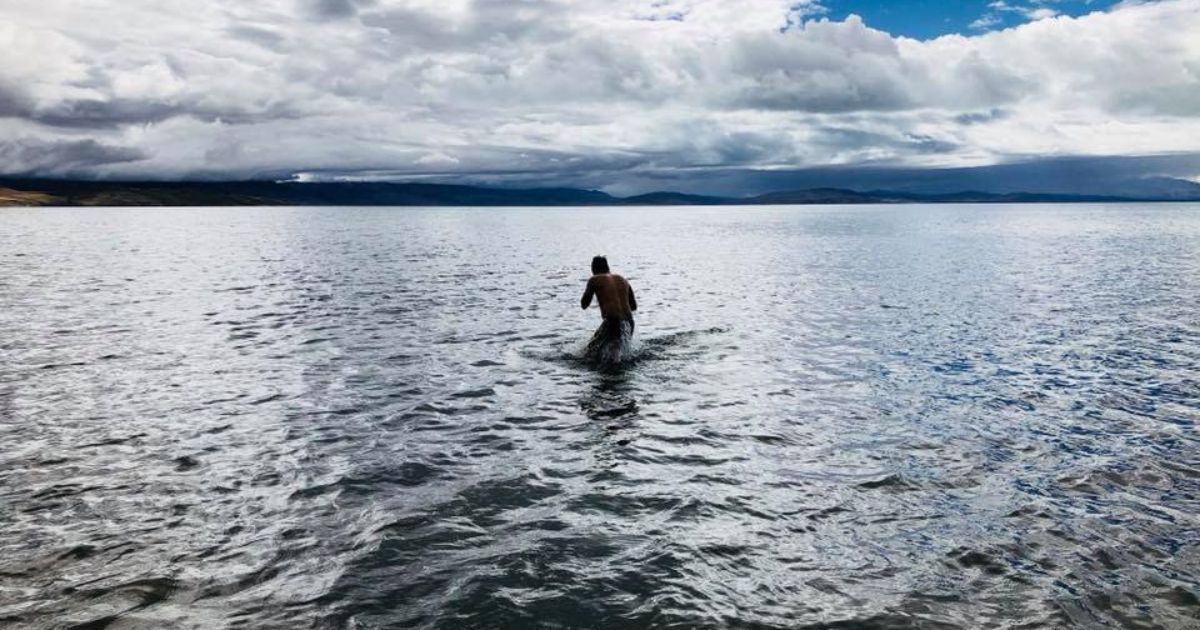
  • Visit Lake Mansarovar (4,590m) for bathing, meditation, and lifetime karma purification.
  • Visit Gauri Kund, a holy lake below Dolma La Pass that is dedicated to Goddess Parvati.
  • Start your Kora at Yam Dwar and receive the blessing of touching the base of Mount Kailash (Charan Sparsh).
  • Connect with pilgrims from the Hindu, Buddhist, Jain, and Bon religions.

Kailash Mansarovar Yatra Overview

The Kailash Mansarovar Yatra is a sacred pilgrimage to Mount Kailash (6,638m) and Lake Mansarovar, which lies at 4,590m in the Tibet Autonomous Region of China. It is respected by Hindus, Buddhists, Jains, and Bon followers. Mount Kailash is believed by Hindus to be the abode of Lord Shiva and Goddess Parvati. Jains believe their first Tirthankara, Rishabhanatha, attained liberation here. Buddhists see the mountain as a cosmic center of the universe.

Millions believe this Kailash Mansarovar journey completely changes them from the inside. A key part of the journey is the Kailash Kora, a 52km circumambulation around the mountain. Pilgrims complete it in three days. The highest point is Dolma La Pass (5,660m). It is also one of the most physically demanding pilgrimages due to high altitude and thin oxygen levels. Many pilgrims walk slowly due to low oxygen and cold conditions. Despite the difficulty, the Kora is considered the heart of the yatra.

The full journey lasts between 9 and 14 days based on the route and transport method. Common routes include overland travel through Nepal via the Kyirong border or helicopter access through Simikot and Hilsa. Travelers need a Tibet Travel Permit and a Group Chinese Visa. The best time to travel is from May to September. The year 2026 is a Horse Year, and many believe it brings great spiritual blessings.

Kailash Mansarovar Yatra Detailed Itinerary 

Day 01 :

Meet at Kathmandu Airport (1,324m) and transfer to the Hotel

The journey begins on arrival at Kathmandu airport, where the Snow View Kailash and Lake Mansarovar Yatra team receives you outside the arrivals area. We arrange a traditional welcome with flowers or a Rudraksha mala to mark the start of the pilgrimage. A private tourist vehicle then transfers the group to a pre-booked hotel. Accommodation is arranged in well-rated four-star or five-star hotels that offer comfort and hygiene after international travel.

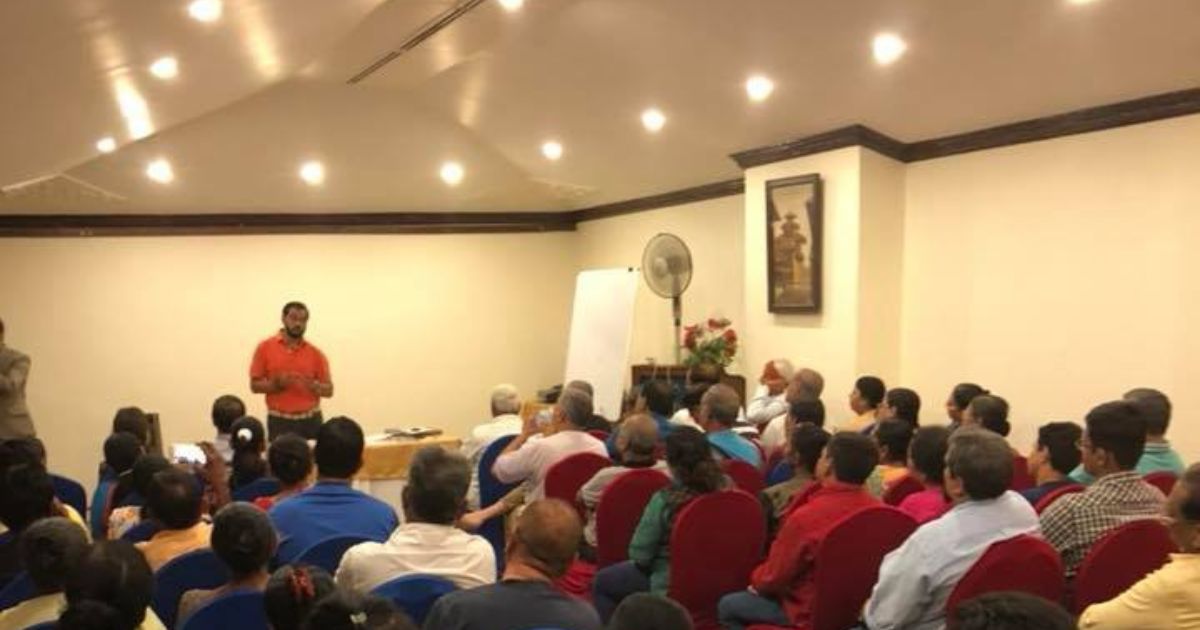
In the evening, the tour team conducts a detailed yatra briefing. The discussion covers the route plan, safety rules, clothing needs, and daily routines. Original passports are collected to begin Tibet Group Visa processing through the Chinese Embassy, which is a mandatory requirement for entry into the region.

Staff also record oxygen level and pulse rate to set a reference before moving to higher altitudes. This step identifies early health concerns.

Day 02 :

Sightseeing Tour in Kathmandu Valley

road

Drive Distance

20km

departure_board

Drive Duration

5–6hours 

home_pin

Place

Kathmandu

Day two of the Mount Kailash and Lake Mansarovar itinerary focuses on a guided visit to the major heritage sites of the Kathmandu Valley. This day is a spiritual preparation before entering the Kailash region. The valley holds seven UNESCO World Heritage Sites within a small area. Pilgrims believe praying here helps them get blessings for the journey ahead.

The visit begins at Pashupatinath Temple, the most holy Hindu shrine in Nepal. It is located at the banks of the Bagmati River and is dedicated to Lord Shiva. Many pilgrims pray here before traveling to Mount Kailash, which is believed to be his cosmic home. Non-Hindus can observe rituals from the eastern bank.

The tour then continues to Boudhanath Stupa, one of the largest Buddhist stupas in the world and a center of Tibetan Buddhism. Hundreds of monks and devotees walk around the stupa in a clockwise path while spinning prayer wheels. The day tour concludes with a visit to Budhanilkantha Temple: The Sleeping Vishnu. This temple has a stone-carved statue of Lord Vishnu in Nepal, reclining on a bed of serpents. After exploration, you will return to your hotel and rest well.

Day 03 :

Drive from Kathmandu (1,324m) to Syabrubesi (1,503m) or Timure (1,900m)

road

Drive Distance

152km (to Timure), 122km (to Syabrubesi)

departure_board

Drive Duration

7–9 hours

home_pin

Place

Syabrubesi or Timure

Day three is the transition from city life to the Himalayan frontier. The route follows the Pasang Lhamu Highway, which connects central Nepal to the northern border region. The road runs alongside the Trishuli River and passes through market towns such as Trishuli Bazaar and Dhunche.

Syabrubesi and Timure are staging points for the border crossing. Syabrubesi acts as the main gateway to Langtang National Park. It has long supported trekkers and pilgrims with basic lodges and small shops. Timure lies higher at 1,900m and stands closer to the Nepal-China border near Rasuwagadhi.

Day 04 :

Cross the Nepal–China border and drive to Kerung (2,800m) or Nyalam (3,750m)

road

Drive Distance

40–50km

departure_board

Drive Duration

4–5 hours

home_pin

Place

Kerung or Nyalam

This day begins with the official exit from Nepal at Rasuwagadhi. Immigration checks are conducted on the Nepalese side before crossing the Friendship Bridge over the Trishuli River. It shifts the journey from the Himalaya to the Tibetan plateau. After entry into China, officials verify the Group Visa and Tibet Travel Permit. Luggage passes through security checks under strict border rules.

After clearance, the journey continues toward Kerung or Nyalam based on route planning and road conditions. Kerung is the most common entry town. It is located inside a deep valley and has a milder climate than other Tibetan settlements. Nyalam requires greater care due to the rapid altitude gain.

During the drive, you can see Langtang Himal on the southern horizon, and after entering Kerung, you can see Paba Temple. It was built in the seventh century and has historically connected Nepal and Tibet.

Day 05 :

Rest Day at Kerung or Nyalam

Day five of the Kailash Mansarovar Tour is reserved for rest and altitude adjustment, which is essential for the safety of the yatra. The body needs time to adapt to lower oxygen levels at these heights. A short acclimatization walk takes place to a nearby viewpoint. The walk reaches a slightly higher elevation before returning to town. This method helps the body increase red blood cell production, which supports oxygen flow.

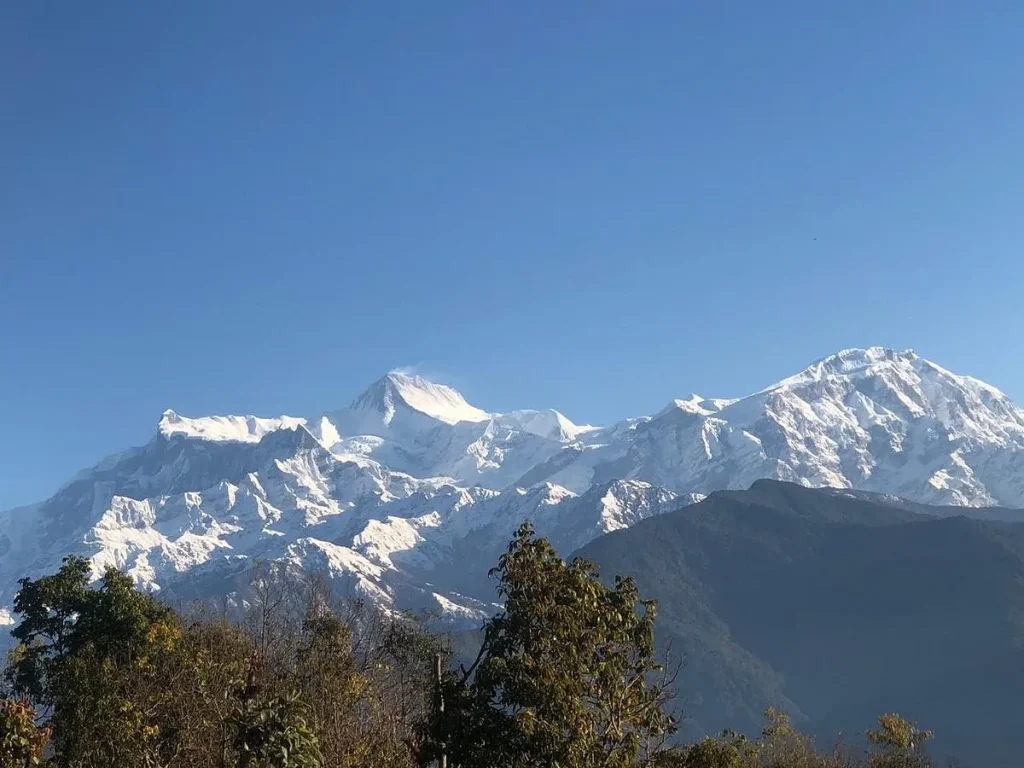
You can explore the Tibetan stone houses and modern Chinese architecture. You’ll see locals spinning handheld prayer wheels and hear the chime of bells from passing mule trains. You are also surrounded by the beautiful views of Ganesh Himal and the Langtang ranges

Health monitoring remains a priority on this day. We’ll check oxygen level and pulse to track acclimatization progress. Heavy physical effort is avoided. Time is used to organize essential items for the Kailash sector of the journey. This rest day strengthens both body and mind before moving deeper into the Tibetan plateau.

Day 06 :

Drive from Kerung (2,800m) or Nyalam (3,750m) to Saga (4,450m) via Labug-La Pass (5,050m)

road

Drive Distance

232km

departure_board

Drive Duration

6–7 hours

home_pin

Place

Saga

This day is the first major ascent onto the high Tibetan plateau. The route climbs beyond the valley zones and reaches Labug-La Pass. This is the first point where pilgrims cross the five-thousand-meter level. Oxygen levels here are nearly forty percent lower than at sea level. Even if it is sunny, the wind at Labug-La can be very cold. Keep your windbreaker and fleece accessible in the vehicle.

After crossing the pass, the road follows the Yarlung Tsangpo River, which later becomes the Brahmaputra. This river is one of the longest river systems in Asia and supports life across Tibet, India, and Bangladesh. From Labug-La, you can see Mount Shishapangma (the only mountain over 8,000m fully in Tibet) and Peiku Tso Lake.

Saga is a main settlement in western Tibet. It is the last major service town before reaching the Kailash region. Facilities here are better than at previous stops. Hot water and stable electricity are available.

Day 07 :

Drive from Saga (4,600m) to Lake Mansarovar (4,558m)

road

Drive Distance

230km

departure_board

Drive Duration

5–6 hours

home_pin

Place

Lake Mansarovar

Day seven takes you deeper into the Ngari region of western Tibet. The route crosses Mayum La Pass (5,200m) and enters one of the most spiritually important landscapes of the plateau. The road then follows the upper part of the Yarlung Tsangpo River.

As the journey continues, the environment grows more open and silent. Before reaching Mansarovar, the route passes Rakshas Tal (Lake of the Demon), which is a saltwater lake with a crescent shape. Locals believe it is the opposite of Mansarovar. After a few hours of driving, you will reach Lake Mansarovar. Arriving there is one of the most emotional moments of the journey.

Day 08 :

Perform Puja at Lake Mansarovar, then drive to Darchen (4,575m)

road

Drive Distance

40–50km

departure_board

Drive Duration

3–4 hours

home_pin

Place

Darchen

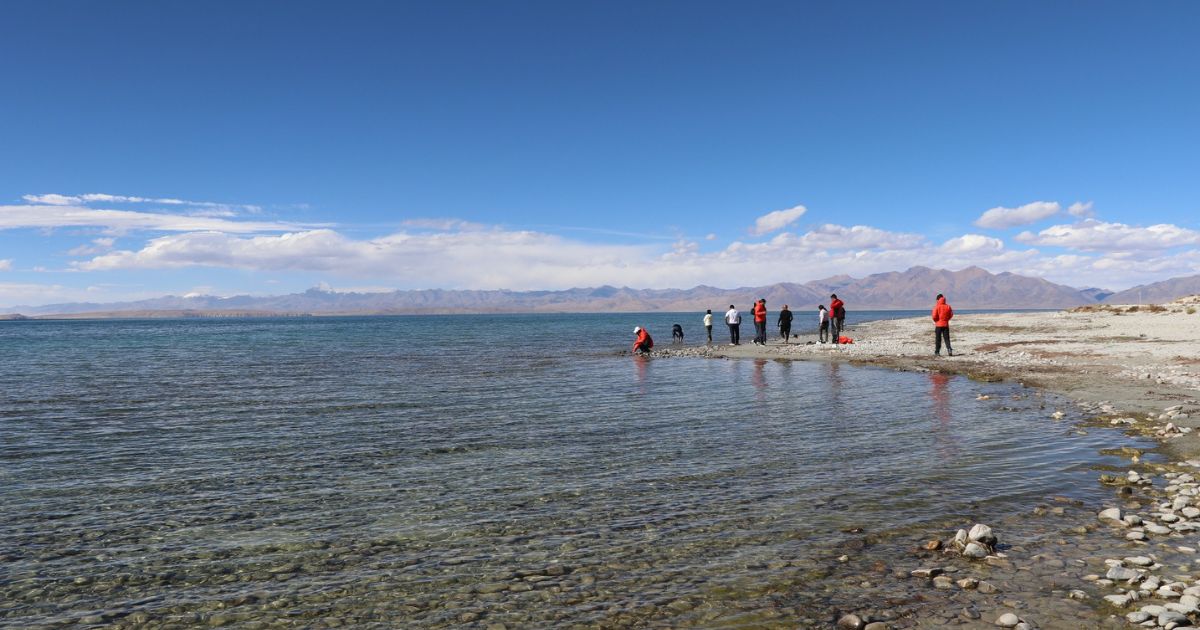
The day starts with a walk towards Lake Mansarovar during the early morning hours, which are considered the most sacred. Pilgrims gather near the water to perform puja and fire rituals while facing the southern side of Mount Kailash. Many believe prayer at this time brings focus and inner courage.

The day also includes a visit to Chiu Gompa, an ancient monastery built on a hill above the lake. History connects this site to Guru Rinpoche, who is said to have stayed here during the eighth century. The viewpoint offers a wide view of the lake and the Kailash peaks.

Later, the journey continues toward Darchen. It is the base town for the Kailash Kora. In the evening, the group reviews trekking plans and equipment needs. If you require a pony or a porter for the 52km trek, your guide will finalize these arrangements today through the local Tibetan labor union. But you have to pay it yourself. This is your last chance to buy wooden walking sticks, snacks, or portable oxygen in the Darchen market.

Day 09 :

Begin the Kailash Kora, drive to Tarboche (4,740m), and trek to Dirapuk (4,765m)

directions_walk

Trek Distance

12km

av_timer

Trek Duration

5–6 hours

road

Drive Distance

10km

departure_board

Drive Duration

30 minutes

home_pin

Place

Dirapuk

On the 9th day of your 2026 pilgrimage tour to Mount Kailash and Lake Mansarovar, you’ll begin the Kailash Kora (Parikrama). The group drives a short distance from Darchen to Tarboche Flagpole. Tarboche is the main site for celebrating the Saga Dawa festival. From here, pilgrims move to Yam Dwar, the Gate of Salvation. Some pilgrims return to Darchen after visiting Yam Dwar, but most continue their journey.

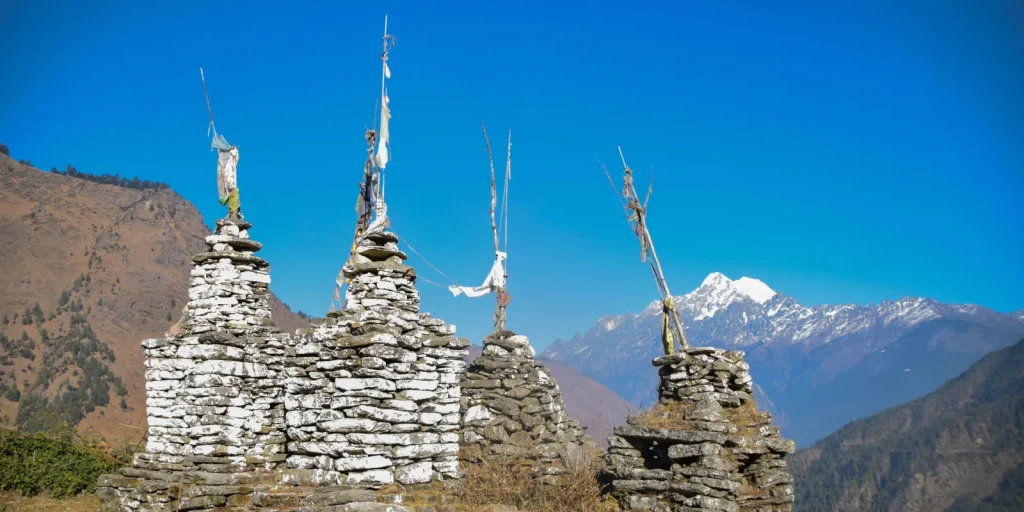
The trek to Dirapuk follows the Lha Chu River. The path climbs gradually from 4,740m to about 5,080m. On the way, you’ll see Chuku Monastery on your left side. Here, pilgrims are often seen doing full-body prostrations.

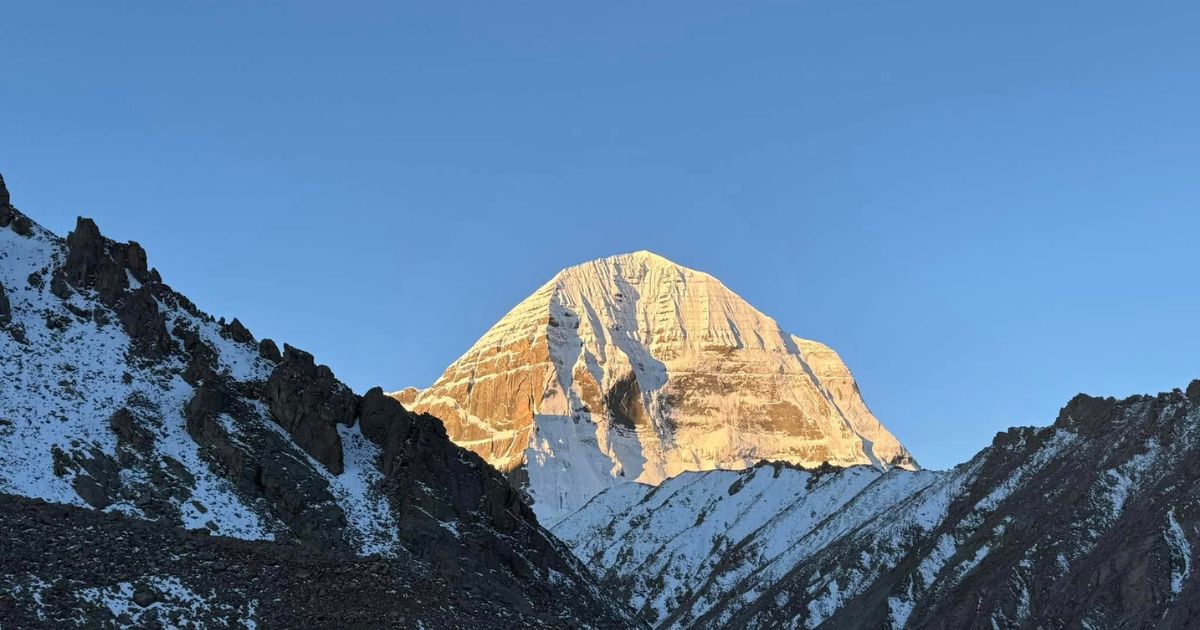
As the group reaches Dirapuk, the North Face of Mount Kailash slowly comes into view. This face is the tallest and steepest side of the mountain, covered with ice and snow. If the skies are clear during sunset, the peak glows golden, a phenomenon known as the “Golden Kailash.” This moment leaves many pilgrims in awe.

Day 10 :

Trek from Dirapuk (4,765m) to Zutulpuk (4,700m) via Dolma-La Pass (5,630m)

directions_walk

Trek Distance

22km

av_timer

Trek Duration

8–9 hours

home_pin

Place

Zutulpuk

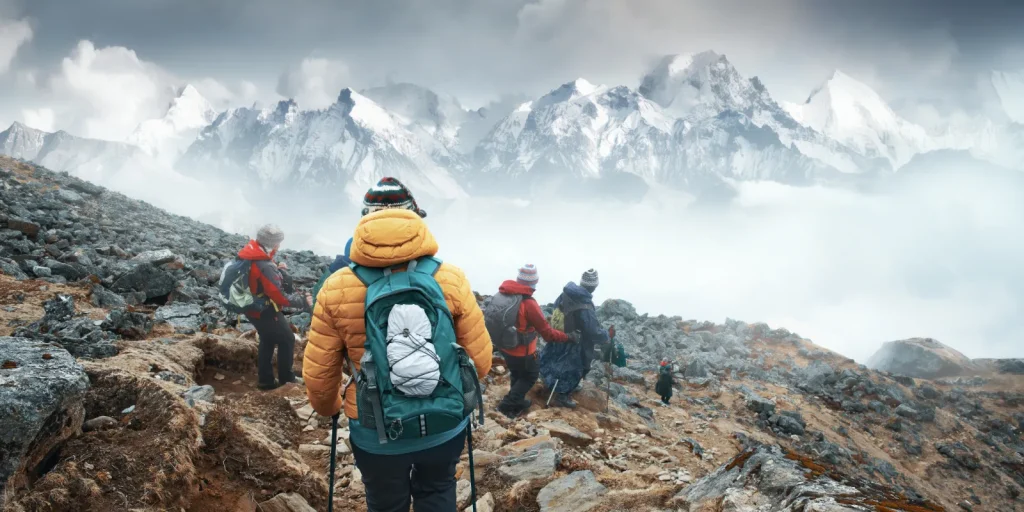
This is the second day and the most challenging part of the Kailash Kora. The trek begins with an ascent from Dirapuk toward Dolma La Pass. On the way, pilgrims pass Shiva-Tsal, a holy site where many leave pieces of clothing or hair to symbolize letting go of their old selves and starting a new life. At the summit, pilgrims chant “Om Namah Shivaya” or “Ki Ki So So Lha Gyalo,” honoring the presence of the god.

The descent leads toward Gauri Kund, the Lake of Compassion. Hindus believe Goddess Parvati bathed here. Pilgrims stop to offer prayers or fetch holy water carried by local porters. The trail goes down before entering a wide valley by the Zhong Chu River.

The day ends at Zutul Phuk, the Cave of Miracles. The site is associated with Milarepa, the Tibetan yogi, who is said to have meditated and performed miracles here. A small monastery surrounds the cave. Pilgrims can observe the handprints and footprints left in solid rock.

Day 11 :

End the Kailash Kora at Zutulpuk (4,700m) and drive back to Saga (4,450m)

directions_walk

Trek Distance

8km

av_timer

Trek Duration

3 hours

road

Drive Distance

240km

departure_board

Drive Duration

6–7 hours

home_pin

Place

Saga

The eleventh day begins with the final movement of the Kailash Kora. The trek from Zutulpuk to the end of the trail follows the Zhong Chu River. The path passes unique rock formations of Mount Kailash, offering one last chance to witness the lake and mountain’s beauty. Reaching the pickup point near Darchen is the completion of the 52km circumambulation.

After the trek, the group boards vehicles for the drive back to Saga. The road retraces the route over Mayum La Pass and the Tibetan grasslands. Arrival in Saga brings relief after the demanding trek. Hotels here offer better beds and hot water. You can spend the evening relaxing, hydrating, and preparing mentally for the descent toward lower altitudes.

Day 12 :

Drive from Saga (4,450m) back to Kerung City (2,800m)

road

Drive Distance

230km

departure_board

Drive Duration

6–7 hours

home_pin

Place

Kerung City

The journey south from Saga retraces the route of the Tibetan plateau. The road crosses the Brahmaputra River and heads towards Labung-La Pass. You’ll pass it for the final time. From this vantage point, Mount Shishapangma can be seen very clearly.

As the drive continues, the landscape shifts rapidly. The brown highlands give way to the green, subtropical forests of the Kerung Valley. Arriving in Kerung City provides relief for the body. Breathing becomes easier and energy returns.

Day 13 :

Drive from Kerung (2,800m) back to Kathmandu (1,324m)

road

Drive Distance

150km

departure_board

Drive Duration

7–8 hours

home_pin

Place

Kathmandu

The day starts with the final border crossing from Kerung City into Nepal. After breakfast, the group drives to Kyirong Port, where Chinese customs and immigration formalities are completed. The Friendship Bridge is the physical transition back into Nepal at Rasuwagadhi. Here, Nepal immigration formalities are completed, and Indian nationals must present a valid passport or Voter ID card.

The journey continues on the Pasang Lhamu Highway, descending from the mountains into the greenery of Langtang National Park. Arrival in Kathmandu is the end of your journey in Nepal. Then, you will be transferred to your hotel for rest. The evening concludes with a farewell dinner to celebrate the successful completion of the Kailash Mansarovar Yatra.

Day 14 :

Departure from Kathmandu; airport drop for your flight home

It is the conclusion of the Kailash Mansarovar Yatra. You may enjoy breakfast at the hotel or take a short walk to a temple to contemplate the spiritual journey completed. Pack sacred items like Mansarovar water and Kailash stones safely in checked luggage, following airline rules for liquids.

After check-out, the tour representative arranges a private transfer to Tribhuvan International Airport. You are advised to arrive early for international flights to complete customs and security formalities. You can also exchange any remaining Nepalese Rupees (NPR) back to your home currency at the airport exchange counters before passing through security.

Cost Includes

  • Airport picks up and drops off.
  • Accommodation at Kathmandu Hotel Royal Singi with full board (Breakfast, Lunch, and Dinner). If you upgrade to a 5-star hotel, only breakfast is included.
  • Tour of Kathmandu covering Pashupatinath, Boudhanath, and Sleeping Vishnu.
  • Accommodation in Kailash Yatra (Local Guesthouse)
  • Meals during the tour: Vegetarian meals (Breakfast, Lunch, and Dinner)
  • English-speaking Tibetan guide for customs formalities
  • Nepali team leader/ Co-ordinator
  • All private transportation by bus
  • Tibet travel permit
  • Entrance fees for Lake Manasarovar and Kailash
  • Entrance fees for Langtang National Park
  • Duffel bag to keep your goods during the Kailash tour
  • Down jacket (need to be returned after the completion of the journey)
  • Emergency evacuation management
  • Kitchen team in Tibet side
  • Oxygen cylinders in each bus
  • Farewell dinner

Cost Exclude

  • Nepal entry Visa Fee (You can obtain a visa quickly upon your arrival at Nepal’s Airport in Kathmandu)
  • China Tibet Visa Fee (you can get it in your country and check before a visa-free country). If you need it in Nepal, we can help, and you need to arrive within 4 working days.
  • Airfare to Kathmandu & back
  • Any alcoholic and cold drinks, chocolates
  • Personal expenses, laundry, phone calls, and internet
  • Your gear for the trip, travel, medical insurance & helicopter rescue
  • Any other costs that are not mentioned in the price included section
  • Visa cancellation charge if early return
  • An additional accommodation charge, except for the itinerary
  • Horse riding during Parikrama is about RMB 4000 to 5000. Your porter for Parikrama is about RMB 1400 to 1600
  • Tips and Gratitude for the tour staff

Departure

Private Trip

Prefer a more personal journey? Our private packages offer flexible dates, custom itineraries, and dedicated support—perfect for those seeking a tailored travel experience.

Additional Information

Kailash Mansarovar Yatra Distance, Duration, and Altitude Summary

This chart provides an overview of the locations, travel progress, and altitudes throughout the Kailash Mansarovar Yatra. It helps you understand the pace and elevation changes of the journey at each stage.

Day  Route / Activity Distance (km/miles) Duration  Altitude Gain/Loss
1 Arrival in Kathmandu
2 Sightseeing Tour of Kathmandu Valley 20km/12.4miles 5–6 hours
3 Kathmandu – Syabrubesi or Timure (drive) 122-152km/75.8-93.2miles 7–8 hours Gain: 179 m  (Syabrubesi) / 576m (Timure)
4 Syabrubesi / Timure –  Kerung or Nyalam (drive) 40–50km/24.9-31miles 4–5 hours Gain: 900-2,247m depending on where you start and end
5 Rest Day at Kerung or Nyalam
06 Kerung or Nyalam –  Saga via Labung La Pass (drive) 232km/144miles 6–7 hours Gain: 1,300-2,250m (to the pass)

Loss: 600m (to Saga)

07 Saga – Lake Mansarovar (drive) 230km/142.9miles 5–6 hours Gain: 108m
08 Puja at Lake Mansarovar and Drive to Darchen 40–50km/24.9-31miles 3–4 hours Gain: 17m
09 Darchen – Dirapuk (Kora Day 1) 12km/7.5miles 5–6 hours Gain: 190m
10 Dirapuk – Zutulpuk via Dolma-La Pass (Kora Day 2) 22km/13.7miles 8–9 hours Gain: 865m (to the pass)

Loss: 930m (to the Zutulpuk)

11 Zutulpuk – Saga 240km/149miles 6–7 hours Loss: 250m
12 Saga – Kerung City 230km/143miles 6–7 hours Loss: 1,650m
13 Kerung – Kathmandu 150km/93.2miles 7 hours Loss: 1,476m
14 Departure from Kathmandu

How to Prepare for Kailash Mansarovar Yatra: Detailed Permits, Cost Breakdown, Altitude Challenges & Preparation Tips

Preparing for the Kailash Mansarovar Yatra requires careful planning due to high altitude, strict permit rules, and border access. Below, we have described everything clearly, including permits, detailed cost structure, altitude challenges, and practical preparation tips to help you travel safely.

Permits Required

Permits Issued By Cost Why You Need It
Tibet Travel Permit (TTP) Tibet Tourism Bureau (Lhasa) USD 36–100 Required to enter the Tibet Autonomous Region
Alien Travel Permit (ATP) Public Security Bureau (Tibet) USD 6–80 Required for restricted areas like Mt. Kailash
Chinese Group Visa Chinese Embassy (Delhi or Kathmandu) USD 150–200 To enter China/Tibet as a group
Military & Border Permit Military Authorities (Tibet) USD 15–50 For travel near sensitive border zones
Nepal Restricted Area Permit Nepal Immigration

Note: To visit Mount Kailash and Lake Mansarovar, you cannot apply for permits individually. Your travel agency will collect your documents and apply for them on your behalf at least 30–45 days in advance. Permit fees for the Kailash Mansarovar Yatra are not fixed. They vary depending on your nationality and the current regulations set by the Chinese Embassy, thus they are in range in the above table.

Kailash Mansarovar Cost Breakdown

The Kailash Mansarovar Package covers the core costs of the Kailash Mansarovar Yatra via the Nepal route. The price includes airport pick-up and drop-off in Kathmandu and full-board accommodation at Hotel Royal Singi. It also covers a guided Kathmandu tour to Pashupatinath, Boudhanath, and Sleeping Vishnu. All private transport by bus and required entrance fees are included.

The cost also includes local guesthouse stays during the Kailash circuit and vegetarian meals three times a day. An English-speaking Tibetan guide manages customs formalities. A Nepali team leader supports the group. Tibet travel permits are included. Oxygen cylinders are available in each bus. Emergency evacuation management and a kitchen team on the Tibet side are also covered.

Altitude Challenge and Preparation Tips

  • Carry paracetamol, rehydration salts (ORS), and throat lozenges (the dry Tibetan air causes the “Kailash cough”).
  • Acclimatization days are planned, but physical fitness before the yatra is essential.
  • Drink warm water frequently to prevent dehydration at high altitude.
  • Avoid alcohol, smoking, and heavy food throughout the journey.
  • Follow the guide instructions strictly during high passes.
  • Consult your doctor for a prescription and test for allergies before the trip.

Best Time to Visit Kailash Mansarovar: Weather, Temperature & Safe Travel Months

The best time to visit Kailash Mansarovar in 2026 is from May to September, with June and early September being especially important as they fall in the Horse Year in the Tibetan calendar. During Horse Years, the spiritual value of doing the Kailash Kora is believed to multiply many times compared to normal years.

Because of this belief, pilgrim numbers increase sharply in 2026. The yatra is only possible during months when snow clears, rivers remain stable, and high passes stay open for vehicles and trekkers.

Season/Months Weather Condition Temperature Range Travel Safety
May – June Cloudless skies, dry air, good road conditions Day: 5°C to 15°C (41°F – 59°F)
Night: -5°C to 0°C (23°F – 32°F)
Very Safe
July – August Cold with occasional rain, cloudy days Day: 8°C to 14°C (46°F – 57°F)
Night: -2°C to 2°C (28°F – 36°F)
Moderate
September Clear views, fewer crowds Day: 4°C to 12°C (39°F – 54°F)
Night: -6°C to -1°C (21°F – 30°F)
Very Safe
October – April Heavy snow, road closures Below freezing Not Allowed

Which Route is Better for Kailash Mansarovar: Nepal, Lipulekh, or Nathu La?”

In 2026, the Nepal route is the most practical option for most Kailash Mansarovar pilgrims. From Nepal, the journey takes about 10–14 days, while the route via Lipulekh and Kalapani takes around 21–24 days. Neapl offers flexible entry points and greater permit availability than Indian government routes. Pilgrims can choose overland travel or helicopter support. Medical support and oxygen backup are more accessible on this route.

The Lipulekh and Nathu La routes operate under a fixed-government system with limited seats. Lipulekh is well-suited for fit pilgrims due to its long, high-altitude walking sections and strict schedules. Nathu La offers better road access but still depends on quota selection and weather clearance. In Horse Year, demand will exceed supply on both routes. This makes the Nepal route the safest and most reliable option for first-time travelers and senior travelers on the Kailash Yatra.

The Divine Landscape: Key Sites of the Yatra

The Kailash Mansarovar Yatra passes sacred sites such as Mount Kailash, Lake Mansarovar, Rakshas Tal, and Gauri Kund. Each place carries strong spiritual value and unique natural features. Below, we have discussed Lake Mansarovar, Rakshas Tal, and Gauri Kund clearly and in detail.

Lake Mansarovar

Lake Mansarovar, situated at an altitude of 4,558m, is one of the highest freshwater lakes in the world. Known in Sanskrit as Manas Sarovar (Lake of the Mind), it is believed to have been imagined in the mind of Lord Brahma before manifesting on Earth. The lake is round, spanning approximately 88km in circumference with a maximum depth of 90m. Its circular shape represents the sun and the “light” of inner change.

Rakshas Tal

Often called the “Lake of the Demon,” Rakshas Tal (4,515m) is the dark twin of Lake Mansarovar. It has the same Himalayan views, but its nature and spiritual meaning are very different. According to Hindu mythology, this lake was created by Ravana, the demon king of Lanka, as a place of deep prayerto please Lord Shiva. It was on these shores that Ravana offered his ten heads as a sacrifice. Because of its association with a “Rakshasa” (demon), people see the lake as unlucky or inauspicious.

Gauri Kund

Gauri Kund (5,400m) is a green mountain lake just below Dolma La Pass, visited on the second day of the Kailash Kora. In Hindu mythology, this is the “Parvati Sarovar,” the site where Goddess Parvati (Gauri) bathed and created her son, Lord Ganesha, from the soap suds and clay on her body. Pilgrims revere the lake as a source of purity.

How Are Food and Stay Arranged During Kailash Mansarovar Yatra?

During the Kailash Mansarovar Yatra, food and stay are arranged for comfort, hygiene, and proper acclimatization at high altitudes. All meals are strictly vegetarian, while accommodations range from hotels in Kathmandu to basic guesthouses and monastery lodges. Below is a clear table showing where you stay and what food is provided.

Place Accommodation Type Food Items Provided
Kathmandu 3–4 star hotel Dal, rice, vegetables, chapati, soup, tea, and fruits
Kerung / Nyalam Local hotel/lodge Rice, lentils, boiled vegetables, noodles, soup
Saga Local guesthouse Veg curry, rice, chapati, soup, tea
Lake Mansarovar Guesthouse/camp Khichdi, dal, rice, boiled vegetables, and herbal tea
Darchen Local guesthouse Rice, dal, veg curry, noodles, soup
Dirapuk Monastery guesthouse Simple rice, soup, boiled potatoes, tea
Zutul Phuk Lodge/monastery stay Rice, lentils, vegetable soup, tea

FAQs

Our Latest Blog

Attractions, Tips & Activities. Explore Now!

View All Blog

Plan Your Perfect Adventure

Tell us where you want to go and we’ll take care of the rest.
Get a custom travel plan tailored to your interests and schedule.

Start Planning