
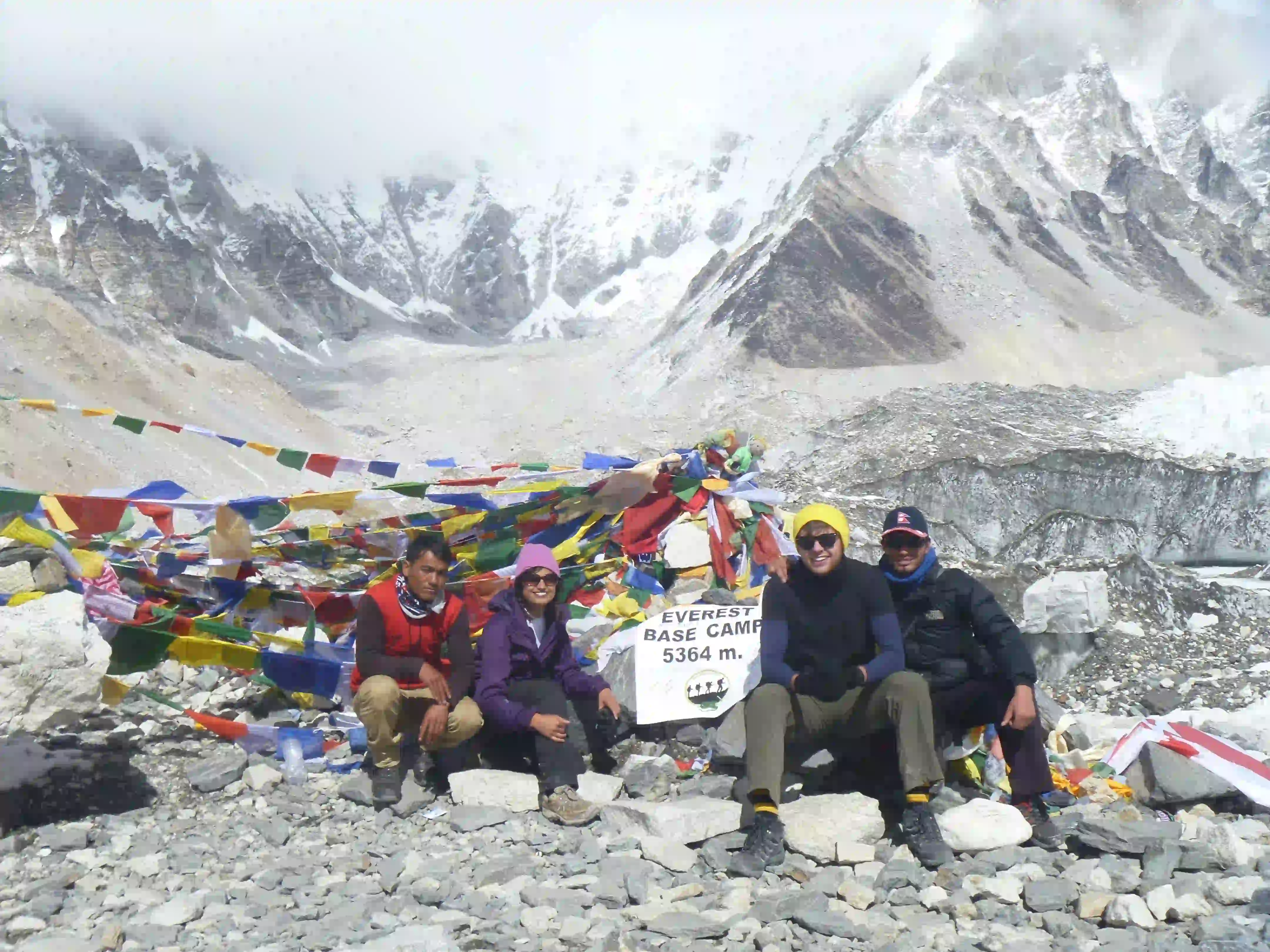
If you are planning to complete the 130 km round-trip trek to Everest Base Camp at 5,364 m in Nepal, your success largely depends on what you pack. The most efficient setup is a 70 L duffel bag carried by a porter or yak and a light 20–30 L daypack for your daily essentials such as water, snacks, documents, and electronic equipment.
To stay comfortable without carrying extra weight, choose multi-use equipment rather than duplicates. Bring 3–4 moisture-wicking tops, 2 trekking pants, 1 warm fleece or light down layer, and 1 insulated down jacket rated for cold Himalayan nights.
Add a waterproof shell jacket and pants, thermal base layers, a warm hat, sun hat, gloves, merino or synthetic socks (3–4 pairs), broken-in waterproof trekking boots, sunglasses, sunscreen SPF 50+, headlamp, personal medications, and a sleeping bag comfort-rated around -20°C if not renting one. This guide covers everything needed for spring, autumn, monsoon, and winter trekking conditions at Everest Base Camp without exceeding the recommended pack weight.
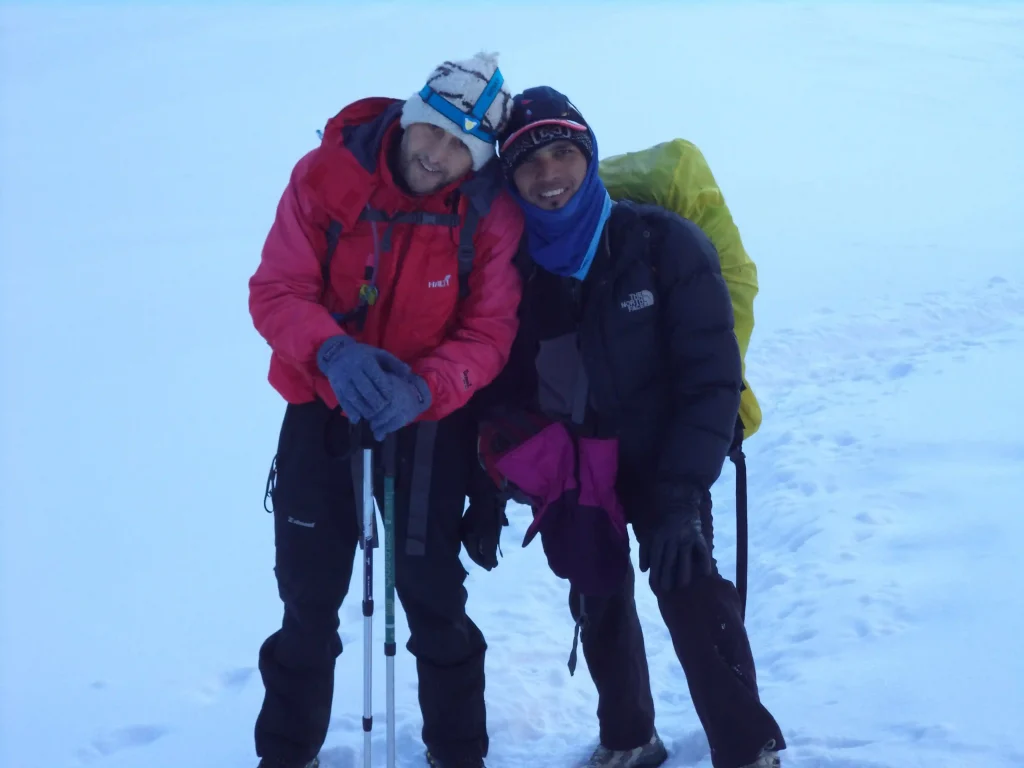
Everest Base Camp Trek Packing List at a Glance
Use the table below as a bare-minimum kit guide for fast packing and double-checking.
| Category | Item | Quantity | Requirements |
| Bags |
Duffel Bag Daypack | 1 1 |
70L soft-sided (for porter) 20L–30L with supportive hip belt |
| Clothes |
Base Layer Tops Base Layer Bottoms Trekking Pants Fleece Jacket Down Jacket Hardshell Jacket Hardshell Pants | 2 2 2 1 1 1 1 |
Merino wool or synthetic (no cotton) Merino wool or synthetic thermal leggings Quick-dry, lightweight, wind-resistant Mid-layer insulation for walking Insulated parka rated to -20°C Waterproof and windproof (Gore-Tex) Waterproof rain trousers |
| Extremities |
Trekking Boots Camp Shoes Hiking Socks Liner Gloves Sun Hat Thermal Beanie Neck Buff | 1 1 4 1 1 1 2 |
Ankle-high, waterproof, fully broken-in Sneakers or sandals Thick merino wool trekking socks Thin, touchscreen-compatible Wide-brimmed for UV protection Warm fleece or wool covering the ears Protects lungs against dry “Khumbu cough.” |
| Sleeping Gear |
Sleeping Bag Trekking Poles Headlamp | 1 1 1 |
4-season bag rated to -20°C Pair of adjustable poles High-lumen LED with extra batteries |
| Health and Safety |
Water Bottles Water Treatment Sunglasses Sunscreen & Lip First Aid Kit Hygiene Kit | 2 1 1 1 1 1 |
1L durable Nalgene bottles Chlorine dioxide tablets or Steripen UV400 Category 3 or 4 protection SPF 50+ sunscreen and SPF lip balm Blister plasters, Ibuprofen, Diamox Wet wipes, hand sanitizer, 2 toilet rolls |
| Documents |
Cash (NPR) Insurance Copy Passport | 1 1 1 |
Nepali Rupees (USD 25–30/day equivalent) Printed proof of helicopter rescue to 6,000m Valid physical passport + copies |
Duffel Bag and Daypack Weight for Everest Base Camp
The smartest approach of packing is to divide gear between a porter-carried duffel bag and a personal daypack. Our team will provide each participant with one 70L trekking duffel bag, with a baggage allowance of up to 12.5 kg. Porters carry this main bag, with one porter assigned to two trekkers. Your duffel should hold bulkier items such as spare clothing, sleeping gear, toiletries, and other items that you will only need at the teahouse each evening.
Your personal daypack should be much lighter and contain only the items you need during the day. A 20–30L daypack is sufficient for water, snacks, sunscreen, gloves, a camera, personal documents, and any medicines. For most trekkers, a planned Everest Base Camp packing strategy means carrying only daily essentials while leaving the rest of the items in the porter-carried duffel bag.
Essential Clothing for the Everest Base Camp Trek
For maximum temperature control and moisture management on the trail, your clothing should work as a complete layering system. Here we’ve outlined the most effective and field-tested clothing options for each layer.
Best Base Layers for the Everest Base Camp Trek
The Base layer sits directly against your skin. Its main purpose is to move sweat away from your body and keep you dry. Cotton should be avoided because it absorbs moisture and stays wet for a long time. For most trekkers, merino wool is the preferred choice because it stays warm even when slightly damp and resists odor during multi-day treks.
High-quality synthetic fabrics are also a good option. They dry quickly and are durable for day-after-day trekking. Whether you choose merino wool or synthetic materials, pick a light long-sleeve top and thermal bottoms made from either of them to regulate your body temperature from Lukla to Base Camp.
Insulating Layers for the Everest Base Camp Trek (mid layer)
The mid-layer traps your body heat. You will wear this while trekking on cool mornings or inside the teahouses before the rooms warm up in the evening. Unlike a waterproof shell, the main purpose of a mid-layer is to provide warmth and keep you comfortable enough for active trekking.
For most trekkers, a fleece or an insulated jacket is the best mid-layer option. A good mid-layer should keep you warm without feeling bulky and release body heat during uphill climbs. This prevents overheating while still providing enough insulation when temperatures fall.
Waterproof Jackets and Shells for Everest Base Camp
Strong winds, rain, and snowfall are possible even during the main trekking seasons. Your outer shell should be fully waterproof and windproof. A jacket with an adjustable hood works best because it can be worn comfortably over your base and insulating layers.
Waterproof trousers are equally important and are overlooked by first-time trekkers. They protect you when rain makes the trail dirty and keep your lower body warm at higher elevations. Look for trousers that are lightweight, easy to pack, and simple to pull on over trekking pants when needed.
Detailed Everest Base Camp Packing List
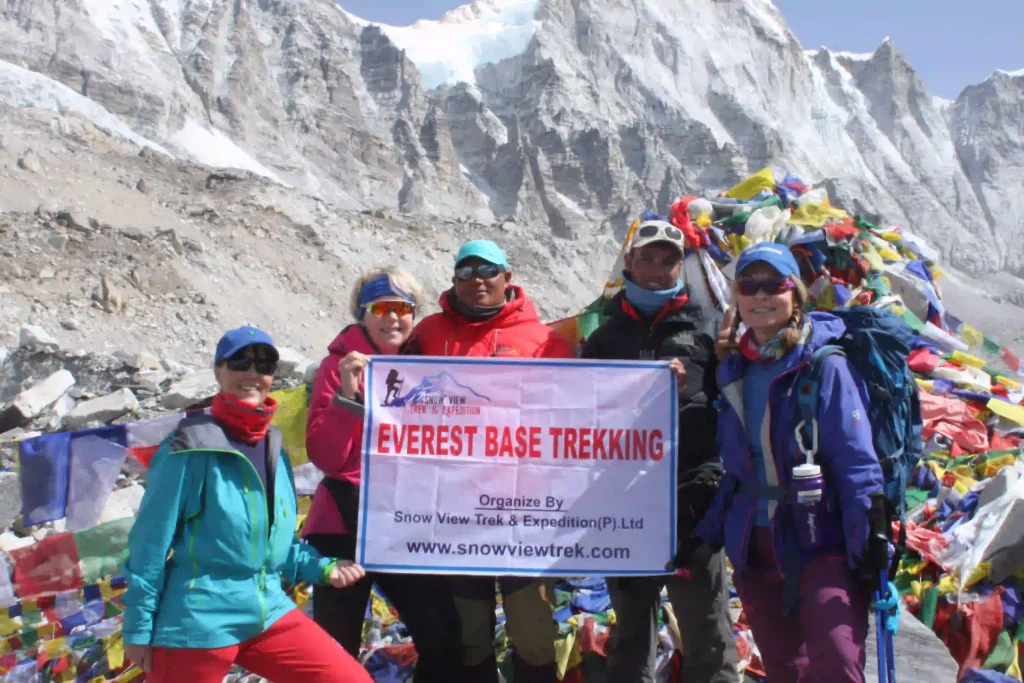
To survive the alpine climate of the Everest region, you must protect your body from two things: UV radiation that burns skin and causes snow blindness, and sub-zero temperatures that drain body heat. Below is a detailed breakdown of upper body, lower body, and accessory gear to protect you from the sun and cold.
Sun and Radiation Protection
- Category 3 or 4 Glacier sunglasses with UV400 protection
- SPF 50+ Sunscreen
- SPF 30+ Lip Balm
- Wide-Brimmed Sun Hat
- UPF 50+ Sun Hoody
Upper Body Clothing
- Moisture-wicking base layer tops (2–4)
- Lightweight trekking shirts
- Fleece or insulating mid-layer jacket
- Lightweight down or insulated jacket
- Waterproof and windproof shell jacket
- Long-sleeve thermal top
- Light casual top (for teahouses)
Lower Body Clothing
- Merino wool or synthetic leggings
- Durable, stretch-nylon or softshell trousers
- Convertible Zip-Off Pants (optional)
- Lightweight, waterproof, and windproof trousers
- Full-Length Side Zippers
- Low-Profile Gaiters
Essential Winter Accessories for the Everest Base Camp Trek
- Heavy fleece or wool hat
- Light hiking hat or baseball cap with a neck flap
- Merino Wool Buffs
- Light merino or synthetic gloves
- Windproof, waterproof ski or mountaineering glove
- Slip-on rubber trail spikes
What Footwear Should You Pack for Everest Base Camp?
- Waterproof, fully broken-in Trekking Boots
- Sneakers, running shoes, or insulated slip-ons
- Heavy Merino Wool Socks
- Synthetic or thin merino liner socks
- Low-Profile Gaiters
- Spare Boot Laces (optional)
Choosing the Right Sleeping Bag for Everest Base Camp
A sleeping bag rated around -20°C is the safest option for staying comfortable and protected during the freezing nights on the Everest Base Camp trek. This is important because tea houses have very basic rooms with thin walls, and although they provide blankets, they are not enough to keep you warm in places like Gorakshep or Lobuche.
For insulation, down-filled sleeping bags are recommended because they are very warm and easy to pack. A bag with high fill power also offers strong heat retention even in extreme cold conditions. A mummy-shaped design is also important as it fits closely to your body and reduces heat loss during the night. We also provide a sleeping bag if needed, but you are welcome to bring your own based on your preferences and quality requirements.
Technical Gear for the Everest Base Camp Trek
The Everest Base Camp trek is a high-altitude mountain walk rather than a technical climb. You do not need technical mountaineering gear like ice axes, ropes, or climbing harnesses. However, you do need high-quality trekking hardware to maintain balance and navigate dark trails.
- Adjustable Trekking Poles: To improve balance and reduce pressure on knees by 25%
- Microspikes / Trail Spikes: To traverse icy areas, frozen streams, and hard-packed snow safely
- High-Lumen LED Headlamp: For navigating around dark teahouses and pre-dawn summit push up Kala Patthar
- Lithium Batteries: Stay powered for longer without frequent recharging
- Heavy-Duty Nalgene Bottles: Can handle boiling water poured straight into them
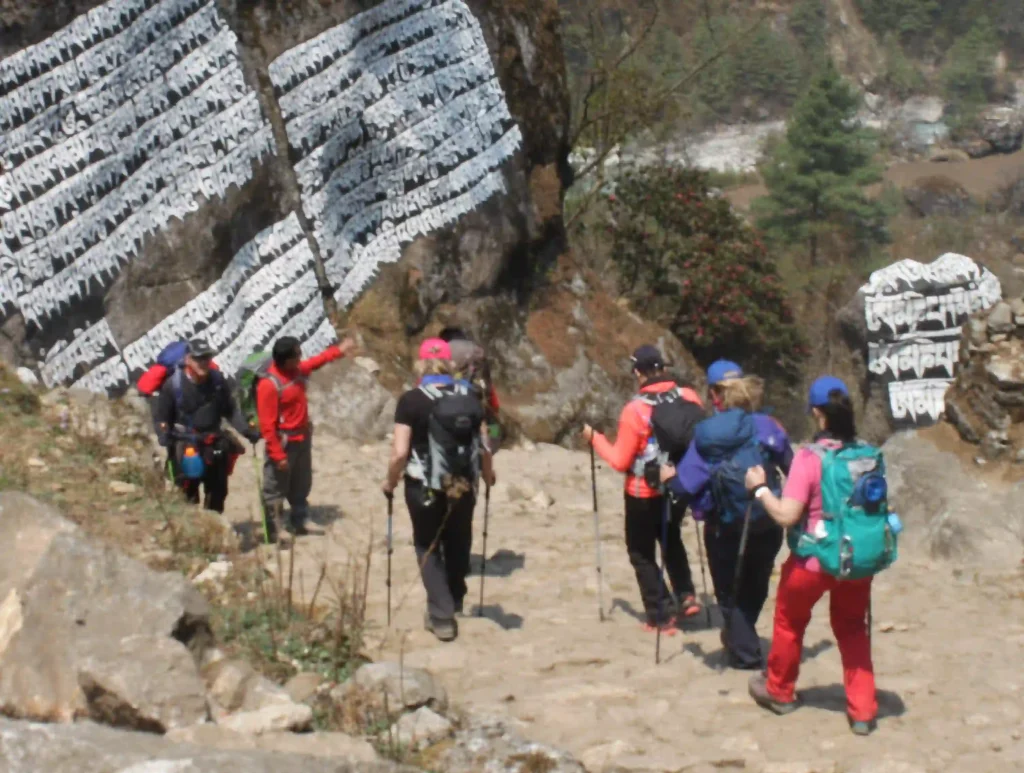
Everest Base Camp Gear Rental vs Purchase Guide
Whether you should rent or buy EBC gear depends on your future trekking plans. If this is your only major Himalayan adventure, renting can save a huge amount of money. However, if you enjoy hiking and expect to take more mountain trips, buying your own equipment provides long-term value.
| Rental Items (USD 1 = NPR 150) | Buying Items |
|
Sleeping Bag (USD 3–5 per day) Heavy Down Jacket (USD 5–10 per day) Trekking Poles (USD 3–5 per day) Duffel Bag (USD 3–5 per day) Crampons (USD 3–5 per day) Down Pants (USD 2–10 per day) Microspikes (USD 5–10 per day) |
Base Layers (thermal tops and bottoms) Hiking Boots & Socks Underpants Gloves and Liners Trekking Pants T-shirts and Trekking Shirts Sun Hat, Beanie, and Sunglasses Water Bottles and Hydration Bladders |
Essential Paperwork for the Everest Base Camp Trek
Before traveling to Nepal, make sure you have all the required personal documents ready. You should have a passport valid for at least 6 months from your date of arrival, and 2–4 photocopies in case of loss or permit checks. You will also need a Nepal tourist visa, which can be obtained on arrival at Tribhuvan International Airport or in advance through a Nepalese embassy before traveling to Nepal.
In addition, carry proof of high-altitude travel insurance that covers trekking up to at least 6,000 m and includes helicopter evacuation. 2–4 passport-sized photos are also useful for permits, identification, or other travel-related paperwork.
These are the essential documents you should bring from your home country. Once you arrive in Nepal, you need to obtain two additional permits before starting the Everest Base Camp trek. The first is Khumbu Pasang Lhamu Rural Municipality Entry Permit, and the second is Sagarmatha National Park Entry Permit.
What’s Included in Your Everest Base Camp Trek Package?
Here is a clear breakdown of what is covered by the Snow View Trek (SVT) package and what you need to arrange yourself for the Everest Base Camp trek.
| Included by SVT | Bring Yourself |
|---|---|
| Free use of a down jacket and sleeping bag Medical kit with oxygen monitoring (oximeter) Emergency rescue coordination assistance (insurance-based) One trekking duffel bag (70L per person) Everest Base Camp map and T-shirt | Personal trekking clothing (base layers, fleece, down jacket, shell jacket, thermal wear, trekking boots) Trekking poles Sleeping bag (recommended for personal comfort) Daypack (20–30L for daily essentials) Hygiene and safety equipment Snacks and energy bars Power bank and charging cables Personal medications (if required) |
EBC Seasonal Packing Differences
| Season | What to Add to Your Pack | What to Leave Home or Swap |
| Spring (Mar–May) | Extra sunscreen and a wide hat Polarized sunglasses Extra wet wipes (very dusty trails) | Heavy winter face mask Cold-weather camp booties |
| Autumn (Sept–Nov) | Regular trekking clothes Light windbreaker jacket Light buff/neck warmer | Rain pants and gaiters Thick thermal underpants |
| Winter (Dec–Feb) | Thick thermal underpants Hand and foot warmers Fleece balaclava or heavy face mask Extra camera batteries (cold drains them) | Light summer hiking shorts Thin, single-layer sleeping bags |
| Monsoon (Jun–Aug) | Waterproof jacket and rain pants Pack cover and waterproof dry bags Trail gaiters Anti-leech spray or extra salt | Down jackets that are not waterproof Solar chargers (too cloudy) |
Packing Mistakes First-Time Everest Base Camp Trekkers Make
Many first-time trekkers focus on what to pack but overlook common mistakes that can completely ruin their trek. Avoid these common mistakes that first-time hikers make to stay safe and on track throughout your journey:
- Avoid cotton clothing: Cotton absorbs sweat, stays wet, and can make you feel cold.
- Do not hike in brand-new boots: Always break in your trekking boots before arriving in Nepal to reduce the risk of painful blisters.
- Avoid overpacking your duffel bag: Extra weight puts unnecessary pressure on porters.
- Do not carry a heavy daypack: Only pack daily essentials such as water, snacks, layers, and personal items.
- Do not rely on a down jacket alone: A waterproof and windproof outer shell is also needed for rain, snow, and wind.
- Carry enough cash from Kathmandu: Cash machines in the Everest region may not always be available or working.
- Do not ignore sun protection: A sun hat, sunscreen, and lip balm are essential because UV exposure is serious here.
Start Your Everest Base Camp Adventure Fully Prepared
Overpacking is one of the most common mistakes trekkers make on the Everest Base Camp trek. Every item in your backpack should have a clear purpose, and leaving heavy clothes or unnecessary cosmetics behind in Kathmandu will make your journey to the Khumbu Valley far more comfortable.
With the right gear and a planned itinerary, you’ll be better prepared to focus on the experience rather than your backpack. If you’re looking for a professionally organized Everest Base Camp trek with expert guides, proper acclimatization, and logistics, Snow View Trek (SVT) is here to help you make the most of your Himalayan adventure.
Everest Base Camp Trek Packing List FAQs
Can I bring my favorite battery-heated socks or gloves?
How do I prevent my wet wipes from turning into solid blocks of ice?
Is it safe to pack a regular aerosol deodorant can?
Do I need to pack a tube of superglue for my shoes?
Can I bring an inflatable camping mattress for extra comfort?