search
search

Tilicho Lake with Annapurna Circuit Trek – 16 Days

globe_location_pin

Country

Nepal

calendar_clock

Duration

16 days Days

avg_pace

Difficulty

Challenging(due to Tilicho Lake side trip and Thorong La Pass)
partly_cloudy_day

Best Season

Oct, Nov, Dec, Feb, Mar, Apr, May

conversion_path

Start / End Point

Kathmandu / Kathmandu

landscape_2

Max. Altitude

5,416m (Thorong La Pass)

landscape

Nature Of Trek

Lodge to Lodge trekking

footprint

Activity

Trekking

directions_walk

Trek Duration

20

location_on

Region

Annapurna Region

groups

Group Size

2 - 20

code_blocks

Trip Code

SVTAT09

hiking

Activity Per Day

5–7 hours walking

home

Accommodation

Hotel + Teahouse/lodge
flatware

Meals Included

Breakfast, Lunch, Dinner
local_taxi

Transportation

Bus,Flight

editor_choice

Recommended For

Trekkers with prior high-altitude trekking experience, strong physical fitness, and interest in combining adventure with cultural immersion

16 days Tilicho Lake with Annapurna Circuit Trek Highlights

  • Drive to Dharapani (1,860m), the entrance to the Annapurna Circuit, encircled by valleys, rivers, and villages on the hillside.
  • Wander through Gurung and Tibetan-like villages, including monasteries, prayer wheels, mani walls, and apple orchards.
  • Reach Chame (2,670m), and Upper Pisang (3,200m) with cliffs, pine trees, and suspension bridges as the main elements of the landscape.  
  • Reach Manang (3,540m), the base of acclimatization, with optional ways to reach Ice Lake (4,600m) or Tilicho Base Camp (4,150m).  
  • Visit Tilicho Lake (4 920m) with its crystal blue waters and snow-capped mountains.  
  • Go on to Yak Kharka (4,050m) and Thorong Phedi (4,450m) via alpine meadows and pastures of the yaks.
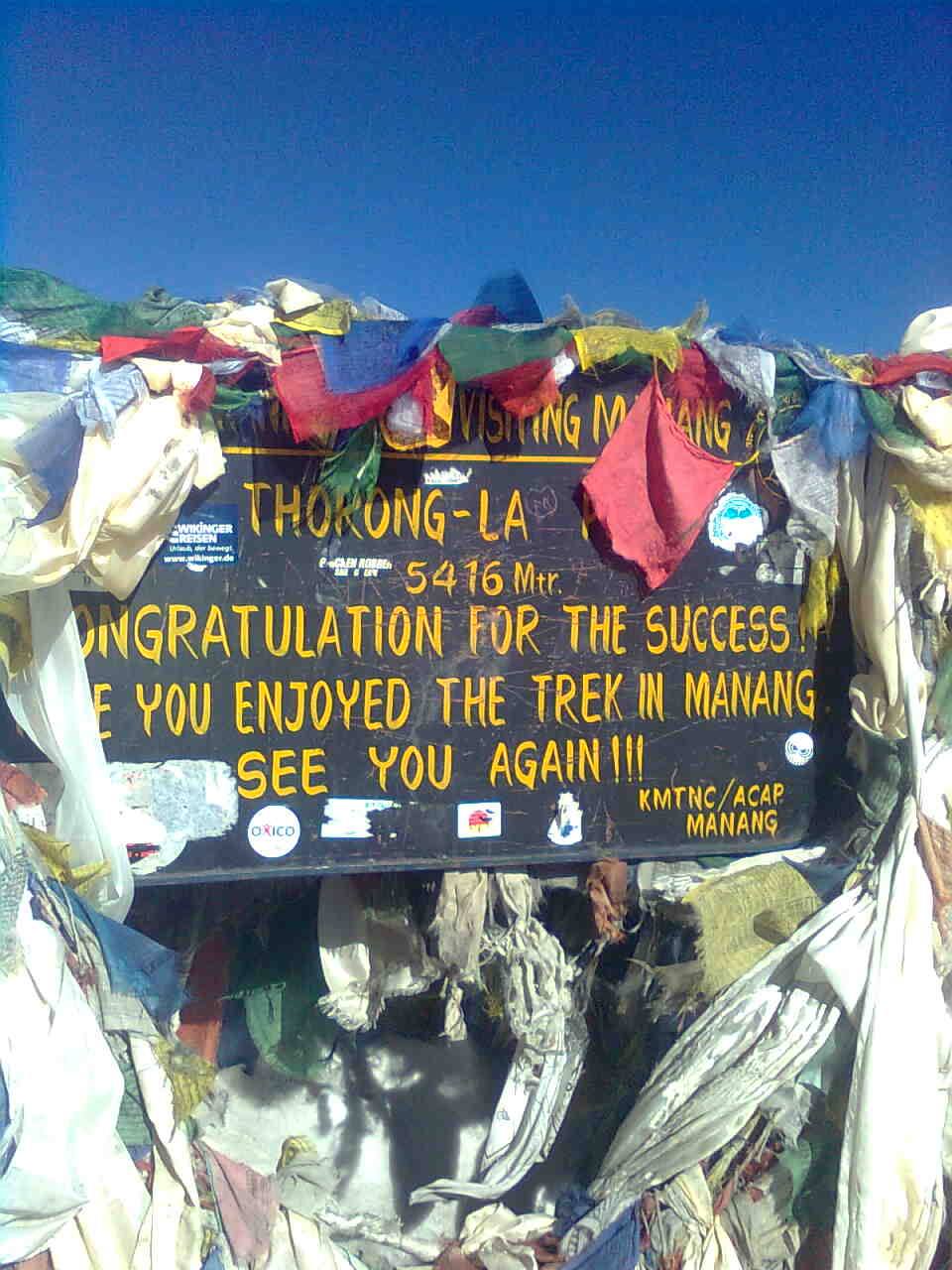
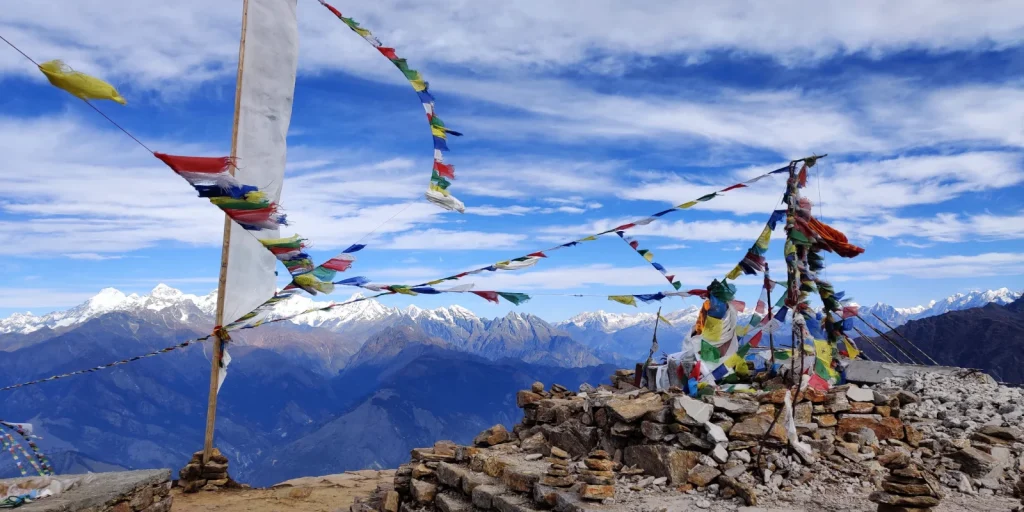
  • Cross Thorong La Pass (5,416m), the highest point of the trek, where the views are best enjoyed in the morning, with praying flags and expansive Himalayan mountain ranges.  
  • Go down to Muktinath (3,800m), a holy pilgrimage site with temples, monasteries, and 108 water spouts, and pass through the Kali Gandaki Valley to Pokhara.

The Tilicho Lake with Annapurna Circuit Trek is a 16-day Himalayan adventure that combines the classic Annapurna loop with a visit to one of the highest glacial lakes in the world. This trek takes you from lush green valleys to the high, rocky landscapes of Manang, giving you a full experience of the Annapurna region.

Your journey to Tilicho Lake and Annapurna Circuit starts with a scenic drive from Kathmandu to Dharapani, where the trek begins along the Marsyangdi River. You’ll walk through ancient forests, cross suspension bridges, and explore traditional Gurung and Tibetan villages. Terraced hills gradually turn into alpine ridges, decorated with chortens and prayer flags.

Upon reaching Manang (3,540m), the focus shifts to strategic acclimatization. You will explore local monasteries, visit the mountain bakeries, and prepare for the climb ahead. The trek then leads to Tilicho Lake (4,920m), a stunning turquoise glacial lake surrounded by towering peaks. Standing at the lake is a reward for all your hard work, offering views that are truly unforgettable.

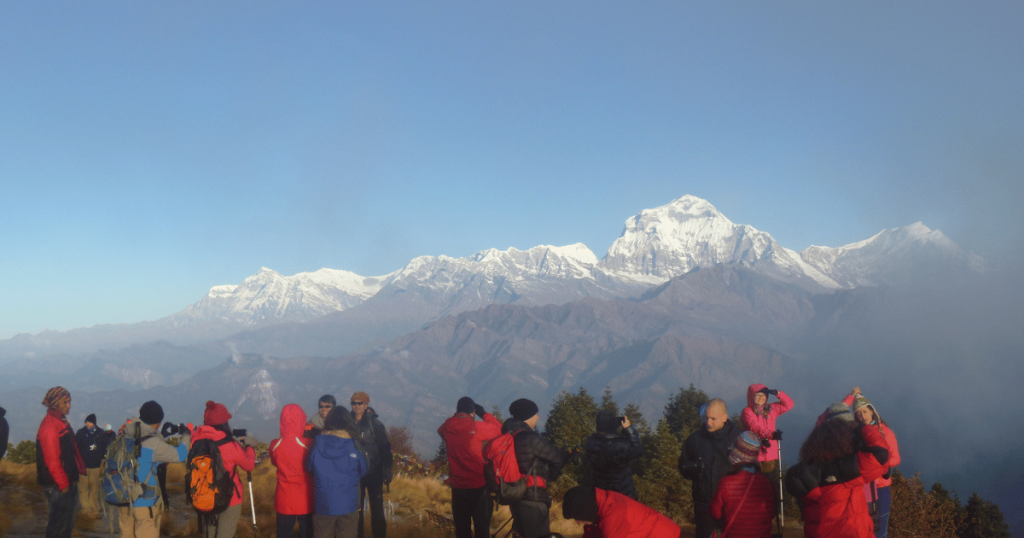
After leaving Tilicho Lake, the Annapurna Circuit and Tilicho Lake trail reconnect with the Annapurna Circuit. You’ll pass through alpine meadows and yak pastures on the way to Thorong Phedi, the base for Thorong La Pass (5,416m). Starting before dawn, you’ll climb under headlamps to reach the pass, watching the sunrise over Dhaulagiri and Nilgiri.

The descent from Thorong La Pass takes you to Muktinath, a sacred place where 108 holy spouts and eternal flames show the harmony between Hinduism and Buddhism. From there, you’ll follow the Kali Gandaki Valley, passing through Kagbeni and Jomsom, before enjoying the hot springs at Tatopani. Your trek ends in Pokhara, the perfect spot to relax and celebrate your high-altitude achievement.

Detailed Tilicho Lake with Annapurna Circuit Trek 16 Days Itinerary

Day 01 :

Arrive at Kathmandu (1,324m) and transfer to your hotel

road

Drive Distance

5 - 6km

departure_board

Drive Duration

25 - 30 minutes airport transfer

altitude

Highest Altitude

1,324m

home_pin

Place

Kathmandu

Upon arrival at Tribhuvan International Airport, our representative will meet you and transfer you to your hotel in Kathmandu. Take the rest of the day to relax and recover from your flight. You can also use this time to explore nearby streets, enjoy the city vibe, or prepare for the trekking adventure ahead.

Day 02 :

Drive from Kathmandu (1,324m) to Dharapani (1,860m)

road

Drive Distance

230km

departure_board

Drive Duration

8-10 hours

altitude

Highest Altitude

1,860m

home_pin

Place

Dharapani

Today, you begin your journey into the Annapurna region with a scenic drive from Kathmandu to Dharapani along the Prithvi Highway. The road takes you through the rivers, terraced farmlands, and towns along the way, with the local people in and around. Moving further into the Marsyangdi valley, the view shifts as waterfalls cascade behind the cliffs, and Lamjung Himal comes into view in the distance. The highway passes through Mugling, Dumre, and Besisahar, slowly acquainting you with the scenery of the Annapurna region.

Dharapani is a small village influenced by Gurung and Tibetan culture, and serves as the gateway to the Annapurna Circuit. The architecture, stone houses, prayer flags, and ancient methods of farming explain the way of life here, and the cold mountain air tells you of the beginning of your journey. The environment is calm but lively, and the locals invite you to their teahouses and provide a preview of life in the highland.

Day 03 :

Trek from Dharapani (1,860m) to Chame (2,670m)

directions_walk

Trek Distance

15km

av_timer

Trek Duration

7-8 hours

altitude

Highest Altitude

2,670m

home_pin

Place

Chame

On Day 3, your trek follows the Tilicho Lake with the Annapurna Circuit trail toward Chame. Along the way, you’ll see stone houses decorated with prayer flags and mani walls, blending local culture with nature. The terraced fields and apple orchards reflect the careful farming in the cool mountain air. Small monasteries along the path often play Buddhist chants, and monks in crimson robes can be seen walking peacefully through the villages.

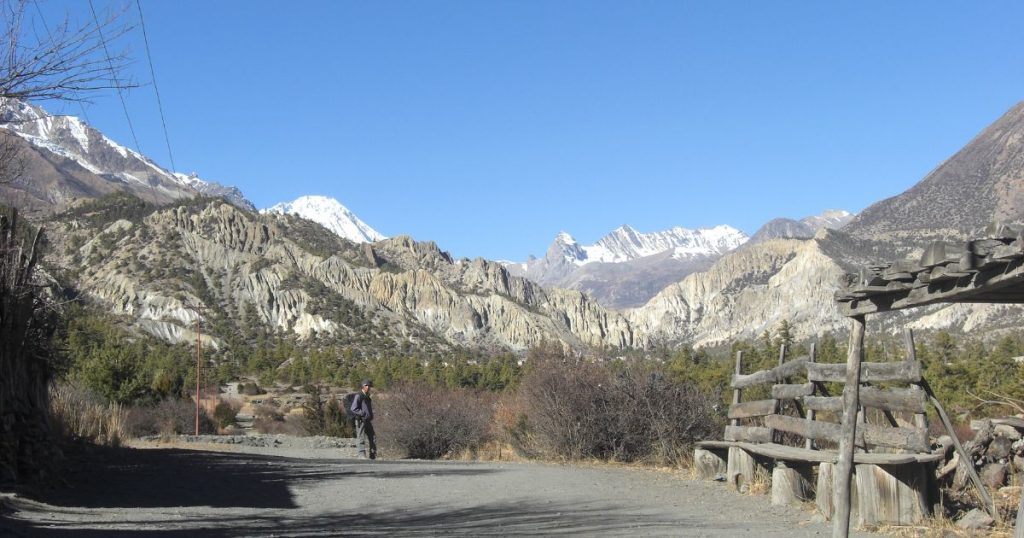
The trail passes through pine and fir forests, with the Marsyangdi River flowing beside you. Small settlements are connected by suspension bridges, and the sound of rushing water accompanies your ascent.

Chame, your destination for the day, welcomes trekkers with a bustling bazaar, spinning prayer wheels, and spectacular views of Annapurna II. The village’s culture is deeply rooted in Tibetan Buddhism, and everyday life revolves around farming, herding, and worship.

Day 04 :

Trek from Chame (2,670m) to Upper Pisang (3,200m)

directions_walk

Trek Distance

14-15km

av_timer

Trek Duration

6–7 hours

altitude

Highest Altitude

3,200m

home_pin

Place

Upper Pisang

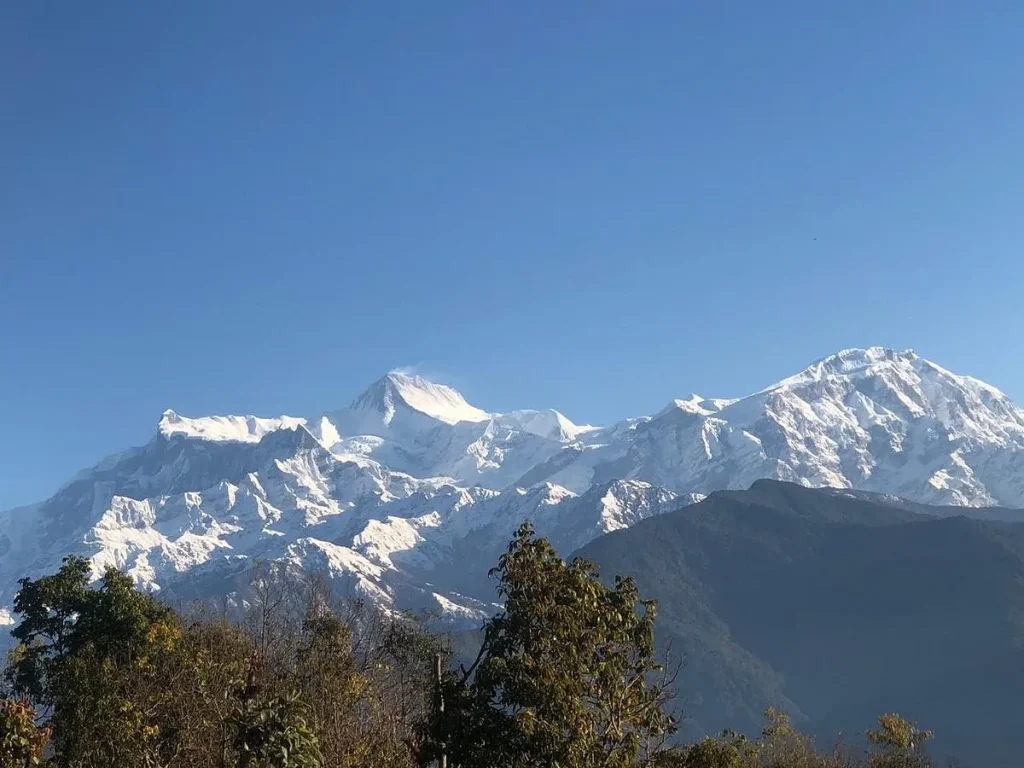
Today, the trail ascends gently from Chame through forests and small valleys, opening up to wide, scenic landscapes. The route passes apple orchards, stone houses, and small monasteries, where the ringing of bells adds a peaceful sound to the hills. Annapurna II and IV dominate the skyline, their snow-covered peaks sparkling in the sunlight.

Upper Pisang itself has Tibetan-style architecture, with houses built on dry hills and a monastery perched above the valley. The atmosphere here is serene and spiritual, and you will start to notice the effects of the higher altitude. Take your time, walk slowly, and stay hydrated.

This day is especially memorable for the panoramic views of the Marsyangdi Valley, seen best from the monastery, offering a perfect blend of natural beauty and local culture.

Day 05 :

Trek from Upper Pisang (3,200m) to Manang (3,540m)

directions_walk

Trek Distance

15-16km

av_timer

Trek Duration

7-8 hours

altitude

Highest Altitude

3,540 m

home_pin

Place

Manang

As you leave Manag, the Tilicho Lake and Annapurna Circuit Trek path leads to Ghyaru and Ngawal, then over steep puffs of stone to ridges above the Marsyangdi Valley. These villages are full of Tibetan culture, and the paths are lined with monasteries, chortens, and mani walls. The highlanders dress in traditional woolen attire, and the yak-cadres traverse the ridges at a very slow pace, which mirrors the strength of highland living.

Coming into the town of Manang, you come across a cultural center with Tibetan-infused houses bordering the valley. Prayers are said in monasteries daily, bakeries are full of apple pies and butter tea, and traders are telling tales of life in the mountains. The location is vibrant and spiritual, and Manang will be not only a place of acclimatization but also a place of immersion in the practices of the Annapurna highlands.

Day 06 :

Acclimatization and Rest day in Manang (3,540m)

altitude

Highest Altitude

3,540m

home_pin

Place

Manang

Today is your first acclimatization day on the Tilicho Lake with Annapurna Circuit Trek. Resting in Manang helps your body adjust to the higher altitude. You can take short hikes to Gangapurna Lake or Bhojo Gompa, slowly ascending and returning to the village. These easy walks reward you with glaciers, ice rivers, and towering mountain views, while preparing your body for the more demanding trekking days ahead.

Manang itself is a cultural hub, with Tibetan-style houses, centuries-old monasteries, and a lively market. You’ll see yak caravans passing through narrow streets and barley fields covering the valley. The locals are friendly and welcoming, and visiting bakeries, museums, and prayer halls adds more interest to your stay. This day offers a perfect balance of rest, light adventure, and cultural exploration, making it both fun and essential for acclimatization.

Day 07 :

Trek from Manang (3,540m) to Siri Kharka (4,060m)

directions_walk

Trek Distance

10km

av_timer

Trek Duration

4–5 hours

altitude

Highest Altitude

4,060m

home_pin

Place

Siri Kharka

Today, the Tilicho Lake and Annapurna Circuit Trek trail gradually climbs out of Manang, passing through alpine meadows, rocky paths, and small villages. Stone houses adorned with prayer flags line the way, and the atmosphere becomes crisper and more serene as you ascend. The terrain starts to look more rugged, with fewer trees and steeper hills, reminding you of the effects of high altitude.

Siri Kharka is a small, peaceful village surrounded by grazing yaks and open fields. The local culture here is simple and resilient. From the village, you’ll enjoy spectacular views of Gangapurna, Tilicho Peak, Annapurna II, III, IV, Chulu East, Chulu Far East, Pisang Peak, and Khangsar Peak.

Along the trail, you may stop at a teahouse in Khangsar for a hot drink and rest. Take your time, walk slowly to adjust to the thin air, and enjoy the majestic alpine scenery, which gives a glimpse of the route ahead toward Tilicho Base Camp.

Day 08 :

Trek from Siri Kharka (4,060m) to Tilicho Base Camp (4,150m)

directions_walk

Trek Distance

6–7km

av_timer

Trek Duration

4 hours

altitude

Highest Altitude

4,150m

home_pin

Place

Tilicho Base Camp

The path narrows to rocky, loose-stone tracks that require attention and a slow pace. You pass areas of landslides where the cliffs soar high above, and the scenery is dramatic and keeps you alert. The atmosphere is untamed and unclean, and the snow peaks seem to grow larger as you get closer to the base camp.

Tilicho Base Camp is a small tourist town built to serve trekkers visiting the lake. The ambiance is simple but friendly, and the teahouses are cozy with simple food. Life here is tough, and locals survive mainly through yak herding and trade, reflecting the resilient spirit of the high Himalayas.

From the base camp, enjoy spectacular views of Gangapurna, Tilicho Peak, Khangsar Peak, Chulu East, Chulu Far East, and Pisang Peak. Be prepared for strong winds in the afternoon and very cold temperatures, so dress warmly and take your time to soak in the beauty of this high-altitude landscape.

Day 09 :

Trek from Tilicho Base Camp (4,150m) to Tilicho Lake (4,920m) and return to Siri Kharka (4,060m)

directions_walk

Trek Distance

12km

av_timer

Trek Duration

5–7 hours

altitude

Highest Altitude

4,920m

home_pin

Place

Siri Kharka

Today is a high-altitude challenge as you trek to Tilicho Lake, sitting at 4,920m. The trail is narrow and steep, and the thin mountain air makes the climb more demanding. Thus, you will start early, around 5:00 AM, to make the most of calm morning conditions.

As you ascend, enjoy stunning views of snow-capped peaks surrounding the amphitheater of the lake. Finally, the crystal-clear blue waters of Tilicho Lake appear, a sight that leaves every trekker in awe. Take time to rest, take photos, and soak in the solitude and beauty of this unique place. After that, you will return to Siri Kharka.

The return trek to Siri Kharka is easier but still rewarding, with the lake and mountains leaving a lasting impression. Be careful on landslide-prone sections, and walk slowly while staying hydrated. Carry warm clothing, snacks, and descend immediately if you feel unwell. Siri Kharka offers a peaceful retreat, where you can relax and reflect on one of the most memorable experiences of your trek.

Day 10 :

Trek from Siri Kharka (4,060m) to Yak Kharka (4,050m)

directions_walk

Trek Distance

8.5km

av_timer

Trek Duration

5–6 hours

altitude

Highest Altitude

4,060m

home_pin

Place

Yak Kharka

On this day, the Tilicho Lake trek route reunites with the standard Annapurna Circuit, taking you through the alpine meadows and the yak pastures. The road is straight, and the fresh air brings the sound of the bells that are tied to grazing animals. The path is decorated with prayer flags, and the scenery of snow peaks stays the same as you progress.

Yak Kharka is a village characterized by a pastoral way of life. People rely on yak herding and seasonal trade, and their culture is based on simplicity and survival. It is very peaceful, the skies are broad and the plains open, as you get ready to proceed to the greater ascent of Thorong Phedi.

Day 11 :

Trek from Yak Kharka (4,050m) to Thorong Phedi (4,450m)

directions_walk

Trek Distance

6-7km

av_timer

Trek Duration

3-4 hours

altitude

Highest Altitude

4,450m

home_pin

Place

Thorong Phedi

The road out of Yak Kharka rises slowly over alpine meadows upon which the yaks graze under clear skies with their bells ringing softly in the clear air. Mani walls and prayer flags are on the way, and the barren slopes and rocky paths remind you of the increasing effect of the altitude. The landscape turns more distant, but the silence of the highlands is extremely spiritual.

The trail has narrow paths, rocky sections, and small landslide zones, so walk slowly and drink plenty of water. Stop for hot drinks along the way, and if you feel unwell, descend instead of pushing too hard. From the trail, enjoy views of Gangapurna, Annapurna II, III, IV, Tilicho Peak, Khangsar Peak, Chulu East, Chulu Far East, and Pisang Peak. Thorong Phedi is a small village tucked at the base of the pass. There is a sense of excitement in the air, as everyone prepares for the big crossing of Thorong La Pass.

Day 12 :

Trek from Thorong Phedi (4,450m) to Muktinath (3,800m) via Thorong La Pass (5,416m)

directions_walk

Trek Distance

15-16km

av_timer

Trek Duration

8-10 hours

altitude

Highest Altitude

5,416m

home_pin

Place

Muktinath

The day starts earlier than dawn at 4:00 AM with an uphill, steep climb toward Thorong La Pass. The track cuts through icy ridges, and prayer flags rippling in the cold breeze, and the sun rising in the sky casts Nilgiri and the Annapurna block in golden light. The most difficult and satisfying part of the trek is to reach the pass at 5,416m, and view the panorama of snow peaks and valleys.

The road descends from the pass and leads to Muktinath, a holy pilgrimage site for both Hindus and Buddhists. Its spiritual atmosphere is characterized by temples, monasteries, and the well-known 108 water spouts. Devotional songs of pilgrims, the light of the monks’ butter lamps, and the combination of religion and the beauty of nature make Muktinath a place of great cultural and spiritual importance.

Day 13 :

Drive from Muktinath (3,800m) to Pokhara (820m)

road

Drive Distance

173km

departure_board

Drive Duration

6–7 hours

altitude

Highest Altitude

3,800m

home_pin

Place

Pokhara

The Muktinath drive runs along the Kali Gandaki Valley, the deepest in the world. The path is bordered by villages such as Kagbeni and Jomsom, where stone houses and monasteries reflect centuries of Tibetan culture. There are waterfalls cascading down the cliffs, and the broad riverbed shines in the sun, marking the beginning of the high terrain giving way to valleys with fertile soils.

You will find the Himalayas and the serenity of the lakeside in Pokhara. It is a culturally vibrant city with Hindu temples and Buddhist shrines, as well as crowded marketplaces and cafes. The serene setting of Pokhara offers relief after days of strenuous ups and downs, and the natural beauty of Phewa Lake and the hills around it is a relaxing sight.

Day 14 :

Sightseeing and Rest Day in Pokhara (820m)

altitude

Highest Altitude

820m

home_pin

Place

Pokhara

The day is to be spent in rest and exploration in Pokhara. You may walk around Phewa Lake, where the colorful boats are paddling over the water, and Machhapuchhre is reflected in the distance. The experience is enhanced by visits to the World Peace Pagoda, caves, and waterfalls, and combines the beauty of nature with the richness of culture.

Pokhara is a diverse culture with Hindu temples, Buddhist shrines, and bustling bazaars that are worth giving an insight into life. The atmosphere is less tense but still active, and the presence of cafes, restaurants, and views on the lakes creates the ideal balance of relaxation and thought. It is a day of praising the path traveled and getting lost in the unity of nature and culture.

Day 15 :

Drive from Pokhara (820m) to Kathmandu (1,324m)

road

Drive Distance

200km

departure_board

Drive Duration

6–8 hours

altitude

Highest Altitude

1,324m

home_pin

Place

Kathmandu

The road trip between Kathmandu and Pokhara is done via the Prithvi Highway, which cuts across the river valleys and terraced hillsides. The road cuts through the small towns and villages. There are waterfalls cascading from the cliffs, and the Trishuli River runs along the road, enhancing the long ride with natural beauty.

In Kathmandu, everything changes to the city’s bustling hustle. Temples and shrines are set on top of hectic streets, and the marketplaces are filled with people and color. The city is vibrant and feels like home after spending some days in the mountains, and it offers a last opportunity to experience Nepalese culture.

Day 16 :

Departure from Kathmandu (1,324m)

On your last day, a representative takes you to Tribhuvan International Airport for your departure. The brief ride takes one through the streets of Kathmandu, with morning prayers, traders setting up their stalls, and the bustle of daily life all evoking a beat that is Kathmandu.

The images of snow peaks, alpine villages, sacred temples, and calm lakes are clear as you go. The expedition is not just about reaching Tilicho Lake and crossing Thorong La Pass, but also about an enduring association with Nepal’s culture and natural charm.

Cost Includes

By selecting the Tilicho Lake and Annapurna Circuit 16-Day Trek with us, you can count on a well-organized adventure that offers a relaxing, culturally enriching experience, safety, and comfort.

Transportation During the Trip:

  • All ground transport in a private vehicle, including airport and hotel transfers.
  • Drive from Kathmandu to Dharapani and Muktinath to Pokhara by Local transport
  • Drive from Pokhara to Kathmandu by Tourist bus

 Trek Permits and Expenses:

  • Annapurna Conservation Area Permit (ACAP) and TIMS card.  
  • All local municipality charges, government taxes, and official expenditures. 

Accommodation:

  • In Kathmandu, accommodations on a twin/double sharing basis with breakfast
  • Pokhara accommodation on twin/double sharing basis with breakfast
  • During Trek: Total 12 nights (five nights in a comfortable room at Dharapani, Pisang, Manang(2 Nights), Muktinath with a private attached bathroom, and 7 Night Standard rooms) on a twin/double sharing basis

Meals and Hot Drinks:

  • Breakfast in Kathmandu and Pokhara
  • Full board meals during the trek (Breakfast, lunch, and dinner)
  •  Fresh seasonal fruit after dinner
  • Farewell dinner at the end of the trek

Professional Guide and Porter Team:

  • Licensed English-speaking trekking guide.
  • Assistant guide for groups of 12.
  • Porter service: 25 kg luggage allowance per two you will.
  • Staff insurance, salary, food, and accommodation are included.

Medical Support and Safety:

  • First-aid kit with oximeter for altitude monitoring.
  • Assistance in rescue operations (covered by insurance).

Equipment and Extras:

  • Use of a down jacket and sleeping bag if required.
  • One trekking duffel bag (70 L) per participant.
  • Complimentary Annapurna Circuit route map, T-shirt, and appreciation certificate upon trek completion.


Cost Excludes

To help you plan and budget for the Tilicho Lake and Annapurna Circuit Trek, below you will find some of the services and costs that are not included in the package:

International Flight: 

  • International flight costs to and from Nepal are excluded.

Extra Accommodation in Kathmandu & Pokhara:  

  • Any hotel upgrades are not included.
  • Extra nights due to early arrival, late departure, or early return from the trek are excluded.

Meals in Kathmandu & Pokhara: 

  • All meals (Breakfast, Lunch, and Dinner) before and after the trek are excluded unless specified.

Nepal Visa

  • Nepal Entry Visa fees on arrival: 15 days – $30, 30 days – $50, 90 days – $125.

Personal Trekking Gear:  

  • Clothing and equipment such as jackets, trekking poles, gloves, and boots are not provided.

Travel Insurance

  • Mandatory but not included. Must cover high-altitude rescue, medical treatment, cancellations, and repatriation.

Personal Expenses on the Trek:  

  • Shopping, souvenirs, snacks, extra drinks, hot showers, Wi-Fi, device charging, and extra porter hire are excluded.

Filming and Drone Fees:

  • Costs for cameras, drones, or filming permits required by local authorities are not included.

Extra Activities & Customized Services

  • Private tours, excursions, or services not mentioned in the itinerary are excluded.

Tips for Guides and Porters

  • Tips are customary and appreciated, but the amount is at your discretion

Departure

Private Trip

Prefer a more personal journey? Our private packages offer flexible dates, custom itineraries, and dedicated support—perfect for those seeking a tailored travel experience.

Essential Information

Tilicho Lake with Annapurna Circuit Trek Distance, Duration, and Altitude Summary

Day Route Walking Distance (km/miles) Duration Altitude Gain/Loss
1 Arrival in Kathmandu 5.8km 25-30 min drive
2 Kathmandu – Dharapani Road journey 8-10 hours (drive) Gain: 536m
3 Dharapani – Chame  15km/9.3miles 7-8 hours Gain: 810m
4 Chame – Upper Pisang 14-15 km/ 8.7-9.3miles 6-7 hours Gain: 530m
5 Upper Pisang – Manang 15-16km/9.3-9.9miles 7-8 hours Gain: 340m
6 Acclimatization in Manang 3-5km/1.9-3.1miles 4-5 hours Varies by optional hike location
7 Manang – Siri Kharka 10km/6.2miles 4-5 hours Gain: 520m
8 Siri Kharka – Tilicho Base Camp Phedi 6-7km/3.7-4.3miles 4 hours Gain: 90m
9 Tilicho Base Camp Phedi – Tilicho Lake – Siri Kharka 12km/7.5miles 5-7hours Gain: 770m, Loss: 860m
10 Siri Kharka – Yak Kharka 8.5km/5.3miles 5-6 hours Loss: 10m
11 Yak Kharka – Thorong Phedi 6-7km/3.7-4.3miles 3-4 hours Gain: 400m
12 Thorong Phedi – Muktinath via Thorong La Pass 15-16km/9.3-9.9miles 8-10 hours Gain: 966m,

Loss: 1,616m

13 Muktinath – Pokhara Road journey 7-8 hours drive Loss: 2,980m
14 Pokhara – Kathmandu Road journey 6-8 hours Gain: 504m

Best Time to Trek Tilicho Lake with Annapurna Circuit

Selecting the right season to trek to Tilicho Lake makes the whole adventure come together. Favorable weather means fewer injuries on the trail, clearer skies, and the possibility of viewing crystalline waters and majestic mountains without severe weather.

Spring (March- May): Spring is characterized by clear skies, fresh air, and blossoming rhododendrons. The trails are dry, the weather is constant, and the 4,920m ascent to Tilicho Lake is safe and motivating.

Autumn (end of September to November): The Himalayas become sharp with visibility after the monsoon, making them photogenic. The trails harden, the conditions are predictable, and it is safer to pass Thorong La (5,416m), accompanied by golden sunrises and peaceful evenings.

Winter (December to February): Winter brings snowy and is also very cold. The route to Tilicho Base Camp will be frequently blocked by snow, and lodges above the altitude might be closed. This path should be tackled only by well-equipped trekkers, as it requires strength and equipment.

Monsoon (June to August): Trails become extremely wet, making them slippery and visibility poor. Even the road leading to Tilicho Lake is perilous. The season itself is not recommended; the journey becomes neither as safe nor as scenic.

Difficulty and Physical Preparation for the Trek to Tilicho Lake with Annapurna Circuit

The trek to Tilicho Lake is approximately 200km in 16 days. Average days have 5-7 hours of constant movement on mountain paths, gradual ascents, and descents at high altitude. The most challenging parts include hiking to Tilicho Lake (4,920m) and walking across Thorong La Pass (5,416m), both tests of stamina and perseverance.

Physical Preparation for Tilicho Lake with Annapurna Circuit

You are not required to be a professional athlete, but a good basic fitness is mandatory. The preparation should be geared towards three main areas:

Endurance:

  • Frequent physical exercise of one to two hours daily or weekly.
  • Hiking on hills or stairs on the weekend in order to build the strength of the legs to climb and descend long distances.
  • Training with a small backpack to simulate trekking.

Strength:

  • Squats, lunges, and step-ups are bodyweight exercises presented two or three times per week.  
  • Work on the leg and core strength to enable carrying a day pack over many hours.
  • Balance and stability training should also be included, as the trails leading to Tilicho Base Camp may be rocky and uneven.

Heart and Lungs:

  • Light jogging, swimming, cycling, or brisk walking to develop cardiovascular fitness.  
  • Interval training may be used to prepare for abrupt strain during steep ascent.
  • This form of training should commence at least 3 months prior to your trek to achieve maximum results.

Mental Stability and Mindset

The trek around Tilicho Lake is not a mere physical endeavor but also a mental strain. The air becomes thinner above 3,000m or so every day, and the weather may change unexpectedly. The rugged trails in and around the Tilicho Base Camp, the steep uphill walk to Thorong La Pass, require patience and strength. Some helpful mental habits include:

  • Admit that we get slow when we are on high ground.
  • Concentrate on small sections of the trail instead of thinking about the whole route.
  • Acknowledge reaching places like Tilicho Lake or Thorong La Pass is a big achievement.
  • Don’t compare yourself with others; pay attention to your own pace and needs.

With the right guidance and preparation, the trek can become a safe and fulfilling experience. Snow View Trek supports you with gradual pacing, clear briefings, and a supportive crew, helping you turn the challenge of the Tilicho Lake and Annapurna Circuit Trek into a truly memorable adventure.

Required Documents and Permits for the Tilicho Lake with Annapurna Circuit Trek

The Annapurna Circuit Trek takes place in the remote Himalayan region. Trekkers are required to get official permits prior to entry. In the case of foreign travelers, there are two important permits needed: the ACAP and the TIMS card.

  • Annapurna Conservation Area Permit (ACAP)
  • Trekker’s Information Management System (TIMS) Card

Recent trekking regulations require all visitors to be equipped with the ACAP, whereas the TIMS card is optional. The ACAP facilitates conservation schemes, trail maintenance, and the safeguarding of biodiversity within the Annapurna Conservation Area. The TIMS card assists in the safety of trekkers, record keeping, and emergency coordination, particularly on isolated paths such as Tilicho Lake.

The two permits may be obtained in Kathmandu or Pokhara prior to the expedition or be received in official checkpoints along the trail. Guided Tilicho Lake packages are favored by many trekkers because the company does the paperwork and wastes less time in busier offices and checkpoints.

Documents Required for Permit Application

Regardless of whether you leave the Snow View Trek to handle the process or do it yourself, it is handy to know which documents are required. The present tourism board recommendations indicate the following:

  • A passport with at least 6 months remaining until your trek dates.
  • A Nepal Entry Visa, which can be collected at the airport or at a Nepalese embassy.  
  • New passport-size photographs (two or four copies) of the forms and local records.
  • Filledout  permit application forms with personal information, route, and emergency contact.
  •  Permit fees in Nepalese Rupees; the cards are not always available.
  • Travel insurance information (company name and policy number); this is typically required as a rule of responsible trekking.

Meals, Accommodation, and Connectivity on the Tilicho Lake and Annapurna Circuit Trek

On the Tilicho Lake with Annapurna Circuit Trek, teahouses provide nutritious meals to help you stay strong at high altitude. Breakfast usually includes porridge, eggs, and Tibetan bread, while lunch and dinner often feature unlimited Dal Bhat, along with noodles, pasta, and momos. As you climb toward Siri Kharka and Tilicho Base Camp, food choices become more limited, and prices rise from around NPR 500 to NPR 1,200 per meal, because all supplies must be carried by mules or porters.

Accommodation changes as you go higher. In lower villages like Chame and Pisang, rooms are comfortable and may have attached bathrooms. At Tilicho Base Camp and Thorong Phedi, lodgings are simple stone huts, often unheated, offering a basic but safe place to rest after a long day.

Connectivity also varies. Up to Manang, Wi-Fi and mobile signals (NTC/Ncell) are fairly reliable. Above 4,00 m, signals become patchy or completely unavailable. Stable internet returns only when you reach larger hubs like Muktinath and Jomsom.

Packing List for the Tilicho Lake with Annapurna Circuit 16-day Trek

The following packing list is designed to fit the 16-day trek to Tilicho Lake, so trekkers will be ready to spend more time, go to higher altitudes, have lower temperatures during the night, and traverse more distant routes.

General Essentials:

  • Four-season sleeping bag (when it is cold at Tilicho Base Camp and Thorong Phedi)
  • Down jacket (necessary in the mornings/evenings at high altitudes)
  • Daypack 35–45L with rain cover
  • Trekking poles (useful during such climbs up and down)
  • Water purification pills/filter (safe water is not much available at Tilicho Lake side trails)
  • Headlamp containing extra batteries (early this morning at Thorong La Pass and Tilicho Lake)

Upper Body:

  • Sun hat or cap 
  • Warm beanie/knitted hat
  • Sun glasses (screens off UV) (high glare at Tilicho Lake and Thorong La)
  • Buff/neck dust and wind protection gaiter.

Torso Layers:

  • Base layers (moisture-wicking) Technological foundation.
  • 2 short‑sleeve trek shirts
  • 2 long‑sleeve trek shirts
  • Fleece jacket/pullover
  • Windproof shell jacket (Needed for Ice Lake and Thorong La)

Lower Body:

  • Thermal leggings/base layer
  • 2 hiking pants
  • Hiking shorts (in the low altitudes)
  • Comfortable teahouse pants
  • Rain/snow shell pants (a necessity in the approach to Tilicho Lake)

Hands:

  • Liner gloves
  • Waterproof insulated gloves (Thorong La crossing).

Feet:

  • Warm wool socks
  • Hiking socks and liners
  • Splash water trekking shoes (broken in, ankle support)
  • Snow/mud gaiters (Tilicho Lake and Thorong La)
  • Teahouse slippers/shoes.

Undergarments & Sleepwear:

  • Quick‑dry underwear
  • Sports bras (for women)


Medicals & Personal Care:

  • First aid kit, high-altitude medication, analgesics.
  • Oral rehydration salts (dehydration on high elevation)
  • Sunscreen SPF 50+, lip balm SPF
  • Women (menstrual products).
  • Toiletries, hand sanitizer, wet wipes.

Electronics:

  • Power bank (10 000–20 000 mAh)
  • Solar charger (applicable where Tilicho is remote)
  • Extra memory cards on camera/smartphone.
  • Adapter plug

Miscellaneous:

  • Trekking duffel bag
  • Lightweight towel
  • Notebook and pen
  • Snacks: bars of energy, nuts, chocolates (additional power to Tilicho Lake and Thorong La)
  • Water bottle/hydration bladder- reusable.
  • Small lock
  • Lightweight book/Kindle

Best Time to Trek Tilicho Lake with Annapurna Circuit

Selecting the right season to trek to Tilicho Lake makes the whole adventure come together. Favorable weather means fewer injuries on the trail, clearer skies, and the possibility of viewing crystalline waters and majestic mountains without severe weather.

Spring (March- May): Spring is characterized by clear skies, fresh air, and blossoming rhododendrons. The trails are dry, the weather is constant, and the 4,920m ascent to Tilicho Lake is safe and motivating.

Autumn (end of September to November): The Himalayas become sharp with visibility after the monsoon, making them photogenic. The trails harden, the conditions are predictable, and it is safer to pass Thorong La (5,416m), accompanied by golden sunrises and peaceful evenings.

Winter (December to February): Winter brings snowy and is also very cold. The route to Tilicho Base Camp will be frequently blocked by snow, and lodges above the altitude might be closed. This path should be tackled only by well-equipped trekkers, as it requires strength and equipment.

Monsoon (June to August): Trails become extremely wet, making them slippery and visibility poor. Even the road leading to Tilicho Lake is perilous. The season itself is not recommended; the journey becomes neither as safe nor as scenic.
Difficulty and Physical Preparation for the Trek to Tilicho Lake with Annapurna Circuit

The trek to Tilicho Lake is approximately 200km in 16 days. Average days have 5-7 hours of constant movement on mountain paths, gradual ascents, and descents at high altitude. The most challenging parts include hiking to Tilicho Lake (4,920m) and walking across Thorong La Pass (5,416m), both tests of stamina and perseverance.

Physical Preparation for Tilicho Lake with Annapurna Circuit

You are not required to be a professional athlete, but a good basic fitness is mandatory. The preparation should be geared towards three main areas:

Endurance:

  • Frequent physical exercise of one to two hours daily or weekly.
  • Hiking on hills or stairs on the weekend in order to build the strength of the legs to climb and descend long distances.
  • Training with a small backpack to simulate trekking.

Strength:

  • Squats, lunges, and step-ups are bodyweight exercises presented two or three times per week.  
  • Work on the leg and core strength to enable carrying a day pack over many hours.
  • Balance and stability training should also be included, as the trails leading to Tilicho Base Camp may be rocky and uneven.

Heart and Lungs:

  • Light jogging, swimming, cycling, or brisk walking to develop cardiovascular fitness.  
  • Interval training may be used to prepare for abrupt strain during steep ascent.
  • This form of training should commence at least 3 months prior to your trek to achieve maximum results.

Mental Stability and Mindset

The trek around Tilicho Lake is not a mere physical endeavor but also a mental strain. The air becomes thinner above 3,000m or so every day, and the weather may change unexpectedly. The rugged trails in and around the Tilicho Base Camp, the steep uphill walk to Thorong La Pass, require patience and strength. Some helpful mental habits include:

  • Admit that we get slow when we are on high ground.
  • Concentrate on small sections of the trail instead of thinking about the whole route.
  • Acknowledge reaching places like Tilicho Lake or Thorong La Pass is a big achievement.
  • Don’t compare yourself with others; pay attention to your own pace and needs.

With the right guidance and preparation, the trek can become a safe and fulfilling experience. Snow View Trek supports you with gradual pacing, clear briefings, and a supportive crew, helping you turn the challenge of the Tilicho Lake and Annapurna Circuit Trek into a truly memorable adventure.

Required Documents and Permits for the Tilicho Lake with Annapurna Circuit Trek

The Annapurna Circuit Trek takes place in the remote Himalayan region. Trekkers are required to get official permits prior to entry. In the case of foreign travelers, there are two important permits needed: the ACAP and the TIMS card.

  • Annapurna Conservation Area Permit (ACAP)
  • Trekker’s Information Management System (TIMS) Card

Recent trekking regulations require all visitors to be equipped with the ACAP, whereas the TIMS card is optional. The ACAP facilitates conservation schemes, trail maintenance, and the safeguarding of biodiversity within the Annapurna Conservation Area. The TIMS card assists in the safety of trekkers, record keeping, and emergency coordination, particularly on isolated paths such as Tilicho Lake.

The two permits may be obtained in Kathmandu or Pokhara prior to the expedition or be received in official checkpoints along the trail. Guided Tilicho Lake packages are favored by many trekkers because the company does the paperwork and wastes less time in busier offices and checkpoints.

Documents Required for Permit Application

Regardless of whether you leave the Snow View Trek to handle the process or do it yourself, it is handy to know which documents are required. The present tourism board recommendations indicate the following:

  • A passport with at least 6 months remaining until your trek dates.
  • A Nepal Entry Visa, which can be collected at the airport or at a Nepalese embassy.  
  • New passport-size photographs (two or four copies) of the forms and local records.
  • Filledout  permit application forms with personal information, route, and emergency contact.
  •  Permit fees in Nepalese Rupees; the cards are not always available.
  • Travel insurance information (company name and policy number); this is typically required as a rule of responsible trekking.

Meals, Accommodation, and Connectivity on the Tilicho Lake and Annapurna Circuit Trek

On the Tilicho Lake with Annapurna Circuit Trek, teahouses provide nutritious meals to help you stay strong at high altitude. Breakfast usually includes porridge, eggs, and Tibetan bread, while lunch and dinner often feature unlimited Dal Bhat, along with noodles, pasta, and momos. As you climb toward Siri Kharka and Tilicho Base Camp, food choices become more limited, and prices rise from around NPR 500 to NPR 1,200 per meal, because all supplies must be carried by mules or porters.

Accommodation changes as you go higher. In lower villages like Chame and Pisang, rooms are comfortable and may have attached bathrooms. At Tilicho Base Camp and Thorong Phedi, lodgings are simple stone huts, often unheated, offering a basic but safe place to rest after a long day.

Connectivity also varies. Up to Manang, Wi-Fi and mobile signals (NTC/Ncell) are fairly reliable. Above 4,00 m, signals become patchy or completely unavailable. Stable internet returns only when you reach larger hubs like Muktinath and Jomsom.

Packing List for the Tilicho Lake with Annapurna Circuit 16-day Trek

The following packing list is designed to fit the 16-day trek to Tilicho Lake, so trekkers will be ready to spend more time, go to higher altitudes, have lower temperatures during the night, and traverse more distant routes.

General Essentials:

  • Four-season sleeping bag (when it is cold at Tilicho Base Camp and Thorong Phedi)
  • Down jacket (necessary in the mornings/evenings at high altitudes)
  • Daypack 35–45L with rain cover
  • Trekking poles (useful during such climbs up and down)
  • Water purification pills/filter (safe water is not much available at Tilicho Lake side trails)
  • Headlamp containing extra batteries (early this morning at Thorong La Pass and Tilicho Lake)

Upper Body:

  • Sun hat or cap 
  • Warm beanie/knitted hat
  • Sun glasses (screens off UV) (high glare at Tilicho Lake and Thorong La)
  • Buff/neck dust and wind protection gaiter.

Torso Layers:

  • Base layers (moisture-wicking) Technological foundation.
  • 2 short‑sleeve trek shirts
  • 2 long‑sleeve trek shirts
  • Fleece jacket/pullover
  • Windproof shell jacket (Needed for Ice Lake and Thorong La)

Lower Body:

  • Thermal leggings/base layer
  • 2 hiking pants
  • Hiking shorts (in the low altitudes)
  • Comfortable teahouse pants
  • Rain/snow shell pants (a necessity in the approach to Tilicho Lake)

Hands:

  • Liner gloves
  • Waterproof insulated gloves (Thorong La crossing).

Feet:

  • Warm wool socks
  • Hiking socks and liners
  • Splash water trekking shoes (broken in, ankle support)
  • Snow/mud gaiters (Tilicho Lake and Thorong La)
  • Teahouse slippers/shoes.

Undergarments & Sleepwear:

  • Quick‑dry underwear
  • Sports bras (for women)


Medicals & Personal Care:

  • First aid kit, high-altitude medication, analgesics.
  • Oral rehydration salts (dehydration on high elevation)
  • Sunscreen SPF 50+, lip balm SPF
  • Women (menstrual products).
  • Toiletries, hand sanitizer, wet wipes.

Electronics:

  • Power bank (10 000–20 000 mAh)
  • Solar charger (applicable where Tilicho is remote)
  • Extra memory cards on camera/smartphone.
  • Adapter plug

Miscellaneous:

  • Trekking duffel bag
  • Lightweight towel
  • Notebook and pen
  • Snacks: bars of energy, nuts, chocolates (additional power to Tilicho Lake and Thorong La)
  • Water bottle/hydration bladder- reusable.
  • Small lock
  • Lightweight book/Kindle

FAQs For Tilicho Lake with Annapurna Circuit Trek – 16 Days

FAQ’s

Our Latest Blog

Attractions, Tips & Activities. Explore Now!

View All Blog

Plan Your Perfect Adventure

Tell us where you want to go and we’ll take care of the rest.
Get a custom travel plan tailored to your interests and schedule.

Start Planning