Choosing the right season for the Annapurna Circuit Trek plays a big role in how enjoyable and safe your journey will be. Good weather means clearer mountain views, safer trail conditions, and a more comfortable trekking experience. The Himalayas look their best when the skies are clear and the weather is stable.
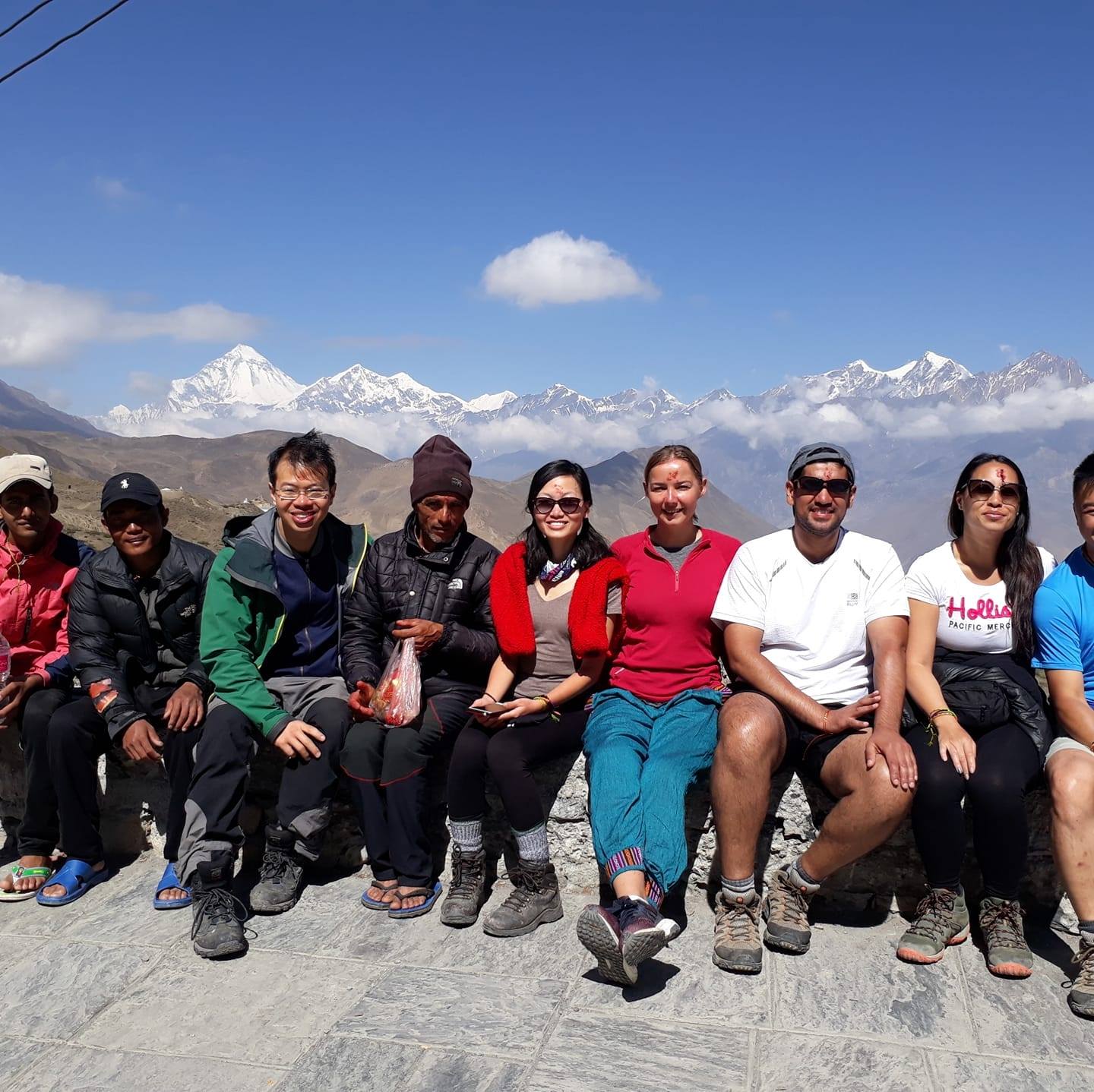
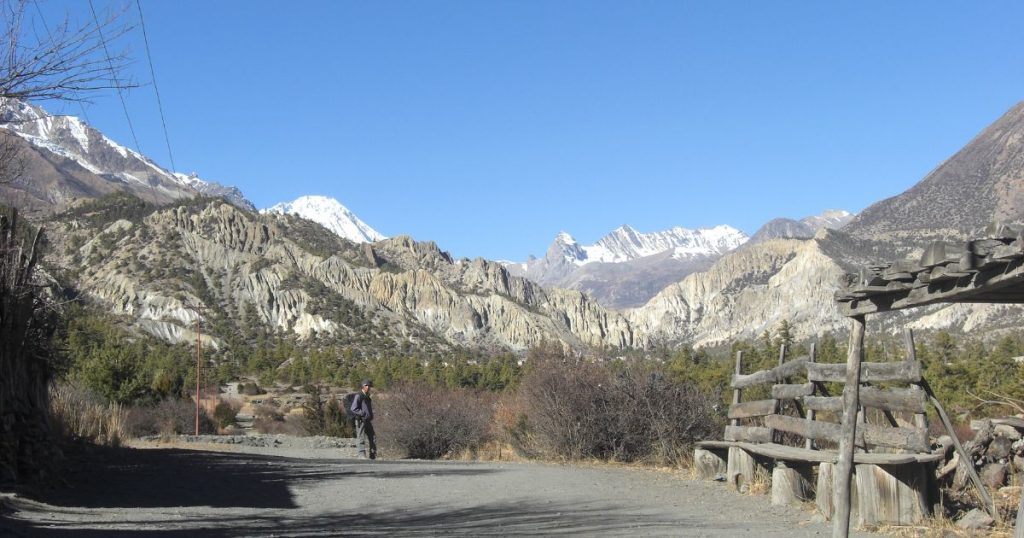
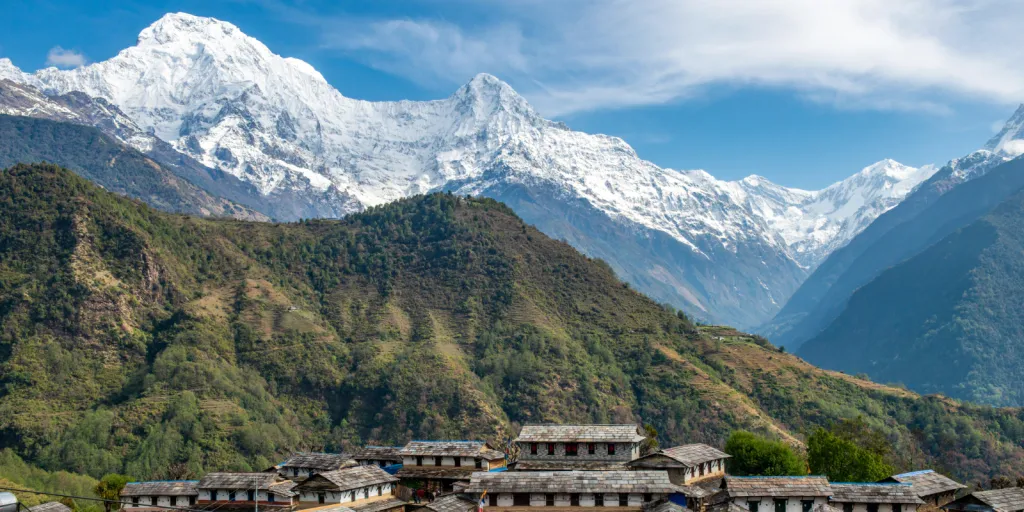
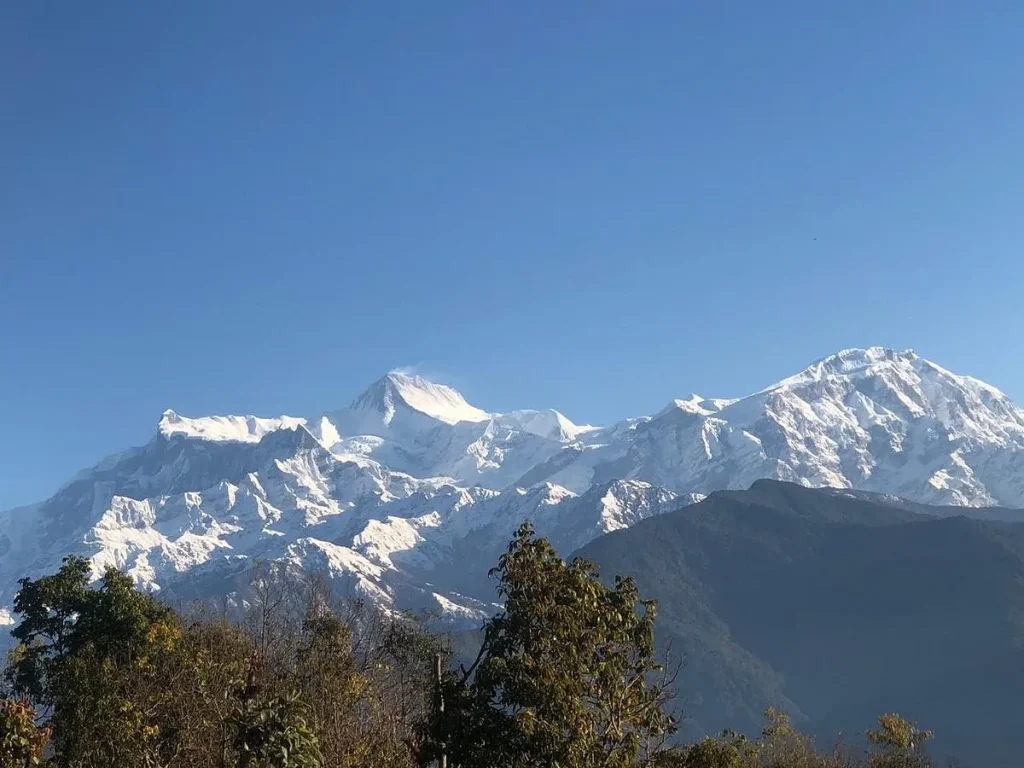
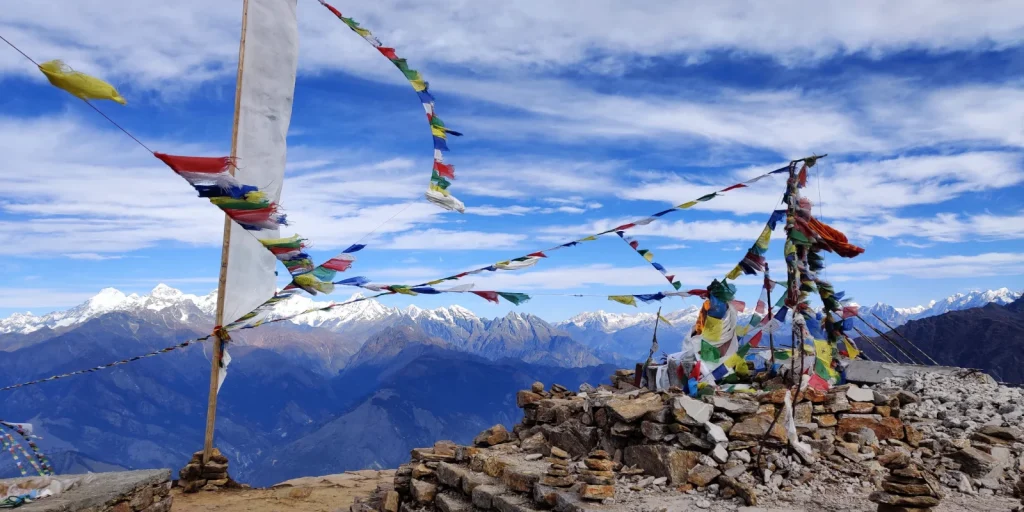
Spring (March to May) is one of the best times to trek the Annapurna Circuit. During this season, the weather is mostly stable, the trails are dry, and the visibility is excellent. Snow-covered peaks look sharp and bright, making it a favorite time for photographers. Crossing Thorong La Pass (5,416m) is safer, and rhododendron forests bloom beautifully at lower elevations.
Autumn (late September to November) is also considered the prime trekking season. After the monsoon ends, the air becomes crisp and clear, offering stunning views of the Himalayas. The weather is stable, days are pleasant, and nights are cool. Trails are in good condition, and the high pass crossing feels more secure and rewarding.
Likewise, Winter (December to February) offers peaceful trails and snowy landscapes, but temperatures drop sharply, especially at higher altitudes. Some lodges may be closed due to snow, and Thorong La Pass can be blocked after heavy snowfall. This season is suitable only for well-prepared trekkers.
Monsoon (June to August) is generally not recommended. Heavy rainfall brings clouds, slippery trails, leeches in lower areas, and a higher risk of landslides. Mountain views are often blocked, and travel plans can be disrupted.