search
search

Luxury Everest Base Camp Trek

globe_location_pin

Country

Nepal

calendar_clock

Duration

15 Days

avg_pace

Difficulty

Moderate to challenging
partly_cloudy_day

Best Season

Mar, Apr, May, Sept, Oct, Nov

conversion_path

Start / End Point

Kathmandu / Kathmandu

landscape_2

Max. Altitude

5,555m (Kala Patthar)

landscape

Nature Of Trek

Lodge to Lodge trekking

footprint

Activity

Trekking

directions_walk

Trek Duration

15

location_on

Region

Everest Region

groups

Group Size

4 - 20

code_blocks

Trip Code

EBCL-09

hiking

Activity Per Day

5-7hrs

home

Accommodation

Luxury and comfort
flatware

Meals Included

Breakfast, Lunch, Dinner
local_taxi

Transportation

Flight and Helicopter

editor_choice

Recommended For

Experienced trekkers and fit trekkers

Luxury Everest Base Camp Trek Highlights

  • Receive the premium trekking package and service for Everest Base Camp, focusing on ease and relaxation.
  • Enjoy a stunning sunrise or sunset from the iconic viewpoint of Kala Patthar.
  • Experience the wildlife of the Sagarmatha region while seeking out glamorous animals, including Musk Deer, Red Panda, Himalayan Monal, and others.
  • Explore Sagarmatha National Park and discover its distinctive flora and fauna.
  • Touch down at Kala Patthar and take in the grandeur of the Khumbu
  • Glacier and Icefall, Nepal’s largest and most prestigious glacier.
  • Visit the vibrant village of Namche to learn about Sherpa culture and the history of mountaineering.
  • Embrace the serene atmosphere and spiritual richness of Tengboche
  • Visit monasteries while delving deeper into Buddhist culture, vibrant festivals, and cherished traditions.
  • Journey along the route of Sir Edmund Hillary and many renowned mountaineers.
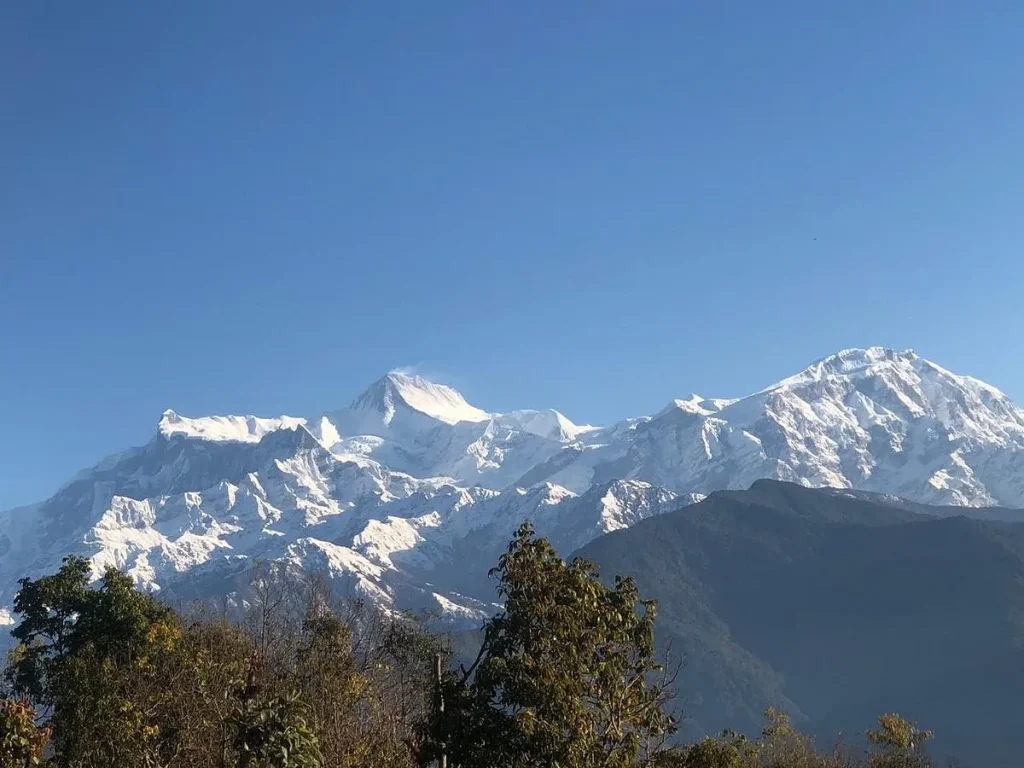
  • Enjoy the opportunity to witness some of the highest snow-capped mountains, including Everest, Lhotse, Nuptse, Cho Oyu, Makalu, and Pumori.

Overview of Everest Base Camp Luxury Trek 15 Days

The Everest region, known to be the home of the world’s highest mountain, is a dream destination for trekkers and mountaineers. Trekkers around the world join the iconic Everest Base Camp trekking trail to complete one of the bucket list items of witnessing Everest. But many find it difficult to follow the standard Everest route due to physical challenges and age limitations. Others may also want to avoid the daily walking or simply travel in style. In such cases, the Luxury Everest Base Camp is the perfect option.

In the Everest Luxury Trek, all trekkers stay at premium lodges and enjoy personalized service while taking in the beauty of the Himalayas. The hotel rooms are designated to provide maximum comfort, equipped with heated rooms, electric blankets, attached bathrooms, and high-quality dining. Besides, the journey includes private transportation, experienced licensed guides, and porter support for a safer, more relaxing trekking experience. From personalized service to upgraded facilities in the remote Himalayas, the Everest Base Camp Luxury Trekking Package delivers an elevated experience.

The Luxury Everest Base Camp offers you views of the Himalayas and the opportunity to witness a breathtaking sunrise at Kala Patthar (5,555m). The trek blends luxury with comfort, offering cultural diversity and guiding you through a region rich in Tibetan Buddhism and mesmerizing mountain views. Adventurers can get first-hand experience of Sherpa culture, traditional villages, and the Sherpa way of life.

The trek starts with the flight from Kathmandu or Ramechhap to Lukla. On the exploration of the Everest region, trekkers get to witness traditional settlements. The trek combines walking through dense forests, crossing a suspension bridge, and immersing in local culture, all in luxury. The journey offers views of Everest, Lhotse, Nuptse, Cholatse, Thamserku, Pumori, Ama Dablam, and other majestic mountains.

Get the opportunity to capture photos and videos of the scenery along the Luxury trek, showcasing Sherpa villages rich in cultural traditions. A comfortable, relaxing atmosphere, combined with local hospitality, makes the journey more interesting and enjoyable. The friendly local behavior leaves a positive impression of travel.

Trekking requires a lot of physical effort, but it rewards you with beautiful scenery. But the Everest Base Camp Luxury Trek is a beginner-friendly trekking package. Most novice trekkers with adequate fitness can complete it with ease. So, get ready to enjoy the high Himalayas with cozy rooms, warm hospitality, and the highest level of sophistication.

Detailed 15 Days Luxury Everest Base Camp Trek Itinerary

Day 01 :

Arrive at Tribhuvan International Airport in Kathmandu (1,324m) and transfer to your hotel

road

Drive Distance

5.8km

departure_board

Drive Duration

25–30-minute

home_pin

Place

Kathmandu

Land at Tribhuvan International Airport, Kathmandu. Once you have finished the visa process and picked up your bags, kindly make your way to the exit of the arrival hall. Look for the Snow View Trek signboard. You will be greeted outside the arrival hall by our representative, who will take you to your hotel in Kathmandu. After you arrive at your hotel and freshen up, there will be a trip briefing. The briefing will be at the hotel and will be led by the lead guide, covering essential aspects of the trip.

Day 02 :

Kathmandu Sightseeing and Trek Preparation

After arriving in Kathmandu, your second day includes visits to some of the city’s sights. Some popular attractions are Kathmandu Durbar Square, Swayambhunath, Pashupatinath, and Boudhanath. After the tour, we have lunch in Boudha. Dinner is at your own expense at any location in Thamel or at Kathmandu Hotel. After your visit, you will have some free time in the evening for any final preparation.

Day 03 :

Fly from Kathmandu (1,324m) to Lukla (2,860m), or drive to Manthali/Ramechhap (474m) , followed by flight to Lukla (2,860m). Begin the trek to Phakding (2,610m)

directions_walk

Trek Distance

8-9km

av_timer

Trek Duration

3-4 hours

road

Drive Distance

132km

departure_board

Drive Duration

5-6 hours

flight

Flight Hours

20/ 30-minute

home_pin

Place

Phakding

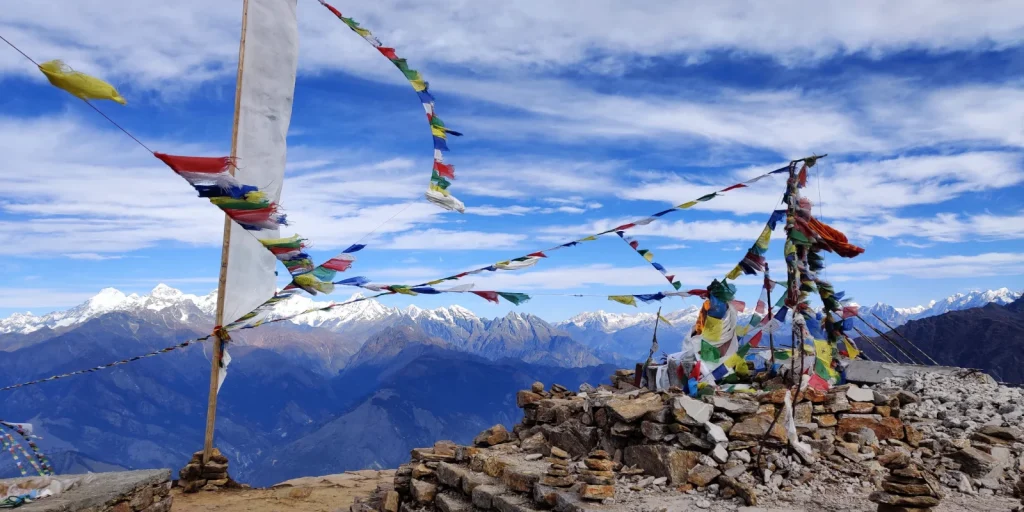
Flying is the fastest and easiest way to reach Lukla from Kathmandu. The flight takes approximately 30 minutes, which is time-saving. The flight offers views of the mountains and valleys below. Due to weather conditions and delays, Lukla flight cancellations are common, but they remain the most comfortable and time-saving option. Alternatively, you can drive to Manthali or Ramechhap, then take a flight to Lukla. Reaching Lukla, you will meet the crew members, including the guide and porters of Snow View Trek. Then the trek begins to Phakding. Through this route, you can experience the area’s culture and nature, with beautiful scenery, suspension bridges, prayer flags, and fantastic photo spots. We stay overnight at Mountain Lodges, where you can relax with warm meals.

Day 04 :

Trek from Phakding (2,610m) to Namche Bazaar (3,440m

directions_walk

Trek Distance

10-11km

av_timer

Trek Duration

5-6 hours

home_pin

Place

Namche

Begin your trek towards Namche Bazaar (3,440m/11,286 ft). The journey is about 5-6 hours, and we will continue along the Dhudhkoshi, passing through small villages. After crossing suspension bridges at several points, including the iconic Hillary Bridge, you will reach Namche. Along the way, if the weather is clear, we can also get our first views of Mount Everest, Lhotse, Nuptse, and Kusum Kangro. When you reach Namche Bazaar, you can see the central trading hub of the Khumbu region, offering shops and cafes. You will stay at Mountain Lodges of Namche.

Day 05 :

Acclimatization day at Namche Bazaar (3,440m). Optional hike to Hotel Everest View (3,880m)

directions_walk

Trek Distance

4–5km

av_timer

Trek Duration

4–5 hours (round-trip hike)

home_pin

Place

Namche

You have an acclimatization day at Namche Bazar. But you can take an optional hike to the Everest View Hotel (3,880m/1,2730ft), which is approximately a 4-5 hour round-trip, where you can enjoy spectacular views of Everest, Lhotse, and Ama Dablam. Overnight at one of the highest altitude hotels in the world, Hotel Everest View. Alternatively, you can explore Namche, a prosperous village that offers a chance to acclimate to the higher elevation, where you can visit monasteries and experience Sherpa culture. Overnight at Hotel Everest View.

Day 06 :

Trek from Namche Bazaar (3,440m) to Deboche (3,820m)

directions_walk

Trek Distance

10–11km

av_timer

Trek Duration

5–6 hours

home_pin

Place

Deboche

After breakfast in Namche Bazar, begin your trek toward Debouche (3,820m/12,533ft). We will walk next to the glacial valley of the Dudh Koshi River. Along the way, you will enjoy the view of Mt. Everest, Nuptse, Lhotse, Thamserku, and the Ama Dablam Mountains. Along the way, we viewed the colorful forest blooming with rhododendron. The region is rich in wildlife. We will make a steep path to Tengboche Monastery, the largest one in the Khumbu area. The trek provides close-up views of the surrounding Himalayan peaks. The views give you plenty of photo opportunities. Overnight stay at Rebandol lodge, where you can enjoy the surrounding Himalayas.

Day 07 :

Trek from Deboche (3,820m) to Dingboche (4,410m)

directions_walk

Trek Distance

9–10km

av_timer

Trek Duration

5–6 hours

home_pin

Place

Dingboche

Start your trek toward Dingboche (4,410m/14,469ft). It takes approximately 5-6 hours, and we hike through a few mani walls and some villages. We trek via Pangboche; the trail takes us through the highest permanent village in the valley and the final steepest climb of the day, on our way to Dingboche. We can also see terraced fields in Dingboche, enclosed by stone walls, with crops such as buckwheat, potatoes, and barley. Your overnight stay at Dingboche Resorts or a similar lodge, where you can prepare for the next day’s trek.

Day o8 :

Acclimatization day in Dingboche with a hike to Nangkartshang Peak (5,083m)

directions_walk

Trek Distance

3–4km

av_timer

Trek Duration

3–4 hours (round trip)

home_pin

Place

Dingboche

Today is a rest day at Dingboche to help your body adjust to the higher altitude. You can hike to Nangkartshang peak (5,083m/16,676), which takes about 3-4 hours round-trip. This hike offers stunning views of the surrounding Himalayan peaks, including Mt. Ama Dablam, Lhotse, and Island Peak. Enjoying the panoramic view and acclimating to low oxygen levels, we return to Dingboche. After returning, you have an overnight stay at Dingboche Resort or a similar lodge.

Day 09 :

Trek from Dingboche (4,410m) to Lobuche (4,910m)

directions_walk

Trek Distance

7–8km

av_timer

Trek Duration

5–6 hours

home_pin

Place

Lobuche

After an overnight stay in Dingboche, your trek begins via Thukla and continues to Lobuche (4,910/16,109ft). We climb steadily upward on an uneven moraine trail, passing a chain of stone monuments built in memory of Sherpas who died in mountaineering. From there, the trail levels out and goes by the west side of the valley to Lobuche. From this vantage point, the sunset over Nuptse is breathtaking. Overnight stay at the new EBC Lodge or a comparable lodge.

Day 10 :

Trek from Lobuche (4,910m) to Gorakshep (5,164m), then to Everest Base Camp (5,364m) and back to Gorakshep (5,164m)

directions_walk

Trek Distance

11–12km

av_timer

Trek Duration

8–10 hours

home_pin

Place

Gorakshep

The trek begins at Lobuche and ends at Gorak Shep. From Lobuche, it’s a 3-hour trek to Gorakshep. We continue the final stretch to Everest Base Camp by passing the one vast Gorakshep village. The final stretch from Gorakshep to Base Camp takes about 2-3 hours. After spending time exploring the area, taking photographs, and feeling proud standing at the base of the world’s highest mountain, you head back to Gorakshep for an overnight stay. Overnight stay at Everest Inn Lodges or a similar lodge.

Day 11 :

Early morning hike to Kala Patthar (5,555m) for sunrise views, then descend to Gorakshep (5,164m), then trek to Pheriche (4,371m)

directions_walk

Trek Distance

11–12km

av_timer

Trek Duration

6–8 hours

home_pin

Place

Pheriche

Early morning hike up to Kalapatthar for a breathtaking wide-angle view of Mount Everest, and experience the first rays of the day. Temperatures range from -5 to -10 °C, so be prepared for a cold morning. Peaks such as Lingtren, Khumbutse, and Changtse rise to the cast while Everest majestically sits between its west shoulder crest and Nuptse. After spending time, we returned to Gorakshep for breakfast, and then continued our trek towards Pheriche (4,371m/14,340ft). It takes approximately 5-6 hours to pass through small settlements. Overnight stay at Everest Trekkers in a Lodge or a similar lodge.

Day 12 :

Trek from Pheriche (4,371m) to Namche (3,440m)

directions_walk

Trek Distance

13–14km

av_timer

Trek Duration

6–7 hours

home_pin

Place

Namche Bazaar

Begin your trek back toward Namche Bazaar (3,440m/11,286ft). It will take approximately 6-7 hours; you will pass through small villages and suspension bridges. You will enjoy views of the surrounding mountains and the Dudh Koshi River flowing alongside us as we descend on the trekking route. As we reach Namche, we stay overnight in the Mountain Lodges of Nepal.

Day 13 :

Trek from Namche (3,440m) to Lukla (2,860m)

directions_walk

Trek Distance

18–19km

av_timer

Trek Duration

6–7 hours

home_pin

Place

Lukla

Begin our trek back towards Lukla. It takes about 6-7 hours to pass through bridges, small villages, and views of the mountains, culminating in your arrival in Lukla. Check in at Mountain Lodges of Nepal, overnight at the same lodges, and prepare for your flight back to Kathmandu.

Day 14 :

Fly back to Kathmandu (or to Manthali/Ramechhap, then drive to Kathmandu)

road

Drive Distance

132km

departure_board

Drive Duration

5-6 hours

flight

Flight Hours

20/ 30 minutes

home_pin

Place

Kathmandu

Trekkers can take direct flights from Lukla Airport to Kathmandu, which take about 30 minutes. You can fly from Lukla to Manthali or Ramechhap and then continue by road, taking 5-6 hours to reach Kathmandu.

Day 15 :

Transfer to Tribhuvan International Airport for your final departure

You will be transferred to Tribhuvan International Airport for your departure from Nepal. You will take a whole bag of unforgettable memories of the Everest region and your trekking adventure.

Cost Includes

Transportation:

  • All airport transfers and ground transportation in a private tourist vehicle.
  • Round airfare between Kathmandu and Lukla by Helicopter

Trek Permit and Expenses:

  • Sagarmatha National Park entry permit fees and TIMS card
  • Khumbu Pasang Lhamu Rural Municipality Entry Permit
  • All government, local taxes, and official expenses

Accommodation:

  • In Kathmandu: twin-sharing/double accommodation at a 5-star hotel in Kathmandu with breakfast.
  • During Trek: Total 11 nights (Eight nights in a Luxury Room at Phakding, Namche (3 Nights), Debouche, Dingboche (2 nights), and Lukla, with a private attached bathroom), three nights in standard rooms at Lobuche, Pheriche, Gorakshep) on a twin/double sharing basis.

Meals:

  • Breakfast in Kathmandu
  • Full Board Meals During the Trek: All standard meals served during all days of the trek—breakfast, lunch, and dinner
  • Tea or coffee: Served three times daily (up to three cups per day)
  • Fresh seasonal fruit snacks are served along the trail after dinner.
  • Farewell dinner at the end of the trek

Guide and Porter:

  • Experienced, English-speaking, and government-licensed trekking guide.
  • Porters during the trek for carrying luggage (1porter for every two clients)
  • More than 12 trekkers, one assistant guide.
  • Wages, accommodation, meals, gear, insurance, and medications for all staff

Medical assistance:

  • In the event of complex health conditions, a rescue operation will be arranged. (fully funded by travel insurance)
  • First-aid kit, including an oximeter carried by the guide for daily altitude and health monitoring.

Equipment and Extra:

  • Unrestricted use of a Snow View Trek’s down jacket and sleeping bag during the trek.
  • One trekking duffel bag (70 L) per participant.
  • One Everest Base Camp route map, T-shirt, and cap
  • An appreciation certificate upon successful completion of the trek.

Cost Excludes

International Flight:

  • International flight costs to and from Nepal.

Accommodations:

  • Upgrades the accommodations of Kathmandu
  • Extra nights in Kathmandu if you arrive early, depart later, or return from the mountains ahead of schedule.

Meals:

  • All meals in Kathmandu before and after the journey.

Visa:

  • Nepal Entry Visa Fees for multiple entries on arrival at Tribhuvan International Airport-(15 days-$30, 30 days-$50, and 90 days-$125)

Trekking Gear:

  • Personal trekking gear, equipment, and clothing (including jackets, trekking poles, gloves, and hiking boots).

Travel Insurance:

  • Travel insurance along with high-altitude emergency evacuation coverage, medical treatment, trip cancellations, interruption, and repatriation.

Personal Expenses:

  • Extra snacks, alcoholic drinks, bottled beverages, drinking water, and other personal purchases during the trek.

Filming and Drone Fees:

  • Fees for special equipment, including cameras, drones, and filming permits, as required by local authorities.

Extra Activities and Customized Services:

  • Supplementary services, activities, or excursions beyond the stated itinerary, such as private tours or customized arrangements.

Guide and Porter(staffs)

  • Tips for guides and porters (recommended).
Altitude in:

Departure

Private Trip

Prefer a more personal journey? Our private packages offer flexible dates, custom itineraries, and dedicated support—perfect for those seeking a tailored travel experience.

Luxury Everest Base Camp Trek Distance, Duration, and Altitude Summary

Day Route Walking Distance (km/miles) Duration Altitude Gain/Loss
1 Arrival in Kathmandu 5.8km 25-30 minute drive
2 Kathmandu – Lukla – Phakding 8-9km
/5-5.6miles
30-minute flight from Kathmandu

Or 5-6 hours of driving and a 20-minute flight from Ramechhap,

3-4 hours trekking to Phakding

Gain: 1,286m
3 Namche – Phakding 10-11km/6.2-6.5miles 5–6 hours Gain: 830m
4 Acclimatization day in Namche, hike to Everest View Hotel 4-5km/2.4-3.1miles 4-5 hours Gain: 440m, Loss: 440m
5 Namche – Deboche 10-11km/6.2-6.5miles 5-6 hours Gain: 380m
6 Deboche – Dingboche 9-10km/5.5-6.2 miles 5-6 hours Gain: 590m
7 Acclimatization day in Dingboche, hike to Nangkartshang Peak 3-4km/1.8-2.4miles 3-4 hours Gain: 673m, Loss: 673m
8 TDingboche – Lobuche 7-8km/4.3-4.9miles 5-6 hours Gain: 500m
9 Lobuche – Gorakshep – Everest Base Camp and back to Gorakshep 11-12km/6.8-7.4miles 8-10 hours Gain: 454m, Loss: 200m
10 Gorakshep – Kalapatthar and back to Pheriche 11-12km/6.8-7.4miles 6-8 hours Gain: 391m, Loss: 793m
11 Pheriche – Namche 13-14km/8.0–8.6miles 6-7 hours Loss: 931m
12 Namche –Lukla 18-19km/11.2-11.8miles 6-7 hours Loss: 580m

Best Months / Season for Everest Base Camp Luxury Trekking

Those who dream of trekking to Everest Base Camp need to choose the best time of the year to make the trek even more memorable. The best time to trek EBC is during the Autumn (March to May) and spring (late September to December) seasons. During these periods, the sky is clear, and the temperature is also mild, making the weather ideal for your journey.

Spring (March-May)

March marks the beginning of Spring in the Everest region, bringing colorful rhododendrons, vibrant landscapes, and warmer days. Spring offers moderate temperatures and clear weather. The temperature varies from 10 degrees Celsius in lower regions like Namche Bazaar and Lukla to -5°C (23°F) in the highest altitude like Everest Base Camp.

You can enjoy the beautiful scenery of colorful rhododendrons and other alpine flowers blooming in the Himalayan region during Spring. The valley became vibrant and lively, making it the perfect season for trekking. Spring offers an incredible time to trek to Everest Base Camp, as the weather slowly warms, creating cool mornings, pleasant afternoons, and a fresh evening. It makes trekking even at higher altitudes easier. This season will be best for those trekkers who value colorful scenery and clear weather.

Autumn (September-November)

Autumn is also the best time to trek to Everest Base Camp, as it offers clear views of Famous peaks like Everest, Makalu, and Lhotse. The autumn season is known for its stable weather conditions and mild temperatures, making it a comfortable environment for walking. Many trekkers find the autumn season rewarding because it reflects quieter trails and fresh greenery.

Also, Nepal’s grand festivals, including Dashain, Tihar, and Mani Rimdu, fall during the Autumn season. These festivals add a beautiful cultural dimension to your adventure. Trekkers can witness the lovely ceremony, traditional rituals, and Nepal’s culture during the autumn season, making the trek all the more valuable.

The average temperature in Lukla is about 10 to 18 °C (50 to 64.4°F), and it is -2 to 5°C (28.4 to 41°F) at higher altitudes.

What to Expect in the Everest Base Camp Luxury Trek?

Everest Base Camp trek offers stunning Himalayan views, rocket paths, and opportunities to experience Sherpa hospitality and cultural traditions—panoramic views of the Everest, Lhotse, and Ama Dablam from Kala Patthar with a rewarding journey.

  • Mesmerizing Mountain View: The Everest Base Camp offers a beautiful view of towering peaks, including Everest, Nuptse, Lhotse, Pumori, Thamserku, Cho Oyu, and Ama Dablam. As you get closer to the base camp, the land becomes rocky and open, offering views of the mountains. Standing at 5,364m, seeing the high Himalaya up close feels incredible.
  • Less oxygen and higher elevation: Once you reach over 5,000m, the air feels thin, and you may feel short of breath. Walking slowly and at your own pace is essential because low oxygen makes every step more difficult. This is a common experience during high-altitude journeys.
  • Cold Temperature and Changing Weather: Snow and cold air are common at higher altitudes. Temperatures drop below freezing, especially around sunrise and sunset. Since the weather can change suddenly, layered clothing is the safest and best way to handle these changes.
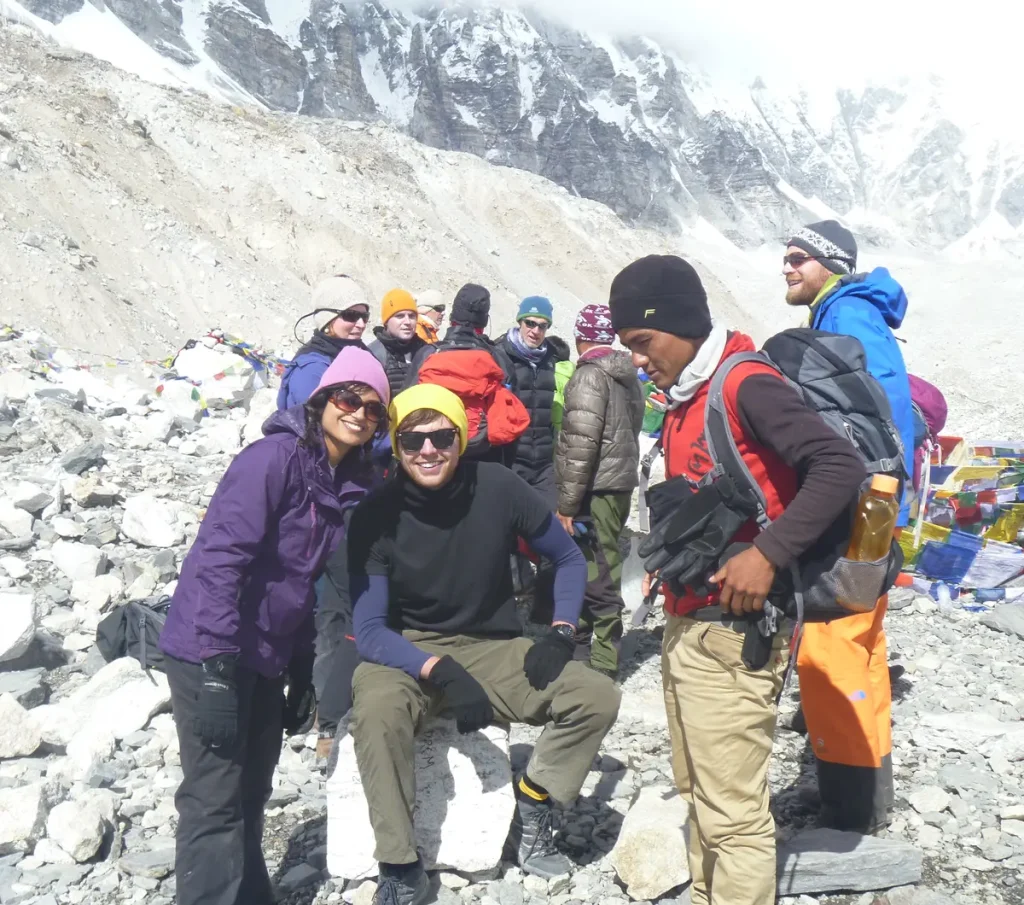
  • Rewarding Moment of Achievement: Reaching Everest Base Camp is a dream for many trekkers. Standing at Everest Base Camp brings an intense wave of emotion, as you remember all the hardships you faced on the way. In that moment, you feel proud, and every step was worth it. Taking photos on the famous rock, which is a dream for many, is the best feeling. You are surrounded by ice, and the Khumbu Glacier creates an unforgettable experience.
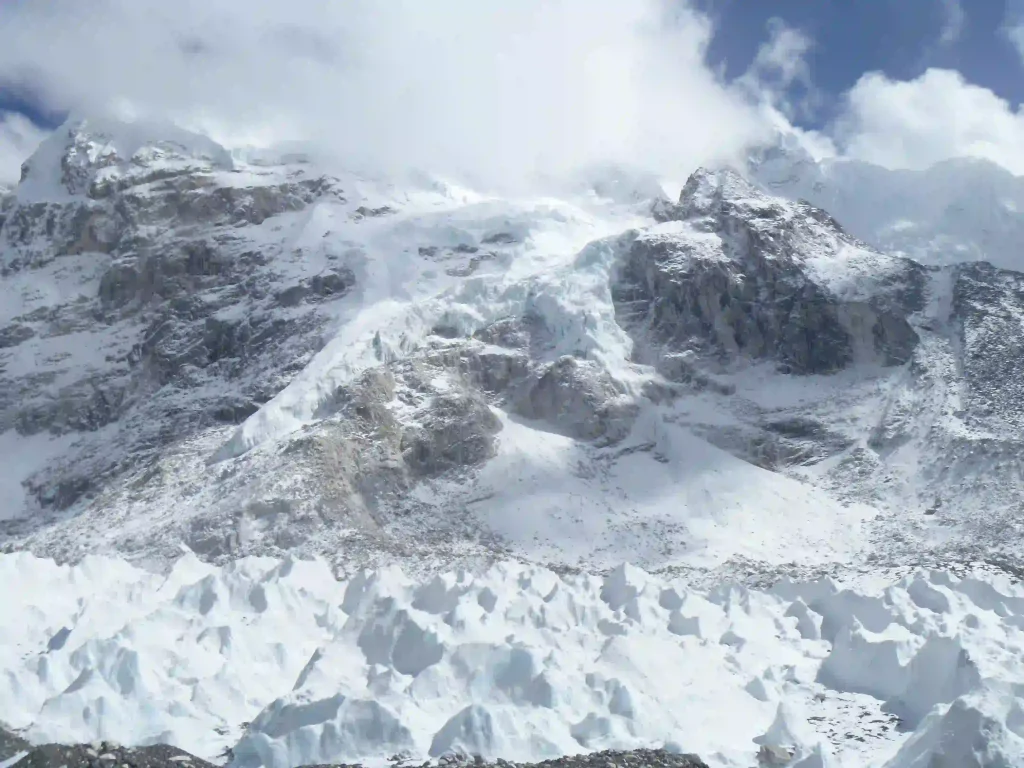
  • Witnessing the Mighty Khumbu Glacier: Mount Everest may be out of sight, but from the base camp, the Khumbu icefall offers an unforgettable sight. Towering ice walls and deep crevasses make this glacier a true sight.

What Makes This trip an Everest Base Camp Luxury Lodge Trek?

The Everest Luxury lodge trek includes stays in Yeti Mountain Home or Mountain Lodge of Nepal, renowned for their exceptional Himalayan hospitality. Each lodge is crafted to offer a relaxing overnight stay after long days of trekking, blending authentic Himalayas with sophisticated facilities.

You will stay in spacious, tastefully furnished rooms at high altitude, especially up to Dingboche. Your room will feature an attached bathroom, ensuring privacy and convenience. The room is equipped with charging facilities and Wi-Fi access. So you can stay connected with your friends and family. The cozy rooms are designed to block out the cold and provide a comfortable overnight stay.

Another highlight of the luxury trek is dining. Accommodation options provide premium meals prepared with fresh, organic ingredients, serving both Nepali and international dishes. You can enjoy your food with views of the whole mountain range from cozy dining halls, where you can savor your meals and admire the Himalayan scenery.

Additional facilities include a comfortable lounge with a fireplace, tea and coffee corners, and some lodges even have small libraries. They have experienced staff who cater to international travelers, assist with luggage, offer trekking tips, and provide warm hospitality, making your stay relaxing and enjoyable.

The trek allows you to fully enjoy and appreciate the beautiful natural scenery of the Everest region. Cultural sights like Sherpa villages and a quiet moment on a sunlit balcony overlooking snow-capped mountains are amazing.

Accommodation During the Everest Base Camp Luxury Trek

Accommodations on the Everest Base Camp Trek range from comfortable lodges to 5-star hotels. For trekkers to be physically fit and healthy, a good night’s sleep is needed. In Kathmandu, trekkers will be provided a stay in 5-star hotels with top facilities. Five-star hotels offer a luxury stay and the comfort essential for trekkers before heading into the mountains or after returning.

Although there are many accommodation options in the mountains, Luxury trek provides 5-star hotels which offer comfort and relaxation while trekking, so it doesn’t include camping or basic tea house. The available accommodation options for the Everest Base Camp Luxury Trek are listed below.

  • Guesthouses: There are only guesthouses in the Khumbu region of the Everest Base Camp Trek, available in Namche, Tengboche, and Dingboche. It is expensive, but it offers greater comfort and facilities, such as hot water and other essential amenities, along with opportunities to learn about and understand their lifestyle, traditions, and hospitality amid stunning Himalayan views.
  • Comfort Lodges: Snow View Trek recommends comfort lodges as the primary accommodation option. These lodges provide all essentials for trekkers, including attached bathrooms, hot showers, Wi-Fi, electric blankets, and more. They provide all the essential amenities required for a comfortable stay.
  • Luxury Hotels: The luxury Everest base camp trek focuses on comfort and facilities, including excellent service and food at Hotel Everest View, the world’s highest-altitude hotel, which offers luxury rooms with attached bathrooms, heated bedrooms, and a balcony offering a stunning view of the Mountains. Free wifi and hot showers are also available.

Are Luxury Lodges and Hotels Available Throughout the Trek or Only in Specific Locations?

Even in luxury lodges, comfort is limited and only available in the lower part of the Everest Base Camp. Comfort decreases as altitude increases. Premium accommodations, including Yet Mountain Home and Mountain lodges of Nepal, are available mainly in Lukla, Monjo, Phakding, Namche Bazaar, and Tengboche. The lodges provide well-furnished rooms, private bathrooms, hot showers, cozy dining areas, stable Wi-Fi, and top-quality service.

Luxury options usually stop around Dingboche. Further along, the trail becomes more remote, and facilities become limited due to harsh weather, management challenges, and high-altitude conditions. From Dingboche upward to Lobuche and Gorakshep, accommodation is simpler, even though still clean and well-kept. Here, trekkers can expect

  • Minimal hot water or bucket showers
  • Simple twin-sharing rooms
  • Multiple guests can use the toilets and bathrooms.
  • Electricity and Wi-Fi may not always be available.

This change in facilities is due to infrastructure challenges, high altitude, freezing temperatures, and the difficulty of bringing materials to remote locations.

Food options During the Trek (Vegans & Dietary Needs)

Meals on the Everest Luxury Trek are a highlight of the trip, with expert chefs preparing a fusion of traditional Sherpa cuisine and world cuisines. There are food options, from traditional Nepali to more familiar Western dishes. Trekkers can enjoy authentic local meals such as Dal Bhat, momos (Tibetan-style dumplings), and Thukpa (noodle soup). They also have the comfort of recognizable meals. With a variety of options for Breakfast, Lunch, and Dinner, trekkers can choose one meal and a drink at a time from the menu. The options included:

  1. Breakfast: Rice pudding, plain toast, Bread, Eggs, Pasta, Chapati, Tibetan Bread, peanut butter, and others.
  2. Lunch: Soups, Yak steak, sandwich, pizza, rice and curry, pasta, spring rolls, Burger, Noodles, and others
  3. Dinner: Dal Bhat, Thukpa, Sherpa stew, Soups, potato items, eggs, Ramen, Burgers, and others
  4. Beverages: Black tea, green tea, Milk tea, Lemon tea, Masala tea, Apple juice, Mixed juice, Cappuccino, Hot chocolate, Americano, Fresh fruit juice, and other soft drinks.

Note: Alcoholic beverages such as whiskey, beer, and rum are indeed available, but we strongly advise trekkers to avoid consuming them. Similarly, smoking should be banned, and coffee intake should be limited because they contribute to dehydration and symptoms related to altitude sickness.

Toilets and Bathroom Facilities During the Everest Base Camp Luxury Trek

Lower Region (Lukla to Dingboche):

  • Attached bathroom facilities, western-style flush.
  • Reliable running water with improved hygiene standards.Hot showers are available at an additional
  • cost.
  • A well-maintained hand-wash station is provided.

High altitude Region (Lobuche to Gorakshep):

  • Commonly, the Western style contrasts with the squad style.
  • Depending on the accommodation, bathrooms may be shared, and hot showers are often limited in remote areas.
  • Hygienic hand washing stations are available.

Itinerary Customization Service by Snow View Trek

Snow View Trek provides an itinerary service tailored to your needs, ensuring every corporate Everest Base Camp Trek aligns with your team’s goals, schedule, and comfort level. Instead of following a set route, the computer-designed trekking plan considers team fitness, peace, goals, and comfort level.

Trek can include helicopter transfers, a breathtaking fly-out from Everest Base Camp, or emergency services for safety. Teams can also add extra rest or acclimatization days to reduce the risk of altitude sickness.

Upon request, all groups can get a private guide, exceptional porters, and dedicated support staff. The crew will focus on comfort and the smooth operation of the trek. The team is dedicated to providing a tailor-made experience to ensure a memorable one.

Why Trek with Snow View Treks?

  • Snow View Trek offers a fully tailored itinerary for corporate clients.
  • Trekkers gain local knowledge during the trek, as local experts run the company.
  • Offers flexible scheduling with secured departure dates.
  • An all-inclusive package covers permits, domestic flights, accommodation, meals, and staff so that corporate groups can focus on their objectives without concern for planning and coordination.
  • With our positive Tripadvisor reviews and many happy client reviews, we give confidence to trust us before investing in their Everest Base Camp trek.
  • Our team is fully prepared to handle large groups, especially for trekking like the Everest Base Camp.

Cost Breakdown of Luxury Everest Base Camp Trek

Number of Trekkers Cost
4-8 pax USD 3,950
9-14 USD 3,875
15+ USD 37,00

Are there any hidden costs for this trek?

Trekkers need to spend extra on various logistics, including

  • Bottled water or boiled water.
  • Extra tea, coffee, and other drinks.
  • Snacks such as energy bars, chips, chocolates, and others.
  • Soft drinks and alcohol.
  • Wi-Fi or data cards.
  • Charging electronic devices.
  • Hot shower heated by solar or gas.
  • Any gear rental.
  • Electrolytes.
  • Reusable water bottles.
  • Unforeseen personal purchases.

Permits and Necessary Documents for the Everest Base Camp Trek

Trekkers must have a specific permit to legally enter Sagarmatha National Park for the Everest Base Camp Trek, as mandated by the Government of Nepal. Along the way, several checkpoints can be seen, where officers check entry permits and documents. If any requirements or documents are missing, trekkers will not be allowed to proceed further. A proper license and documents must be present at the checkpoint to continue the trek.

The license required for the Everest Basecamp Trek is as follows:

Khumbu Rural Municipality Permit

The Khumbu Rural Municipality Permit replaces the existing Trekkers Information Management System (TIMS) card. This permit is issued by Khumbu Rural Municipality and obtained from the Check post at Lukla or Monjo.

The cost of the license is as follows:

  • For Foreigners, including SAARC countries (for the first four weeks), NPR 3,000 per person.
  • Later than four weeks, NPR 2,500 per person.

There is no substitute office in Kathmandu to purchase the Khumbu rural municipality permit, so it must be purchased in Lukla or Monjo. Snow View Trek’s representative will assist trekkers to get their licenses for a hassle-free experience.

Sagarmatha National Park Entry Permit

This permit is one of the main permits required for the Everest Base Camp trek. It is essential to enter Sagarmatha National Park.

The cost of the Sagarmatha National Park Entry Permit is as follows:

  • For Foreigners, NPR 3,000 per person
  • For SAARC Nationals, NPR 1,500 per person
  • For Nepalese, NPR 100 per person

The permit can be obtained from Kathmandu at the Nepal Tourism Board Office. Similarly, the Sagarmatha National Park Entry Permit can be purchased from the Sagarmatha National Park Entry Gate in Monjo. Since obtaining the permit during Peak Season is difficult, a representative from Snow View Trek can obtain it on the trekker’s behalf for a hassle-free experience.

Altitude Sickness and Preventive Measures for the Luxury Everest Base Camp Trek

Altitude Sickness and Acclimatization. Altitude sickness poses a significant risk at Everest Base Camp, where the altitude is above 3,000m. Trekkers need to understand the symptoms, causes, complications, and signs and symptoms of altitude sickness.

Signs and Symptoms

  • Headache
  • Vomiting
  • Blurry vision
  • Nausea
  • Dizziness
  • Fatigue even when sleeping

Causes of Altitude sickness

Altitude sickness happens when you ascend to high altitudes too quickly. The air becomes thinner at higher elevations, meaning there is less oxygen available with each breath. If our bodies do not have enough time to adjust to the lower oxygen levels, we can develop altitude sickness.

Complications of Altitude sickness

Altitude sickness can be classified into three types.

  1. Acute Mountain Sickness (AMS): It is the most common form of altitude sickness.
  2. High-altitude pulmonary edema (HAPE): A condition in which fluid builds up in the lungs, a complication of altitude sickness that requires immediate medical attention. Symptoms include shortness of breath and bluish skin due to low oxygen levels. HAPE can also be fatal if not treated promptly.
  3. High Altitude Cerebral Edema (HACE): It causes the brain to swell, causing confusion, coma, and a high death risk. It is a hazardous condition that needs immediate emergency care.

Prevention of Altitude Sickness

  • Acclimatization: To lower the risk of altitude sickness, rest and pause regularly during the trek to acclimatize.
  • Ascend Slowly: This helps prevent altitude sickness by giving your body time to adjust to the thinner air. Trekkers should avoid rushing when trekking at high altitudes.
  • Descend: If any symptoms are observed, trekkers should prioritize descending, as it treats altitude sickness by rapidly increasing oxygen availability.
  • Supplementary Oxygen: Trekkers can carry supplementary oxygen bottles to prevent altitude sickness by increasing the amount of oxygen in the blood. It can reduce symptoms like headaches and dizziness.

Is This Trek Suitable for Beginners?

A beginner can trek to Everest Base Camp, but a good level of physical fitness is necessary due to the rough terrain. The trek does not require technical climbing. However, fitness, acclimatization, and professional support are important factors trekkers need to consider.

  • Fitness and preparation: A Good level of physical fitness is essential. The trek involves long walking days in uneven terrain, which can be challenging for those who are not well prepared. So, trekkers require a good level of physical fitness. Proper fitness not only makes it easier but also reduces the risk of injuries and helps you enjoy the journey.
  • Altitude and Acclimatization: Altitude is a significant challenge, so acclimatization is essential to prevent altitude sickness. Walking slowly, taking rest days, and staying hydrated will help prevent altitude sickness.
  • Weather: Luxury lodges provide the best facilities, but the weather at higher elevations is unpredictable. Wearing layered clothing is essential for staying comfortable.
  • Accommodation: Luxury trek offers high-quality lodges with better rooms, heating, and food. However, at high altitude, especially above Dingboche, the area is remote with only limited facilities.
  • Professional support: Trekking agencies like Snow View Trek offer advice on safety, logistics, and essential information. With comprehensive information and guidance, the trek is manageable and rewarding for beginners.

Physical Workout Routines for This Trek

Week Cardio (Boost your breathing) Strength training (Stronger legs for trek) Stair/Hill Training (Real trek practice) Flexibility and Recovery
Week 1 Start with easy aim, about 30 minutes of brisk walking or gentle jogging, four days this week. Concentrate on moving your body and build an easy routine to follow, rather than pushing too hard. Only two easy strength sessions this week, focusing on things like lunges, squats, and planks. You don’t need to rush during this light session. This week, do one short session (10-15 minutes) on the stairs with a light backpack. Do gentle stretching or loosen tight muscles, you can do yoga once or twice a week.
Week 2 Boost 30 minutes to 35-45 minutes for 4-5 days. As you want, you can walk or jog at a calm pace where you can even talk. In week 2, you need to add a few more challenging things, like deadlifts, leg press, and longer core walk. You can do one or two workout sessions this week. You have two options: either spend 15-20 minutes on stairs, going up and down, or take a relaxed 45-minute hill walk. This week, you need to stretch your legs more deliberately, especially calves and hamstrings.
Week 3 Push to 40-50 minutes of steady cardio for 5 days. You may notice your stamina picking up. So go with the peace that feels manageable and keep consistent. This week, we do three strength sessions, keeping your movements controlled and steady. Rather than rushing, focus on motions. This is safe and effective. There are two sessions this week: either a 1-hour hill hike or a 20-30-minute stair session. One full rest day is necessary for each week. Doing light stretching after each workout helps to stay flexible.
Week 4 Target for 50-60 minutes of cardio, mixing easy sustained effort with light intervals. It doesn’t need to be challenging, just to keep things interesting and help to build your stamina. Keep it strong this week, three sessions mainly target endurance and stability. This week, two longer sessions, one is 30-40 minutes on stairs or a 2-hour hill hike with a day pack. Before the trek, stretching or foam rolling once or twice helps relax the muscles.

Tipping Suggestion for the Guide and Porter

Trekking culture in Nepal relies on tipping. It is a way to express gratitude to crew members for their hard work and dedication through tips. Tipping is not just money; it is a sign of respect. Typically, trekkers tip 10-15% of the total trek cost, but they can tip more if they feel satisfied with their service.

Packing List for Luxury Everest Base Camp Trek

Clothing

  • Moisture-wicking base layers (2-3 sets)
  • Fleece jacket
  • Down jacket (we provide free if needed)
  • Waterproof jacket and pants
  • Trekking pants (2 pairs)
  • Warm hat, sun hat, gloves
  • Hiking socks (4-5 pairs)

Footwear

  • Broken-in waterproof hiking boots
  • Camp shoes/sandals for lodges
  • Gaiters (optional)

Equipment

  • Daypack (30-40L)
  • Trekking poles (highly recommended)
  • Sleeping bag (we provide free if needed)
  • Headlamp with extra batteries
  • Sunglasses (UV protection)
  • Water bottles (2L total capacity)Water purification tablets

Personal Items

  • Sunscreen SPF 50+
  • Lip balm with SPF
  • Toiletries and a quick-dry towel
  • First aid kit and personal medications
  • Camera and extra batteries
  • Power bank (10,000+ mAh)
  • Passport copies and cash

Challenges You May Face During the Trek

We offer comfort in the lower regions with better lodges, private rooms, and good food. However, in the higher remote areas, trekkers must compromise on facilities such as shared bathrooms, an electric blanket, and a hot shower. Even on a luxury trek, the Everest Base Camp route remains tough due to its remote, high-altitude environment. The trek rewards you with stunning Himalayan views, high-altitude adventure, and an experience of Sherpa culture, tradition, and hospitality.

  • Altitude: Trekkers reach 5,364m at Everest Base Camp and 5,545m at Kalapatthar. Altitude sickness is possible above 3500m, so staying hydrated and properly acclimatized are essential. Symptoms may include shortness of breath, headache, and fatigue. Luxury treks provide an organized schedule and guidance to help lower the risk, but it remains a challenge.
  • Walking Hours: Each day requires 5-7 hours of trekking, even with luxury arrangements; long walks can be tiring for those not used to regular activity. Walking as a team at a natural pace can help overcome this challenge.
  • Walking Conditions: Trekkers need to be prepared for cold, wind, and sudden weather changes. Luxury treks help by providing warm lodges and, where possible, organized rest stops, but the high-altitude environment still requires adaptability. Layered clothing is required for comfort.

Detailed Information About Flying into Lukla

Flight departing directly from Kathmandu.

Trekkers can take a domestic flight from Kathmandu Tribhuvan International Airport to Lukla. From Kathmandu to the Tenzing-Hillary Airport in Lukla, the flight takes about 45 minutes. The Lukla flight commences on a small aircraft, mainly a De Havilland Canada DHC-6 Twin Otter or a Dornier 228. Snow View Trek arranged the Lukla flight ticket, as crowds or unfavorable weather may cause delays.

Flying from Ramechhap/Manthali

If the Lukla flight from Kathmandu is cancelled or delayed due to overcrowding, you can choose to fly via Ramechhap or Manthali instead. Our team organizes private vehicles for a drive to Manthali, Ramechhap, with a duration of about hours. Then, you will board the plane to Lukla. 15 kg per person is the limited baggage weight for the Lukla flight. Pack a 10 kg duffel bag and 5 kg hand luggage. Proper preparation, mental stability, and physical fitness are needed. Mandatory documents and permits for the Luxury Everest Base Camp Trek.

The Government of Nepal requires two permits for trekking in the Everest Region, i.e., the Khumbu Pasang Lhamu Rural Municipality Entrance Permit and the Sagarmatha National Park Entry Permit. Luxury Everest Base-Camp Trek.

FAQs

Our Latest Blog

Attractions, Tips & Activities. Explore Now!

View All Blog

Plan Your Perfect Adventure

Tell us where you want to go and we’ll take care of the rest.
Get a custom travel plan tailored to your interests and schedule.

Start Planning