
The best time for an Annapurna Circuit corporate trek is during October to November (autumn) and March to April (spring). Among these months, October is best because it has very little rainfall (less than 52 mm on average), cloud-free skies, and dry trails. These conditions make it safer to cross Thorong La Pass (5,416 m) and keep the trek on schedule.
Planning a corporate trek is different from planning a trip for individual trekkers. Companies have fixed leave schedules, so the trek must start and finish on time. Choosing the wrong season can lead to problems such as monsoon-related road blockages below Besisahar, flight cancellations at Jomsom Airport, and a higher risk of altitude sickness due to bad weather. These delays can result in extra costs, lost workdays, and safety concerns for your team.
According to the Department of Hydrology and Meteorology of Nepal, weather conditions vary throughout the year, including rainfall, temperatures, and access to high mountain passes. This guide explains the weather in each season, possible trail risks, and important planning tips so your company can choose the best time for a successful corporate trek.
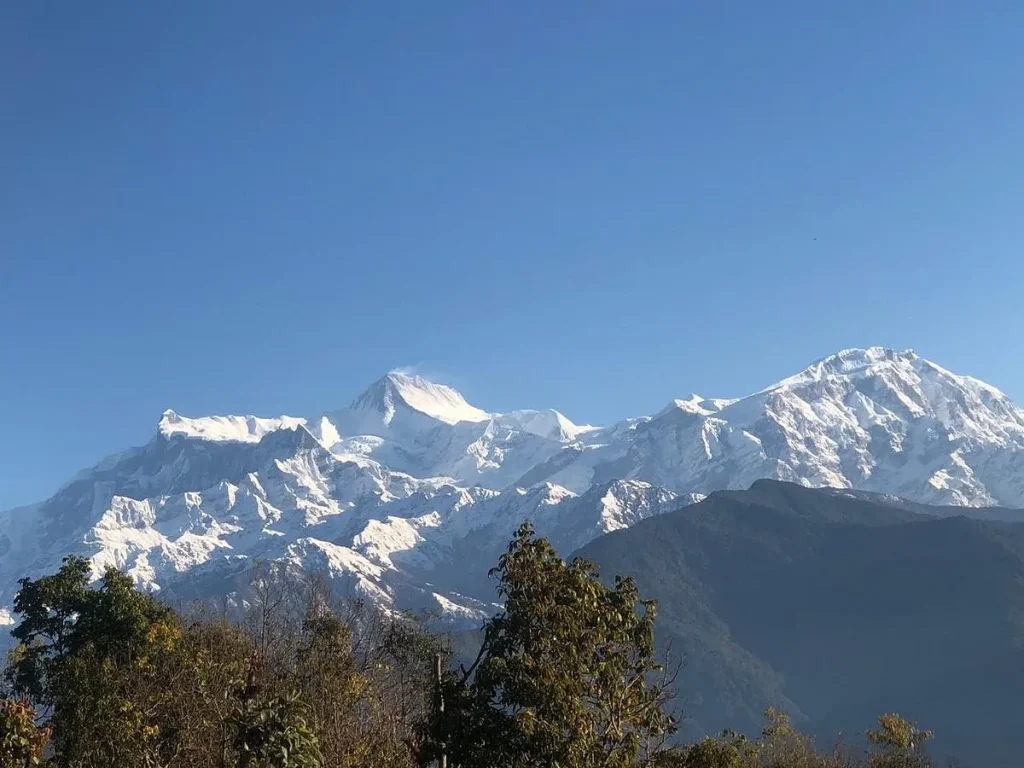
Why Season Matters for Corporate Treks
Season has a direct impact on every part of an Annapurna Circuit corporate trek. Weather changes trail conditions and mountain outlook. It also affects group safety, transportation dependability, and how safely teams can cross Thorong La Pass. It also affects access to medical support, daily logistics, and overall team experience. Each season below explains these factors in detail.
Spring (March–May): Best Season for Team Building
Spring is one of the best seasons for corporate team building on the Annapurna Circuit. Daytime temperatures are comfortable, forests fill with blooming rhododendrons, and mountain views stay clear. Longer daylight also gives teams more time to complete each stage without rushing.
March marks the end of winter with daytime temperatures of about 17°C at lower elevations, while nights near Thorong La can still drop to around -5°C. Snow on the pass continues to melt, and trail conditions improve through the month. April becomes warmer with valley temperatures reaching about 20°C and daylight extending to nearly 11 hours. The extra daylight provides a larger safety margin on longer trekking days between Manang and Thorong Phedi.
Autumn (September–November): Best Overall Time for Corporate Groups
Autumn is the best overall season for corporate groups on the Annapurna Circuit. The monsoon ends, and the weather becomes favorable for trekking. Mountain views stay clear, and the trails remain in good condition. These conditions improve group safety and reduce travel delays. Teams can follow the planned schedule with confidence and enjoy outdoor activities.
October receives about 49.1 mm of rainfall and stands among the driest months of the year. Daytime temperatures at mid elevations stay close to 21°C, while nights at higher camps are manageable with proper warm clothing. November is even drier with only about 0.7 mm of rainfall. The safe trails make the Thorong La crossing more secure, and fog-free skies provide beautiful views of Annapurna I and Dhaulagiri throughout the day.
Winter (December–February): Suitable for Smaller Experienced Teams
Winter is suitable for smaller corporate teams that have previous high-altitude trekking experience and flexible travel plans. Cold weather becomes the main challenge because temperatures fall well below freezing at higher elevations. Heavy snow can also close the Thorong La Pass for short periods and may require changes to the itinerary.
Daytime conditions are good at lower elevations on many days, while nights at higher camps can drop below -15°C. Teams must carry winter clothing and keep extra time for weather changes. Larger corporate groups choose spring or autumn because winter conditions increase the chance of delays. Smaller well-prepared teams can still enjoy a safe journey when weather forecasts are favorable and experienced guides are monitoring trail conditions.
Monsoon (June–August): Should Companies Avoid This Season?
Most companies should avoid the monsoon season for the Annapurna Circuit. Lower areas of the trail receive more than 400 mm of rainfall each month. Heavy rain makes the trail muddy and raises the risk of landslides. These conditions reduce safety and make it difficult for corporate groups to follow a fixed schedule.
Heavy rainfall blocks the Besisahar to Chame road for days due to landslides. Low clouds and strong winds in the Kali Gandaki Gorge also increase transport delays because flights to and from Jomsom Airport are affected. These disruptions can delay meetings and return travel for corporate teams. Companies that need smooth logistics should choose spring or autumn instead.
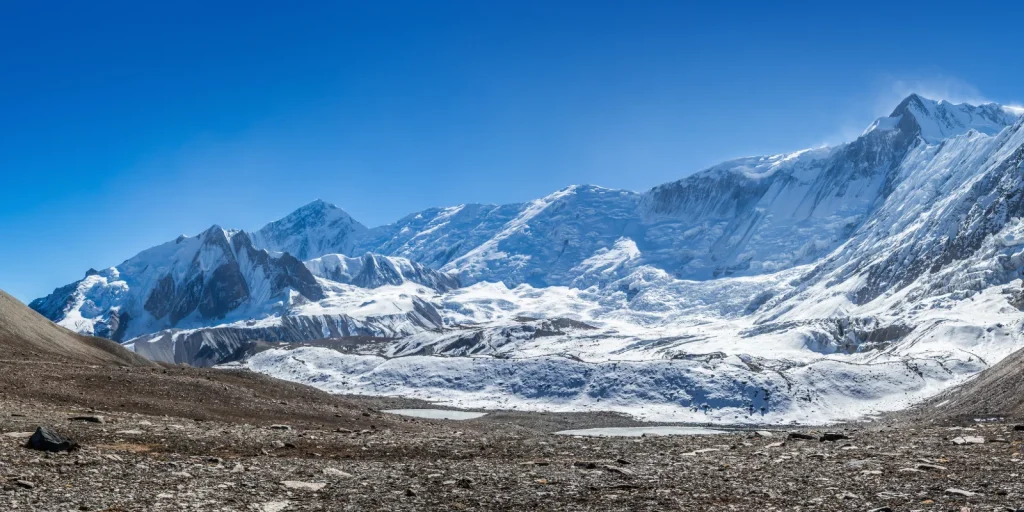
Annapurna Circuit Weather and Temperature by Month
The table below presents monthly weather averages for the Annapurna region based on data from the Department of Hydrology and Meteorology and visitor records from the Nepal Tourism Board.
| Month | Avg High Temp (°C) | Avg Low Temp (°C) | Monthly Rainfall (mm) | Thorong La Status | Corporate Suitability |
| January | 11 | -15 | 16.3 | Snowbound / Ice | Unsuitable |
| February | 14 | -12 | 24.2 | Snow Risk | Moderate |
| March | 17 | -5 | 43.7 | Open | Suitable |
| April | 20 | -2 | 61.5 | Open | Highly Suitable |
| May | 22 | 3 | 101.5 | Open (Pre-monsoon heat) | Moderate |
| June | 25 | 5 | 215.6 | Landslide Risk | Unsuitable |
| July | 25 | 6 | 476.2 | High Landslide Risk | Unsuitable |
| August | 25 | 6 | 312.4 | High Landslide Risk | Moderate |
| September | 24 | 3 | 265.4 | Clearing (Late monsoon) | Moderate |
| October | 21 | -1 | 49.1 | Clear / Open | Highly Suitable |
| November | 16 | -6 | 0.7 | Dry / Open | Highly Suitable |
| December | 12 | -13 | 12.3 | Cold / Freezing | Low |
Seasonal Challenges Companies Should Prepare For
Every season on the Annapurna Circuit brings different challenges that can affect safety, travel plans, and the overall success of a corporate trek. Here are the main seasonal challenges companies should consider:
- Altitude sickness: Schedule2 nights in Manang for acclimatization and carry emergency oxygen.
- Thorong La Pass Shutdowns: Snow can close the pass during winter and after spring storms. Keep extra buffer days.
- Heavy rain: Monsoon rain makes trails slippery and increases landslide risk.
- Transport delays: Flights and roads may face weather-related disruptions. Add a 2-day travel buffer.
- Road conditions: Use 4WD vehicles for mountain roads instead of local buses.
- Cold temperatures: Carry proper winter clothing and a-15°C rated sleeping bag.
- Gear preparation: Give every employee a standard packing checklist before departure.
- Medical support: Trek with licensed guides who carry first aid supplies and emergency oxygen.
- Flexible itinerary: Leave room for weather-related changes without affecting the overall trip.
How Festivals Can Improve Your Corporate Trek Experience
Local festivals can make an Annapurna Circuit corporate trek more meaningful by giving teams the chance to experience the culture of Nepal beyond the trail. The best festival season falls between September and November, which also matches the most favorable trekking weather. During Dashain and Tihar, villages are bustling with traditional music, family gatherings, lights, and local celebrations.
Spring also offers cultural experiences through Holi and the Tiji Festival near the Muktinath and Mustang region during May. Teams traveling through these areas may witness traditional dances and religious ceremonies. In the upper Annapurna region, Mani Rimdu is celebrated in Buddhist monasteries during October or November with masked dances and prayers. Planning a corporate trek around these festivals adds cultural value to the journey and builds lasting team memories that go beyond hiking alone.
How Far in Advance Should Companies Book an Annapurna Circuit Trek?
Companies should book an Annapurna Circuit corporate trek 4 to 6 months in advance for spring and autumn departures. Early booking gives enough time to secure domestic flights, group accommodation, guides, and trekking permits. It also helps keep the entire team on the same itinerary instead of splitting employees across different lodges or transport options during the busiest trekking months.
A practical timeline makes planning much easier. Around 6 months before departure, choose the trekking company and confirm the travel dates. About 4 months before departure, reserve flights and group accommodation because seats and rooms fill quickly. Around 2 months before departure, complete permit processing and finalize gear. During the final month, confirm medical check ups, travel insurance with helicopter evacuation coverage, and all trip logistics before departure.
Common Mistakes Companies Make When Choosing Trek Dates
Choosing the right trekking dates is just as important as choosing the right route. Avoiding a few common planning mistakes reduces delays, improves safety, and creates a better experience for the whole team.
- Skipping acclimatization days: Never remove the Manang rest days to shorten the itinerary.
- Ignoring seasonal transitions: Early September and early March have less stable weather than mid-season.
- Booking too late: Reserve the trek 4 to 6 months before departure.
- Assuming every employee is trek-ready: High altitude trekking needs preparation beyond normal fitness.
- Building a tight schedule: Keep extra buffer days for weather and transport delays.
- Choosing the cheapest option: Low-cost packages may compromise guide quality, safety, or logistics.
- Ignoring flight availability: Peak season mountain flights fill quickly and should be booked early.
- Not checking weather conditions: Review seasonal forecasts before confirming final travel dates and itinerary.
Which Month Should Your Company Choose?
Use the table below to choose the season that best matches your corporate objectives.
| If Your Company Wants… | Best Month |
|---|---|
| Best Weather | October |
| Team Building | April |
| Lowest Crowds | December |
| Best Photography | November |
| Employee Wellness | March |
| Leadership Retreat | October |
| Lowest Weather Risk | Late October to Early November |
| Cultural Experience | October or November |
| Budget-Friendly Trip | March |
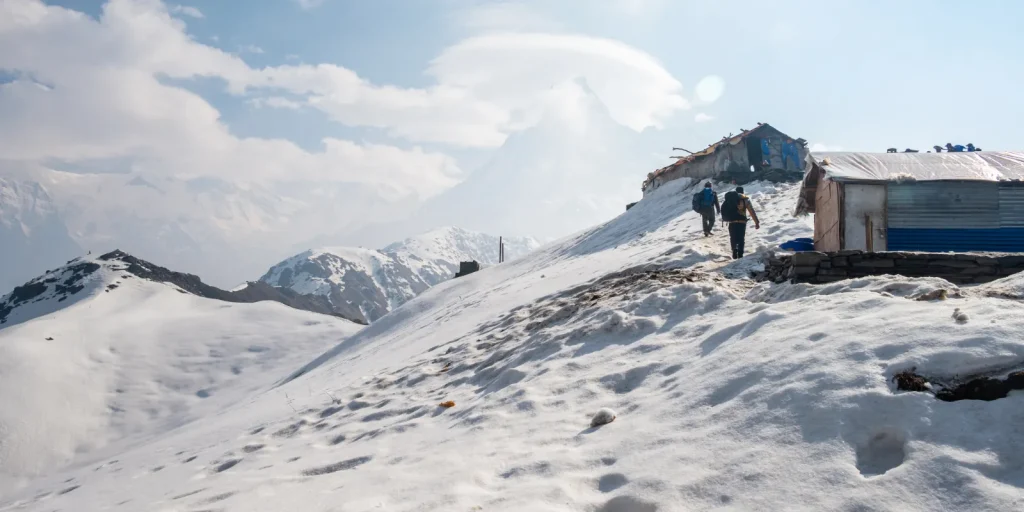
Ready to Plan Your Annapurna Circuit Corporate Trek?
Choosing the Best Time for Annapurna Circuit Corporate Trek guarantees that your business protects its employees while achieving its team-building goals. Trekking in October, November, or April minimizes flight risks, eliminates landslide hazards, and improves safety across Thorong La Pass.
Plan your corporate trek with Snowviewtrek for private transportation, a planned acclimatization schedule, and complete altitude safety support. Contact us today to create a customized trekking itinerary that matches your company’s goals and schedule.
FAQs
How does the choice of season affect emergency medical evacuations?
Why can the busy autumn season increase food hygiene risks?
Why is trekking in late November or December riskier for slower walkers?
How does spring dust affect employee health?
Is it possible to complete the trek in January if we only stick to the lower areas of the circuit?
Does the cost of local trekking permits (ACAP) fluctuate depending on the season?
Are tea houses heated during the colder trekking months?