
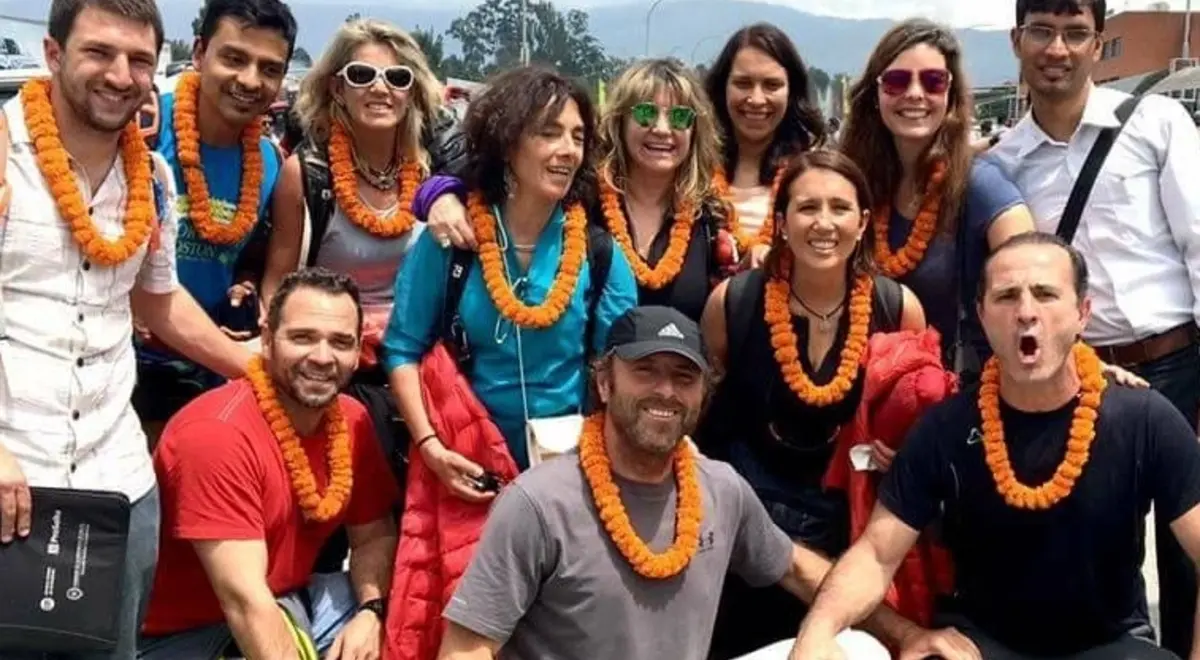
Many corporate outings don’t lead to lasting changes in how employees work together. Companies spend a lot of money on resort trips, team games, and motivational talks, but employees sometimes return to work with the same communication problems and stress. When real workplace challenges come up, simple icebreakers aren’t enough because they don’t reflect real situations.
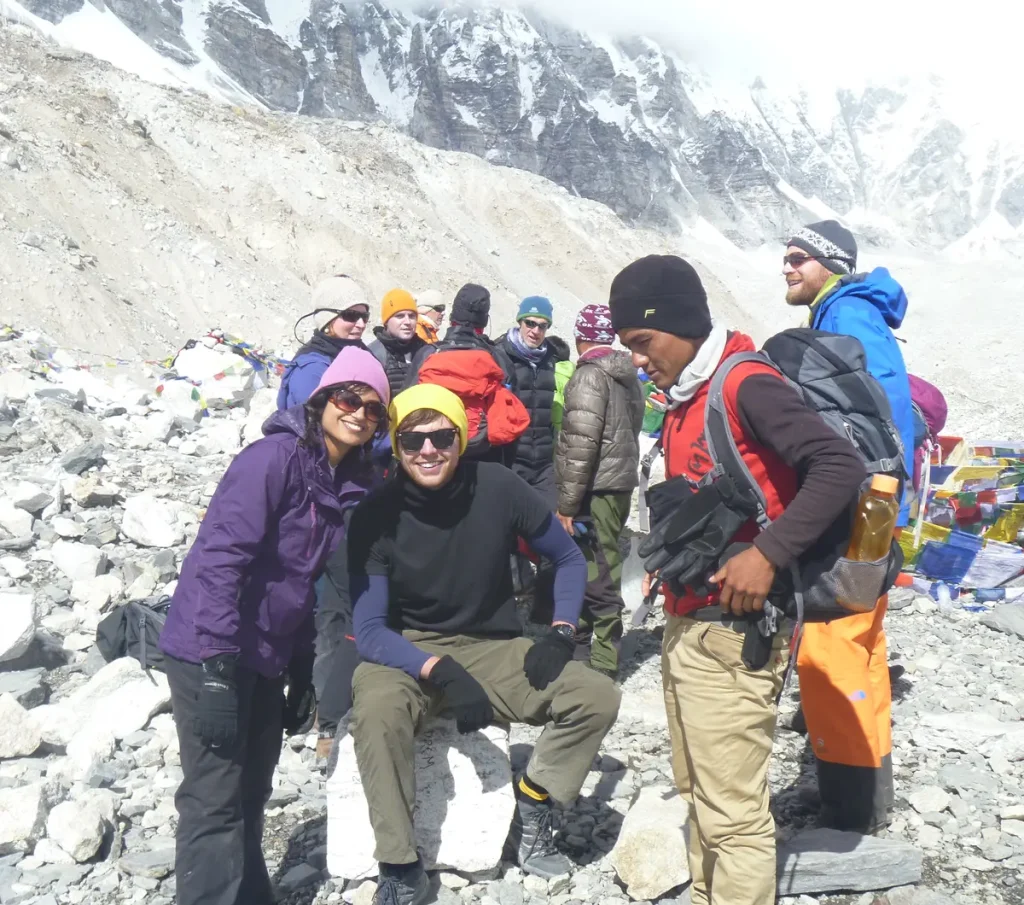
Team-building activities during a Nepal trek give employees a chance to learn through real experiences. These activities include group challenges, hiking together, evening group discussion, and problem-solving tasks on the trail. As teams face the mountains together, they build trust, improve communication, and develop stronger leadership skills in a natural way. In this guide, you’ll discover team-building activities you can do during a trek in Nepal.
Why a Nepal Trek Is One of the Best Team Building Experiences
- Everyone is equal: The mountain trek in Nepal treats every team member the same, regardless of job title.
- Shared goals matter: The group reaches the top of the pass only when everyone reaches the destination together.
- Natural teamwork: Members help each other in difficult areas and with daily challenges.
- Less screen time: Limited mobile network coverage on remote Nepal treks encourages face-to-face conversations.
- Shared local experiences: Tea houses, local food, and Nepali culture create lasting team memories.
- Greater accountability: Every person’s actions affect the safety and progress of the whole group.
- Better problem-solving: Unpredictable mountain weather of Nepal and changing trails encourage teams to communicate, adapt, and make decisions together.
- Lasting achievement: Completing the trek gives the team a shared success they will remember for years.
What Team Building During a Nepal Trek Really Means
Team building during a Nepal trek means activities that take place on the trekking trail while the group walks, rests, solves challenges, and reaches daily goals together. It does not include indoor workshops before the trip, celebration events after the trek, or student team-building programs held in cities such as Kathmandu or Pokhara.
Team members face changing weather, long walking hours, high altitude, and collective duties. These situations build trust, improve communication, and encourage better decision-making through real experiences instead of classroom exercises. Unlike city-based team building programs that depend on games and meeting rooms, trekking activities happen throughout the journey. Groups work together to support tired teammates, plan rest stops, manage supplies, and solve small problems on the trail.
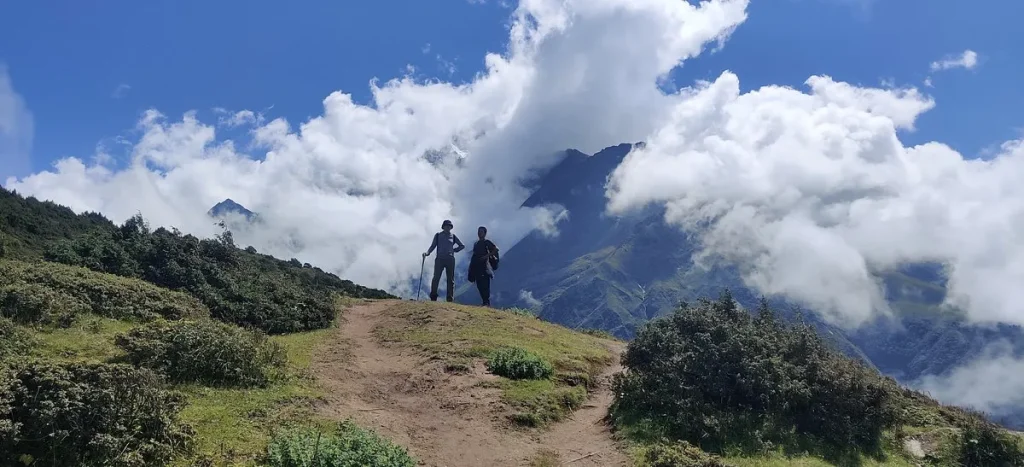
Best Team Building Activities During a Nepal Trek
To get the most value from a Himalayan corporate trek, include team-building activities throughout the journey. Choose simple activities that fit naturally into each day without adding extra physical pressure. Here are the best team-building activities for each stage of a Nepal trek.
Trail-Based Activities
Trail-based activities are team-building exercises that take place while walking on the trekking route. Most Nepal treks involve 5 to 8 hours of walking each day. This gives enough time to rotate leadership every 60 to 90 minutes, practice navigation with maps, and improve team coordination.
A 45-minute silent walk improves focus while reducing unnecessary conversation. A gear redistribution exercise teaches members to support a teammate during fatigue or injury by sharing 5 to 10 kg of equipment. Small groups can also collect non-biodegradable waste on the trail to promote environmental responsibility while working together toward a common goal.
Teahouse & Camp Evening Activities
Most trekking groups spend several hours together each evening in a shared dining room before an early night. This is a great time for reflection, teamwork, and learning without office distractions or constant mobile notifications. Teams can cook traditional Nepali foods with local kitchen staff to practice cooperation.
After dinner, each member can share the best moment of the day, the biggest challenge, and one new lesson to build understanding and mutual support. Simple activities, such as a blindfolded gear organization challenge, improve communication under pressure. Teams can end the day by discussing future goals in the peaceful mountain environment without digital distractions.
Acclimatization Day Challenges
Most Himalayan trekking itineraries include acclimatization days at places such as Namche Bazaar, Dingboche, Manang, or Kyanjin Gompa. Trekkers spend the morning on a short hike to a higher elevation before returning to sleep at the same altitude. Junior members can lead short navigation hikes with maps and compasses while the rest of the team follows their decisions.
Small groups can solve resource planning scenarios that need cooperation. Teams can also complete a photography challenge by identifying local cultural landmarks or exchange professional skills through short knowledge sessions. These activities improve leadership, communication, and problem-solving.
Nature Conservation & CSR Activities
Nature conservation and CSR activities allow teams to contribute to mountain communities while improving team cooperation during the trek. Many popular trekking routes pass protected areas such as Sagarmatha National Park, Annapurna Conservation Area, and Langtang National Park, where responsible tourism plays an important role.
Teams can organize a trail clean-up by collecting non-biodegradable waste such as plastic bottles, wrappers, and damaged gear during the walk. In the Everest region, groups can also support local recycling efforts by carrying small bags of recyclable waste to collection points on the return journey. Another meaningful activity is delivering school supplies or medical items to remote villages through local partners.
Reflection & Leadership Circles
Reflection and leadership circles are group discussions that help teams review the experiences of the day and learn from real situations on the trail. These sessions work best in the evening after everyone finishes the day’s trek.
These discussions also help teams recognize leadership, build trust, and improve communication. After crossing a high mountain pass or completing a difficult trekking day, members can appreciate the leadership qualities they observed in each other. Teams can also share personal challenges by comparing the weight of their backpacks with the responsibilities they carry at work.
Best Nepal Treks for Corporate Team Building
The table below compares the best Nepal trekking routes for corporate team-building trips:
| Corporate Package | Duration | Difficulty | Maximum Altitude | Best For |
| Annapurna Circuit Corporate Trek | 13 Days | Moderate to Challenging | 5,416 m (Thorong La Pass) | Leadership, toughness, strength |
| Luxury Corporate Everest View Trek | 11 Days | Moderate | 3,880 m (Everest View Hotel) | Management outings, networking, comfort |
| Corporate Group Tour in Nepal | 12 Days | Easy | 2,175 m (Nagarkot) | Company excursion, cultural experiences |
| Langtang Corporate Trek | 11 Days | Moderate | 4,773 m (Kyanjin Ri) | Team bonding, resilience, mountain experience, shorter schedule |
| Everest Base Camp Corporate Trek | 14 Days | Challenging | 5,545 m (Kala Patthar) | High-performance teams, mental strength, and leadership |
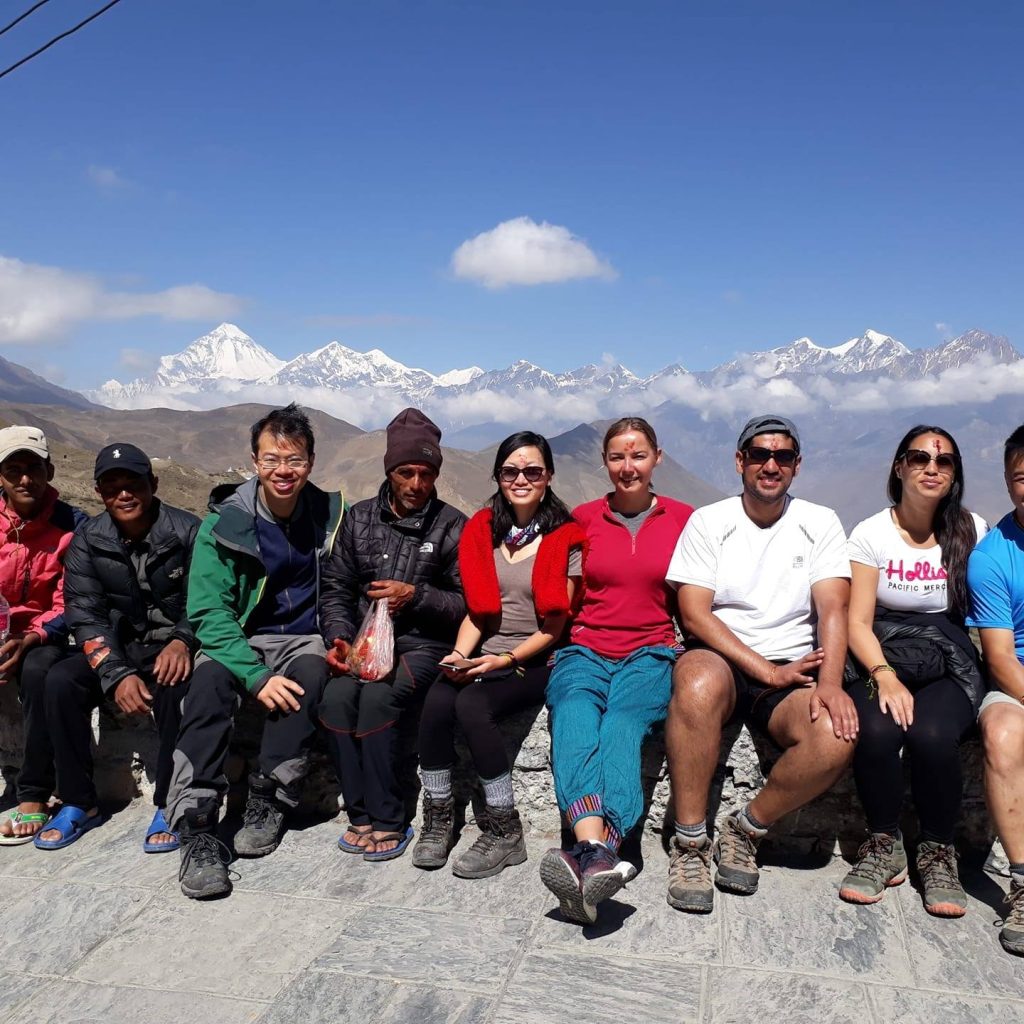
Sample One-Day Corporate Team Building Trek Schedule
A corporate team-building trek follows an organized daily plan. The day starts with a team briefing where one participant takes the role of leader and explains the route, weather conditions, and rest stops. During the hike, each team member has a clear role. Some guide the group while others support teammates or check the map. Lunch provides time for short group discussions where members share observations and adjust plans for the afternoon.
The evening focuses on observation and stronger team connections. After reaching the tea house, the group rests and then takes part in activities such as preparing a meal together, discussing the challenges, and sharing ideas for improvement. Team members also talk about personal strengths and workplace challenges in a supportive environment.
Best Seasons for Team Building Treks in Nepal
Spring (March to May) and autumn (September to November) are the best seasons for team-building treks in Nepal. These months offer clear mountain views and safer trail conditions, which make outdoor team activities and group discussions far more enjoyable. The table below shows the best season to choose based on your team’s goals.
| Season | Weather & Temperature | Corporate Pros | Best Route Match |
| Spring (Mar – May) | Clear mountain elevations, long daylight hours | Positive team energy, beautiful blooming scenery | Langtang Valley or Poon Hill Loop |
| Autumn (Sept – Nov) | Very stable, temperatures drop by late November. | Maximum flight predictability, comfortable evening stove sessions. | Everest Base Camp or Everest View Trek |
| Winter (Dec – Feb) | Freezing cold, heavy snow at altitude, short daylight hours. | Zero trail crowds, lowest corporate booking rates. | Low-altitude foothills only (under 3,000 m) |
| Summer (Jun – Aug) | Heavy monsoon rains, high humidity, poor sightings. | Beautiful green scenery, less crowded paths | Trans-Himalayan rain shadow areas (e.g., Upper Mustang) |
Safety & Professional Trek Support
They are the core of every successful corporate trekking program. Employee health must always come before team-building goals because high-altitude trekking needs trained staff and clear emergency procedures. Follow these rules to stay safe and supported throughout the trek:
- Complete medical test before departure to identify health risks and confirm fitness.
- Monitor oxygen levels daily with pulse oximeter checks.
- Carry emergency evacuation insurance that covers helicopter rescue from high-altitude trekking regions.
- Obtain all required trekking permits before the trip for legal access to national parks and trekking routes.
- Follow a strict no-alcohol policy until the team has safely completed the highest point of the trek and started descending.
- Trek with licensed guides who are trained in first aid, altitude sickness recognition, and emergency response.
- Hire a porter support so participants carry only light daypacks
- Maintain emergency communication through satellite devices in areas where mobile network coverage is unavailable.
How to Measure the Success of a Team Building Trek
The success of a team-building trek can be measured by tracking changes in teamwork, communication, leadership, and workplace relationships before, during, and after the journey. A proper evaluation does not only focus on completing the trek but also checks whether the experience creates positive changes that continue after employees return to work.
Before the trek, companies can conduct short surveys to understand team communication, trust levels, and workplace connections. During the trek, guides and facilitators can observe how members handle challenges and support each other during trail activities. After returning, a 30-day follow-up can measure whether teams are applying lessons from the trek through better collaboration, faster decision-making, and stronger relationships between departments
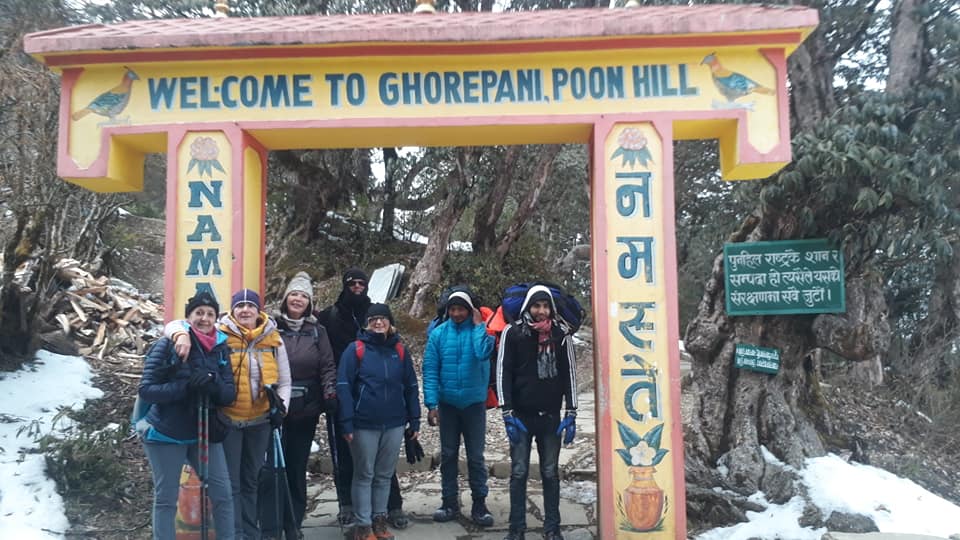
Trek Team Building vs Other Nepal Options
The table below shows a comparison between trek team building and other popular Nepal team experiences, such as Kathmandu day activities, rafting weekends, and student service tours.
| Team Building Format | Optimal Duration | Budget Tier | Physical Difficulty | Suitable Group Profile |
| Himalayan Trekking | 5 – 14 Days | Premium | High | Complete teams, senior leadership teams, experienced teams |
| Kathmandu Day Activities | 1 – 2 Days | Budget | Low | Large cross-functional offices, global clients, and remote workers. |
| Rafting Weekend | 2 – 3 Days | Moderate | Moderate to High | Sales teams, growing startups, and ambitious teams |
| Student Service Tour | 5 – 10 Days | Moderate | Moderate | Community service groups, student groups, and new graduate programs |
Expert Tips for Team Leaders & Corporate Facilitators
Successful corporate trekking needs leaders to manage both team performance and individual health throughout the journey. The tips below will help corporate leaders create a supportive environment while keeping teams actively involved in the trek.
- Focus on supporting the slowest team member rather than reaching destinations quickly.
- Explain group values, communication rules, and safety priorities before starting the trek.
- Review footwear, backpacks, and personal gear before leaving Kathmandu to avoid preventable issues.
- Ask team members to rate their energy level regularly instead of waiting for them to report fatigue.
- Discuss the route, roles, weather, and team goals before beginning each trekking day.
- Give participants time to rest, change clothes, and relax before starting the evening sessions.
- Arrange a quieter area at the teahouses for conversations and team feedback.
Conclusion
A corporate team-building trek in Nepal is more than an outdoor adventure. It gives teams the opportunity to build trust, improve communication, and solve real challenges together in a natural mountain environment. The lessons learned on the trail continue to benefit the workplace long after the trek is over.
If your company wants to go beyond traditional gatherings and build stronger teamwork through a Nepal trek, contact Snowviewtrek to plan a corporate trekking experience that fits the goals of your team.
FAQs
How do we run corporate strategy workshops without Wi-Fi, cell service, or electricity?
Won’t the physical exhaustion of a trek leave the team too tired for evening leadership exercises?
How do we handle different physical fitness levels between executives and junior staff?
What is a Momo Masterclass, and how does it build teamwork?
Does standard travel insurance cover high-altitude helicopter rescue in Nepal?
What is the ideal group size?
Is previous trekking experience needed?