
Many corporate team-building activities do not create lasting results. Office gatherings and indoor trust exercises may be enjoyable, but they have little impact on how people work together once they return to the workplace. In a comfortable setting, it is difficult to develop real teamwork and leadership skills.
A shared challenge is far more effective. The Everest Base Camp Corporate trek in the Khumbu region of Nepal gives teams the chance to work together in a real-world environment. On the trail, team members must communicate clearly, support one another, solve problems, and stay focused on a common goal. This shared experience builds stronger trust, teamwork, and leadership that can continue long after the trek ends. Let’s explore why the Everest Base Camp trek is an excellent choice for corporate teams.
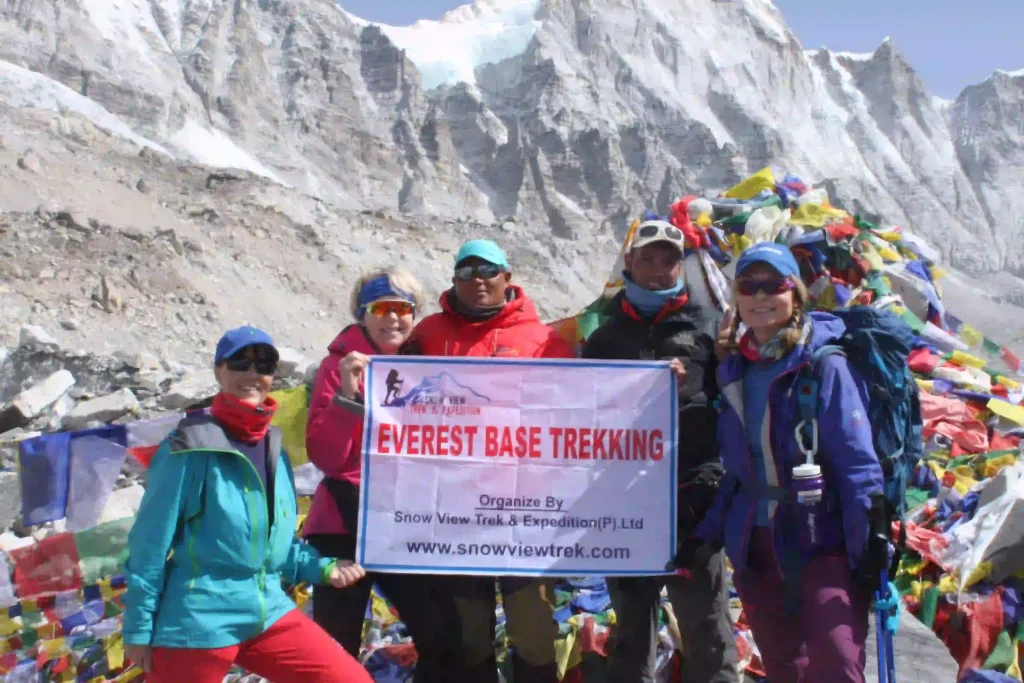
Shared Challenges Build Stronger Teams
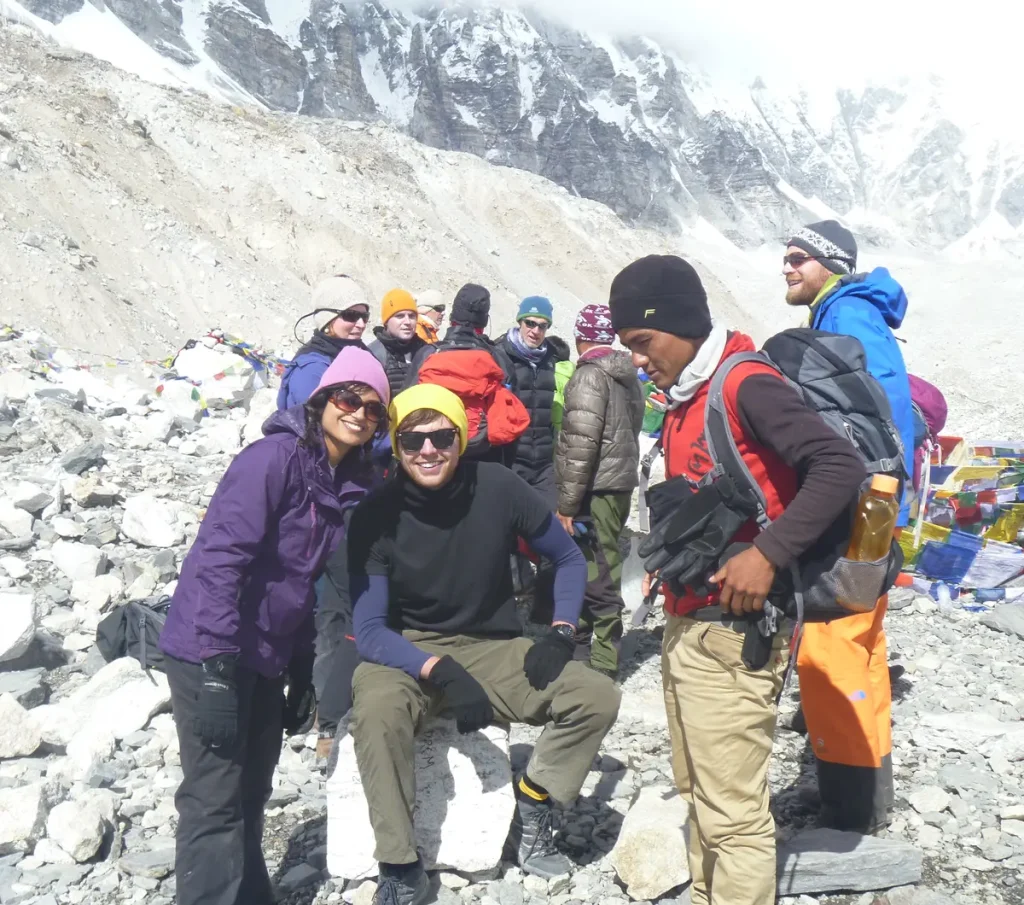
The Everest Base Camp Trek places every participant in the same environment where success depends on teamwork rather than individual performance. Each member must support the speed of the team because the journey is only successful when everyone reaches the destination safely. This shared experience builds trust, improves communication, and strengthens relationships in ways that are difficult to achieve through office-based activities.
Many of the challenges on the trek reflect situations that teams face in the workplace. Acclimatization days demonstrate the importance of planned recovery because regular performance depends on proper rest rather than constant pressure. Team members also develop a habit of checking on one another throughout the journey, which promotes a culture of support, accountability, and shared responsibility.
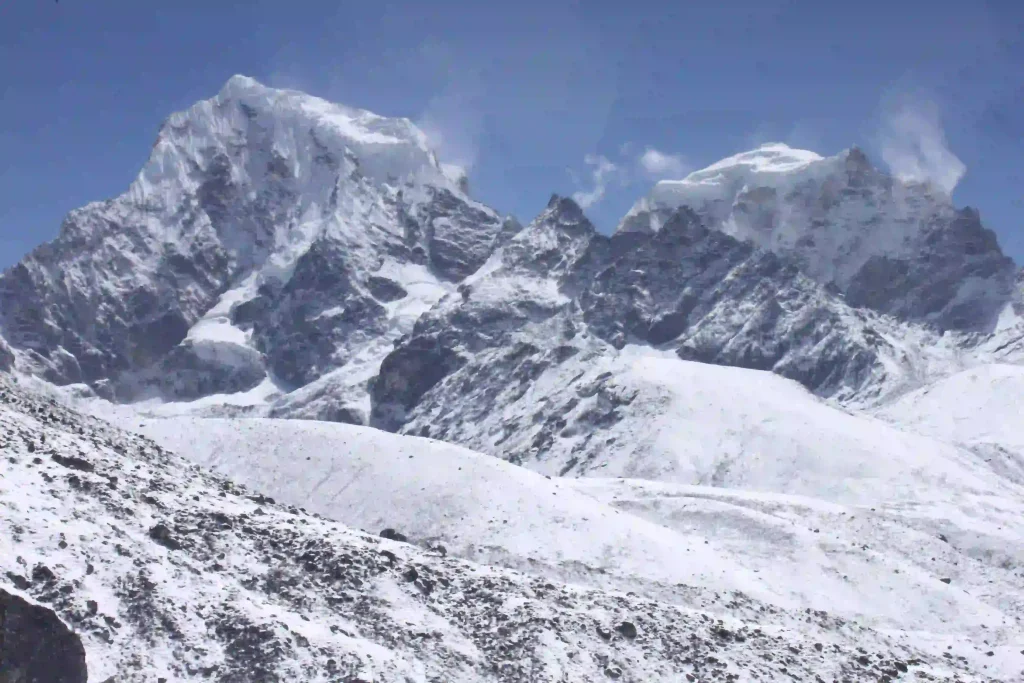
Leadership Skills Develop Naturally on the Trail
The Everest Base Camp Trek creates an environment where leadership develops through action instead of job titles. Weather conditions can change, walking speeds vary, and altitude affects each person differently. These moments encourage individuals to step forward when their skills are needed, whether that means helping a teammate, organizing the group, or supporting important decisions.
Team members learn to make thoughtful decisions under pressure while balancing safety, time, and group objectives. They become more aware of the needs of others because maintaining team performance depends on hydration, rest, and overall well-being. Clear communication becomes essential as everyone must listen carefully to guides and teammates before making decisions.
Boost Employee Well-Being Through Adventure
Let’s look at the table below to know how EBC Trek can improve employee well-being:
| Workplace Challenge | How the EBC Trek Helps | Long-Term Benefit |
|---|---|---|
| Burnout and stress | Spending time in nature away from work helps you relax and recharge. | Better focus, higher energy, and improved creativity after returning to work. |
| Lack of confidence | Reaching Everest Base Camp at 5,364 m is a major personal achievement. | Greater self-confidence and willingness to take on challenges. |
| Weak team relationships | Sharing meals, conversations, and challenges on the trek connect people naturally. | Stronger trust, better communication, and closer teamwork. |
| Inactive lifestyle | Walking for several hours each day improves fitness and stamina. | Better physical health, increased stamina, and more energy for daily work. |
Build a Stronger Company Culture Beyond the Office
A strong company culture grows through collaborative experiences that bring people together beyond daily work responsibilities. The Everest Base Camp Trek gives employees the opportunity to connect in an environment where job titles become less important than teamwork, respect, and mutual support. Colleagues share meals, overcome physical challenges, and celebrate daily progress together.
The lessons learned on the trail become part of a company’s culture. Employees return with stories of helping teammates on difficult sections, encouraging one another during tough days, and celebrating achievements at Everest Base Camp. These memories reinforce company values such as collaboration, accountability, resilience, and respect through real actions rather than written statements.
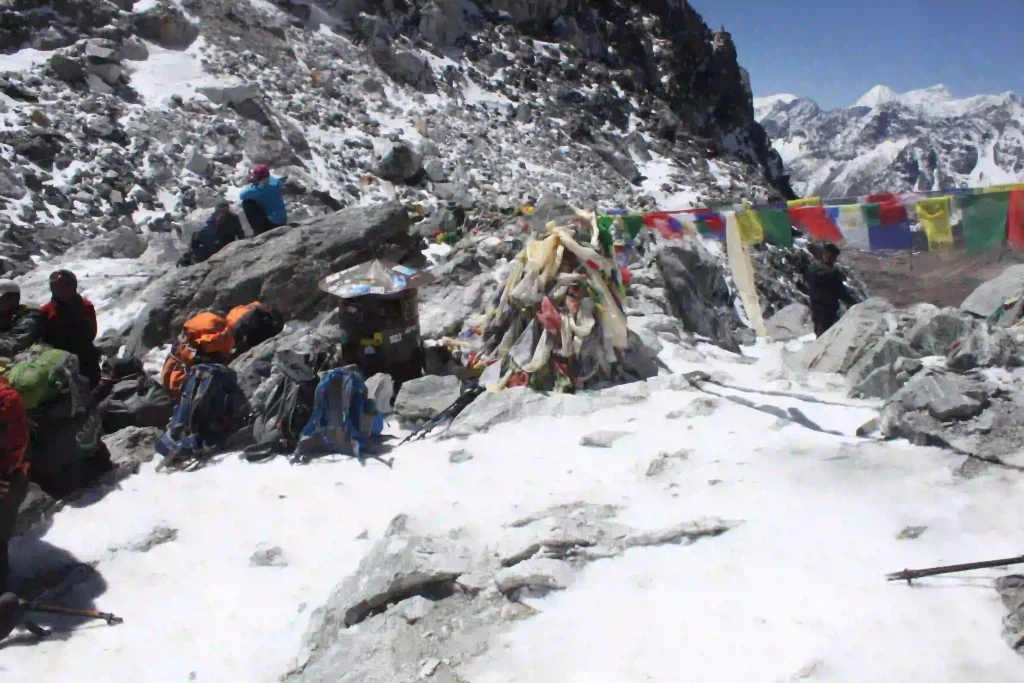
Every Team Member Contributes to the Journey
At high altitude, the group moves at a speed that helps everyone to travel safely, which means each person’s actions affect the progress of the whole team. Some members naturally encourage others during difficult climbs around Namche Hill, while others manage the daily schedule, remind teammates to stay hydrated, or notice early signs that someone needs extra support. These different contributions are equally valuable because the journey depends on cooperation rather than competition.
A project moves forward more effectively when people communicate openly, share responsibility, and help one another overcome challenges. The EBC trail shows the importance of steady progress instead of individual speed. It also shows that encouragement and attention to team health can have as much impact as technical expertise.
How Everest Base Camp Creates Lasting Team Bonds
The Everest Base Camp Trek creates lasting team bonds because it brings colleagues together through shared challenges and achievements. The journey strengthens trust, communication, and mutual respect in ways that are difficult to achieve during traditional workplace activities.
- Creates trust through shared challenges: Team members rely on one another during long trekking days, which builds confidence.
- Encourages open communication: Success on the trail depends on clear conversations about speed, health, daily plans, and changing weather conditions.
- Builds psychological safety: Everyone experiences the same environment regardless of job title.
- Creates shared memories: Reaching Everest Base Camp (5,364 m) together becomes a milestone that employees remember for years.
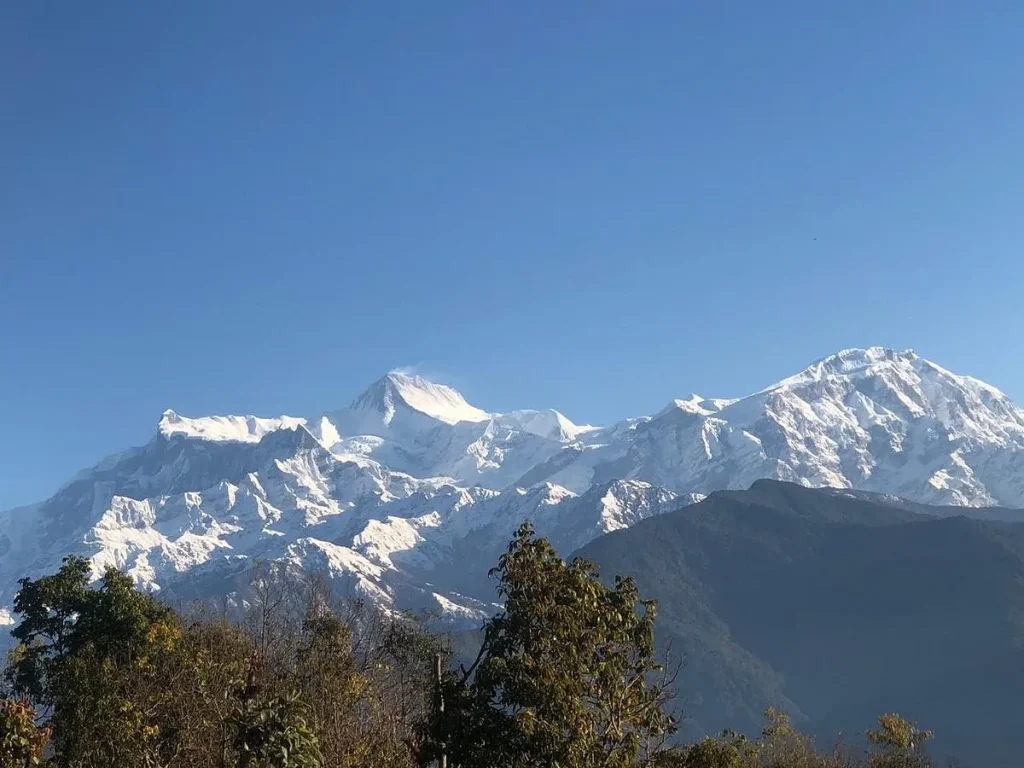
- Promotes humility and mutual respect: Standing among the Mahalangur Himalayan peaks reminds participants that success comes through collective effort rather than individual credit.
- Develops a culture of support: Team members naturally encourage one another, monitor each other’s health, and celebrate every achievement together.
Planning a Successful Corporate Everest Base Camp Trek
A successful corporate Mount Everest Base Camp Trek starts with planning several weeks before the journey. Start preparations 8 to 12 weeks in advance so employees can improve their fitness and prepare for high-altitude trekking. An organized training plan that includes three to four cardio sessions each week, strength exercises, and practice hikes builds stamina in participants. Every team member should also complete a medical check-up before departure and obtain travel insurance that covers emergency helicopter evacuation up to 6,000 m.
Companies should choose an itinerary that includes acclimatization days to reduce the risk of altitude sickness and allow every participant to adjust safely. Clear communication before the trip helps employees understand daily schedules, equipment requirements, and group expectations. Working with an experienced trekking company, certified guides, and support staff provides smooth logistics throughout the expedition.
Is the Everest Base Camp Trek Suitable for Your Team?
The Everest Base Camp Trek can be an outstanding corporate team-building experience, but it is important to assess whether it matches your team’s abilities and business goals. Participants should be comfortable walking 5 to 7 hours a day for consecutive days over mountain trails. A medical assessment before the trip is recommended for employees with heart, lung, or joint conditions. Companies should also check that participants are prepared for basic teahouse accommodation, limited internet access, and a journey that lasts 12 to 14 days.
Groups with mixed fitness levels can also complete the trek successfully by choosing a slower itinerary with additional acclimatization days in Namche/Dingboche or a more comfortable lodge-based package. If many employees have health limitations or little interest in long-distance trekking, an Everest View Trek or an Everest Helicopter Tour may provide a safer alternative.
Safety and Professional Support for Corporate Groups
Safety is the highest priority on any corporate high-altitude expedition. When a company sends employees into the Khumbu region, protecting their health and safety becomes a legal responsibility. Instead of choosing the lowest-cost option, a successful corporate trek relies on an experienced support team that can identify and manage risks throughout the expedition.
- Certified trekking guides lead the group and make safety decisions throughout the trek.
- Experienced Sherpa guides manage pacing, navigation, and daily route planning.
- Proper guide-to-group ratios make sure every participant receives close support and attention.
- Porters carry heavy gear so that employees can walk with light daypacks.
- Daily health checks identify early signs of altitude sickness.
- Emergency oxygen and first-aid equipment are available when needed.
- Helicopter evacuation plans and insurance provide a response during serious medical emergencies.
- Nicely-planned acclimatization schedules reduce altitude risks and improve the chances of a successful trek for the entire team.
Why Nepal Is One of the World’s Best Destinations for Corporate Adventure Travel
Nepal combines world-famous Himalayan adventures with a developed tourism infrastructure, which makes it a perfect destination for corporate groups. Here are some of the key reasons why you should choose Nepal for corporate travel:
- Home to the Himalayas, including the Everest region and many high-altitude trekking routes.
- Supports corporate travel with experienced guides, quality hotels, and well-established trekking services.
- Provides flexible experiences such as trekking, helicopter tours, rafting, jungle safaris, and cultural tours.
- Creates meaningful CSR opportunities by supporting local guides, porters, teahouses, and community projects.
- Offers great value for money, with high-quality experiences at more affordable prices than many other adventure destinations around the world.
- Easy to reach with international flights to Kathmandu and regular domestic flights to popular trekking destinations across Nepal.
- Combines adventure with culture through visits to UNESCO World Heritage Sites, Ramsar sites, and local communities, which enrich the overall corporate experience.
Frequently Asked Questions
What is the ideal corporate group size?
Can the trek be customized for our company?
How long does the trek take?
Is previous trekking experience required?
What support is provided during the trek?
What is the best time for a corporate Everest Base Camp trek?
Can we conduct formal business presentations during the trek?