

The best time for Everest Base Camp Trek is during the spring (March–May) and autumn (September–November) seasons. These months offer the most favorable trekking conditions, with calm weather, clear views of the Mahalangur Himalayan ranges, comfortable temperatures, and a higher likelihood of smooth flight operations to Lukla. As a result, they consistently attract the largest number of trekkers from around the world.
Choosing the right season can make a huge difference to your Everest experience. Conditions in the Himalayas can change throughout the year, affecting trail quality, visibility, accommodation availability, and flight schedules. A trek during the right season not only improves safety but also increases your chances of successfully completing the trek to as high as 85%–95%. In this blog, you’ll learn the strengths and weaknesses of each season and find out which time of year is most suitable for your trekking style, budget, and goals.
Everest Base Camp Trek Seasons Compared
This table provides a quick overview of weather, visibility, crowds, costs, and who each season suits best before exploring them in detail.
| Season | Weather | Visibility | Crowds | Cost | Best For |
| Autumn (Sep – Nov) | Favorable and rain-free | Superior | Very High | High | First-timers, family groups with children, and seniors |
| Spring (Mar – May) | Stable and temperate | High | High | Moderate–High | Flower lovers and expedition followers |
| Winter (Dec – Feb) | Cold and dry | Moderate | Very Low | Low–Moderate | Experienced hikers looking for solitude |
| Monsoon (Jun – Aug) | Wet and cloudy | Very Low | Low | Low | Botanists and budget travelers |
Seasonal Differences on the Everest Base Camp Trek
The Everest Base Camp (EBC) Trek can be completed in all four seasons, but the trekking experience changes throughout the year. Weather conditions, mountain visibility, trail traffic, temperatures, and flight reliability all change throughout the year.
Below, each season is explained in detail to help you understand whether it is suitable for the Everest Base Camp Trek and what advantages or challenges you can expect on the trail.
Spring (Mar-May)
Spring is one of the most popular times to visit the Everest region. As the cold winter season ends, temperatures become milder, and the lower hillsides are covered with colorful rhododendron flowers.
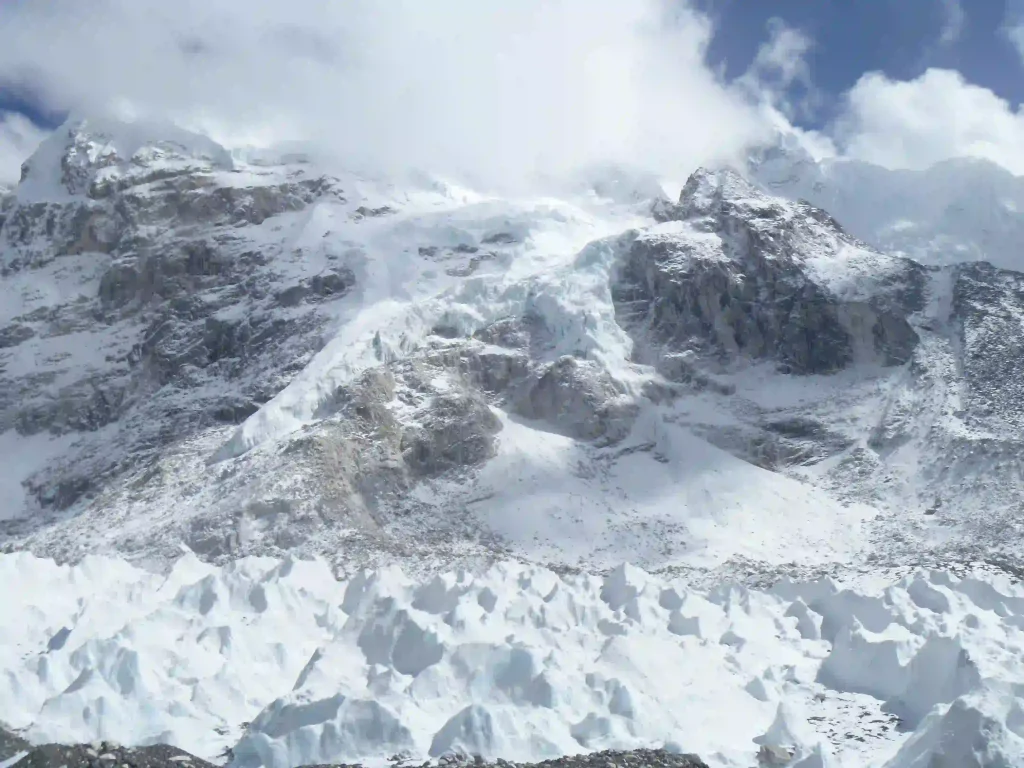
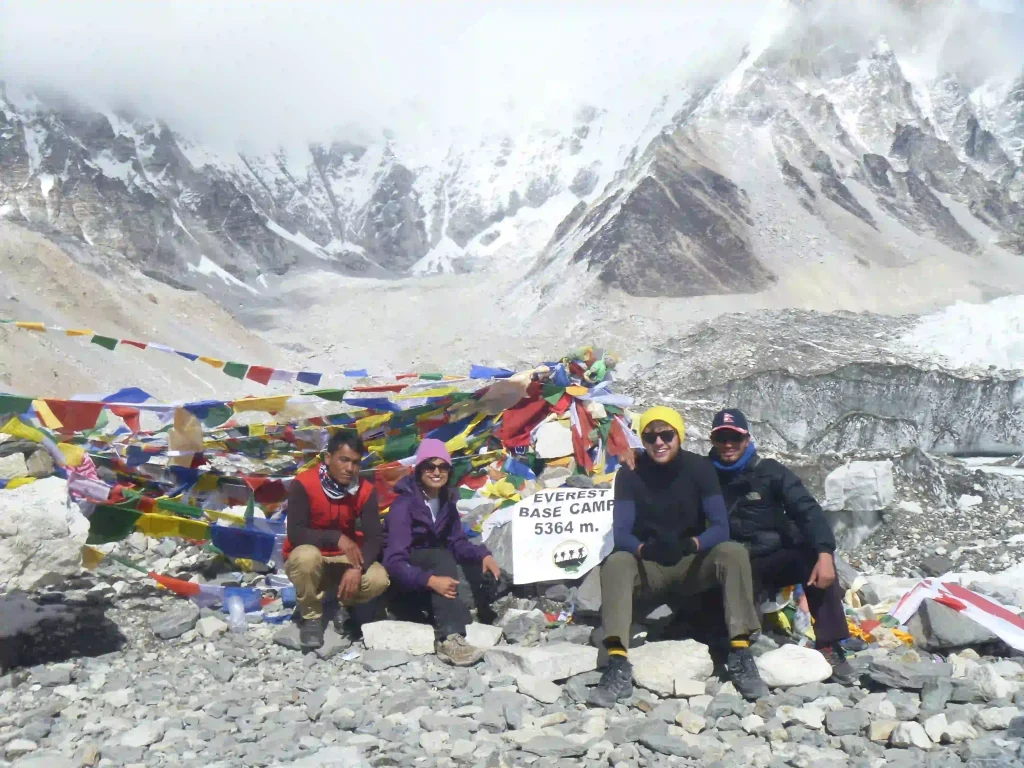
Spring is also the main climbing season for Mount Everest. Most Everest summit attempts take place during a short period of favorable weather in May. If you trek in April or May, you will see many international climbing groups on the trail and a large temporary camp of expedition tents spread out on the Khumbu Glacier at Everest Base Camp.
Autumn (Sep-Nov)
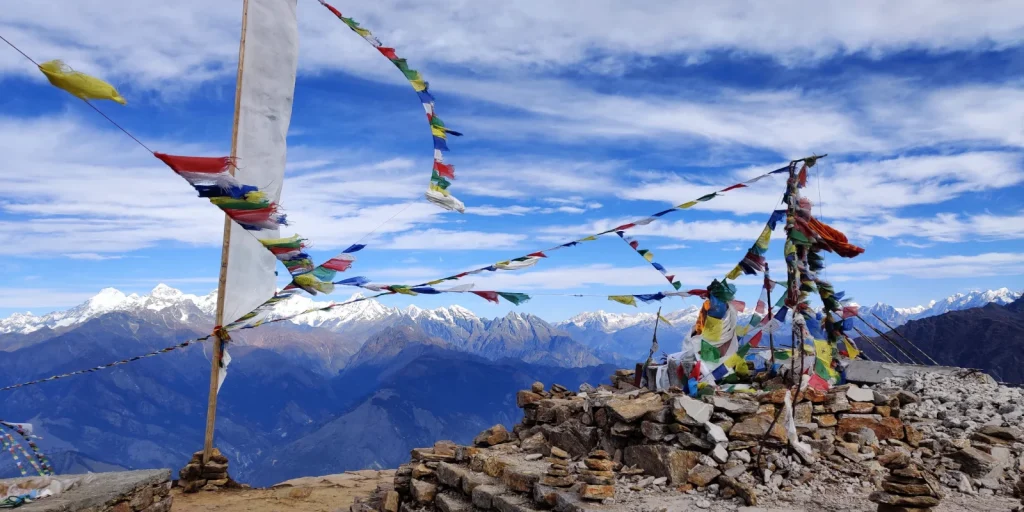
If you want the clearest mountain views and the most settled weather, autumn is one of the best times to visit Everest Base Camp. By October, the summer rains had completely washed the dust out of the atmosphere, resulting in clear views of Mount Everest, Nuptse, Lhotse, and Ama Dablam.
Although nights become colder toward late November, daytime trekking temperatures are highly comfortable. Autumn also coincides with major festivals of Nepal, Dashain and Tihar, which give trekkers a chance to experience local traditions, celebrations, and Sherpa culture along the route.
Winter (Dec-Feb)
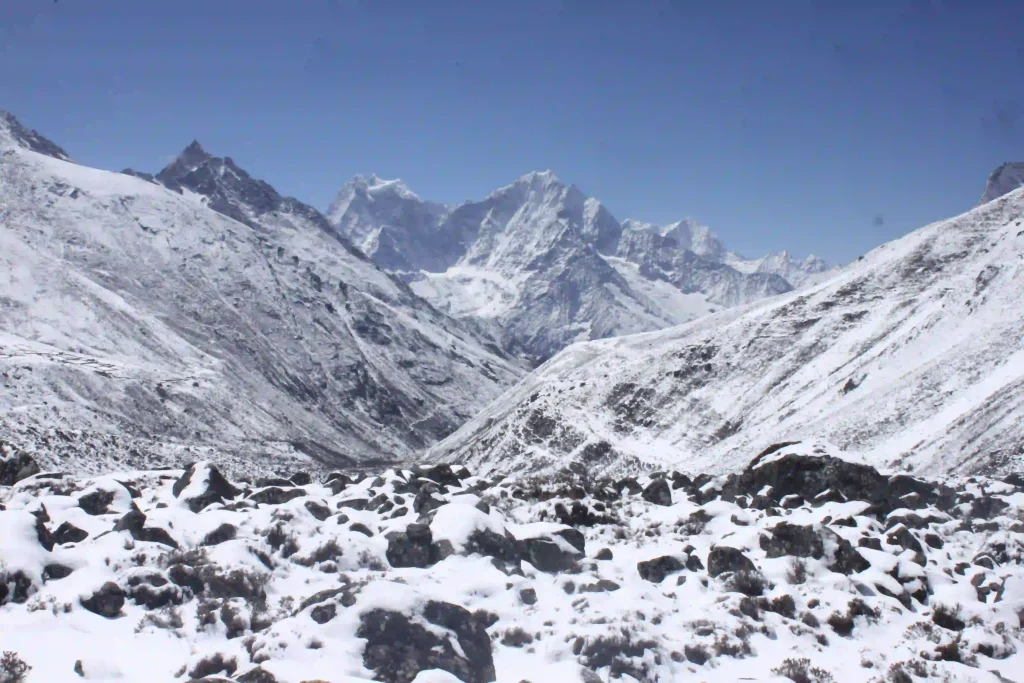
Winter offers relatively clear skies and peaceful trekking trails during the day in the Everest region. The mountain views are impressive, and there are far fewer trekkers compared to spring and autumn.
However, winter is also the coldest season. In higher villages such as Dingboche, daytime temperatures are close to freezing, while nights can be extremely cold (down to -15 °C/ 5°F ). To stay comfortable, trekkers need a warm sleeping bag rated to at least -20°C (-4°F) and quality down clothing because teahouse rooms are not heated.
Monsoon (Jun-Aug)
The monsoon brings warm temperatures but huge amounts of moisture from the Bay of Bengal. You can expect rain most afternoons that makes the lower trails between Lukla and Phakding slippery.
Here’s what Pasang Sherpa, a certified guide with 15 years of experience in the Everest region, says about the monsoon season in EBC: “The lower forests get incredibly lush, but you have to watch out for mud and active leeches. If you have a flexible schedule and don’t mind hiking in rain gear, the trails are very peaceful,”

Luxury Everest View Trek
USD 2,900
Everest Base Camp Corporate Trek
USD 3,250

Everest Base Camp Trek
USD 1,470
Everest Base Camp Trek With Helicopter Return
USD 2,450

Everest Base Camp and Island peak
USD 2,800

Everest Panorama Trek
USD 1,050

Jiri-Everest Base Camp Trek
USD 2,100

Luxury Corporate Everest View Trek – 11 Days
USD 2,700

Luxury Everest Base Camp Trek
USD 3,875
Spring vs Autumn: Which Season Is Better?
Most trekkers planning the Everest Base Camp route end up their choice down to two seasons: spring and autumn. Both are excellent, but they offer slightly different experiences depending on what you value more: colorful natural surroundings and expedition activity in spring, or pure blue skies and beautiful Himalayan scenery in autumn.
Beyond scenery, the decision depends on practical factors such as availability of accommodation, flight congestion to Lukla, and how busy the trails feel day to day. Spring tends to attract climbers heading to Everest Base Camp by creating an active trekking environment, while autumn is preferred by those who want smoother logistics and the most uniform trekking conditions overall. The table below breaks down the differences between two peak trekking seasons to help you choose the better option for your style.
| Spring | Autumn | |
| Views | Clear mornings, afternoon cloud buildup, and haze | Excellent, cloudless skies all day long |
| Temperatures | Warmer | Cooler |
| Crowds | High | Very High |
| Photography | Outstanding | Best of the Year |
| Weather Stability | Moderate, occasional spring showers or snow | High, most stable season of the year |
| Base Camp Vibe | Filled with tents and Everest climbers | Expeditions are gone, leaving just the rock marker |
| Cultural Events | Local Sherpa spring festivals and daily monastery rituals. | Major national festivals (Dashain, Tihar, Mani Rimdu). |
| Best For | Warmer weather and Everest atmosphere | Photography and smooth travel logistics |
What Affects the Best Time to Visit Everest Base Camp?
The best time to trek Everest Base Camp depends on four interconnected factors: weather conditions, flight operations, trail crowd levels, and safety at high altitude. Let’s look at each of them briefly below.
The Indian Ocean Monsoon
The climate of the Everest region is influenced by the seasonal monsoon that develops over the Indian Ocean. From June to August, moisture from the Indian Ocean brings heavy rain, fog, and landslides in the lower Khumbu region. This is why the summer months are considered the least favorable time for the EBC Trek.
The weather changes once the monsoon ends in September. Months of rain wash dust and pollutants from the atmosphere, leaving behind exceptionally clear air and alpine views.
Lukla Flight Operations Reliability
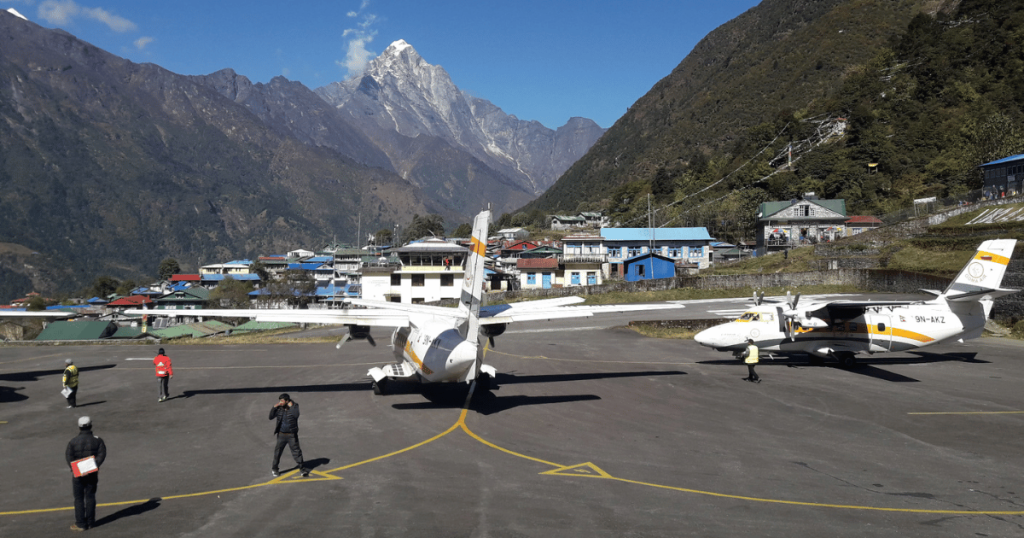
Most trekkers reach Lukla through flights from Kathmandu or Ramechhap, but weather conditions directly affect flight schedules. Even a small amount of cloud cover, poor visibility, or strong winds can delay or cancel flights because aircraft must fly under clear visual conditions.
Spring and autumn offer the safest flying conditions, although delays can still occur due to the high number of daily flights. During the monsoon season and severe winter weather, cancellations are much more common and can sometimes disrupt travel plans for several days. This is why an extra buffer days are important to include in the itinerary. Flight delays can also increase accommodation and transportation expenses, which can make season choice an important factor when estimating your Everest Base Camp Trek Cost.
Teahouse and Trail Capacity
The number of trekkers on the Everest Base Camp trail varies by season and can affect your experience. During peak months of spring and autumn, the main trails face heavy traffic, and high-altitude teahouses fill up completely. This can mean sleeping in dining areas if you have not booked ahead.
In contrast, winter sees far fewer visitors, which means uncrowded trails and more accommodation availability. However, many teahouses at higher elevations close for the season as owners move to lower areas to avoid cold weather. As a result, trekkers have fewer choices for food and accommodation on the trail.
High-Altitude Safety
Safety is one of the most important factors that affects the best time for Everest Base Camp. The trek reaches an altitude of 5,364M, where the air has very few oxygen molecules than at sea level. Stable weather and moderate temperatures during spring and autumn provide suitable conditions for hiking and acclimatization.
Weather can also affect emergency response and evacuation services in the Everest region. During the monsoon season, rain and low clouds can delay flights and helicopter operations, while winter brings extreme cold and icy trail areas. For this reason, most trekkers choose spring or autumn, when conditions are safer and more stable.

Awesome guiding in Sagarmatha National Park


Everest base camp trek

Everest Base Camp


Best Time for Indian Trekkers to Visit Everest Base Camp
For Indian trekkers, the best time to visit Everest Base Camp is the spring season from March to May. This period matches several Indian public holidays such as Holi, Mahavir Jayanti, Good Friday, Ambedkar Jayanti, and Maha Shivaratri. They can easily complete this 12–14 days journey without using too many annual leave days.
Mid-April to May is especially popular among Indian students and families because it coincides with school and college vacation periods. During these weeks, trekking routes are at their most colorful, with red, pink, and white rhododendron flowers covering a large area of the trail. Visibility is excellent, temperatures are stable, and the risk of heavy snowfall is much lower compared to winter months.
The autumn season, from October to November, is another good time to visit EBC. This season aligns with India’s major festive periods, such as Navratri, Dussehra, and Diwali. At the same time, Nepal celebrates its two biggest festivals, the 15 days Dashain and the 5 days Tihar.
And if you are worried about flights, travel is quite convenient for Indian trekkers due to direct connections to Kathmandu. Daily flights from Delhi take less than 2 hours, while Mumbai to Kathmandu flights take around 3 hours, and flights from Bengaluru take approximately 3 hours and 30 minutes. From most major cities in India, you can reach Kathmandu quickly and start your Everest Base Camp journey without long transit delays.
Which Month Is Best for Your Everest Base Camp Trek?
There is no single best month for every trekker. The best time for the Everest Base Camp Trek depends on your priorities, whether that is fair weather, warmer temperatures, fewer crowds, lower costs, or the best photography opportunities. Use the table below to quickly identify the month that best matches your trekking goals.
| Your Priority | Best Month |
| Best weather | October |
| Warmest conditions | May |
| Fewest crowds | December |
| Best photography | October or November |
| First-time trekker | April or October |
| Budget-conscious traveller | December, January, June, July, August |
| Experienced trekkers | December |
| Everest expedition atmosphere | April or May |
| Most stable Lukla flight service | October or November |
Common Questions About Everest Base Camp Trekking Seasons
Which month has the clearest views of Mount Everest?
Why is late May considered a gamble even though it is peak Spring?
What is the coldest month on the Everest Base Camp trek?
Why do many trekkers travel through Ramechhap during the peak season?
What months should I absolutely avoid for the trek?