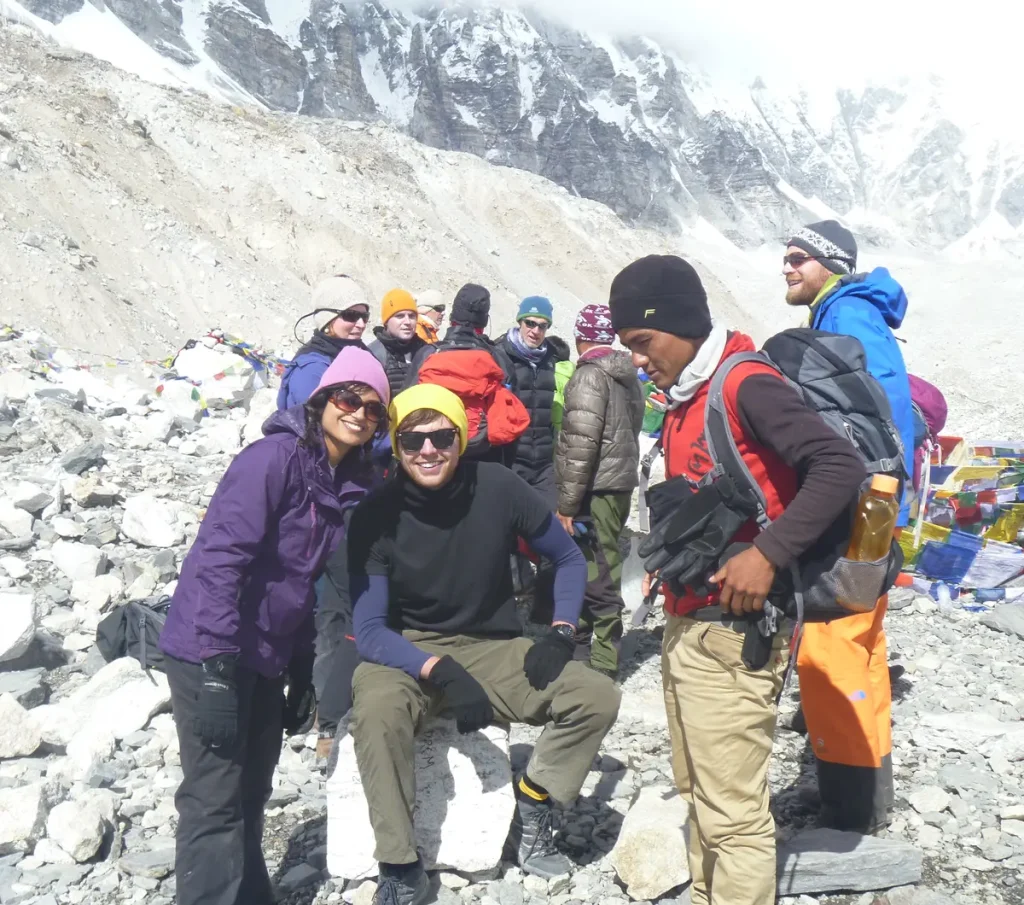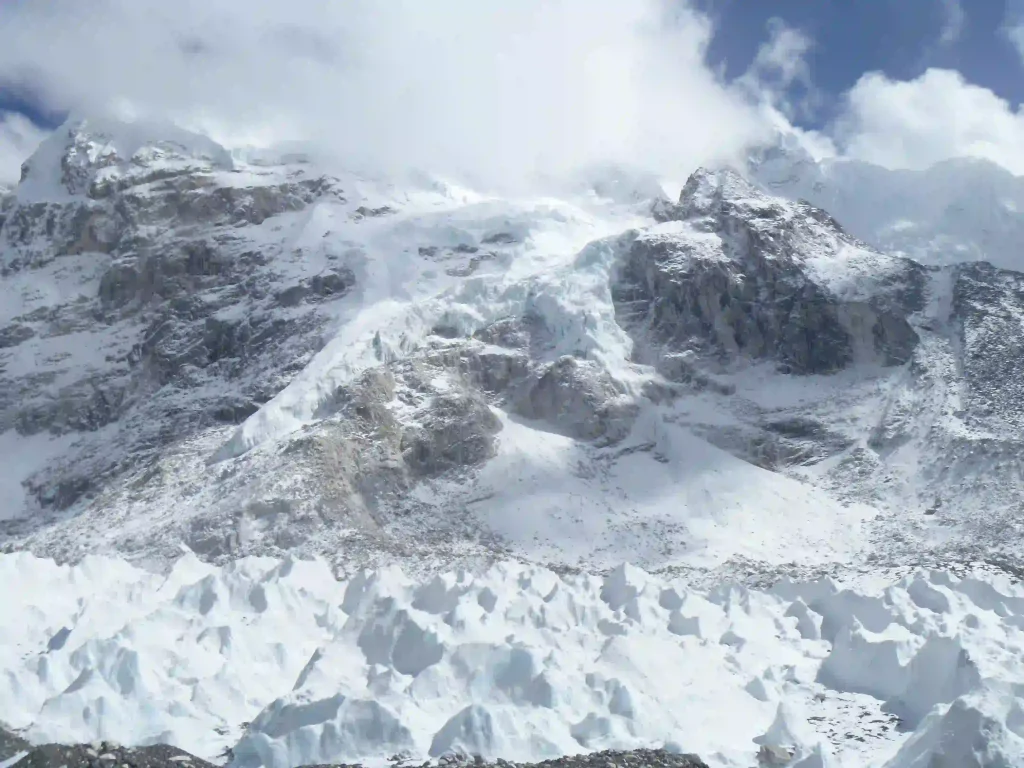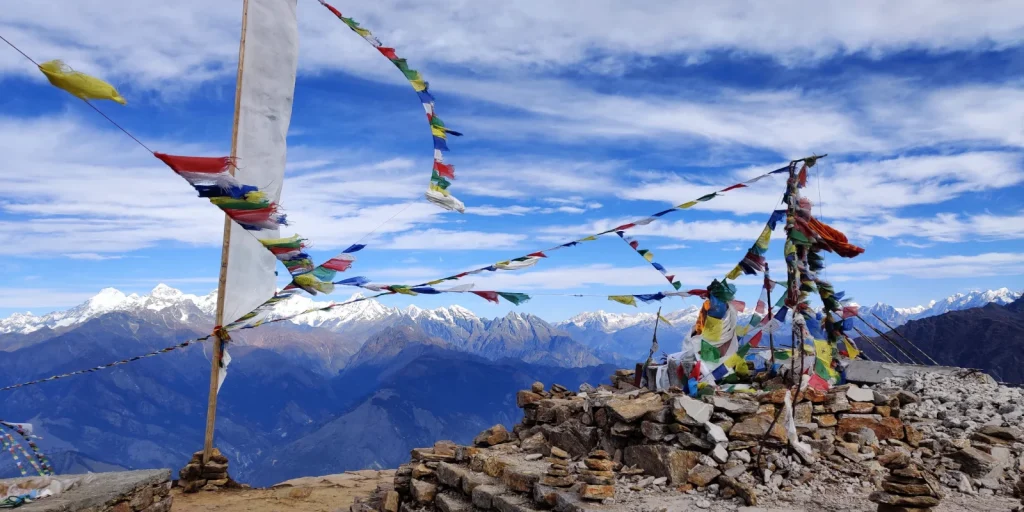

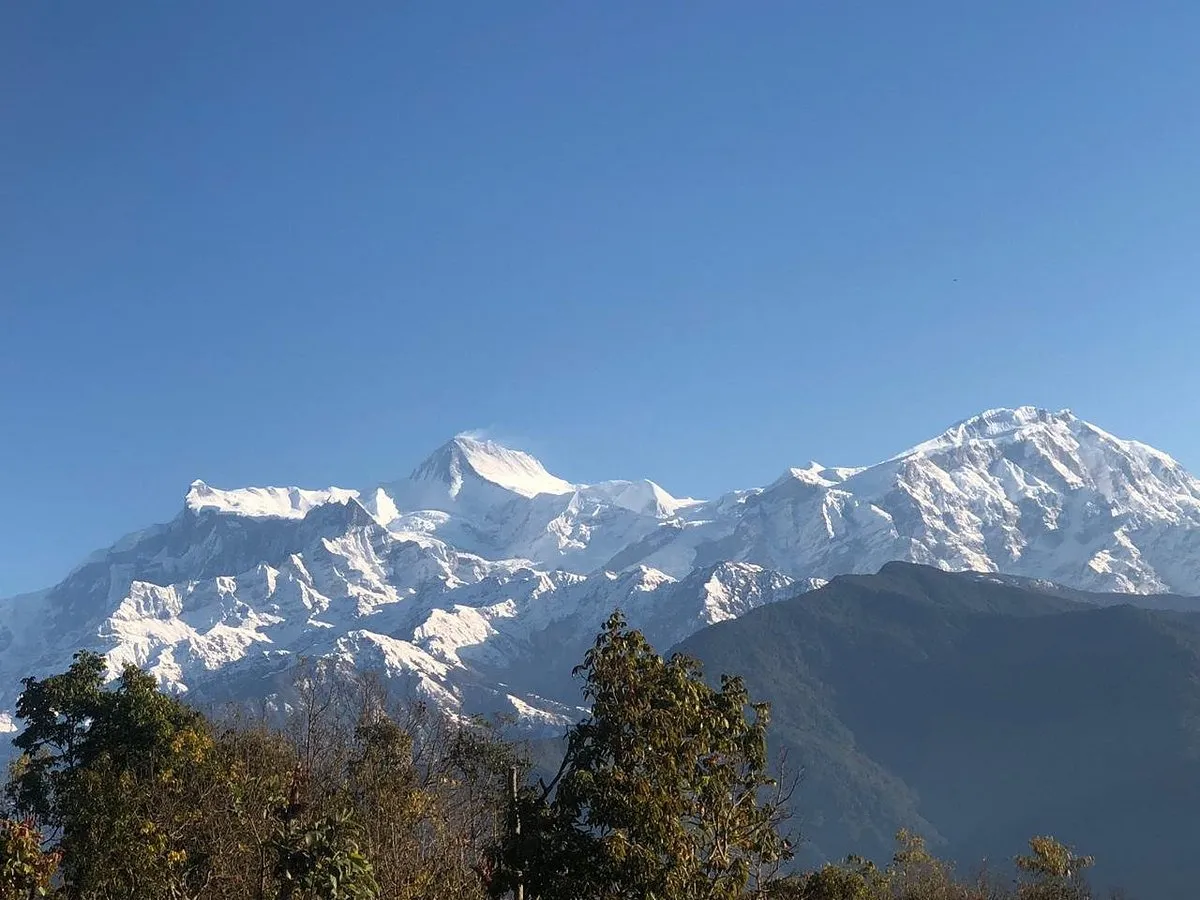
Choosing between Annapurna Circuit and Everest Base Camp for a corporate trek depends on your team’s goals, fitness level, time, and the type of experience you want. Annapurna Circuit is best for groups looking for diverse geography, local culture, and a longer shared adventure, while Everest Base Camp is better for groups wanting a famous Himalayan experience focused on Mount Everest.
Annapurna Circuit vs Everest Base Camp: Detailed Comparison
Comparing the main trek details helps you choose the route that best matches your team’s fitness level and ability to handle challenges.
| Factor | Annapurna Circuit Corporate | Everest Base Camp Corporate |
|---|---|---|
| Best for | Adventure + culture | Inspiring team adventure |
| Difficulty | Challenging | Challenging |
| Altitude | 5,416m (Thorong La Pass) | 5,555m (Kala Patthar) / 5,364m (EBC) |
| Typical duration | ~13 days | ~15 days |
| Workshop Locations | Manang and Pokhara | Namche Bazaar |
| Recommended Group Size | 10 to 40 participants | 8 to 50 participants |
| Culture | Gurung, Thakali and Himalayan communities | Sherpa culture |
| Cost | USD 2,390 per person | USD 3,250 per person |
| Primary Transport | Private 4WD Vehicles / Tourist Bus | Domestic Flight (Kathmandu/Ramechhap to Lukla) |

How to Choose the Right Trek for Your Team
Selecting between the Annapurna Circuit vs Everest Base Camp for Corporate Groups depends on your organization’s schedule flexibility, budget allocation, and operational priorities.
Choose the Annapurna Circuit Corporate Trek If:
- Your organization operates on a strict 13-day leave schedule with no room for delayed return flights.
- You prefer ground transportation over weather-dependent mountain flights.
- You want a two-stage event structure, combining high-altitude workshops in Manang with a formal debriefing resort stay in Pokhara.
- Your group prefers slow gain in altitude with fewer nights sleeping above 4,000 m.
Choose the Everest Base Camp Corporate Trek If:
- Your team wants the global recognition of reaching the base of the world’s highest peak.
- You can build a 15-day itinerary with 2 to 3 buffer days in Kathmandu to absorb potential Lukla flight delays.
- You want to use the conference facilities in Namche Bazaar surrounded by 8,000 m Himalayan peaks.
- Your budget accounts for potential helicopter charter fees (USD 500 to 700 per person) if bad weather prevents fixed-wing flights from operating.
Why Choose Nepal for a Corporate Group Trip?
Here is why forward-thinking companies choose Nepal for corporate group travel:
- Breaks Workplace Barriers: A mountain trail puts managers and junior employees on the same path and creates a more casual way to connect.
- A Memorable Employee Reward: Reaching destinations such as Everest Base Camp or the Annapurna Circuit can become a meaningful incentive for employees.
- Strong Company Image: A Nepal trek can create useful photos and stories for company social media, recruitment campaigns, and internal communications.
- Good Value for Money: Nepal gives companies the opportunity to plan an exciting mountain trip at a lower cost than many similar adventure destinations.
- Easy Group Support: Corporate groups can arrange guides, porters, accommodation, transportation, and other services through a single trekking plan.
- Luxury Before and After the Trek: Kathmandu and Pokhara have high-end hotels and wellness stays where teams can relax before or after their mountain journey.
- More Than Trekking: Companies can add activities such as rafting, paragliding, mountain biking, or a wildlife safari to create a varied group trip.
Corporate Facilities and Meeting Spaces
Adding workshops, planning sessions, and team meetings needs proper meeting spaces, electricity, and dependable internet. On the EBC route, Namche Bazaar is the main place for meetings, while on the Annapurna Circuit, Manang and Pokhara are better options. Let’s take a closer look at what you can find in these places:
Namche Bazaar Facilities
Namche Bazaar (3,440 m) is the central commercial hub of the Khumbu region. Modern teahouses and lodges in Namche offer conference facilities equipped with:
- Digital projectors and presentation screens.
- Reserved seating for up to 50 corporate participants.
- Continuous power supply supported by backup generators and solar.
- High-speed Wi-Fi via regional fiber networks.
Your group can conduct a full-day corporate alignment workshop on Day 04 while your bodies adapt to 3,440 m elevation.
Manang and Pokhara Facilities
On the Annapurna Circuit, corporate events are split between the high-altitude village of Manang and Pokhara:
- Manang: Lodges offer functional meeting spaces suitable for team debriefings and goal-planning sessions during the Day 06 acclimatization stop. Wi-Fi is available, though speeds can vary during high-altitude storms.
- Pokhara: After descending from Thorong La Pass, corporate groups transfer to four-star or five-star resort hotels in Pokhara. These hotels have professional conference centers, complete audio-visual setups, and private dining rooms for final corporate celebrations.
Which Trek Is Better for Corporate Team Building?
The Annapurna Circuit is the better choice for corporate team building because it gives your group more variety and more options to manage different fitness levels. The route passes places such as Besisahar, Manang, and Muktinath and crosses the Thorong La Pass at 5,416 m. The changing topography from green hills and rice terraces to the dry valleys around Manang gives your team plenty of shared experiences and moments to talk, help each other, and build stronger relationships.
The Everest Base Camp trek is a better choice when the main goal is a company milestone. The route takes you through Namche Bazaar, Tengboche, Dingboche, and Gorak Shep before reaching Everest Base Camp at 5,364 m. The journey gives your team a great feeling of success, but the higher altitude and fixed route can make it harder to keep employees with different fitness levels together.
Which Trek Is Better for First-Time Trekking Employees?
The Annapurna Circuit is the better choice for employees who have never trekked before because it gives groups an easier way to experience mountain trekking. Your employees can experience forests, farming villages, suspension bridges, and mountain views before reaching the higher parts of the route. Road access also gives corporate groups more options if someone cannot continue on foot.
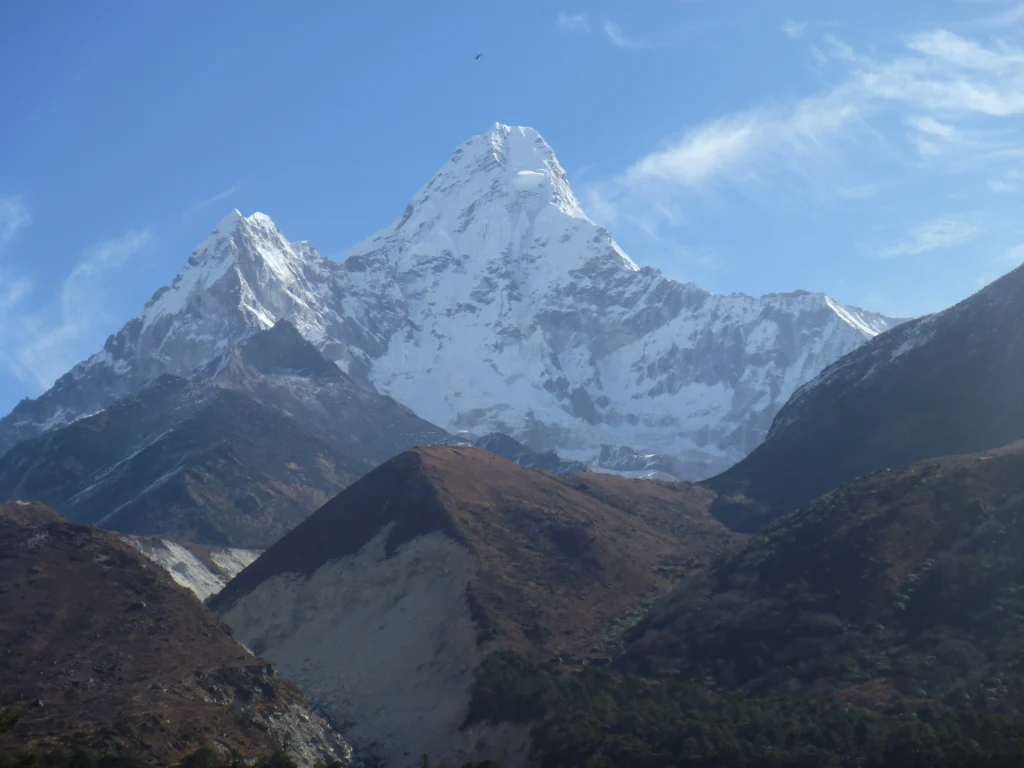
The Everest Base Camp trek is more demanding for first-time trekkers because the route reaches high altitude within a shorter period. The trail offers you views of Mount Everest, Ama Dablam, Lhotse, and Nuptse, but the higher altitude can make the journey harder for employees without previous trekking experience. For a company taking a large group of first-time trekkers, Annapurna Circuit is the more practical choice.
How to Prepare Employees for a Nepal Corporate Trek
Here are some simple steps to prepare for a corporate trek:
- Get a Medical Check: Ask every employee to speak with a doctor before the trek and discuss any health concerns that could affect their ability to walk at high altitude.
- Arrange Suitable Travel Insurance: Choose insurance that covers high-altitude trekking and emergency helicopter evacuation.
- Start Fitness Training Early: Start training at least 8–12 weeks before the trek. Focus on regular walking, cycling, swimming, and other activities that improve stamina.
- Build Leg Strength: Include stairs, uphill walks, squats, and other simple leg exercises in the training plan.
- Organize Practice Hikes: Plan several local hikes before departure. Employees can use these hikes to learn how their bodies respond to long walks and different types of terrain.
- Break In Hiking Boots: Employees should wear their trekking boots during practice hikes before the Nepal trip.
- Prepare the Right Gear: Provide or recommend essential items such as warm jackets, rain protection, daypacks, sleeping bags, and trekking poles.
- Teach Altitude Safety: Make sure everyone knows the common signs of altitude sickness such as headache, nausea, dizziness, and unusual tiredness. Employees should report these symptoms to the guide instead of trying to hide them from the group.
Final Steps for Corporate Planning
Both routes are good options for high-altitude corporate retreats, but they suit different needs. Everest Base Camp offers worldwide recognition, but your schedule should allow for possible Lukla flight delays and several nights at high altitude. The Annapurna Circuit offers easier ground transport and a slow move from trekking in Manang to meetings and relaxation in Pokhara.
When you are ready to plan a corporate trip that fits your team’s goals, schedule, and safety needs, contact Snowview Trek. Our corporate trekking team can create a custom plan with medical support, suitable meeting spaces, and safe transport for your group.
Frequently Asked Questions
Is Annapurna Circuit or Everest Base Camp better for corporate groups?
How fit does our corporate team need to be for trekking in Nepal?
Can we customize a Nepal trekking package for our company?
Can large corporate groups trek to Everest Base Camp?
What is included in a Nepal corporate trekking package?
What is the best season for a corporate trek in Nepal?
Can we add Kathmandu, Pokhara, or Chitwan to our corporate trip?
How far in advance should a corporate group book a Nepal trekking package?
If an employee must be evacuated via helicopter from EBC, does the entire corporate group have to turn back or stop?
Which trek is better for a mid-trek board meeting or executive session?